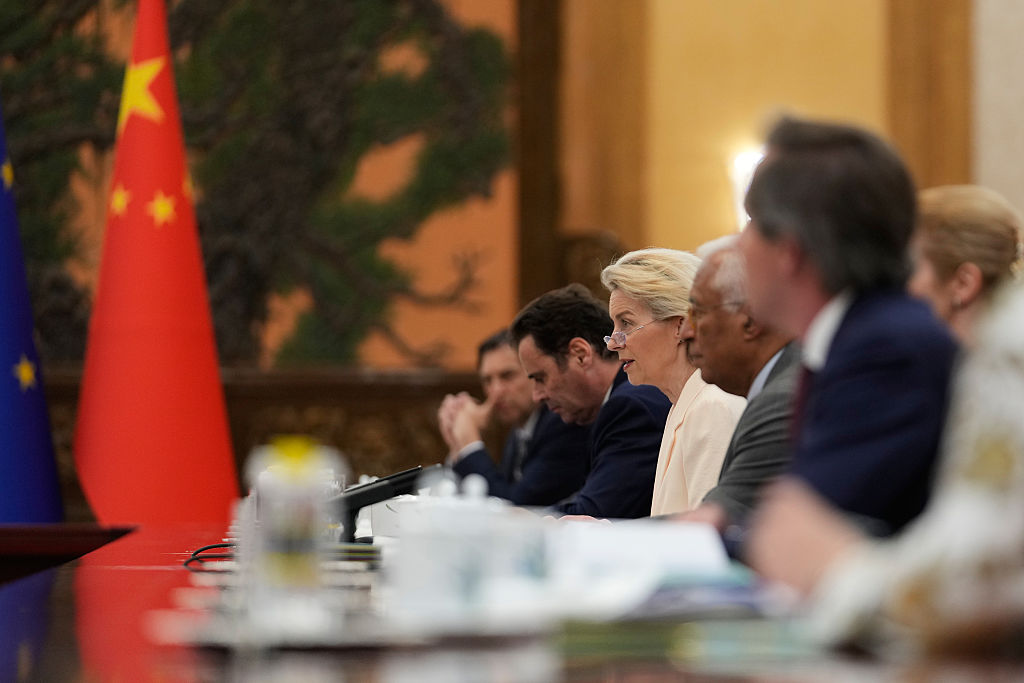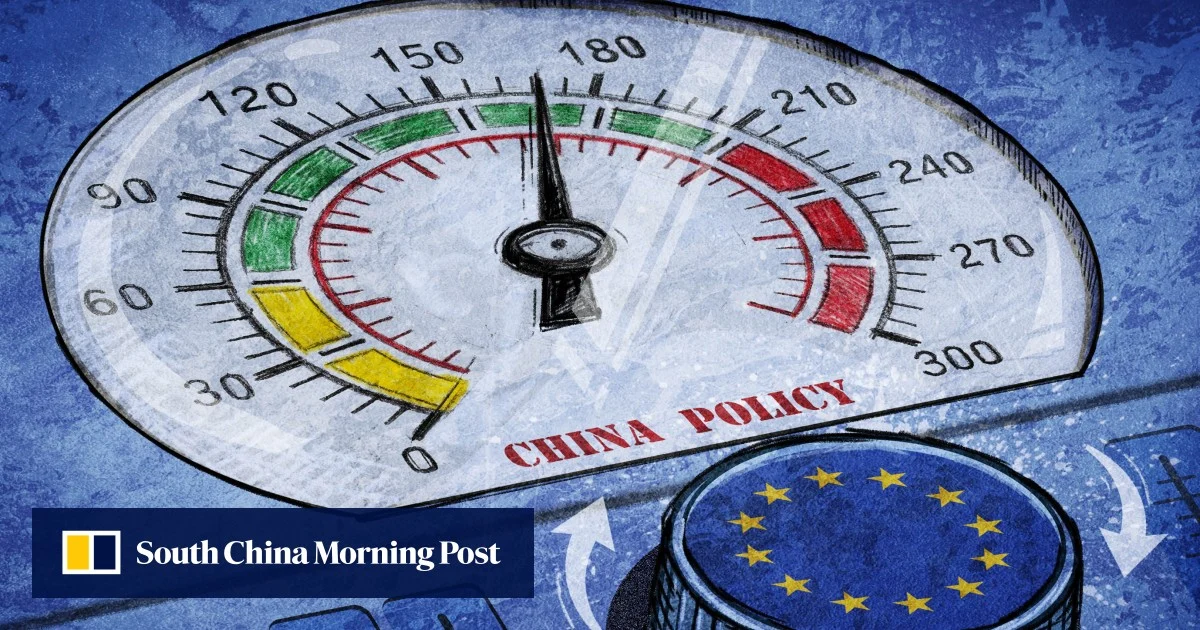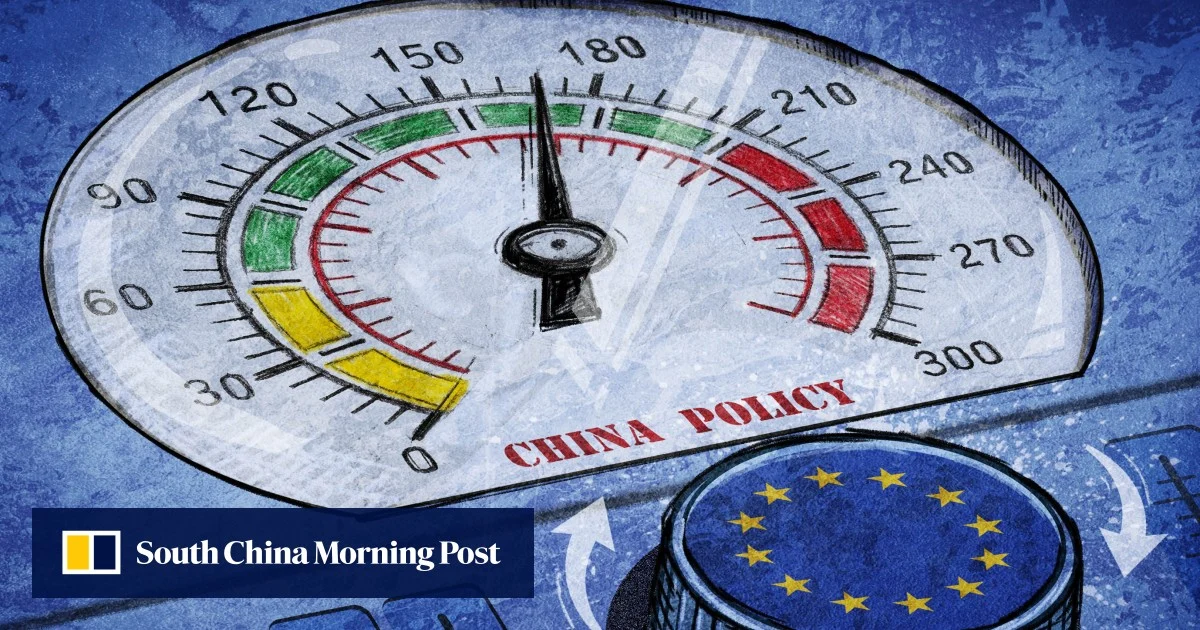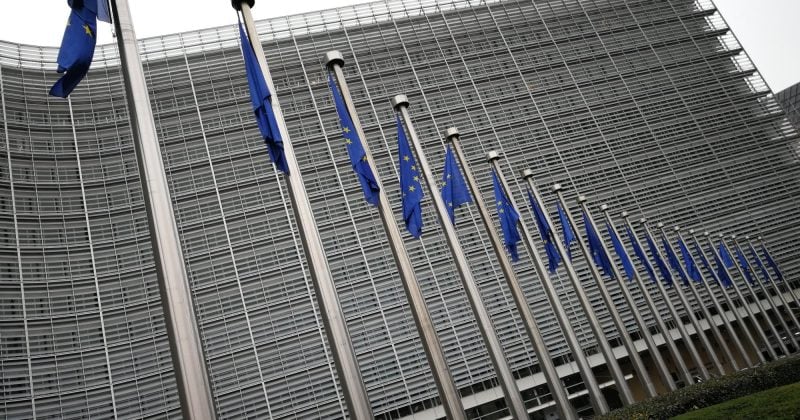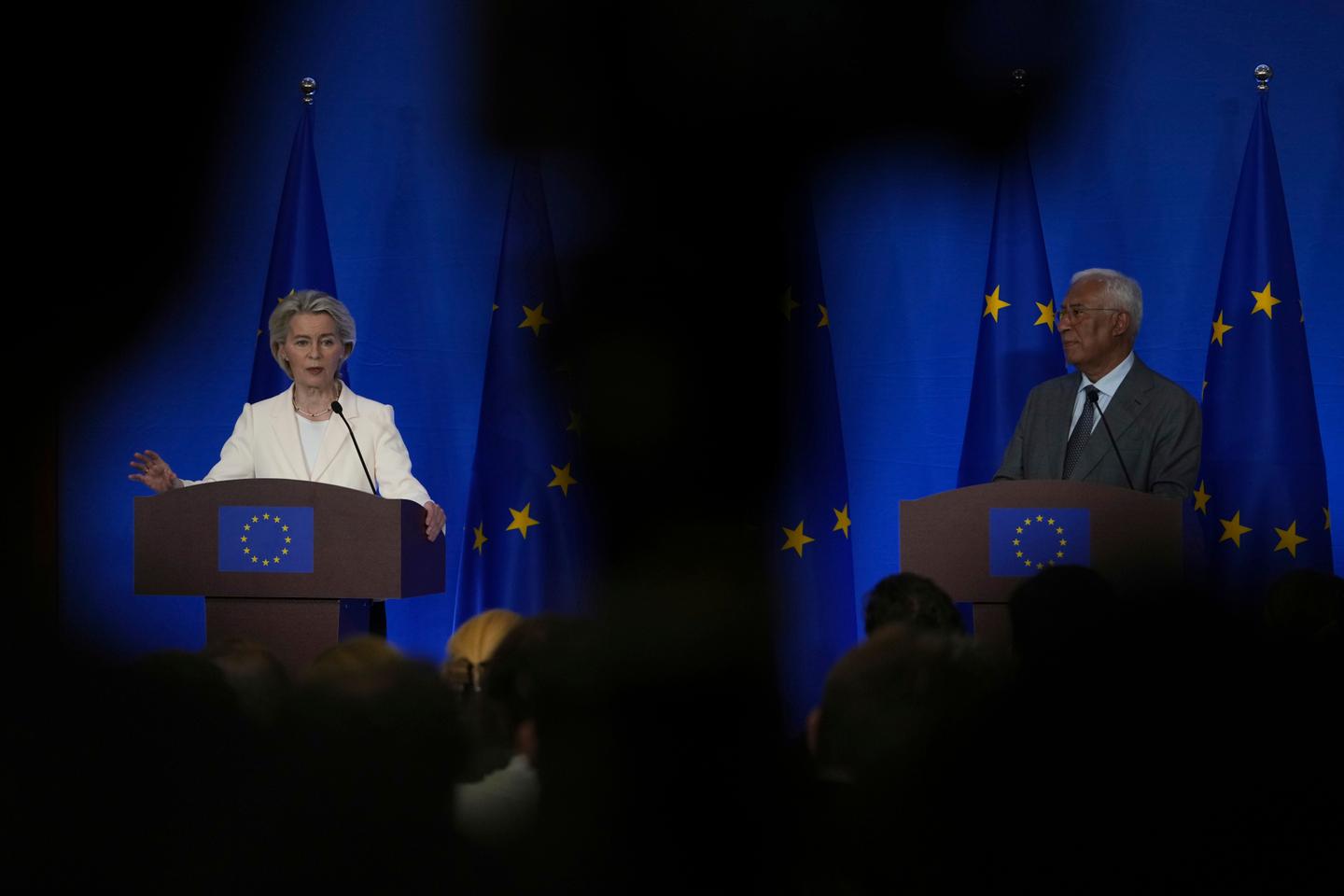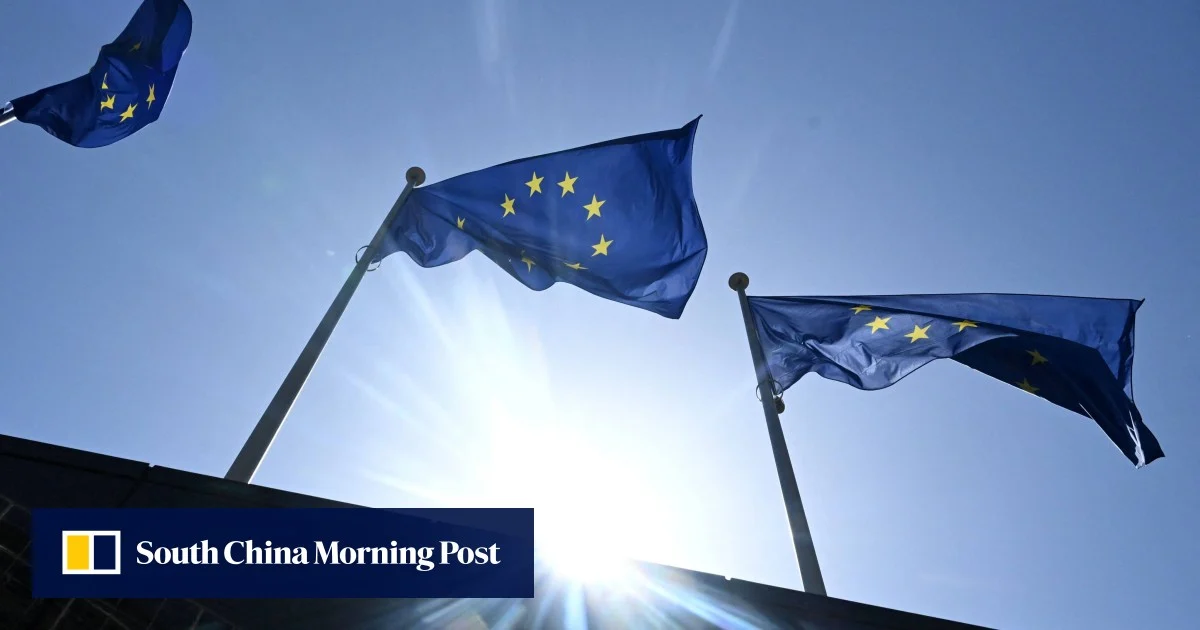
The EU has spent years using bureaucratic, coded language to address China without directly provoking it — often avoiding even naming it. That dynamic has become significantly clear in briefings ahead of the EU leaders’ summit in Brussels on Thursday and Friday (18-19 June).
While trade with China will be one of the main topics on the summit agenda, it has been hidden under the polite euphemism of “the issue of global macroeconomic imbalances” in the Council conclusions (the main outcome of the EU leaders’ debate).
“We all know the imbalances discussion is about China,” one senior EU diplomat said ahead of the summit.
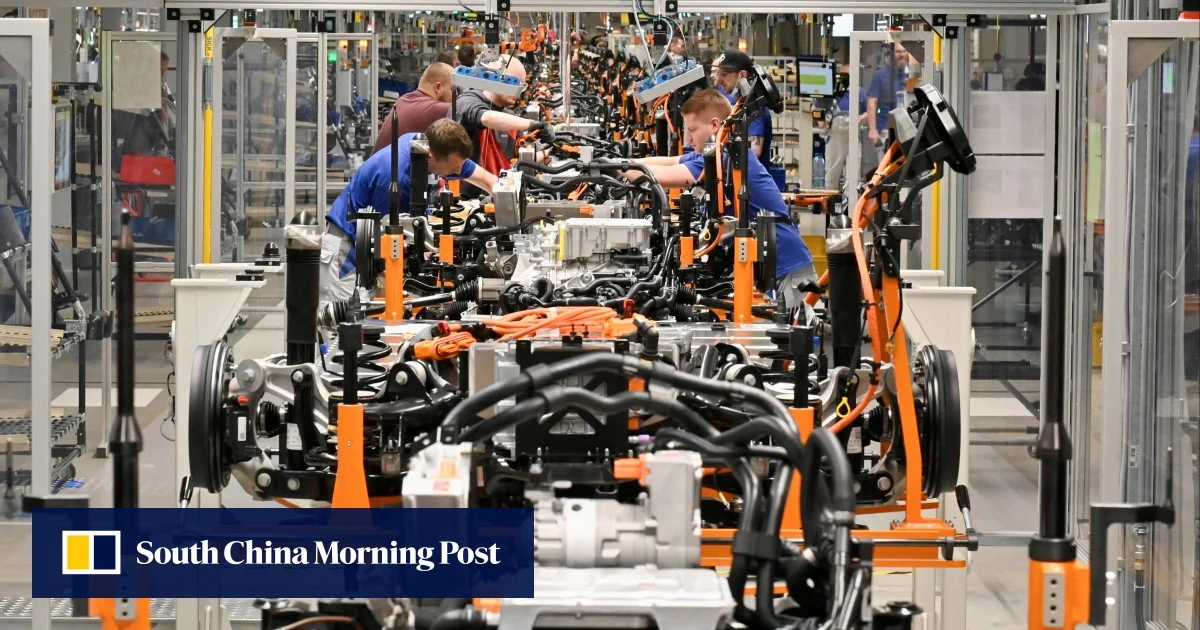
This was also the case in May, when a paper put forward by France, Italy, Spain, the Netherlands and Lithuania, later supported by Poland, avoided mentioning China by name, instead talking about “some of the European Union’s (EU) main trading partners … imposing new trade barriers or contributing to systemic and structural industrial overcapacity.”
The EU has run a trade deficit with China for years. So while everyone agrees there is a major problem, and EU officials say there is an appetite to take action, nobody seems willing to name the issue as such.