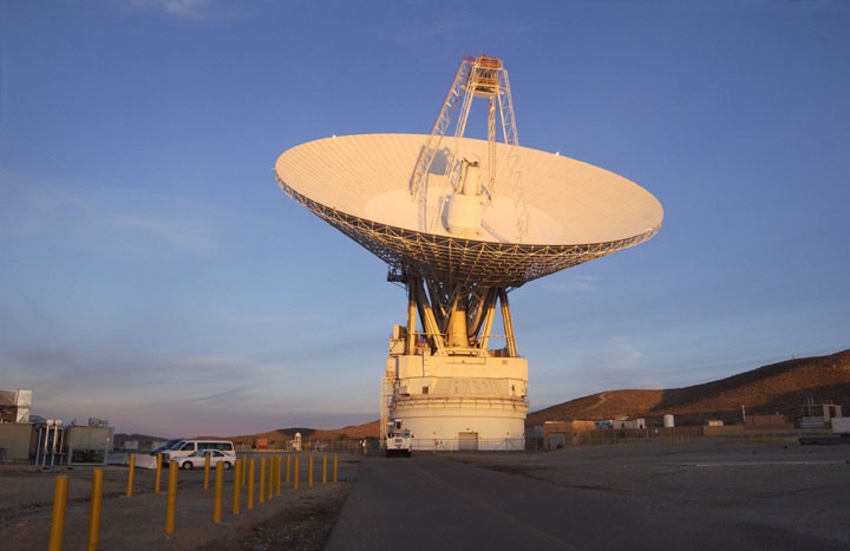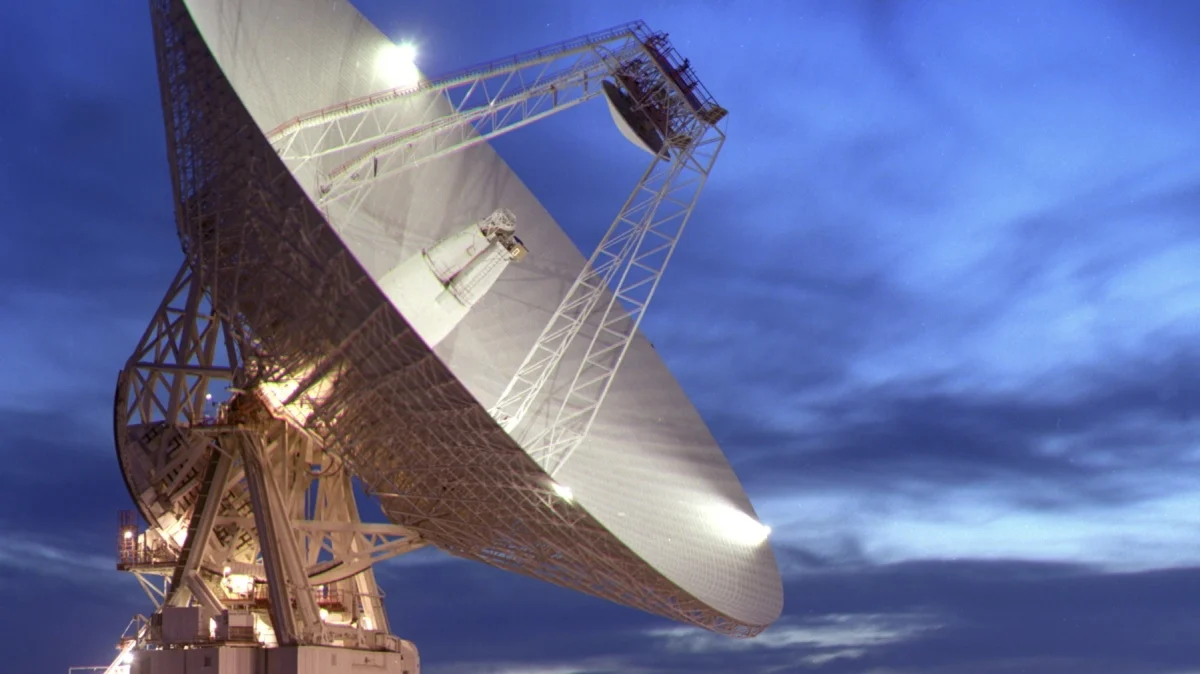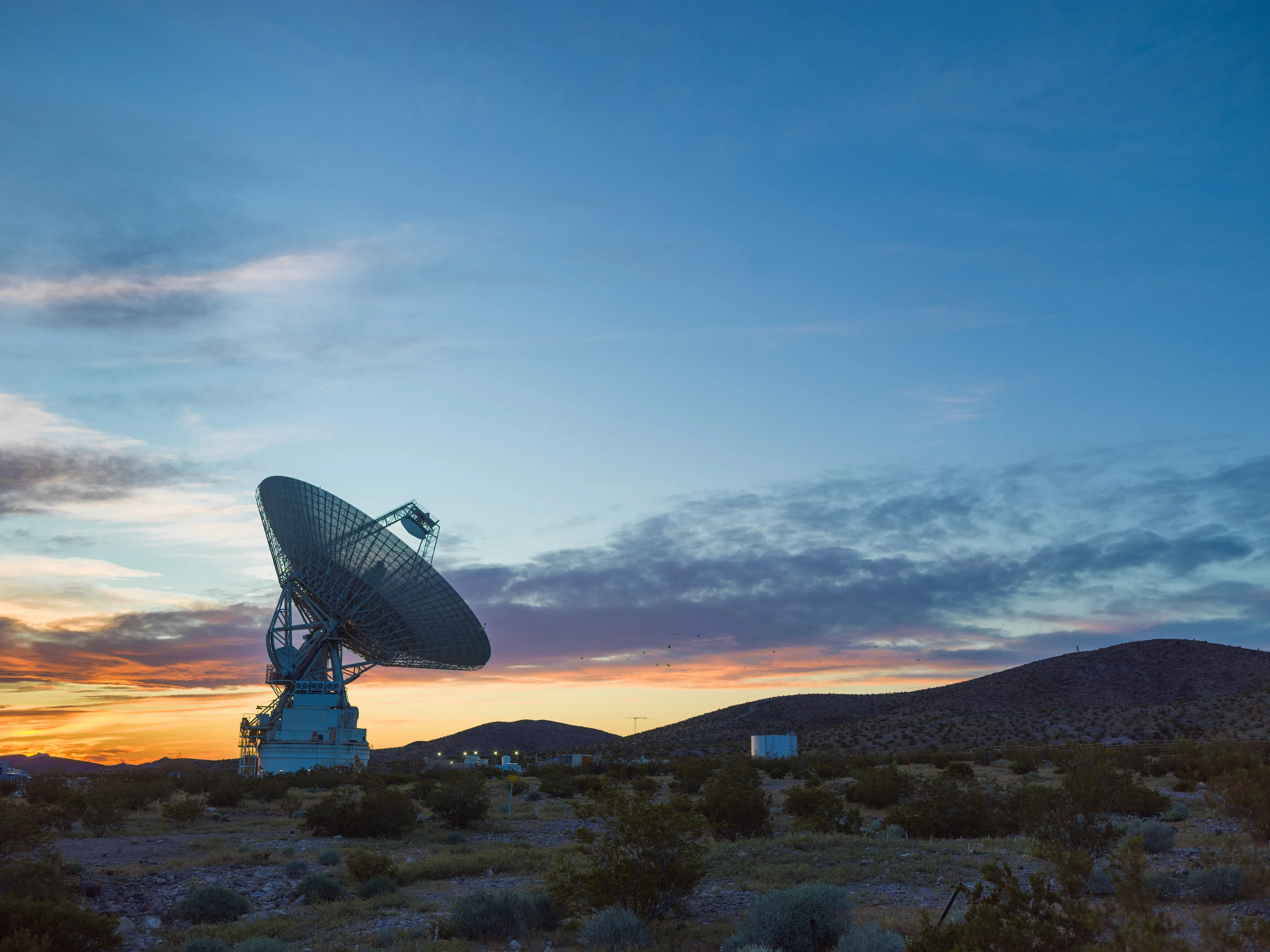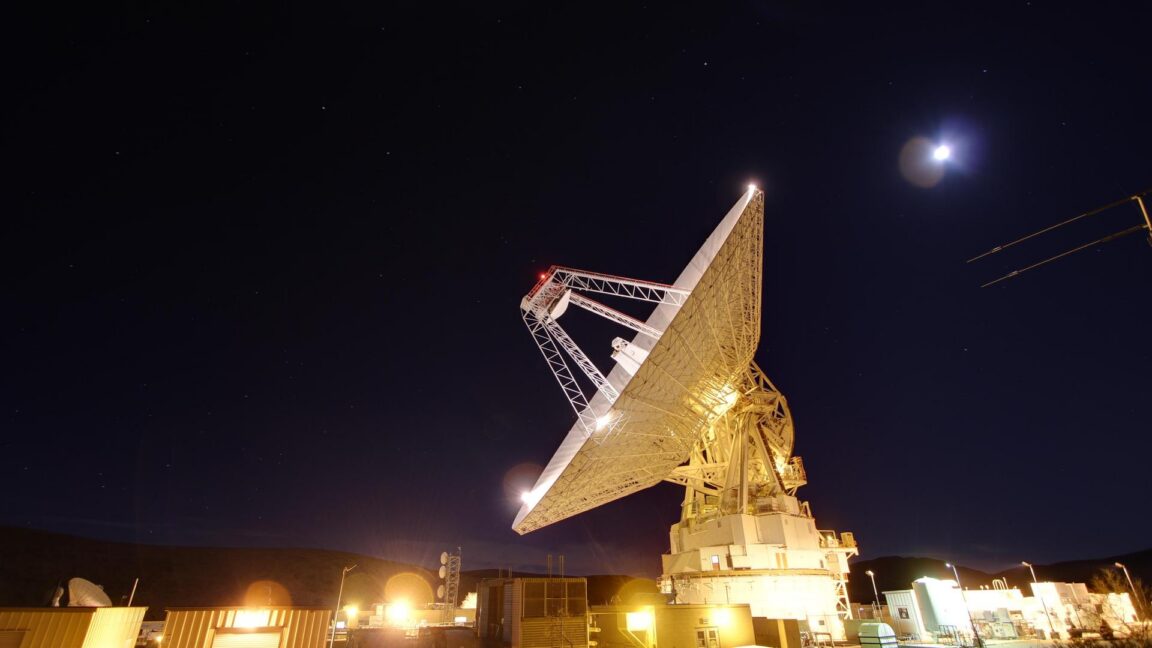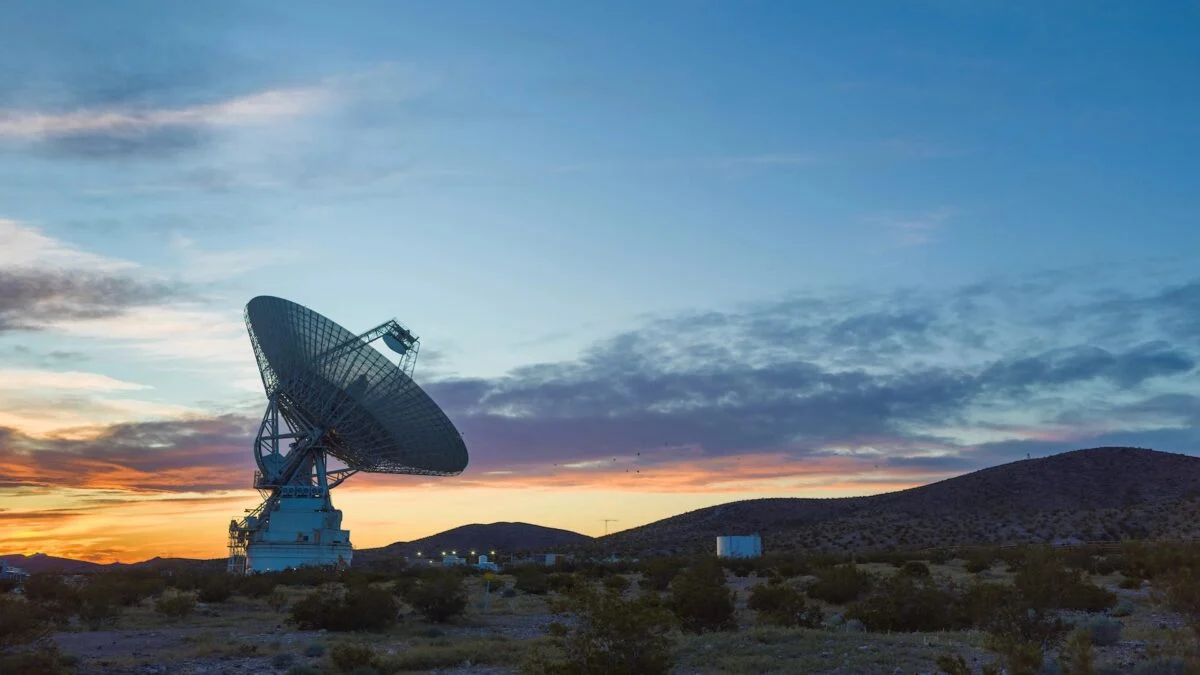
NASA officials wrapped up an investigation into an incident that caused significant damage to one of its largest Deep Space Network (DSN) antennas, finding that operators were stretched beyond their usual roles to keep the facility operating. The Mishap Investigation Board issued its final report on the incident, blaming software weaknesses, human error, and an undocumented failure for the mishap. The 230-foot-wide radio antenna remains offline while NASA gets to work on its repairs, which the agency estimates will cost somewhere between $4.1 and $4.6 million. “We are committed to learning everything we can from this incident, and we’ve already begun putting those lessons into practice,” Kevin Coggins, deputy associate administrator for NASA’s SCaN (Space Communications and Navigation) Program, said in a statement.
Here’s what happened On September 16, 2025, the DSS-14 antenna went dark after over-rotating and subsequently straining the cabling and piping at its center. The hoses from the antenna’s fire suppression system were also damaged, resulting in flooding and water damage.
DSS-14, located at the Goldstone Deep Space Communications Complex near Barstow, California, is crucial for sending commands and receiving data from ongoing missions in deep space. At the time, NASA didn’t share much information on the cause of the mishap, but the recent report reveals new details on the incident. The radio frequency antenna was tracking the Juno mission, an orbiting probe that’s been studying Jupiter for the past decade, when it over-rotated and placed excessive stress on cabling and associated structural supports.