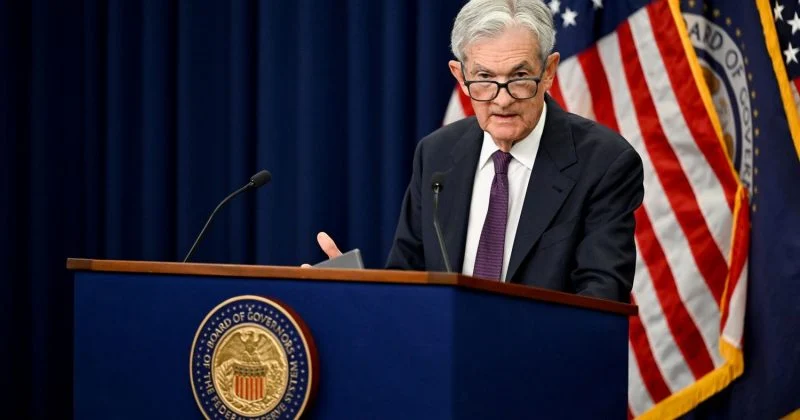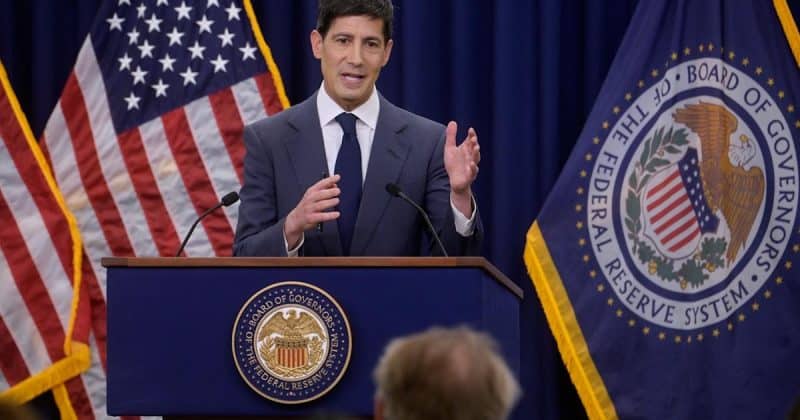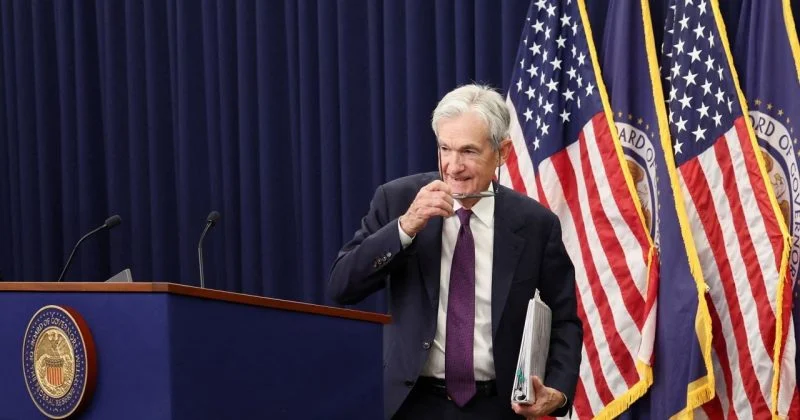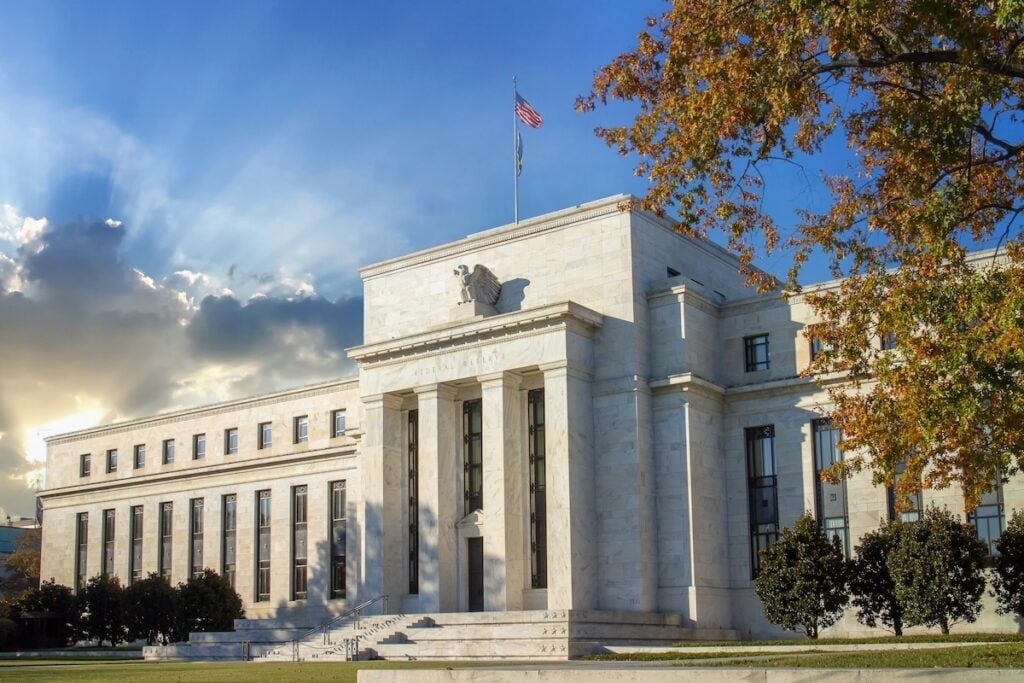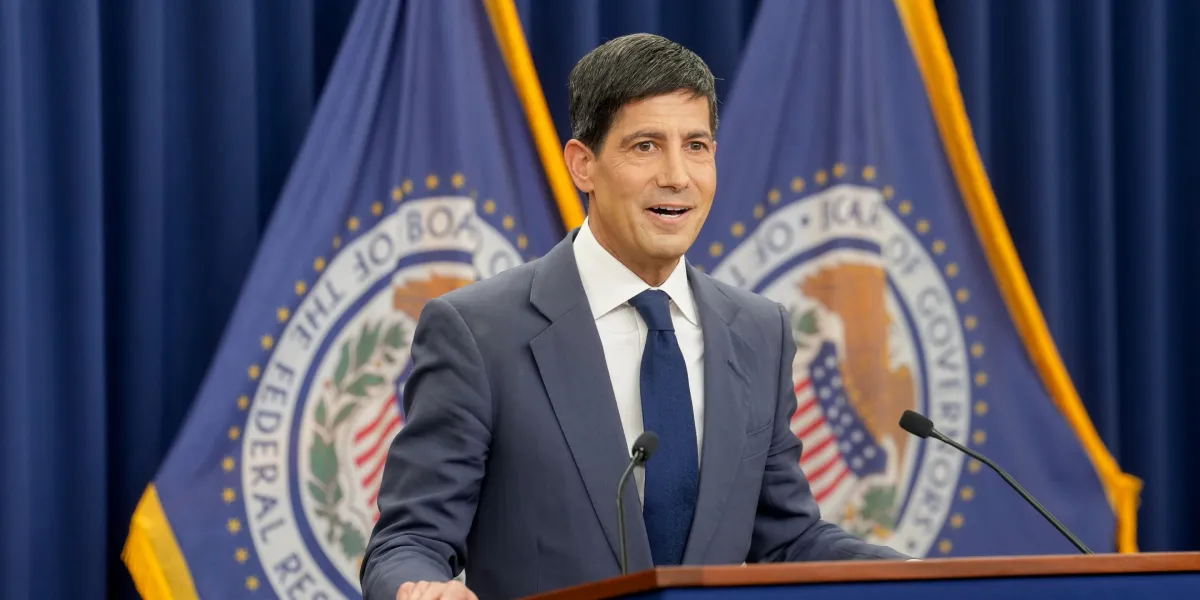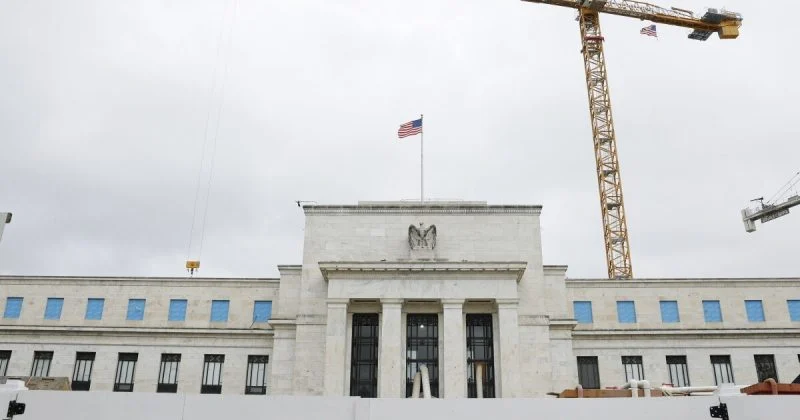
The Federal Reserve opted to hold its benchmark federal funds rate at 3.50%-3.75% following the June 16-17 FOMC meeting, choosing stability over action as inflation continues to run above the central bank’s comfort zone. Markets had priced in this outcome with near-total certainty, putting the probability of a hold at 99-100% heading into the decision.
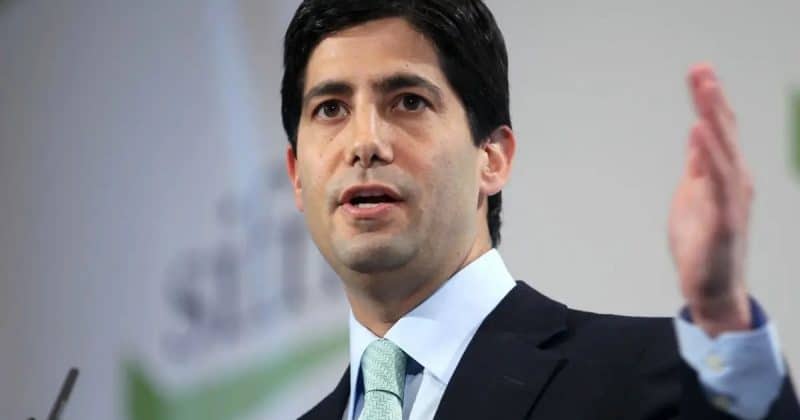
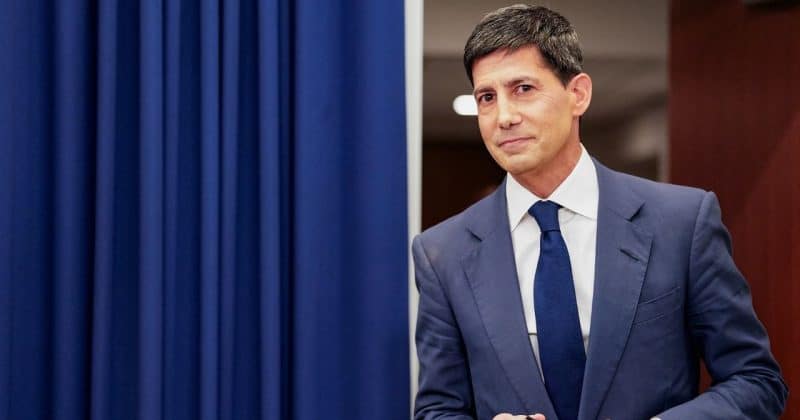
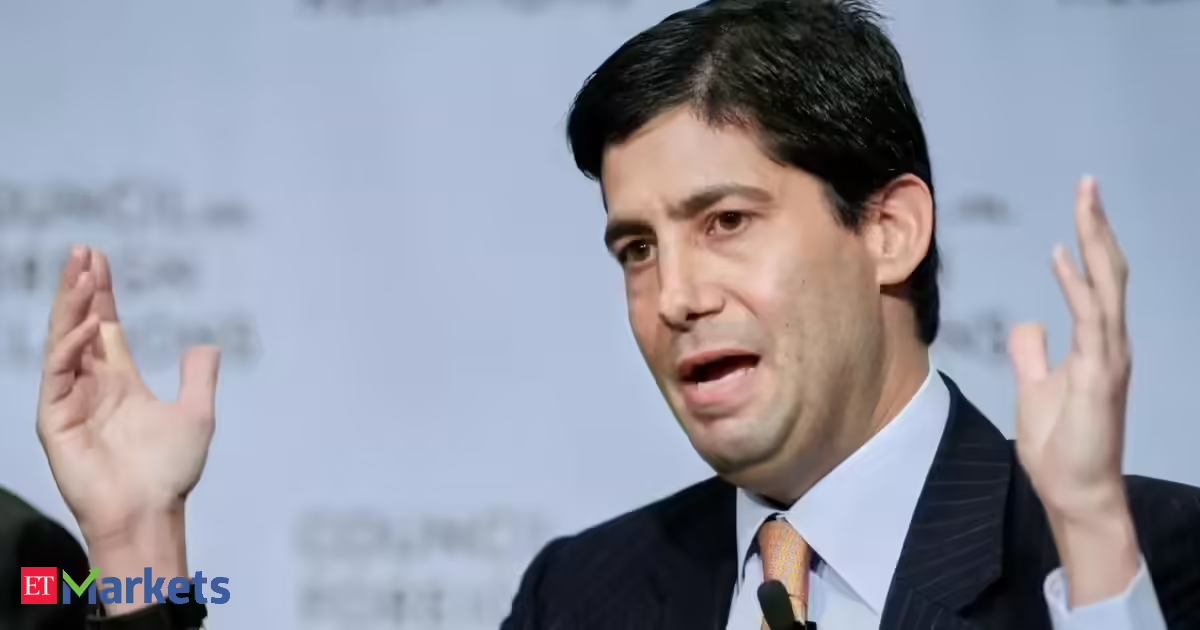
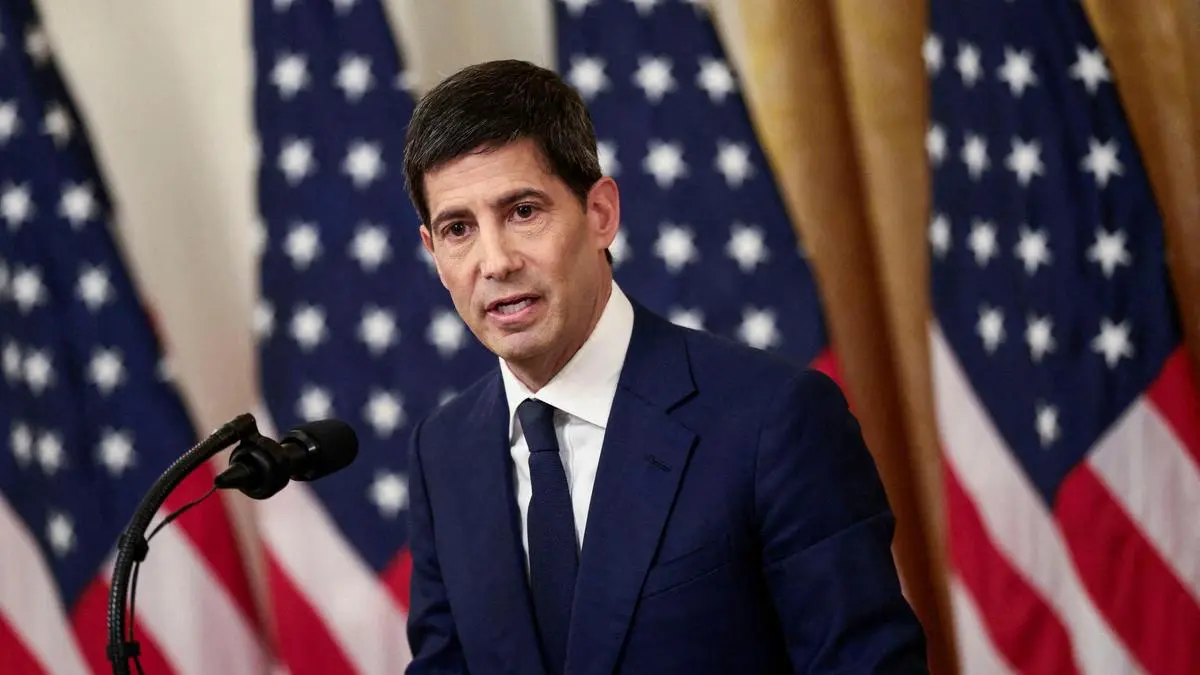
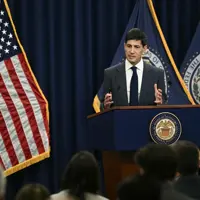
This was the first meeting with Kevin Warsh officially at the helm as Fed Chair. The median GDP growth forecast sits at approximately 2% over the coming years. The unemployment rate projection landed around 4.3%, suggesting a labor market that remains solid but not overheating.
Why the Fed is standing pat
Persistent inflation, fueled in part by elevated oil prices tied to geopolitical tensions, has kept the Fed from easing. At the same time, economic growth hasn’t deteriorated enough to force emergency cuts.
Economists surveyed by Reuters expect this holding pattern to persist through the remainder of 2026. That means limited or no rate cuts for at least the next several months.