READ MORE: Contraceptive pill taken by millions linked to risk of breast cancerSee more Daily Mail on Google - save us as a Preferred SourceBy MARTI STELLING, HEALTH REPORTER Published: 16:59 BST, 17 June 2026 | Updated: 17:02 BST, 17 June 2026
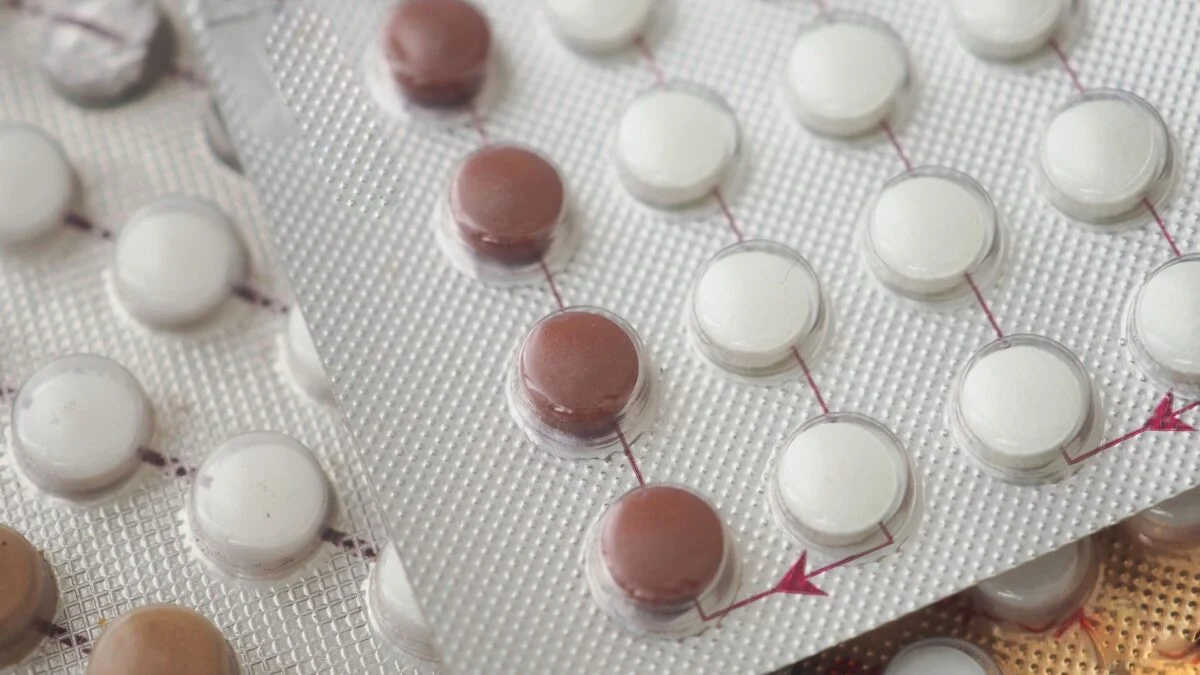
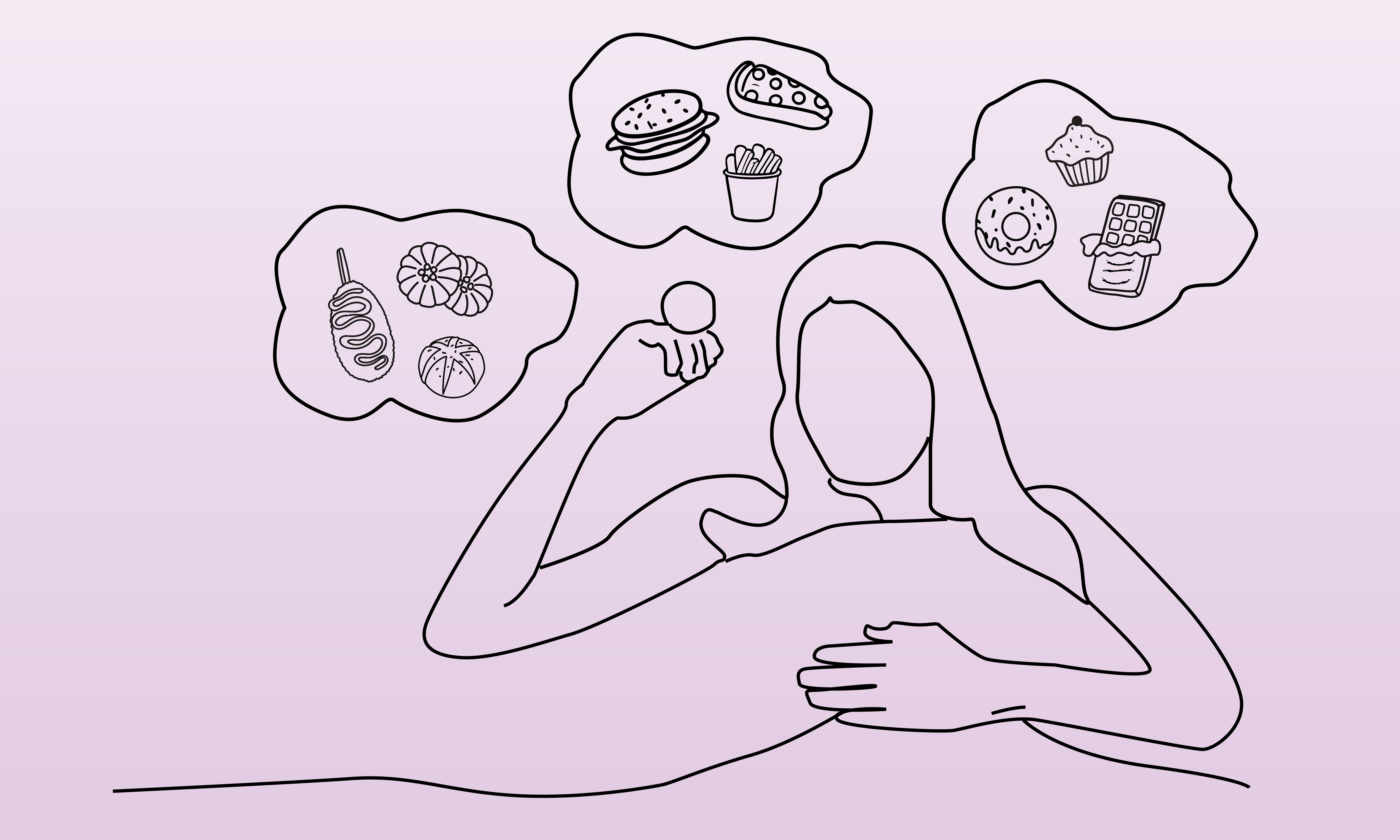
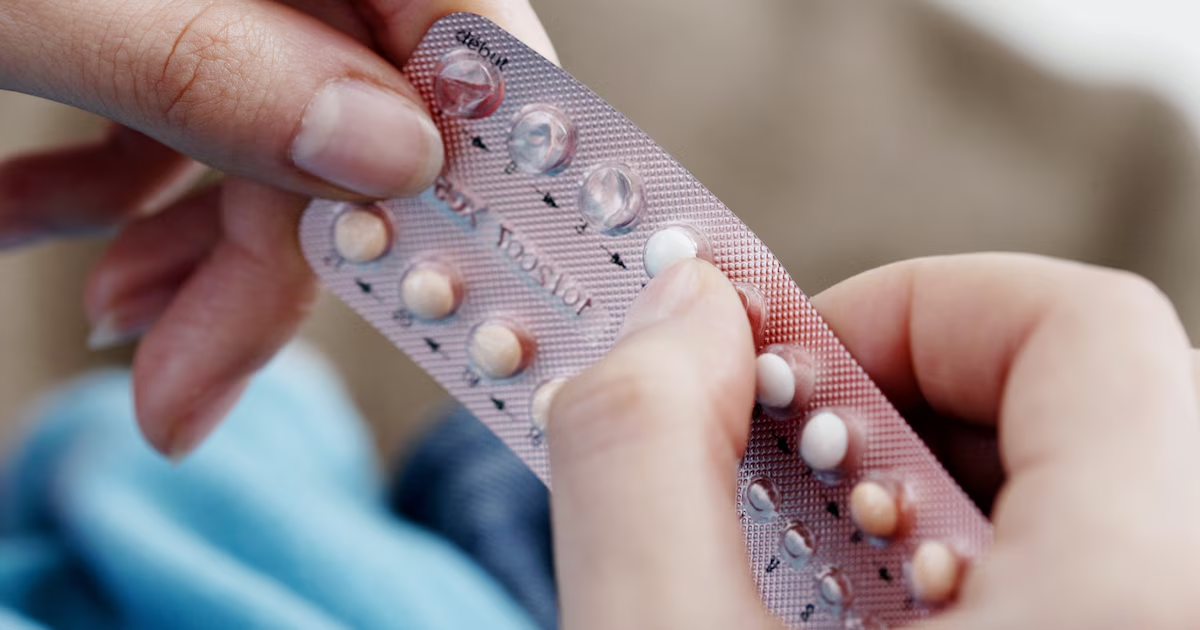
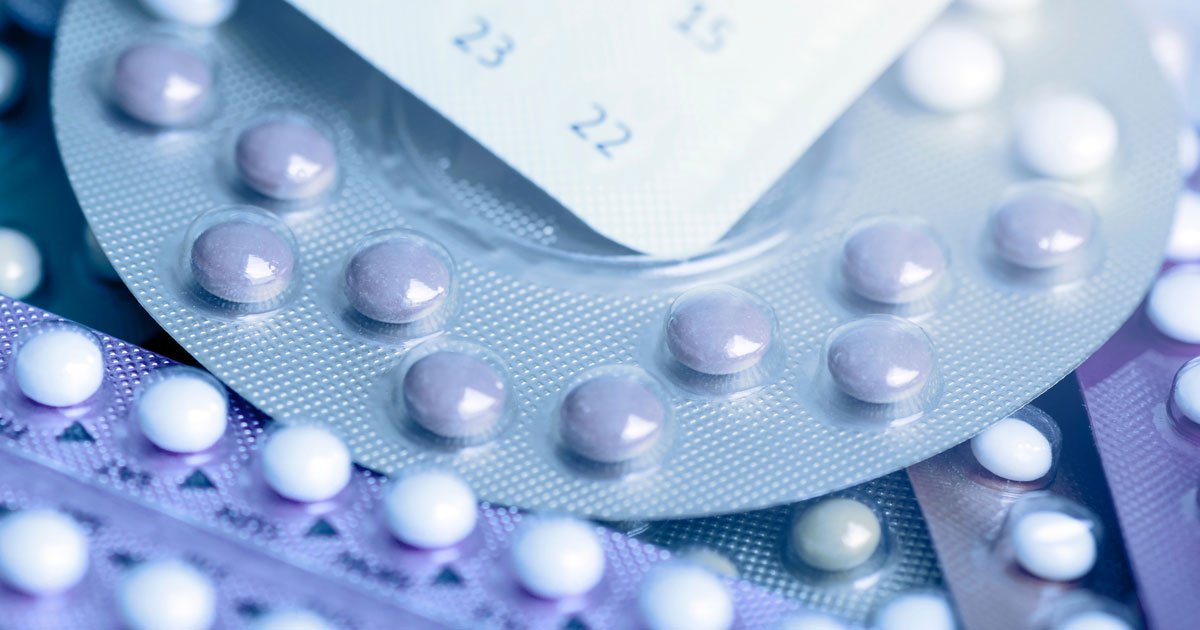
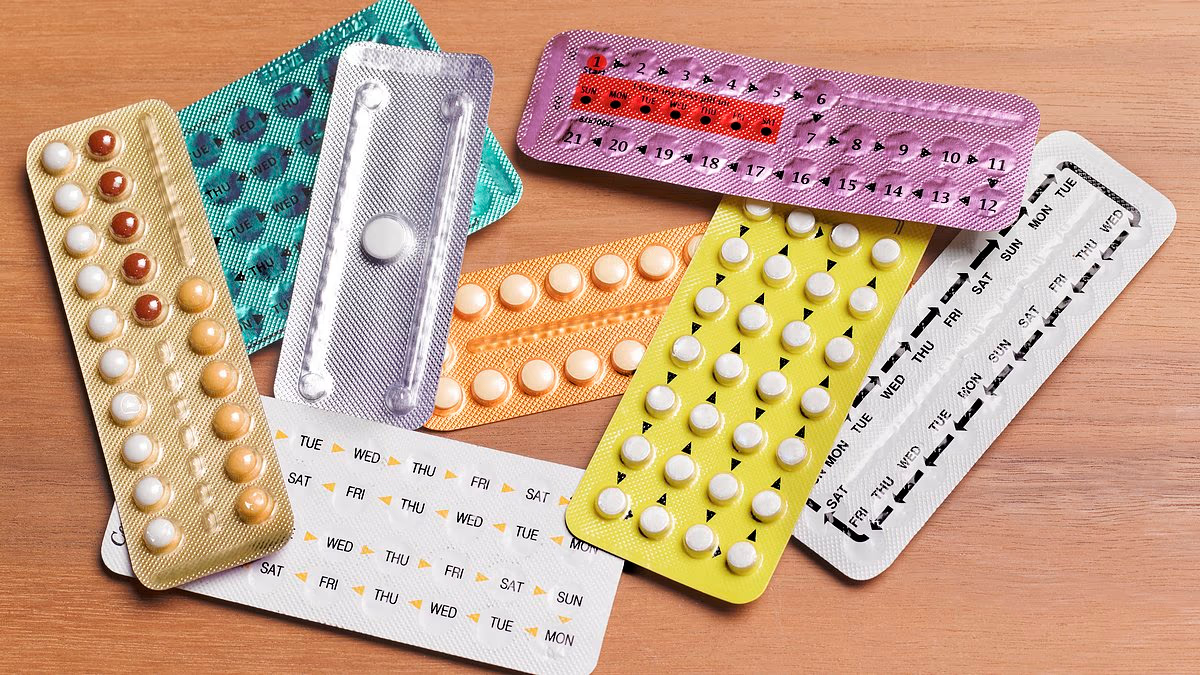
Women who take the combined oral contraceptive pill may be more likely to engage in emotional overeating, according to new research.Studies have long suggested a link between fluctuations in ovarian hormones and changes in food intake - particularly during the luteal phase, when levels of the hormone oestrogen drop and progesterone rise.Now, a study has found that the combined contraceptive pill may increase binge-eating risk in some women.Researchers from the US and Canada, led by Kelly L. Klump from Michigan State University, tracked 422 women using combined oral contraceptives over 49 days.The main outcome measured was emotional eating - defined as the tendency to overeat or binge eat in response to negative emotions - rather than clinically diagnosed binge-eating episodes.The research, published in JAMA Network Open, found that women reported significantly higher levels of emotional eating when taking active hormone pills compared to inactive placebo pills.This increase was observed consistently across two pill cycles, strengthening the reliability of the findings. The effect remained even after accounting for negative affect, such as low mood and stress.Active pills contain both oestrogen and progestin, mimicking the post-ovulation phase of the menstrual cycle - a period previously linked to increased binge eating. A study has found the combined contraceptive pill may increase binge-eating in some womenThe findings suggest that it is the combination of oestrogen and progesterone, rather than either hormone alone, that may be associated with increased eating behaviour.Researchers also saw a slight decrease in emotional eating over time, which may be due to self-monitoring, a process known to help reduce binge-eating behaviours.However, the study has several limitations. Researchers did not directly measure hormone levels in participants, meaning conclusions about hormonal effects are inferred rather than confirmed.As an observational study, it cannot prove that the pill directly causes increased eating behaviour.In addition, synthetic hormones can remain in the body for several hours to days, meaning some inactive pill days may still have residual hormonal effects, potentially reducing the observed differences.The sample was also largely made up of young women, limiting how widely the findings can be applied.The combined pill remains one of the most commonly prescribed forms of contraception in the UK, with more than 3.5 million users. As well as preventing pregnancy, it is frequently used to treat conditions such as heavy periods, endometriosis and acne.Researchers say further work is needed to identify which women may be most affected and whether alternative contraceptive options could reduce the risk. What is the combined pill? The combined contraceptive pill (also called the pill) is a type of hormonal contraception. It contains the hormones oestrogen and progestogen.It prevents pregnancy by stopping the ovaries releasing an egg each month.The combined pill is not suitable for everyone. It’s over 99 per cent effective if you use it correctly all the time. If not used correctly, for example missing a pill, it’s less effective. When you stop taking the pill, your fertility usually returns to previous levels after about a month. The pill can help with acne, heavy or painful periods, PMS (premenstrual syndrome) and endometriosis. Source: NHS