New data from Pew Research Center shows that just 17% of US adults expect artificial intelligence to have a positive impact on society over the next two decades. That’s roughly one in six people looking at the most hyped technology since the internet and saying, “Yeah, this will be fine.”
The contrast with AI insiders is striking. Among AI experts, 56% believe the technology will be a net positive for society. In other words, the people building the thing are more than three times as optimistic as the people who’ll have to live with it.
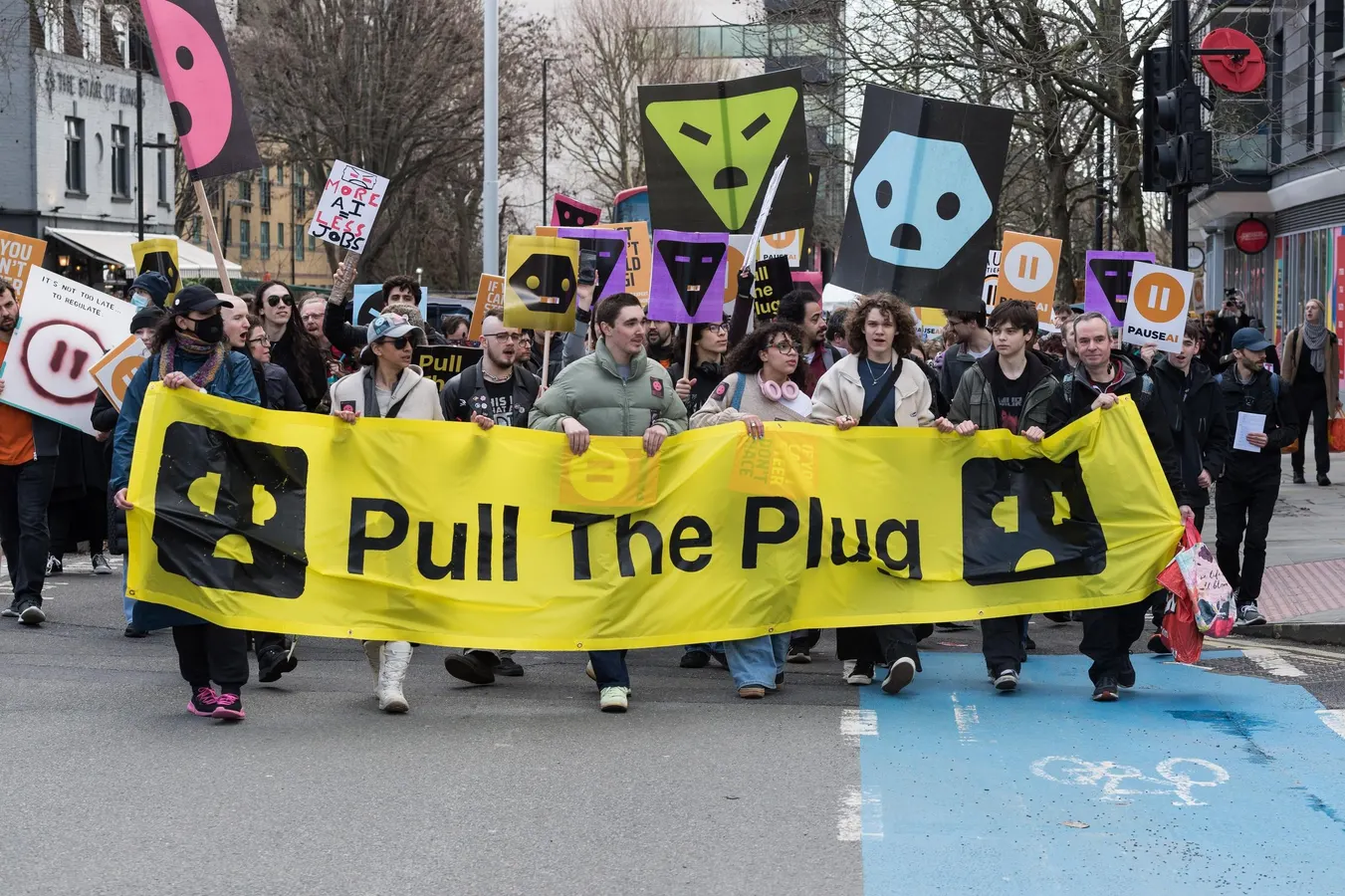
A June 2025 Pew survey found that 50% of US adults feel more concerned than excited about AI’s integration into daily life. That number sat at 37% back in 2021. A 13-percentage-point jump in four years, during a period when AI tools went from niche curiosities to mainstream products, suggests that greater exposure to AI hasn’t exactly won people over.
The skepticism isn’t uniform across applications, though. Medical care is the one area where Americans see genuine promise: 44% hold a positive view of AI in healthcare, compared to just 19% who view it negatively. Only 24% of the public feels optimistic about AI’s impact on education. And just 23% believe AI will positively affect jobs.