OpenAI’s GPT-5.4, launched on March 5, 2026, is now being deployed in medicinal chemistry labs to improve the yields of Chan-Lam coupling reactions.
Chan-Lam coupling is a workhorse reaction in pharmaceutical synthesis, used to form carbon-nitrogen bonds from arylboronic acids under relatively gentle conditions. The technique, established in 1998 by chemists Dominic Chan and Patrick Lam, is critical for building the molecular scaffolds that end up in actual medicines. The problem is that it can be maddeningly inconsistent, plagued by substrate limitations and a tendency toward over-arylation.
What GPT-5.4 actually does here
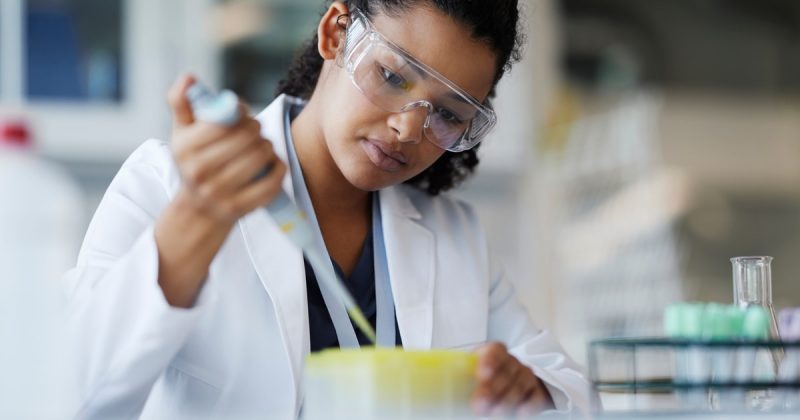
GPT-5.4 was designed to enhance professional and scientific workflows, and in at least one medicinal chemistry project, it’s been used to design and validate improved Chan-Lam coupling conditions. The AI suggests reaction parameters, and human chemists test them in the lab, creating a feedback loop that narrows in on optimal conditions faster than traditional trial-and-error.
The model operates with what’s described as a combination of AI-generated suggestions and human oversight.