Story audio is generated using AI
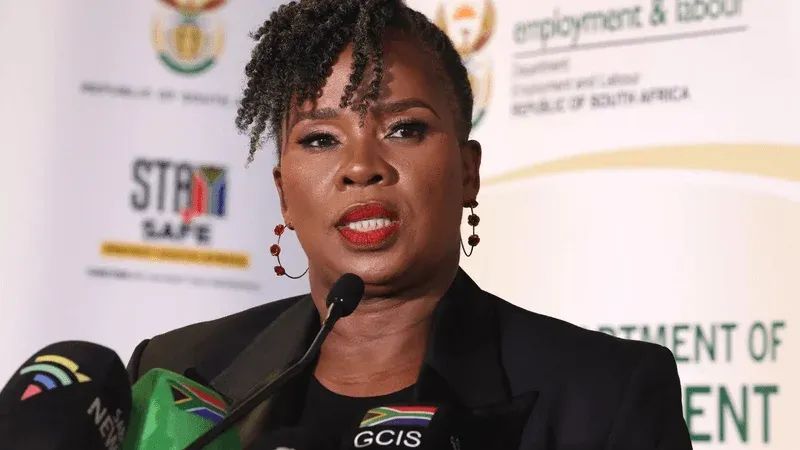
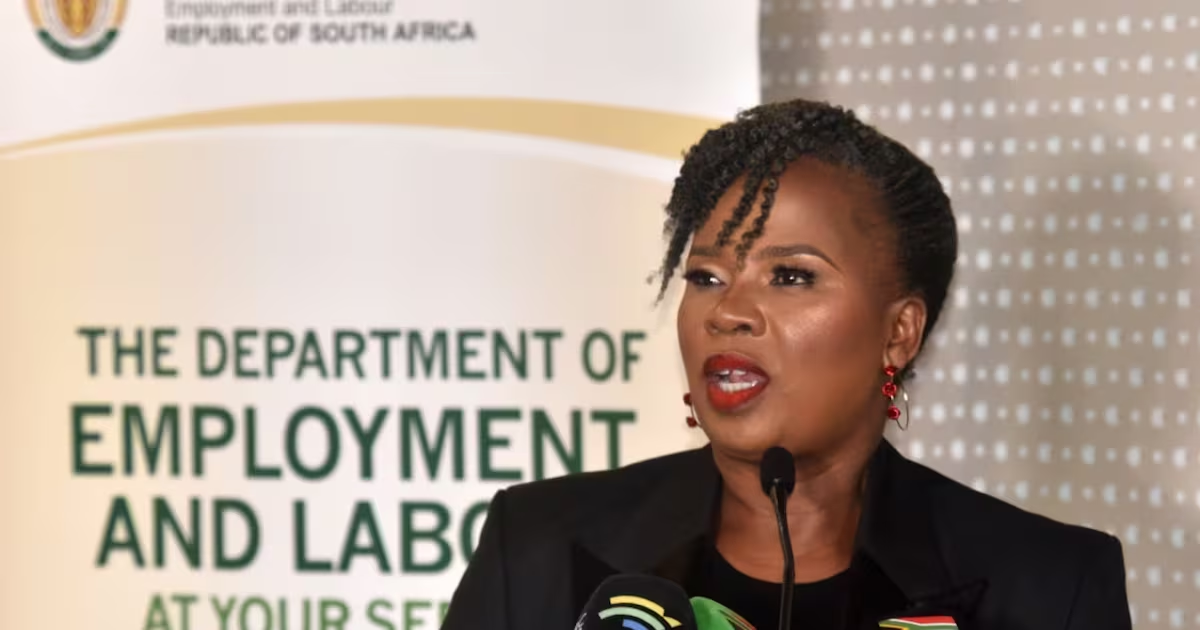
South Africa is in pole position to influence a reform agenda and the election of the director-general of the International Labour Organisation (ILO) after employment & labour minister Nomakhosazana Meth was elected as vice-chair of the ILO’s government group. The ILO governing body serves as the executive council of the ILO, a UN global labour agency, and is the supreme decision-making body of the ILO outside the International Labour Conference. It is responsible for shaping labour policies, setting agendas, adopting the programme and budget, and electing the director-general. Meth’s election on Friday last week was supported by all 187 ILO member states. It comes four years after South African businessperson Mthunzi Mdwaba lost the race to become the first African to lead the ILO to Gilbert Houngbo, former prime minister of Togo, who was elected for a five-year term in 2022. Mdwaba’s bid to lead the agency suffered a blow after the cabinet initially endorsed and approved R8m towards his campaign but withdrew support before a cent could be spent on it, without providing reasons. On Wednesday, Meth’s spokesperson Thobeka Magcai said the position on the governing body, particularly as vice-chair of a major group, “carries significant influence over global labour standards and social justice policies affecting millions of workers worldwide”. “For South Africa, this means the country is now a chief architect of the ILO’s survival and evolution. Our influence over the reform agenda, the director-general selection, and the reshaping of governing structures directly positions South Africa to protect multilateralism, social justice and the interests of the Global South,” she said. The position places Meth at the epicentre of the ILO’s most pressing governance challenges, Magcai said. She said based on the most recent governing body sittings, primary functions will include helping to forge government consensus on a number of critical fronts: The reform process and financial realities: “The ILO is undergoing a structural reform to secure its ‘medium- to long-term efficacy’ amid ‘evolving financial and budgetary challenges’. As vice-chair, the minister must lead government consultations to balance efficiency measures with preserving the ILO’s core mandate, ensuring reforms don’t undermine technical programmes critical to developing economies. This requires mediating between member states’ competing demands for budget discipline and programme preservation.” The director-general election: “The election of the next ILO director-general will take place in November. This is a high-stakes political process where the government group’s common position is vital. The minister will be engaged in the facilitation of consultations to ensure transparency and to help member states reach consensus on the candidate best positioned to navigate the ILO’s future.” Government group unity and consensus-building: “The government group’s traditional role is to seek convergence on certain issues and arbitrate between regional subgroups. During the last sittings, the group navigated contentious issues such as the right to strike dispute and the Global Coalition for Social Justice. As vice-chair, the minister will lead these consensus-building efforts, ensuring divergent national interests coalesce into coherent government positions. “This historic endorsement reflects trust and international confidence in the leadership of the minister and South Africa on global labour matters. What this means is that the international community has confidence in the minister’s personal leadership qualities to lead member states in discussions on advancing ground-breaking international conventions such as decent work in the platform economy, among others,” Magcai said.