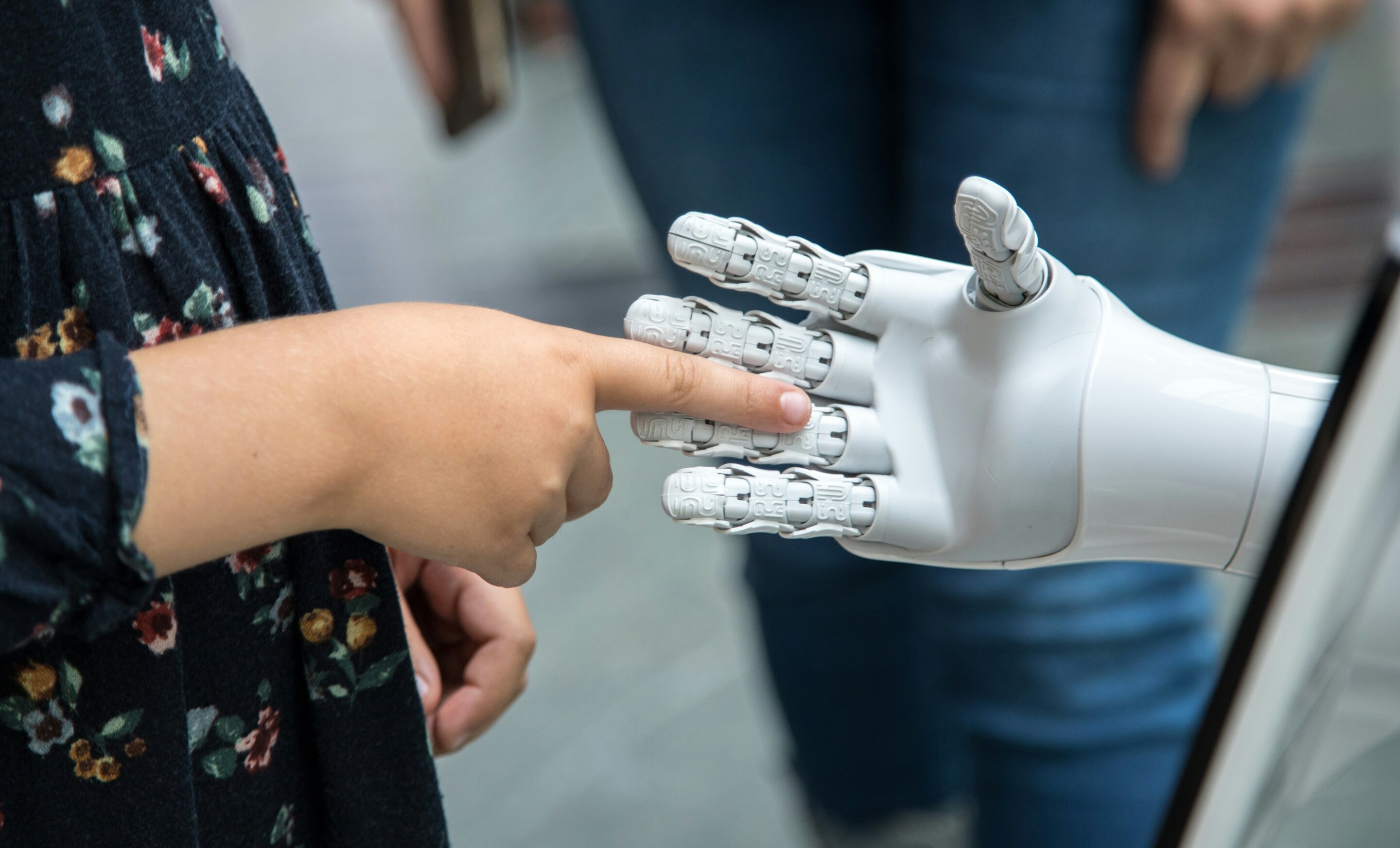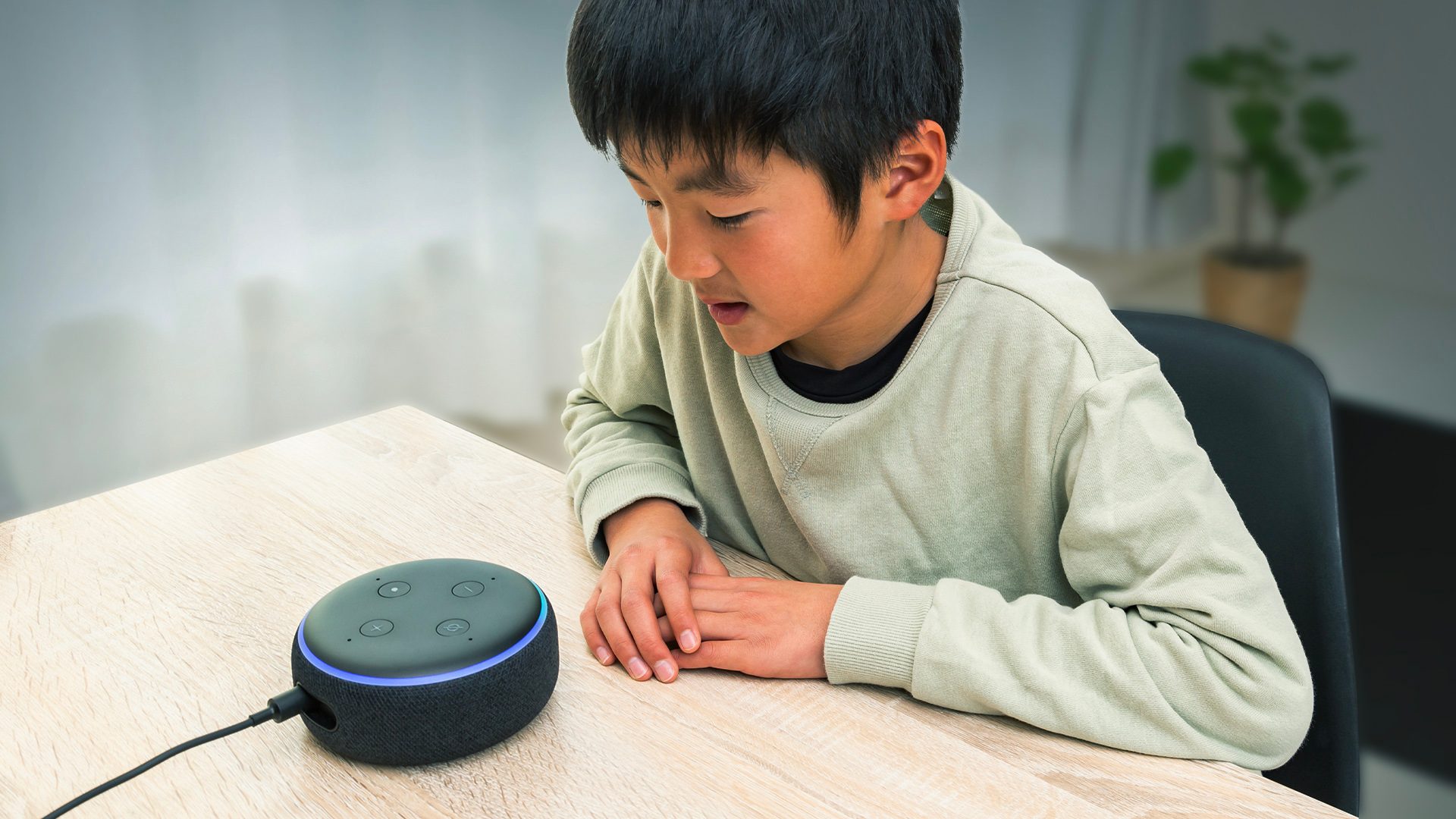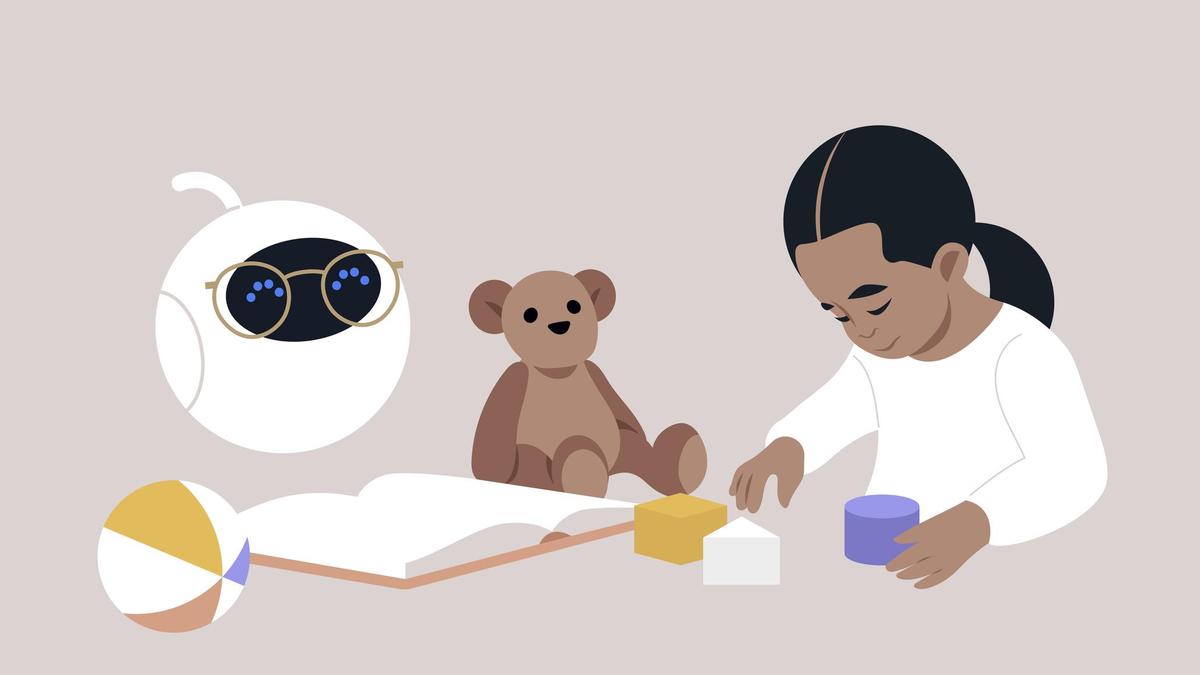
Children are innately curious, and throughout any given day they come up with all manner of questions: Why don’t fish have hair? Why do flowers wilt so quickly? Their need to understand the world – and develop their language skills and ideas – makes them tireless conversationalists.
While their inquiries would usually be directed at parents or teachers, in modern homes even the youngest kids might now talk to a digital interface like Siri or Alexa. These AI systems are fast becoming part of many children’s everyday lives, as kids ask them to play music, help with their homework, answer questions, or just chat to them.
These kinds of interactions are no longer strange, but we need to ask what happens when they become completely routine. Do they change the way children learn to communicate? Do they change the words they use? And are they a threat to kids’ cognitive abilities?
Language learning
Learning to speak has never been a question of just learning words. Children acquire language through human relationships, and by building emotional ties to other people. They learn to take turns, how to interpret silence and context, and how to tell when someone is tired, annoyed or distracted. They also discover that conversations do not need to be perfect – there will always be interruptions, misunderstandings, and off-the-cuff explanations.