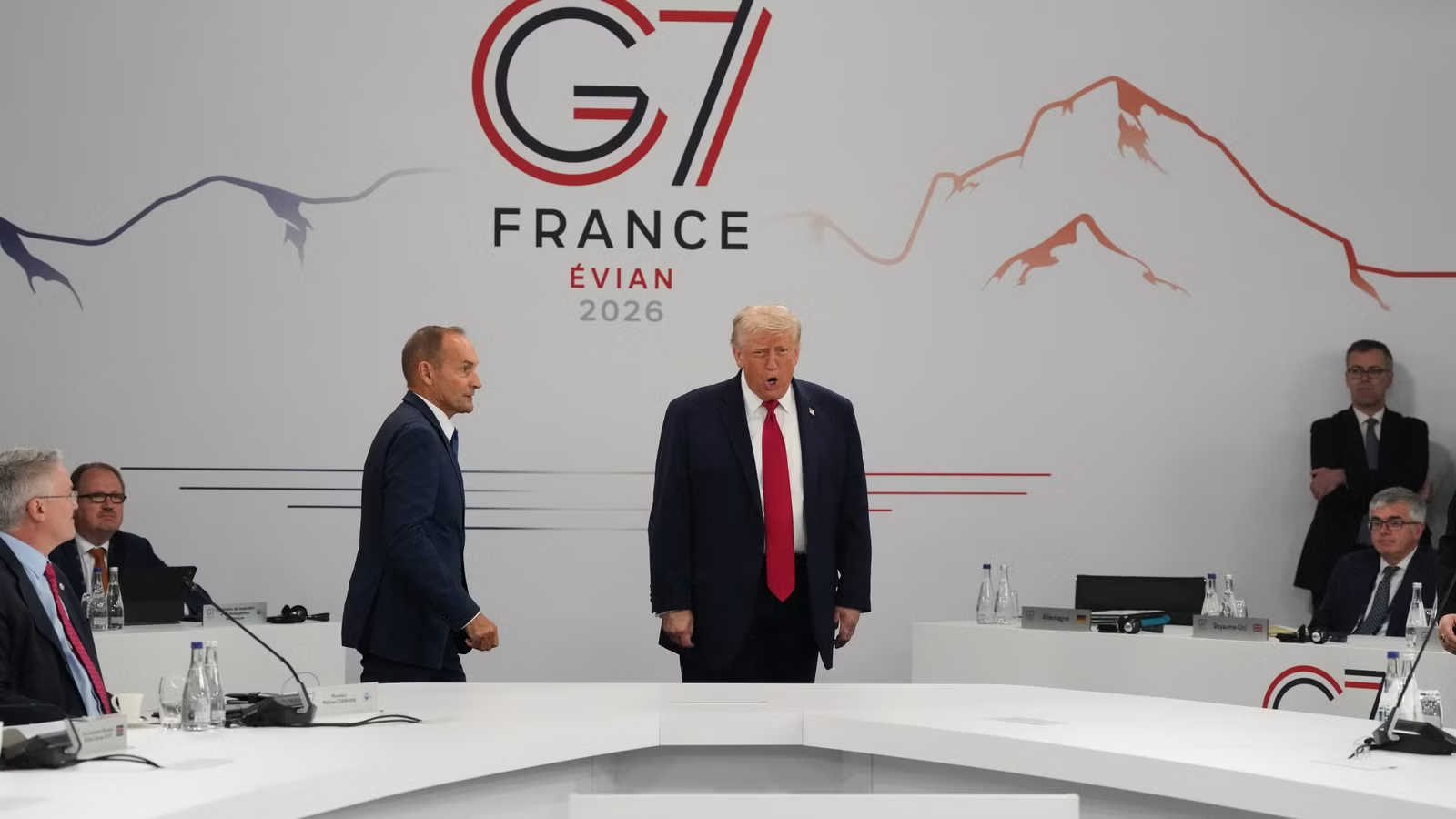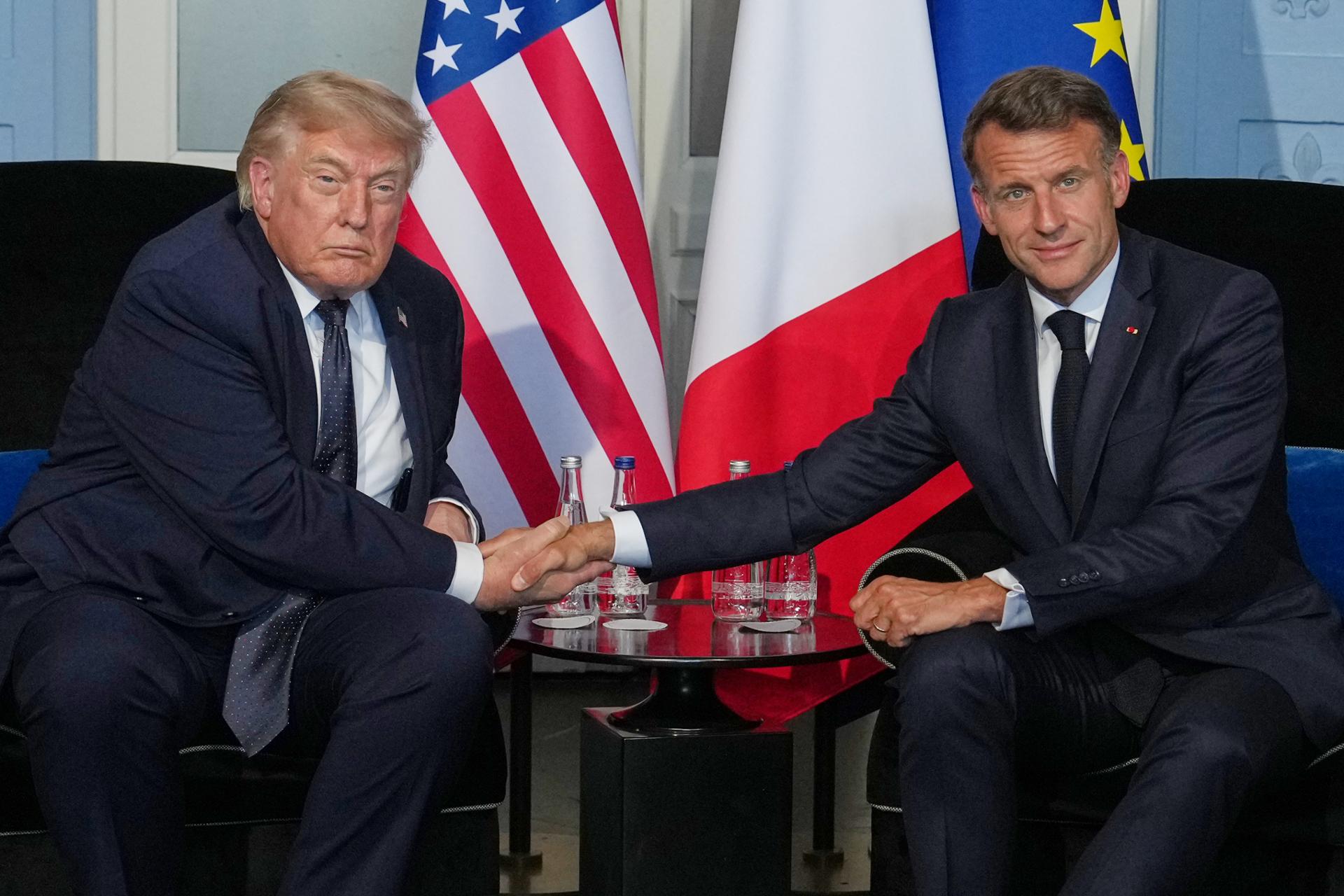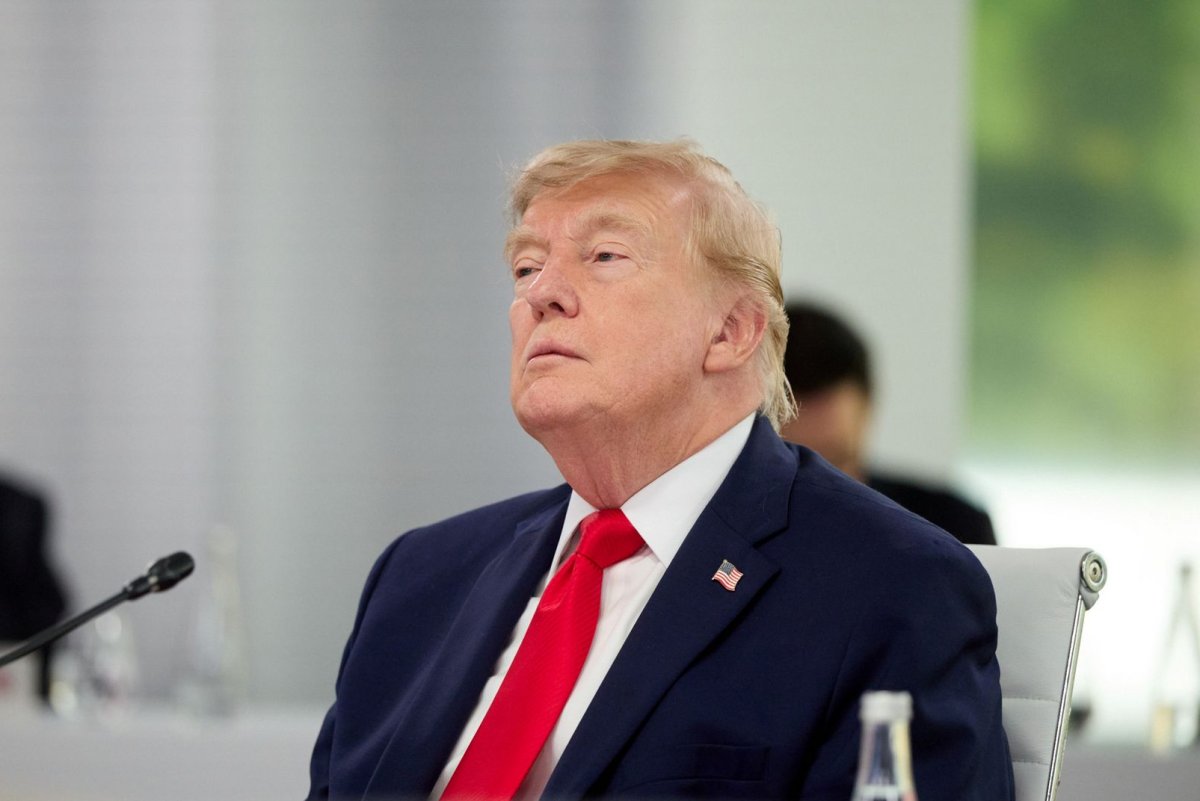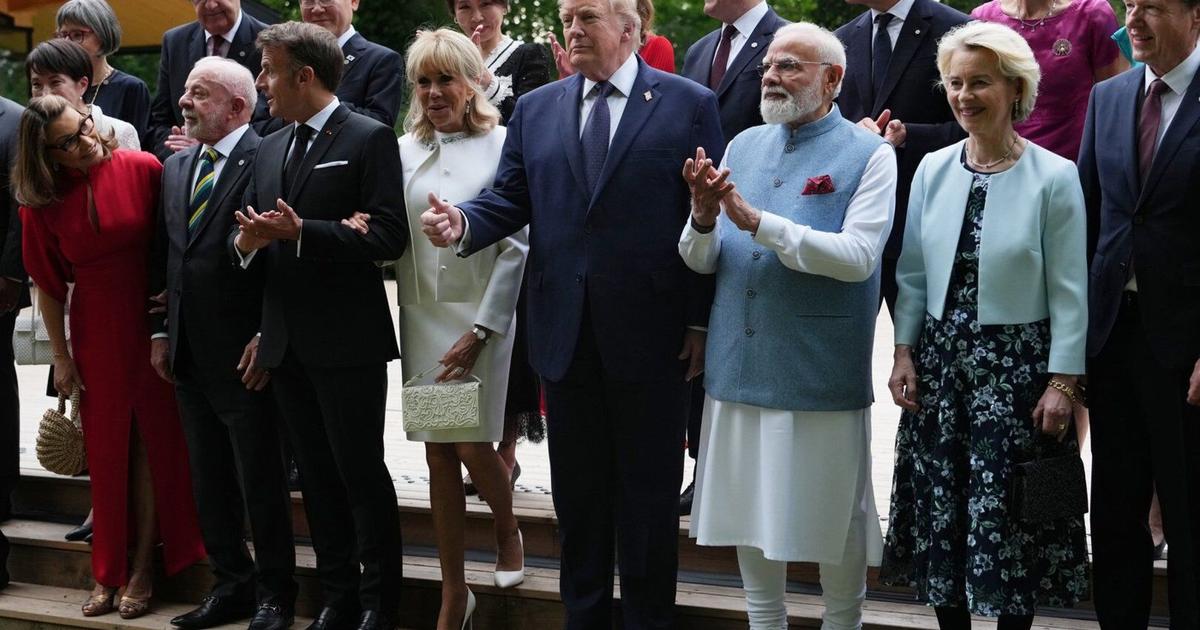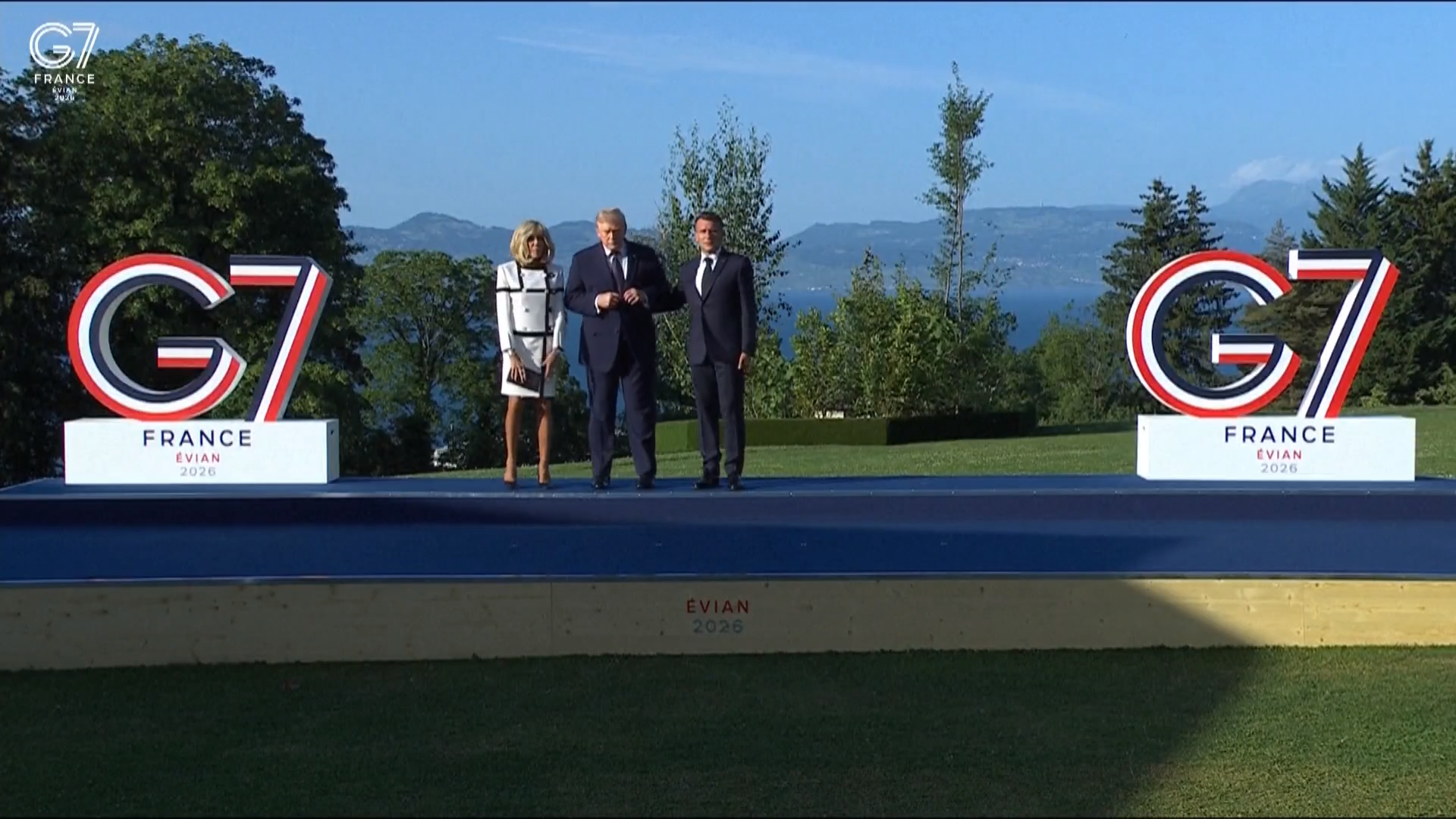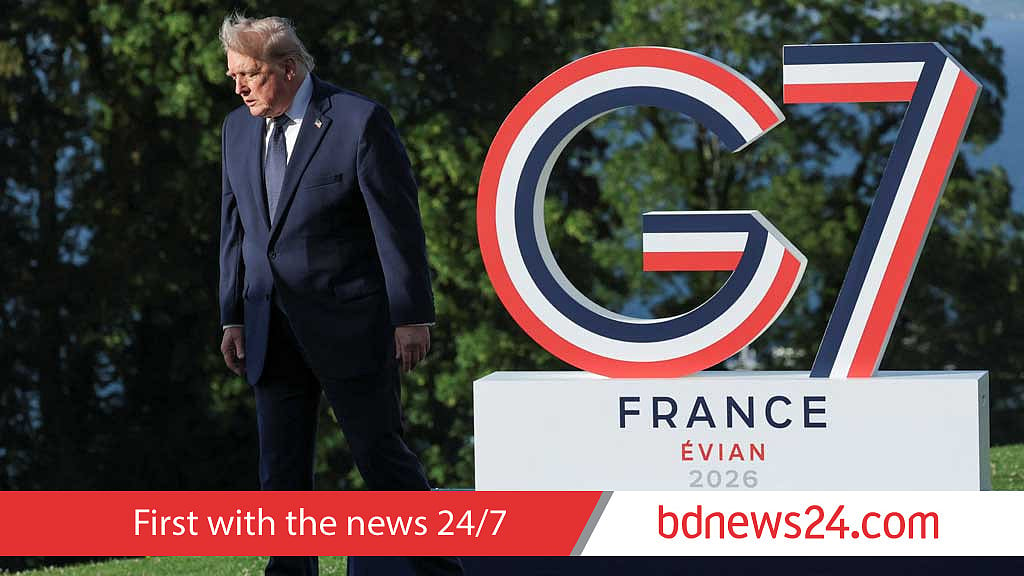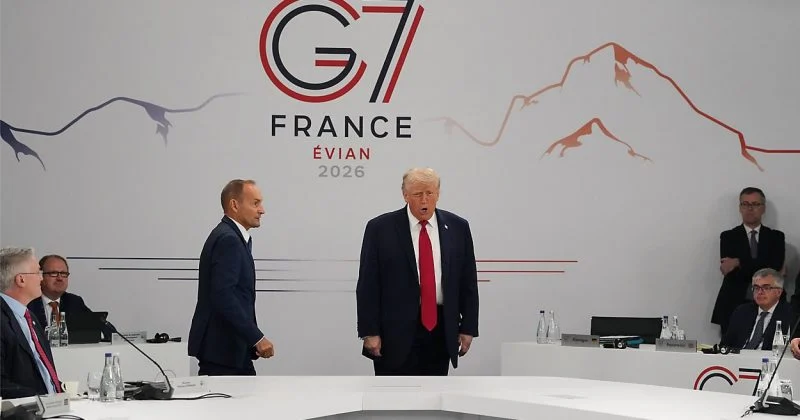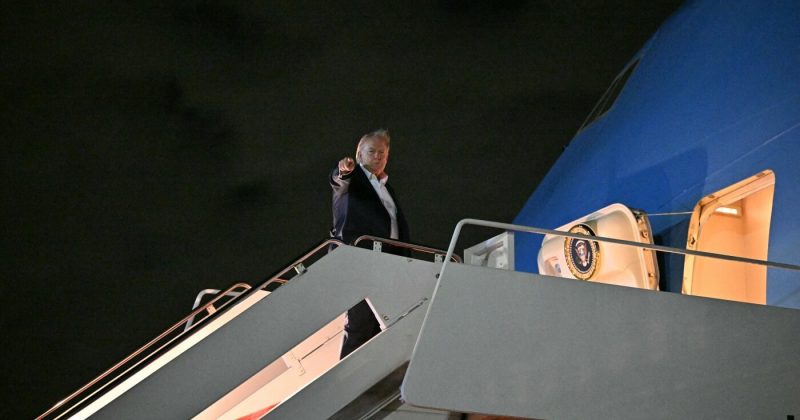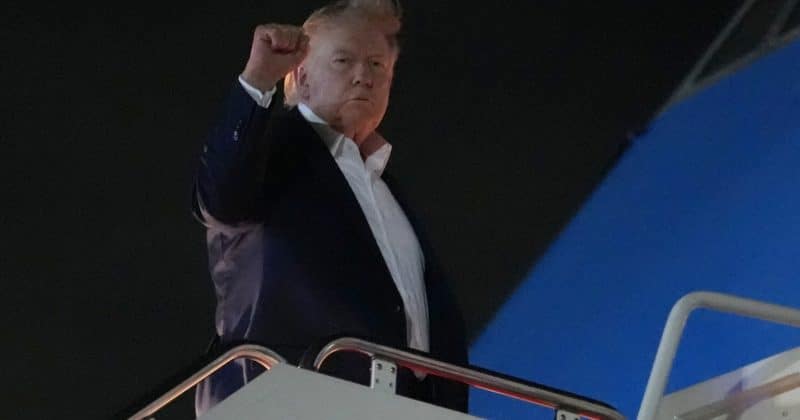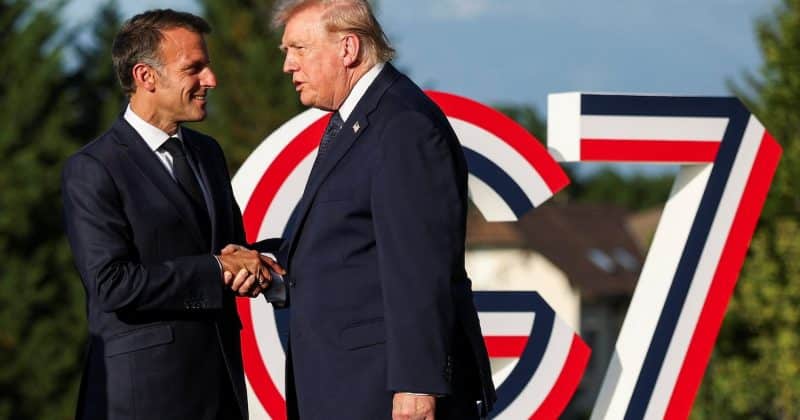
Donald Trump used the G7 summit stage to pitch a tentative deal with Iran, arguing the agreement was necessary to prevent what he described as an economic catastrophe. The defense came during the G7 gathering in Evian-les-Bains, France, held June 15 to 17, 2026, where the Iran question overshadowed other agenda items.
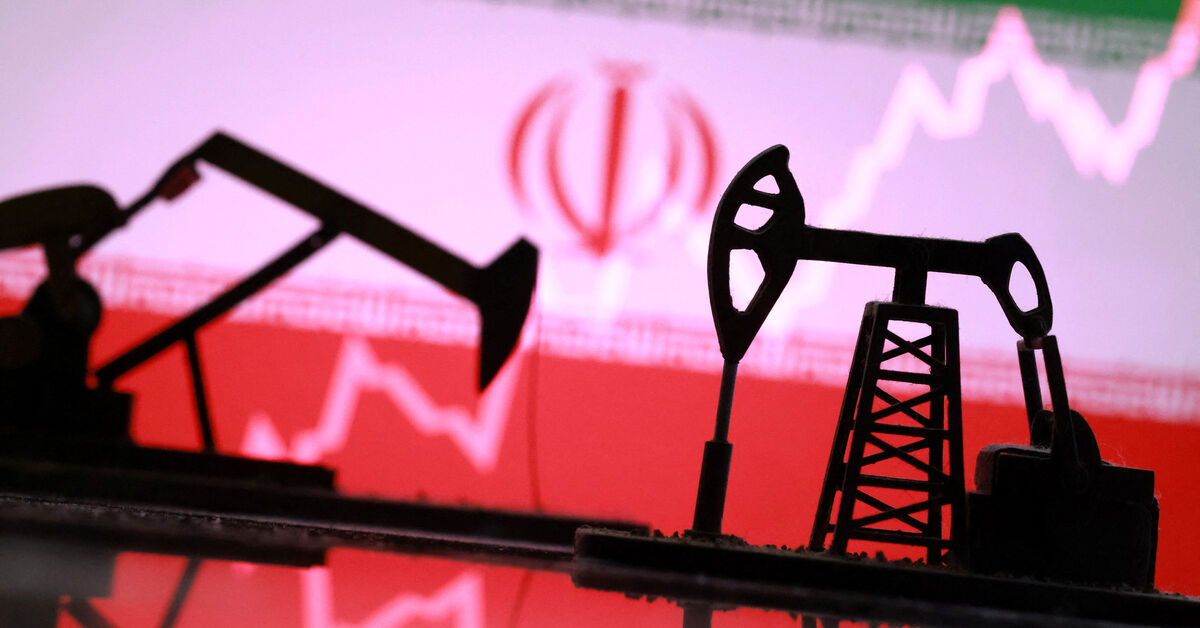
The arrangement, classified as a memorandum of understanding rather than a binding treaty, is expected to be formally signed in Switzerland on June 20, 2026. If it holds, Iran could resume oil exports upon signing, a development with enormous implications for global energy pricing.
What the deal actually involves
The memorandum builds on a ceasefire that has been in place since April 2026, stretching it by an additional 60 days. The deal is designed to end the active US-Iran conflict, which had been running for approximately 15 weeks before the April ceasefire, guarantee free shipping through the Strait of Hormuz, and open the door for Iran to re-enter global oil markets.
Trump characterized the market response as already validating his approach, pointing to falling oil prices as evidence that investors see the agreement as credible.