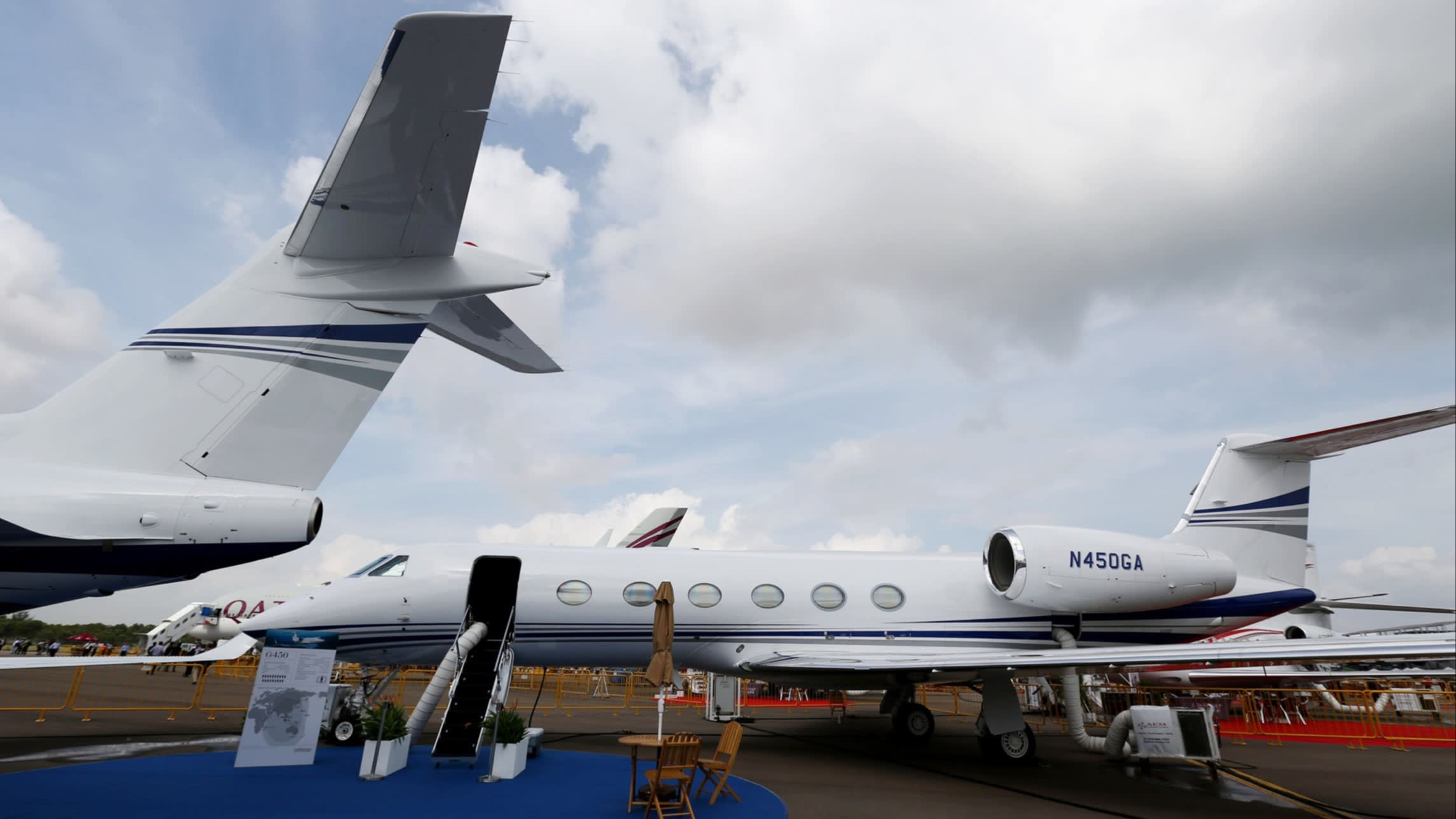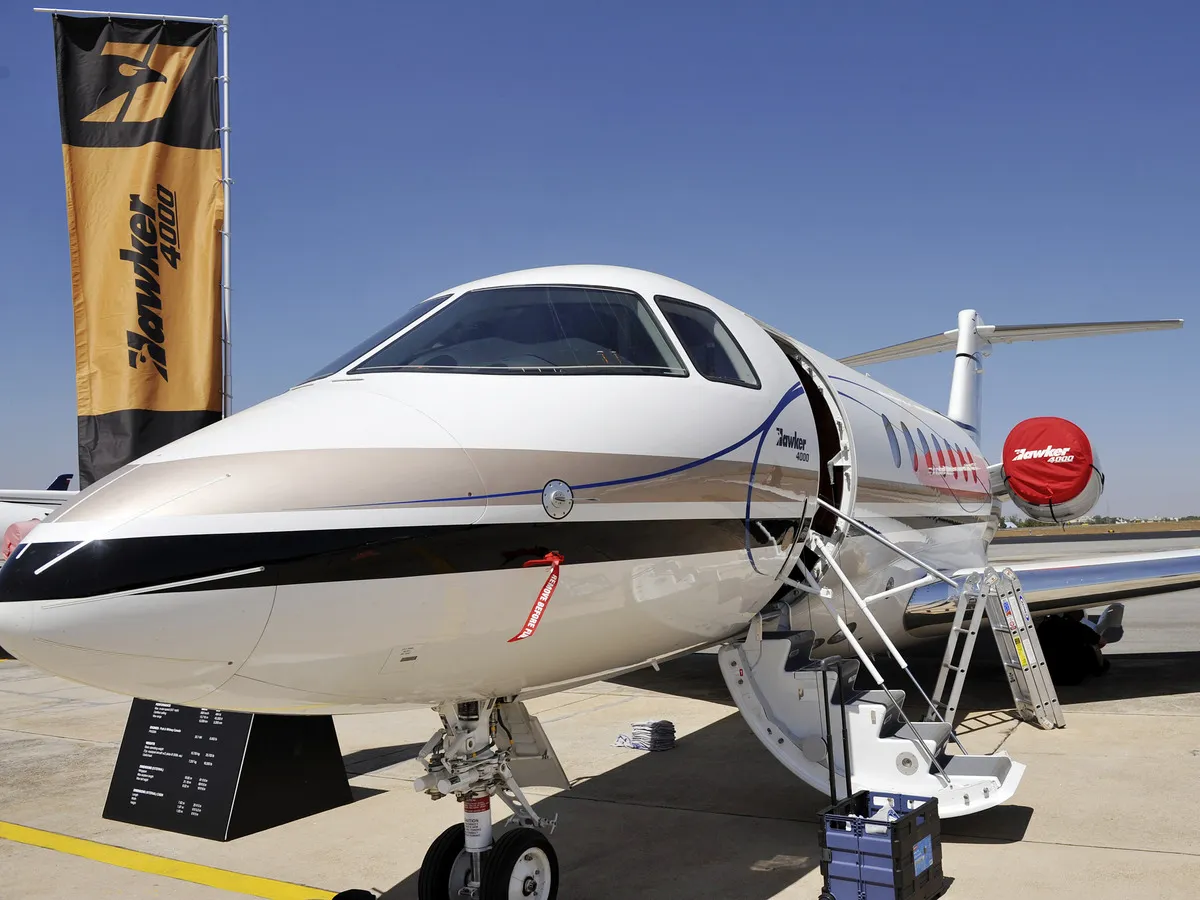
Skip to Content News Archives Economy Energy Oil & Gas Renewables Electric Vehicles Mining Commodities Agriculture Real Estate Mortgages Mortgage Rates Finance Banking Insurance Fintech Cryptocurrency Work Wealth Smart Money Wealth Management Investor Personal Finance Family Finance Retirement Taxes High Net Worth FP Comment Executive Women Puzzmo Newsletters Financial Times Business Essentials More Innovation Information Technology FP500 Podcasts Small Business Lives Told Tails Told Shopping Financial Post Store Obituaries Place a Notice Advertising Advertising With Us Advertising Solutions Postmedia Ad Manager Sponsorship Requests Classifieds Place a Classifieds ad Working Profile Settings My Subscriptions Saved Articles My Offers Newsletters Customer Service FAQ News Economy Energy Mining Real Estate Finance Work Wealth Investor FP Comment Executive Women Puzzmo Newsletters Financial Times Business Essentials HomePersonal FinanceTaxesCRA will clip your wings if you take a personal ride in the corporate jetJamie Golombek: Judge disagrees with the tax agency and assesses Quebec executive $365,251 for personal use of the corporate jetLast updated 44 minutes ago You can save this article by registering for free here. Or sign-in if you have an account.Despite the taxpayer's claim, the value of a plane ticket, even one for first class, cannot be used as a comparison when it comes to the benefits of using a private jet for personal trips. Photo by DIBYANGSHU SARKAR/AFP/Getty ImagesWe independently select everything we recommend. Buying through us may earn us a commission, which supports our work.Thinking of hitching a free ride on the corporate jet this weekend? Be forewarned – unless you’re travelling for work, the Canada Revenue Agency’s view is that you’ve enjoyed a taxable benefit, either as a shareholder (if you own the company) or as an employee.Subscribe now to read the latest news in your city and across Canada.Exclusive articles from Barbara Shecter, Joe O'Connor, Gabriel Friedman, and others.Daily content from Financial Times, the world's leading global business publication.Unlimited online access to read articles from Financial Post, National Post and 15 news sites across Canada with one account.National Post ePaper, an electronic replica of the print edition to view on any device, share and comment on.Daily puzzles, including the New York Times Crossword.Subscribe now to read the latest news in your city and across Canada.Exclusive articles from Barbara Shecter, Joe O'Connor, Gabriel Friedman and others.Daily content from Financial Times, the world's leading global business publication.Unlimited online access to read articles from Financial Post, National Post and 15 news sites across Canada with one account.National Post ePaper, an electronic replica of the print edition to view on any device, share and comment on.Daily puzzles, including the New York Times Crossword.Create an account or sign in to continue with your reading experience.Access articles from across Canada with one account.Share your thoughts and join the conversation in the comments.Enjoy additional articles per month.Get email updates from your favourite authors.Create an account or sign in to continue with your reading experience.Access articles from across Canada with one accountShare your thoughts and join the conversation in the commentsEnjoy additional articles per monthGet email updates from your favourite authorsSign In or Create an AccountorBut how should that benefit be valued for tax purposes? A recent Quebec tax case dealt with exactly that question. Before delving into the facts of the case, let’s review the rules for taxing the use of a corporately-owned plane.In 2018, the CRA published its administrative policy, Taxable benefit for the personal use of an aircraft, outlining how the agency believes such a taxable benefit is to be valued. According to the CRA, a taxpayer who uses an aircraft for personal purposes that is owned or leased by the taxpayer’s corporation or employer is considered to have received a taxable benefit, unless the taxpayer pays or reimburses the corporation or employer an amount equal to the fair market value of that benefit.Get the latest headlines, breaking news and columns.By signing up you consent to receive the above newsletter from Postmedia Network Inc.A welcome email is on its way. If you don't see it, please check your junk folder.The next issue of Top Stories will soon be in your inbox.We encountered an issue signing you up. Please try againThe valuation of the taxable benefit is determined on the basis of what is “reasonable” based on each situation. Many years ago, the Federal Court of Appeal found that the value of a shareholder benefit for tax purposes is the value a shareholder would have had to pay for the same benefit in similar circumstances if they had not been a shareholder of the company. Based on this, the CRA came up with three scenarios and valuation methods for the taxable benefit associated with corporate air travel.The first scenario is where the shareholder or employee takes a flight on a corporate plane for purely business purposes. Clearly, there would be no taxable benefit to the shareholder or employee. If, however, the shareholder or employee is accompanied by family members or friends on the flight, the CRA’s general opinion is that their flights would be considered personal and taxable to the shareholder or employee.The CRA cites the example of a senior executive travelling to Europe for a professional conference with a spouse and children. In this case, the CRA’s view is that the shareholder or employee will generally be considered to have received a taxable benefit equal to the highest priced ticket on a regularly scheduled flight (e.g. first class or business class) for each family member or friend on the flight.The second scenario is one in which a shareholder or employee takes a flight on the plane where there is no business purpose for the flight. In this case, the value of the taxable benefit is equal to the price of the charter of an equivalent aircraft for an equivalent flight. An example would be where the CEO takes an employer’s aircraft to Europe for vacation purposes.To value this benefit, the CRA instructs taxpayers to turn to the open market charter price, which would include the price to travel to the destination, the price to travel back to the originating location, any incremental fees or charges for the layover period and additional services provided during the flight. The charter price would also include the cost of a “dead head” flight if the aircraft is required to be returned to its home location for a period of time before returning to pick up the passengers of the original flight.Finally, where a corporate plane is used by its shareholders or employees primarily for personal purposes relative to the aircraft’s total use during the calendar year, the value of the taxable benefit is equal to the personal use portion of the aircraft’s actual operating costs plus some type of imputed “available-for-use” or standby charge. The available-for-use amount is equivalent to an imputed lease amount or equity rate of return on the original cost of the aircraft that is made available to the shareholder or employee during the year.The recent Quebec tax case involved a taxpayer who was the director of various companies of a corporate group. In late 2012, the group acquired an $8 million Hawker 4000 aircraft that was used primarily for business purposes. For the 2013 and 2014 taxation years, the taxpayer reported personal use of the aircraft for himself and his associates as 20.78 per cent and 23.46 per cent, respectively, of the total use.While both the taxpayer and Revenu Québec acknowledged that a taxable benefit was received for personal use of the aircraft, the issue under dispute was how that benefit should be calculated. Revenu Québec assessed the taxpayer to include amounts of $179,786 and $517,829 in income for the years 2013 and 2014, respectively, as a benefit for the personal use of the aircraft. The agency’s calculations were based on a percentage of total operating costs and capital cost allowance (i.e. tax depreciation) claimed by the corporation, prorated by the number of personal versus total hours flown in each year.The taxpayer, on the other hand, had only reimbursed the corporate group for use of the jet for $28,532 in 2013, and for $19,722 in 2014. The taxpayer argued that the determination of fair market value should be the price of business class tickets for equivalent flights when the taxpayer was accompanied by a relative on a business trip.The judge disagreed with the taxpayer’s analysis, concluding that the only correct measure of the fair market value of the taxable benefit is to determine how much it would have cost to charter a private plane for routes identical to those flown by the taxpayer and his guests.The taxpayer’s logic of using business class ticket pricing “does not correspond in any way to the benefit received by (the taxpayer),” the judge said. Citing a report from an aircraft management company, the judge noted that “a private flight is much faster, boarding is almost instantaneous, there are no queues at the airport for boarding, and customs officers often travel to the private terminal to greet passengers, which is in no way comparable to a commercial flight. In addition, the (taxpayer) is on board the aircraft in complete privacy with his guests when he travels. Thus, the value of an air ticket, even in first class, cannot be used as a comparison in such a context.”The judge, however, also disagreed with Revenu Québec’s argument that the costs method, including capital cost allowance, approximates the fair market value of the benefit.Instead, the judge used a rate of US$6,500/hour, which was based on the corporation’s accounting records, to calculate the taxable benefit, based on the personal hours of use of the taxpayer and his family and friends. After converting to Canadian dollars, and deducting the amounts already reimbursed by the taxpayer to the corporation for personal use, the taxable benefit was determined to be $102,191 for 2013 and $263,060 for 2014.Jamie Golombek, FCPA, FCA, CFP, CLU, TEP, is the managing director, Tax & Estate Planning with CIBC Private Wealth in Toronto. Jamie.Golombek@cibc.com.If you liked this story, sign up for more in the FP Investor newsletter. Join the Conversation This website uses cookies to personalize your content (including ads), and allows us to analyze our traffic. Read more about cookies here. By continuing to use our site, you agree to our Terms of Use and Privacy Policy.
CRA will clip your wings if you take a personal ride in the corporate jet
Jamie Golombek: Judge disagrees with tax agency and assesses Quebec executive $365,251 for personal use of the corporate jet. Find out more
1,705 words~8 min read