Transactional sex, defined as the exchange of sex for money, food, or favours, is common among young people in Africa. Studies have reported that about 10% of those aged 15-24 have engaged in this exchange in South Africa, 23% in Nigeria and 25% in Uganda. The behaviour has been linked to negative consequences such as unintended pregnancy, sexual violence and HIV infections.
Transactional sex refers to sexual relationships outside marriage that are not classified as commercial sex work, but where there is an expectation that material, financial or other benefits will be exchanged for intimacy or companionship.
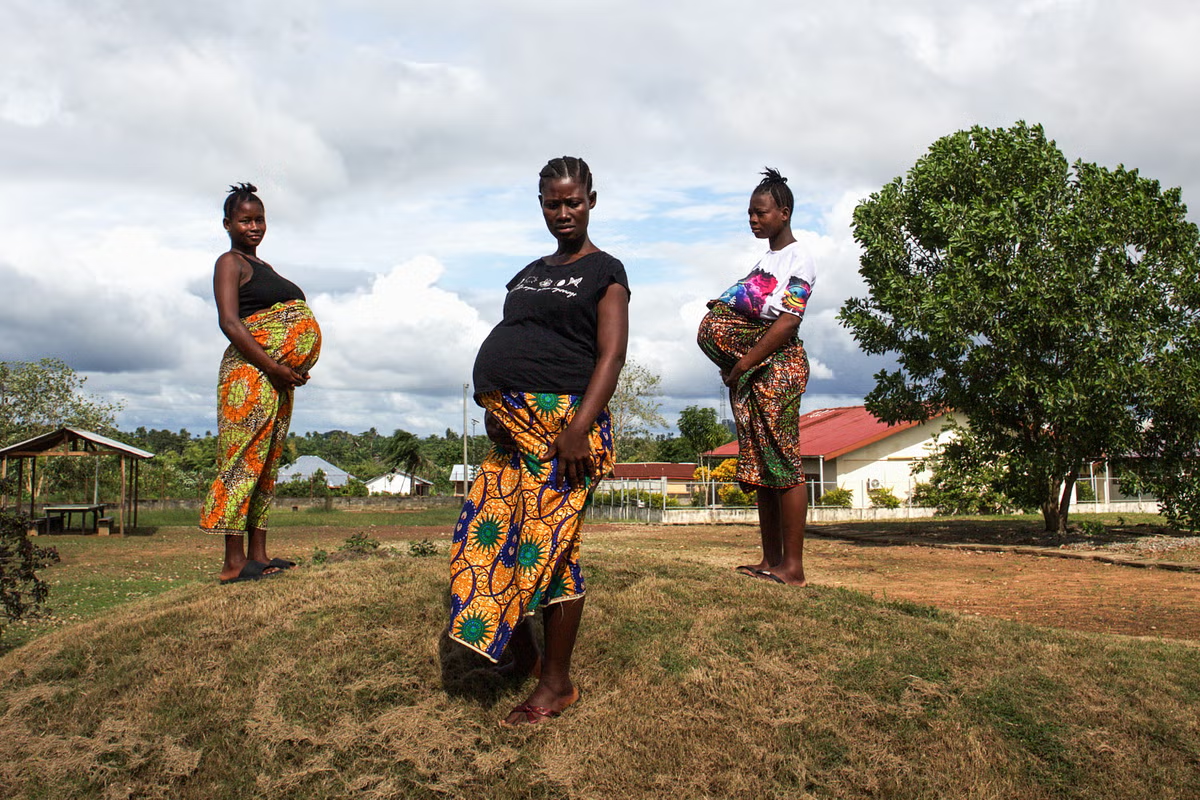
We are sexual and reproductive health researchers focused on the intersection of evidence, policy, and lived realities of adolescents in Africa. We recently examined the extent and drivers of transactional sex among pregnant and parenting adolescents in three African countries: Burkina Faso, Kenya and Malawi.
In our earlier qualitative research work with pregnant and parenting girls in Nairobi’s informal settlements, we found that pregnancy intensified economic insecurity. The focus of government and most NGOs, however is mainly on preventing adolescent pregnancy. Little attention is paid to the plight and realities of pregnant and parenting girls.