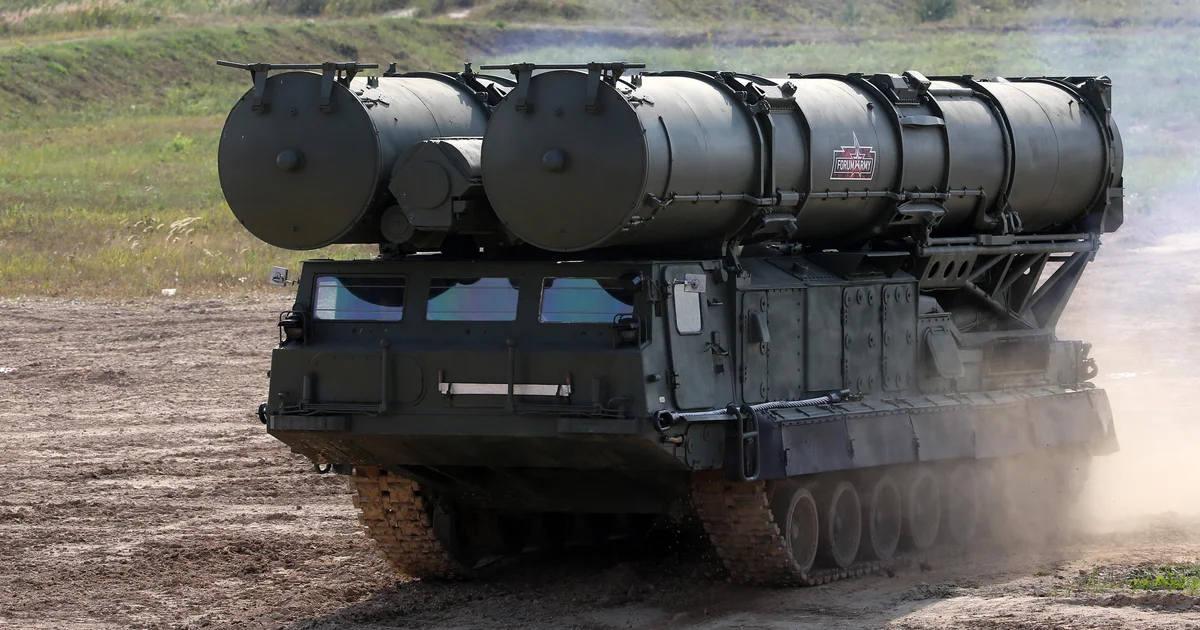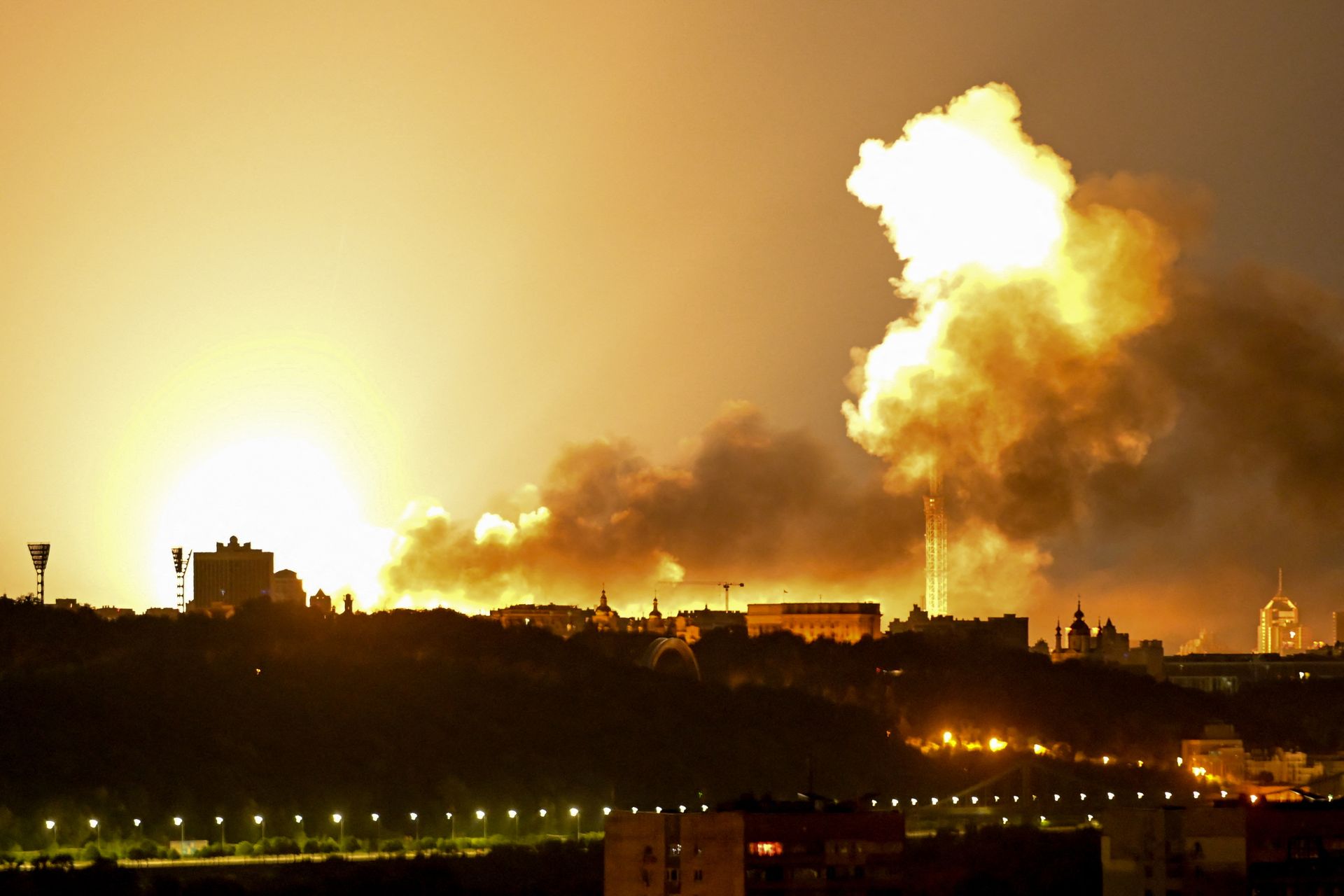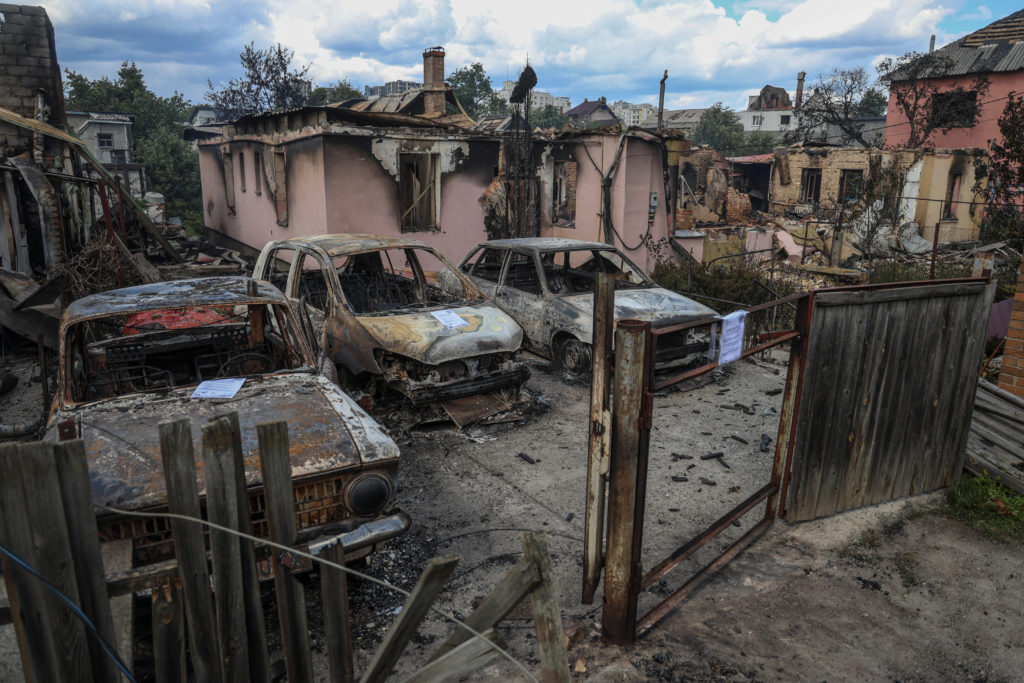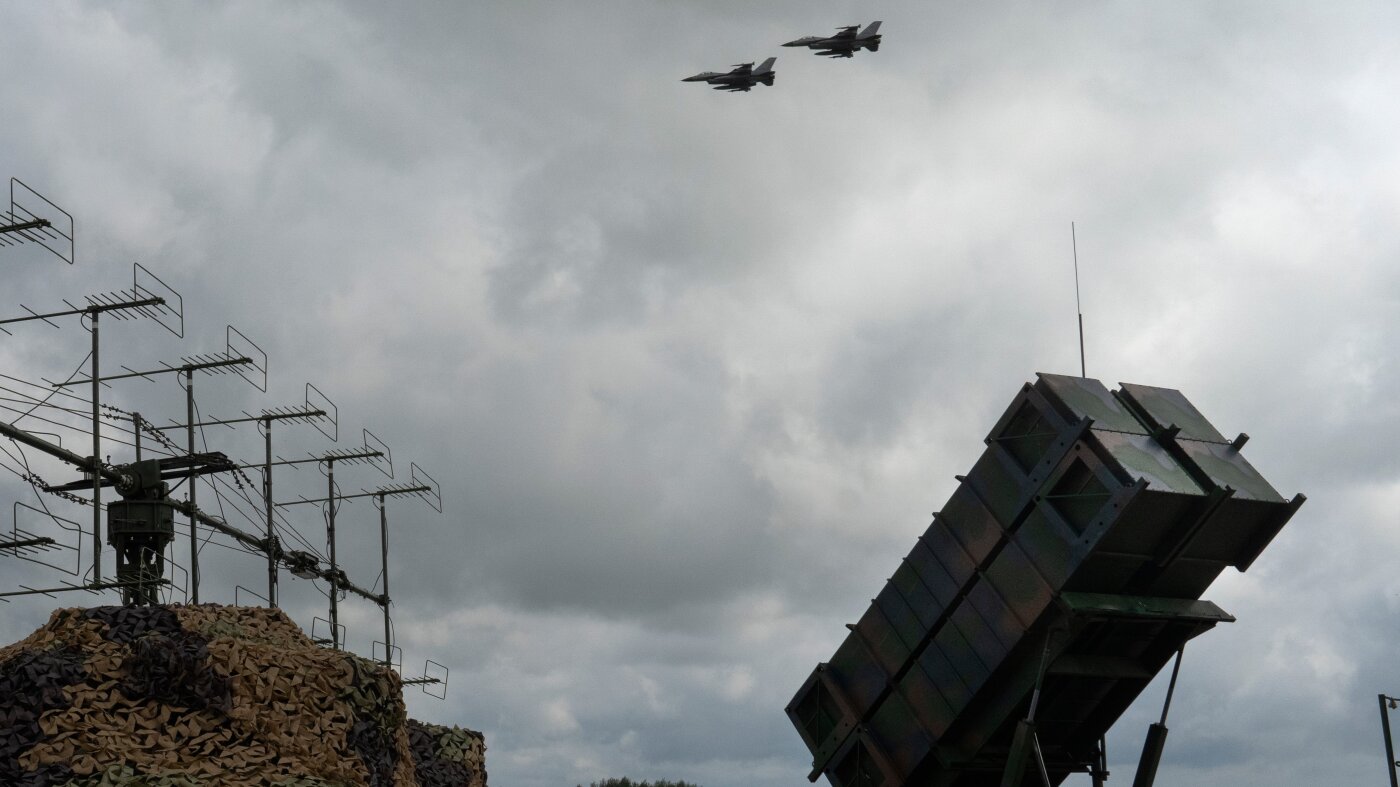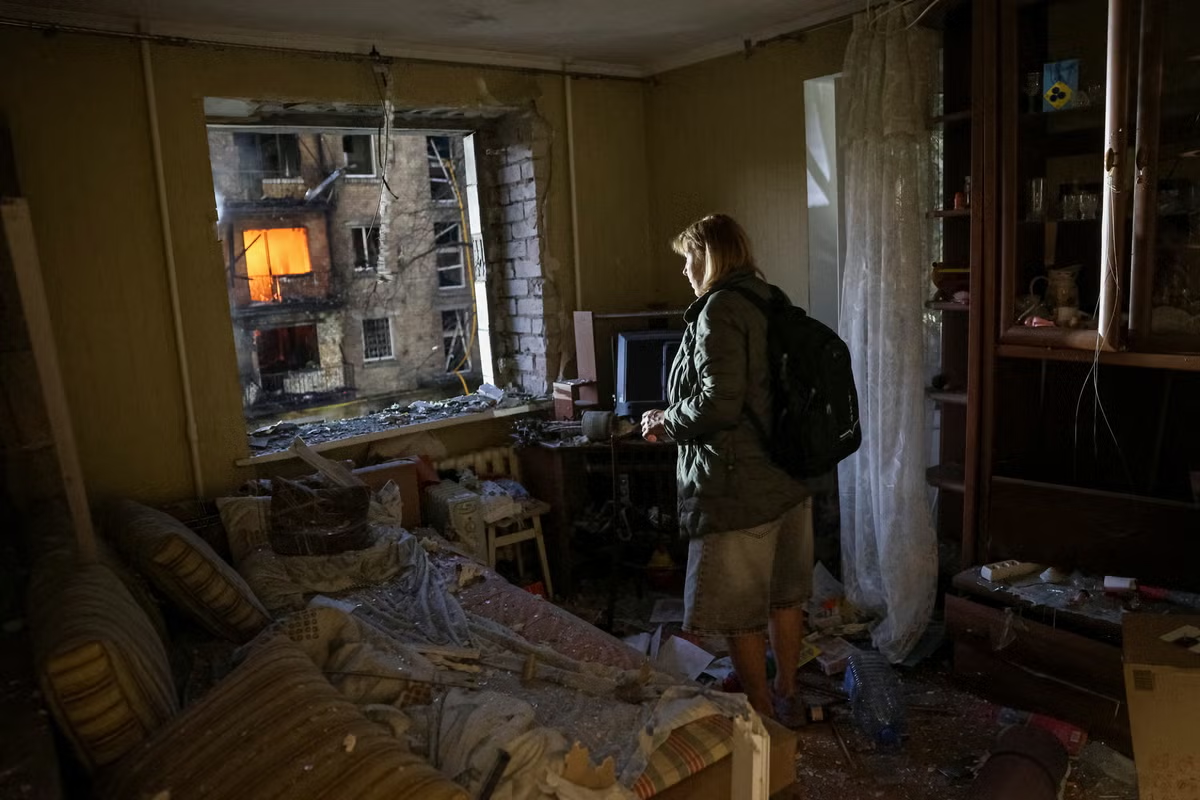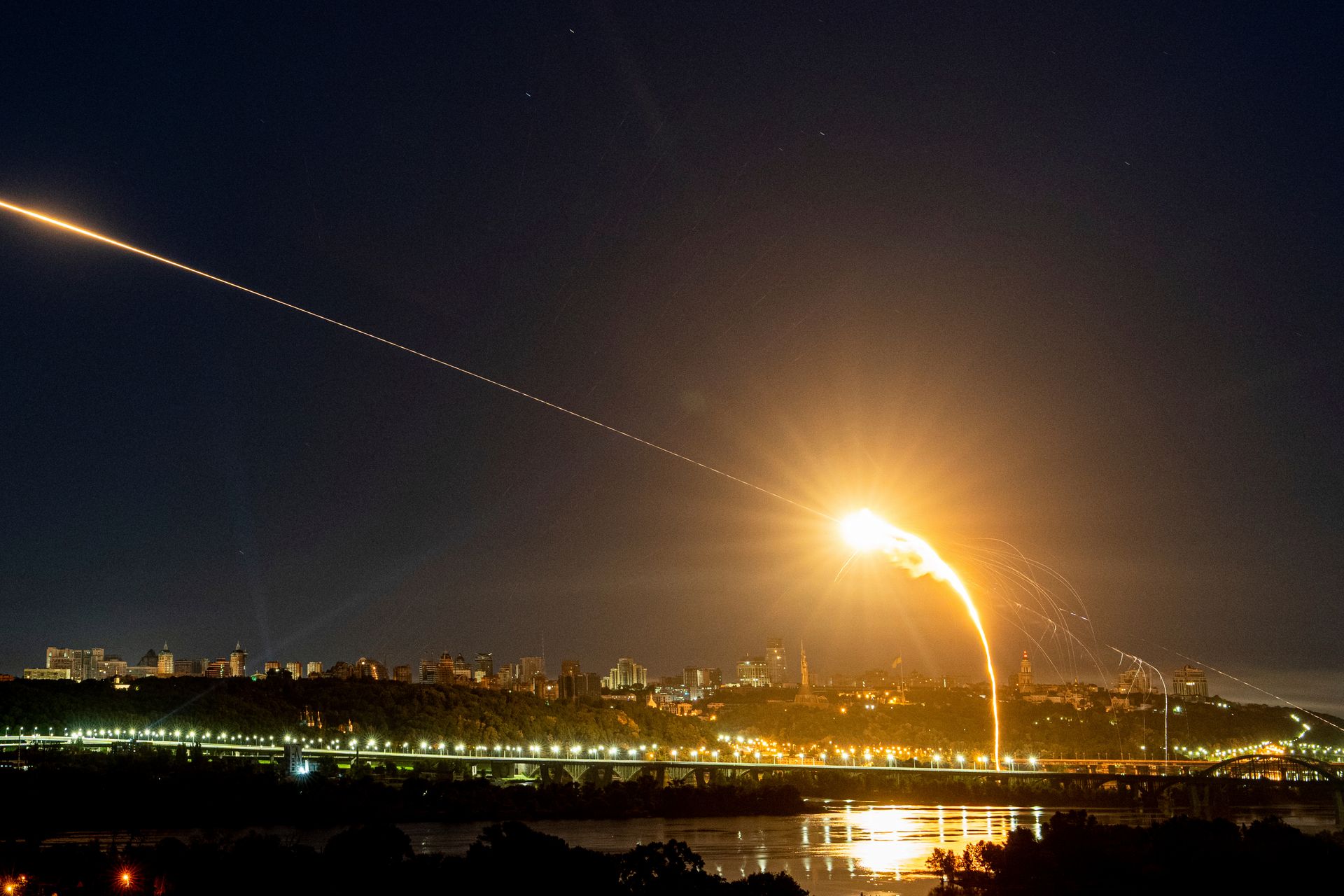
Ukrainian air defense intercepts a Shahed drone in midair during the Russian aerial attack on Kyiv, Ukraine, on May 30, 2023. (Evgeniy Maloletka / AP)Russia's battlefield offensive has slowed. But far from the front lines, the war is becoming deadlier.Russian forces launched 70 missiles and over 600 drones at Ukraine in a mass overnight assault on June 15. Of the 34 ballistic missiles fired, 19 were aimed at the capital. Kyiv's beleaguered Patriot batteries did a valiant job, intercepting 15 of them, along with five of the six 3M22 Zircon hypersonic cruise missiles launched in the attack.Still, even layered defenses were stretched beyond the limit. Five people were killed, and 35 were injured in Kyiv, while a Russian drone strike damaged the Kyiv Pechersk Lavra, one of Eastern Orthodoxy's most important religious sites.Ballistic missiles — incredibly difficult to intercept due to their sheer speed — remain the toughest challenge for Ukraine's air defenses. As Russia shows no sign of easing its strikes, Ukraine faces a critical shortage of U.S.-made Patriot interceptors, the only proven system in its arsenal against ballistic threats. That shortfall has deepened amid rising global demand since the war in the Persian Gulf began.A Patriot anti-aircraft missile system launcher stands at an air base in Bavaria, Germany, on June 17, 2023. (Karl-Josef Hildenbrand / Getty Images)The growing scarcity has prompted efforts to replenish supplies, including securing licenses to produce Patriot missiles domestically, acquiring older PAC-3 and PAC-2 interceptors nearing the end of their service life, and pursuing one of the most ambitious goals — developing a domestic anti-ballistic missile system.Fire Point, the Ukrainian defense company, released a video on June 3 showing a test launch of its FP-7.X missile, intended as the basis for an anti-ballistic interceptor within the "Freya" system. Co-owner and chief designer Denys Shtilierman said in late May that the first in-flight interception could take place by the end of 2026.Держави програють війни на полі бою значно рідше, ніж вони програють їх у інститутах, лабораторіях та на виробництві за десять років до їх початку.Коли країна роками недофінансовує інженерну освіту, скорочує дослідження, втрачає виробничі компетенції або звикає покладатися на… pic.twitter.com/Ti1Ayn4INf— terekh (@iraterekh) June 3, 2026 "If this happens, it would truly be a breakthrough," an Air Force officer told the Kyiv Independent on the condition of anonymity.But the project remains shrouded in limited disclosure and met with skepticism from observers, with doubts lingering over whether it can ever become a real source of protection for Ukraine against Russian attacks.Battling Supply ConstraintsBeyond 15 ballistic missiles, during the June 15 attack, Ukraine's air defenses intercepted 100% of incoming conventional cruise missiles — 30 out of 30 — not including Zircon hypersonic variants, as well as 95% of the 611 one-way attack drones, underscoring the effectiveness of Ukraine's air-defense network against Russia's slower-moving munitions.An alleged launch of a Zirkon missile in a video published by Russia’s Defense Ministry on Dec. 3, 2024. (Russian Ministry of Defense / Telegram)Yet ballistic interceptions could have been significantly lower, with potentially far deadlier consequences. A shipment of critically needed Patriot interceptor missiles had arrived in Ukraine only recently, supplied by Western allies."We had a package of missiles for Patriot," President Volodymyr Zelensky told a Kyiv Independent journalist in the Kyiv Pechersk Lavra compound, as firefighters continued to douse the still-smoldering roof of the Dormition Cathedral. "It was recently delivered to Ukraine; thank God."American defense manufacturer Lockheed Martin currently only manufactures 650 PAC-3 interceptors per year, which the company plans to boost to 2,000 by 2033. However, even if the entire production line was dedicated to producing interceptors solely for Ukraine, it still wouldn't be sufficient. Ukrainian intelligence assesses Russia can manufacture "about 120 ballistic missiles per month," Zelensky told the NATO-Ukraine Council meeting in Kyiv on June 3 — a production rate of 1,440 per year.'
As Patriot missiles run low, Ukraine scrambles for alternatives
Russia's battlefield offensive has slowed. But far from the front lines, the war is becoming deadlier. Russian forces launched 70 missiles and over 600 drones at Ukraine in a mass overnight assault on June 15. Of the 34 ballistic missiles fired, 19 were aimed at the capital. Kyiv's beleaguered Patriot batteries did a valiant job, intercepting 15 of them, along with five of the six 3M22 Zircon hypersonic cruise missiles launched in the attack. Still, even layered defenses were stretched beyond
1,728 words~8 min read