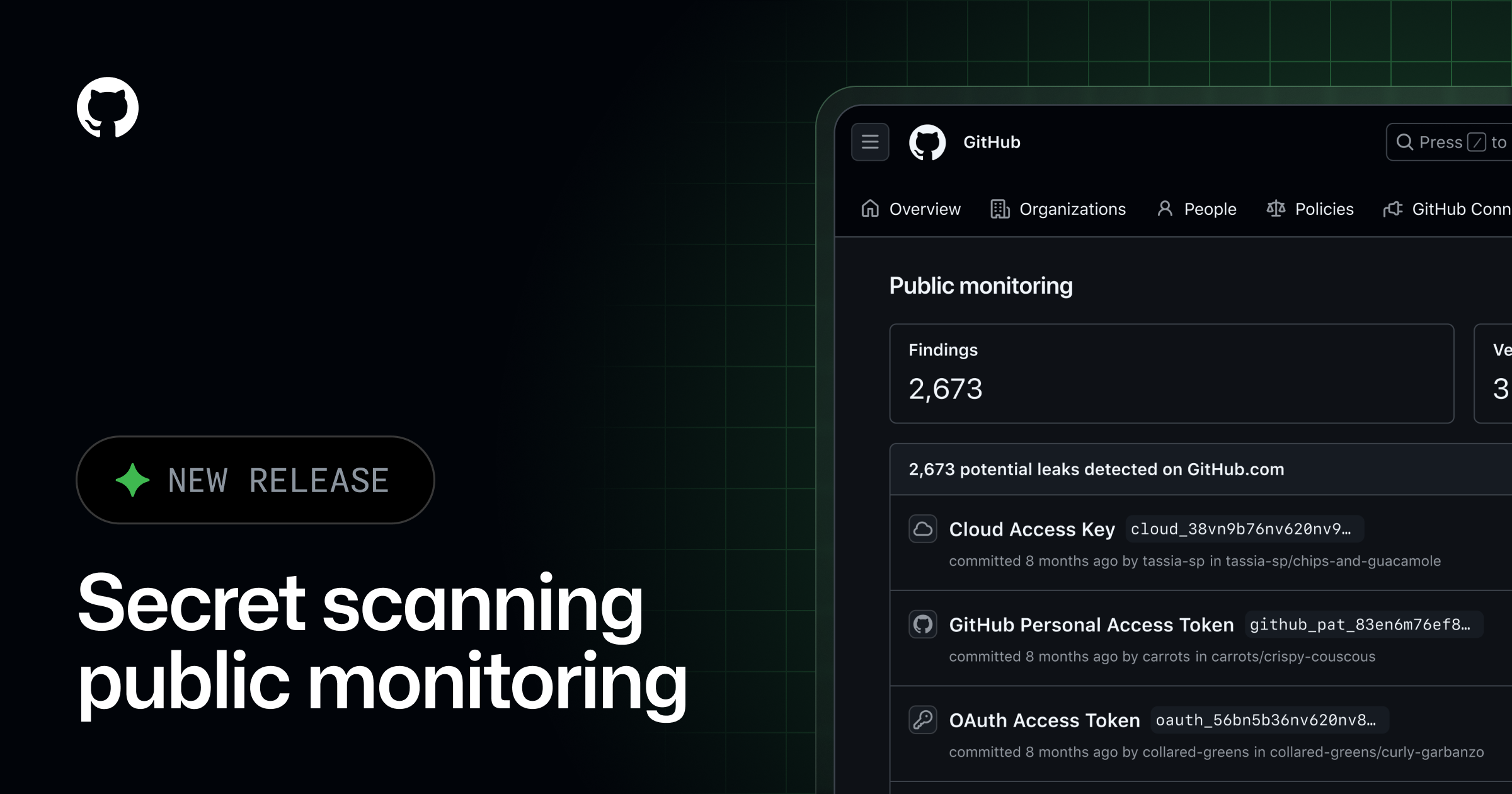
Since its creation in 2017, GitGuardian has automatically detected secret leaks in all public commits on GitHub, and sent warning emails to the developers concerned through its Good Samaritan Program. Although this method is efficient and enables secrets to be revoked quickly, it does have certain limitations. Indeed, there are a number of problematic scenarios. For example, a secret may be deleted from GitHub following our email, but remain valid because it has not been revoked. Likewise, a secret may belong to a company, and the person who leaked it is no longer part of it or is a contractor who doesn't know how to deal with it.
Overall, we find that 70% of the valid secrets we detect are still valid 3 years after their initial exposure. This clearly requires a call to action, as leaked corporate secrets are probably not being remediated as they should be. As a matter of fact, the most sensitive secrets we uncover are, unsurprisingly, linked to the critical components of modern business: code and artifact repositories, databases or virtual machines. Their exploitation is often straightforward, yet they represent a direct and major security risk.
Responsible Disclosure
Aware of the potentially devastating impact of some of the highly sensitive secrets we uncover, such as those of private Artifactory instances or Azure Storage Accounts, to name but a few, we have decided to overcome the limitations mentioned above by identifying corporate secrets and contacting the corresponding companies.