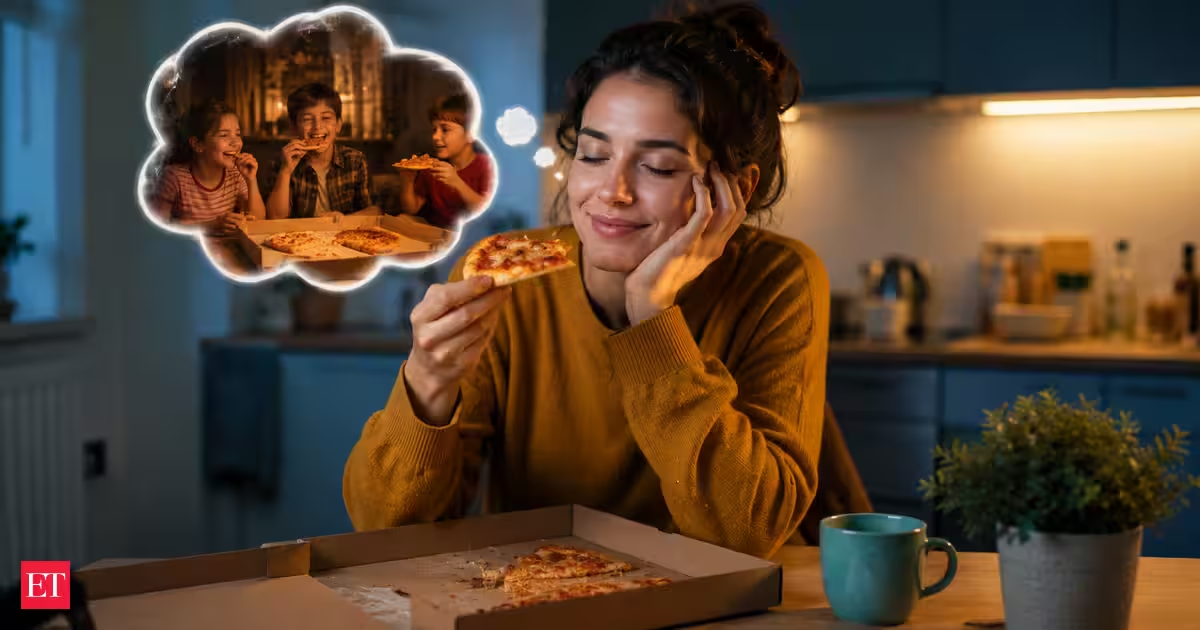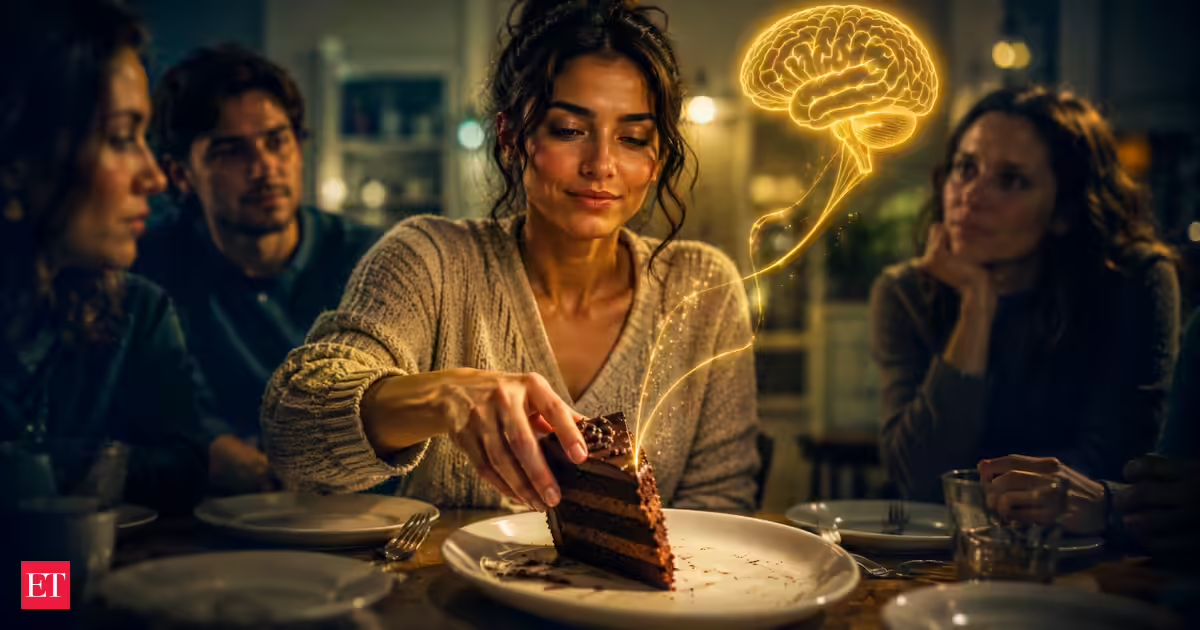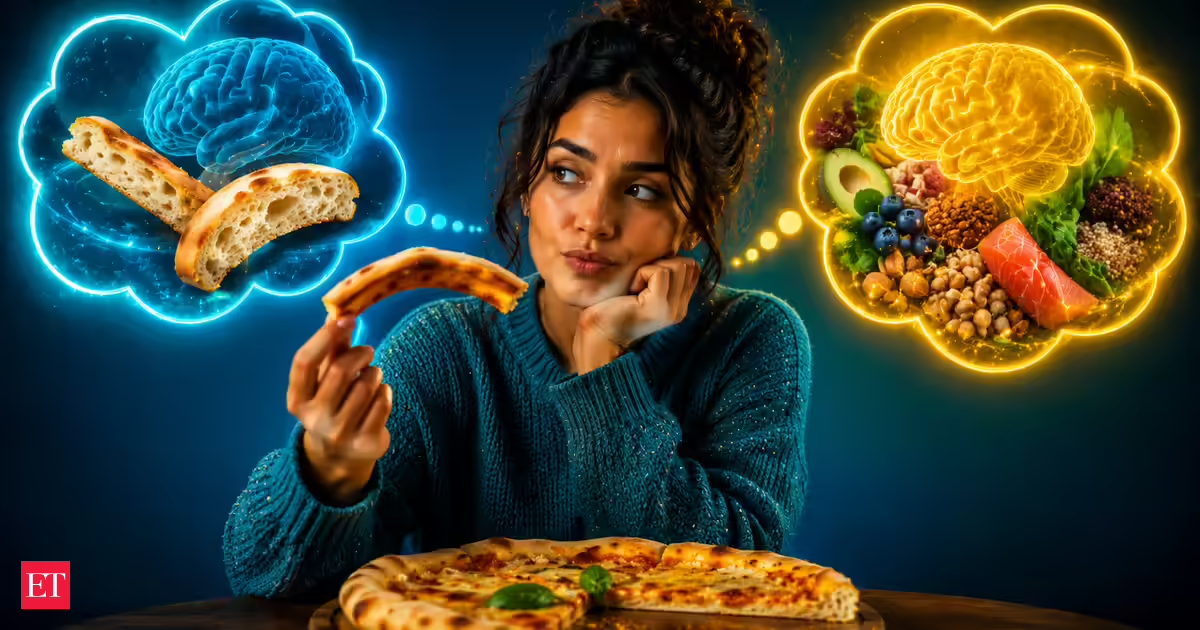
Most people have witnessed this at least once. Two people order the exact same pizza. One person happily eats every single bite, including the crust. The other leaves a perfect ring of crust behind on the plate. The same thing happens with sandwiches, toast and loaves of bread. For years, people who avoid crust have been labeled as picky eaters or accused of having childish eating habits. But psychology suggests the explanation may be more complicated. The way humans experience food is influenced by biology, sensory preferences, memories and even reward systems inside the brain. In other words, the crust is not always the problem. The brain's interpretation of the crust may be.Here is what psychology says may actually be happening.Psychology says sensory processing may influence crust preferencesOne of the biggest reasons some adults dislike crust comes down to sensory processing. Sensory processing refers to how the brain receives and interprets information from the environment. Every person experiences texture differently. Some people enjoy crispy, chewy and dense foods. Others prefer softer, more predictable textures.The crust often has a completely different texture from the rest of the meal. Pizza crust can be chewy and dry. Bread crust can be harder and rougher. For some people, that sudden texture change interrupts the eating experience. Researchers from the American Psychological Association have frequently discussed how sensory preferences influence everyday behaviors, including eating habits.Psychology says adults who avoid pizza crust or bread crust aren't childish, they are simply chasing satisfaction differentlyYou Might Also Like:The brain may be prioritizing the rewardPsychologists also point to Reward Processing Theory. The human brain naturally chases pleasurable experiences. For many people, the best part of a pizza is the cheese, sauce and toppings. The crust may feel less rewarding in comparison. The same applies to bread.The soft center often contains more moisture and a richer sensory experience. The crust may feel secondary. The brain constantly evaluates effort versus reward. If a particular bite feels less satisfying, some people simply skip it. This is not laziness. It is a subconscious preference system at work.Childhood habits sometimes stay with us longer than we realizeAnother explanation comes from Social Learning Theory. Originally developed by Albert Bandura, this theory explains that humans learn behaviors by observing others. Many adults grew up eating sandwiches with the crust removed. Parents sometimes removed crusts to encourage children to eat more.Over time, that habit became familiar. The brain loves familiarity because familiar experiences feel safe and comfortable. Years later, adults may continue the behavior without even thinking about it. What began as a childhood routine quietly became part of their identity.You Might Also Like:Psychology says familiarity creates comfortThere is another concept involved called the Mere Exposure Effect. The theory suggests that people tend to prefer things they repeatedly experience. If someone grew up eating soft bread without crusts, that preference may remain strong throughout adulthood. The opposite is also true.People who regularly ate crusts may find them comforting and enjoyable. This explains why two adults can have completely different reactions to the exact same food. Their brains have simply been trained differently over time.Modern food culture may be influencing the habitToday's food industry also plays a role. Many restaurants emphasize soft textures and highly satisfying flavors. Stuffed-crust pizzas, brioche buns and extra-cheesy foods are all designed to maximize enjoyment. The brain quickly adapts to these highly rewarding experiences.Psychologists sometimes call this hedonic adaptation. Humans become accustomed to foods that deliver immediate pleasure. As a result, simpler textures may seem less exciting. Modern examples are everywhere.Social media food videos often highlight gooey cheese pulls, fluffy bread interiors and soft desserts. Rarely do they celebrate plain crust. Over time, expectations begin to shift.People who love crust may enjoy completion and balanceInterestingly, psychology can also explain why some people absolutely love crust. Some individuals experience satisfaction from finishing every part of a meal. Psychologists sometimes connect this to closure-seeking tendencies. The brain enjoys completing patterns. For these people, leaving crust behind feels unfinished.Others simply appreciate flavor balance. Pizza crust acts as a palate cleanser between richer bites. Bread crust adds complexity and texture. To them, the crust is not an extra. It is part of the entire experience.Psychology says the crust is not the story, the brain isPsychology teaches us that everyday habits often reveal fascinating truths about human behavior. The crust itself is not important. The brain's interpretation of it is. Some brains chase texture. Others chase reward.Some seek familiarity. Others seek completion. That is why two adults can sit at the same table, eat the same meal and walk away with entirely different experiences. Neither person is right or wrong. Because food is far more personal than people realize.And perhaps that is why debates about pizza crust and bread crust never truly disappear. They quietly remind us that humans are not all tasting the same world.FAQsWhy do some adults dislike pizza crust?Sensory preferences, texture sensitivity and reward processing may make crust less appealing to some people.Is avoiding bread crust a sign of being a picky eater?Not necessarily. Food preferences are influenced by biology, childhood habits and sensory experiences.
Psychology says adults who avoid pizza crust or bread crust aren't childish, they are simply chasing satisfaction differently
Psychology suggests that everyday habits can offer surprising insights into human behavior. The crust itself is not the real focus, it is how the brain interprets it. Some people are naturally drawn to sensory experiences like texture, while others are motivated more by the anticipation of reward.
850 words~4 min read