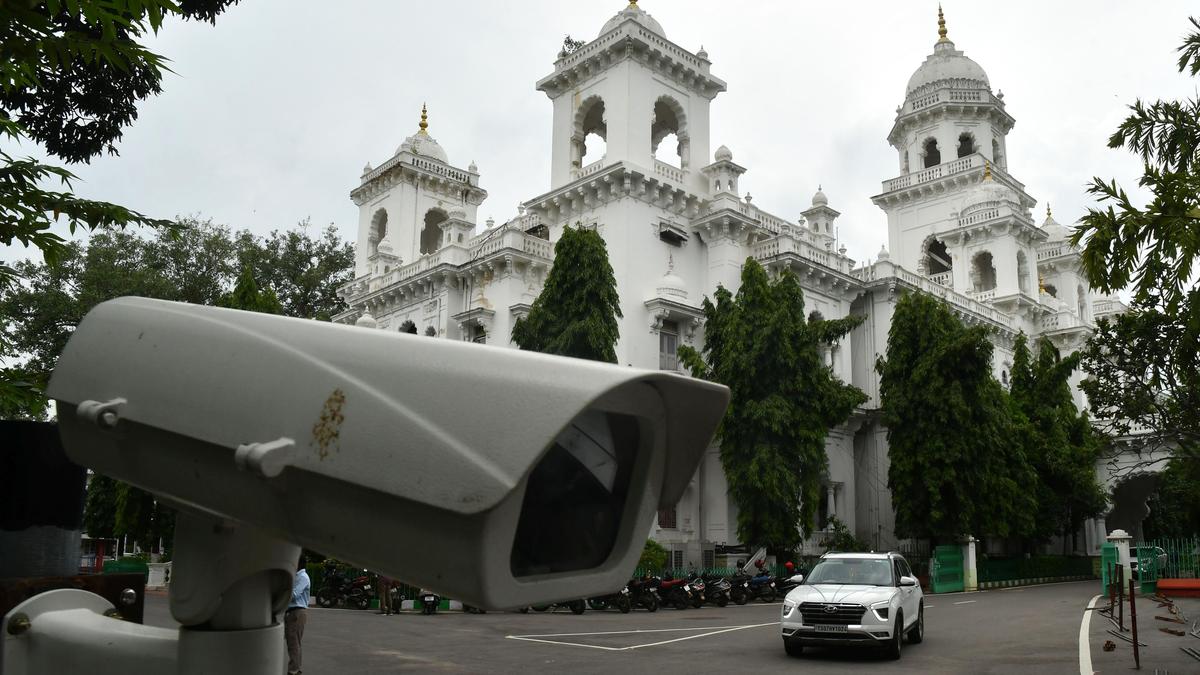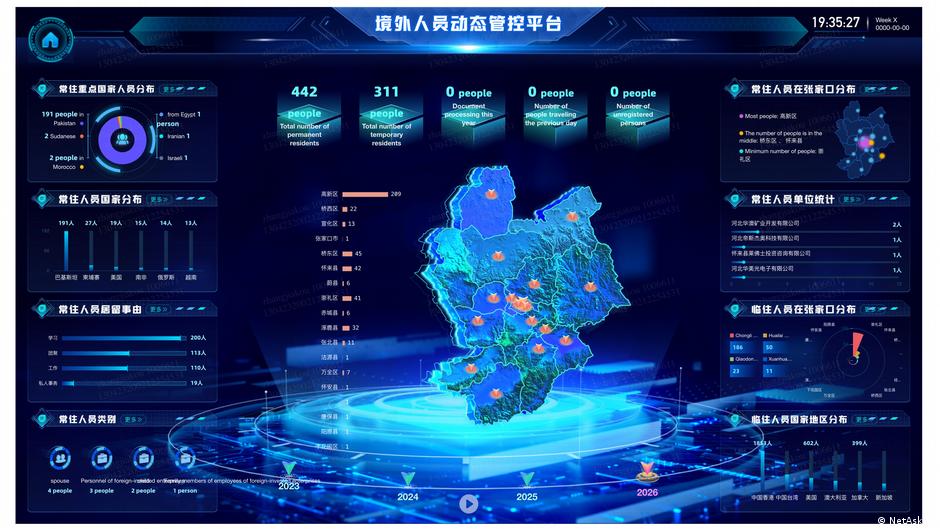
In April 2026, a series of arrests by the Delhi Police’s Special Cell exposed the scale of foreign surveillance in India. A network associated with Pakistan’s Inter-Services Intelligence (ISI) had installed commercially available, solar-powered Chinese CCTV cameras connected via 4G SIM cards near defense installations in Punjab, Haryana, Rajasthan, and Jammu and Kashmir. For nearly three months, live footage of troop movements, logistics convoys, and deployment patterns at Kapurthala, Pathankot, Ambala, Kathua, and Bikaner was transmitted to data servers in China and then relayed in real time to ISI handlers in Pakistan. The cameras used EseeCloud, a streaming platform from Guangzhou Juan Intelligent Tech. Each camera was cheap, costing just a few thousand rupees, but the information they collected was extremely valuable.
After the story broke, India’s Ministry of Home Affairs ordered a nationwide CCTV audit and began banning non-certified cameras from April 1.
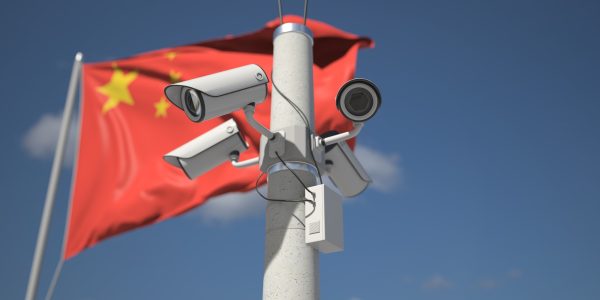
For more than 10 years, Chinese companies like Hangzhou Hikvision, and Dahua Technology have led India’s CCTV market, as they have in many other countries. The reasons for China’s success in the industry were obvious: these cameras were cheaper, well-marketed, and there was no strong local industry. By 2023, about 90 percent of India’s 2 million surveillance cameras came from China.