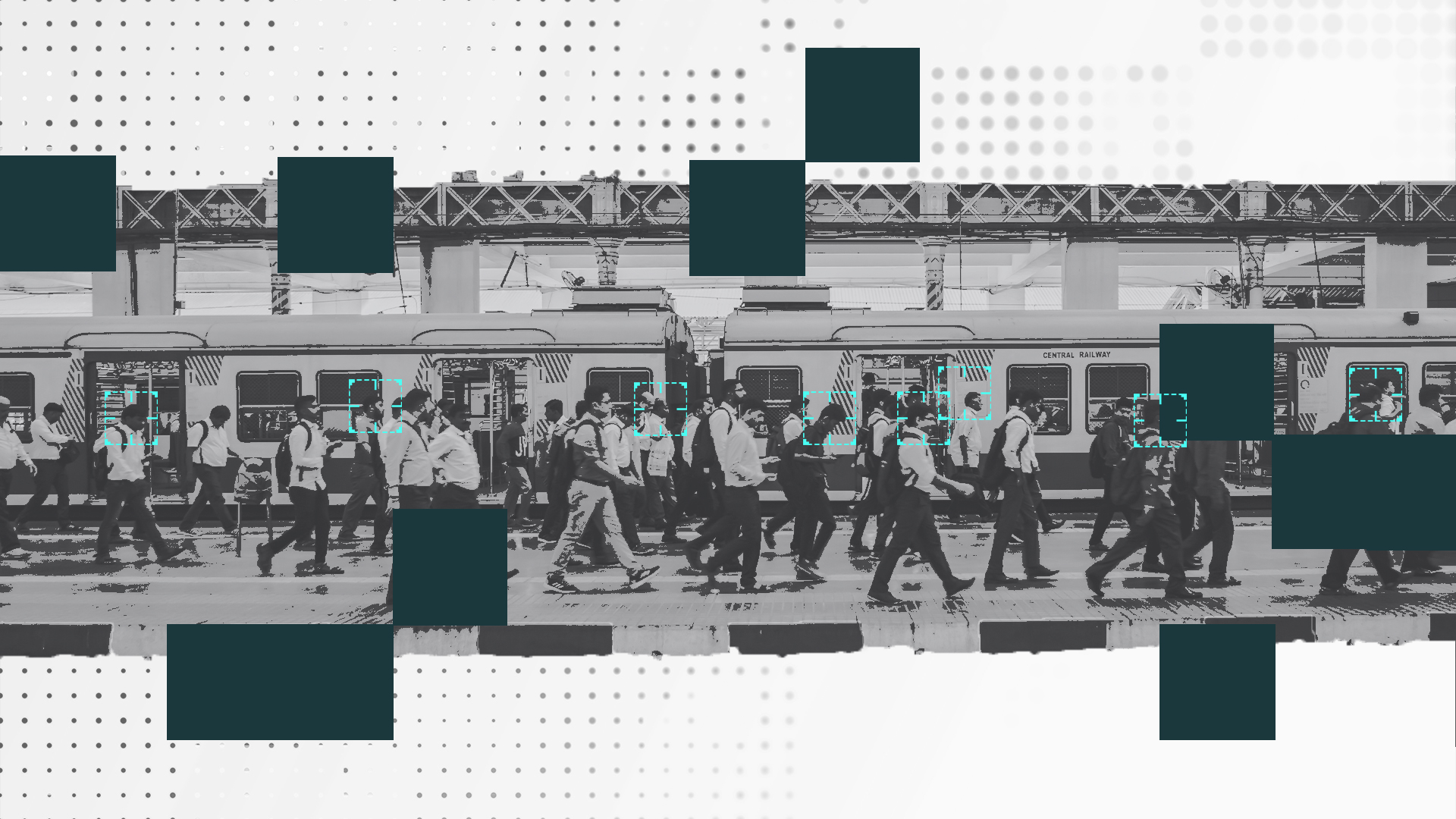
At Howrah station in Kolkata, the trains never really stop, and neither do the cameras. One of India’s busiest railway terminals, around a million people pour through it every day, with crowds so dense that following a single face can be near impossible, at least with the human eye.
Yet mounted high above the entrance and exit gates, platforms, food courts and waiting rooms, around 100 live facial-recognition cameras silently keep track.
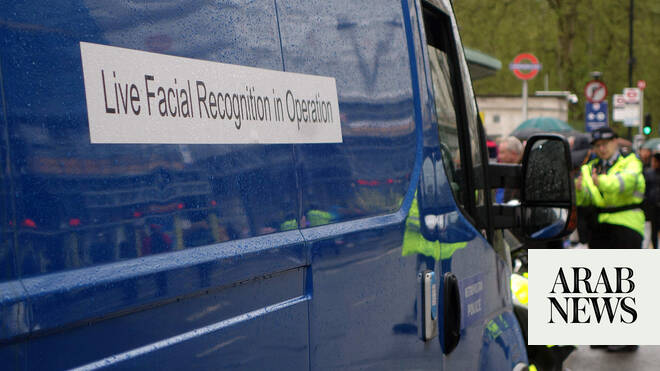
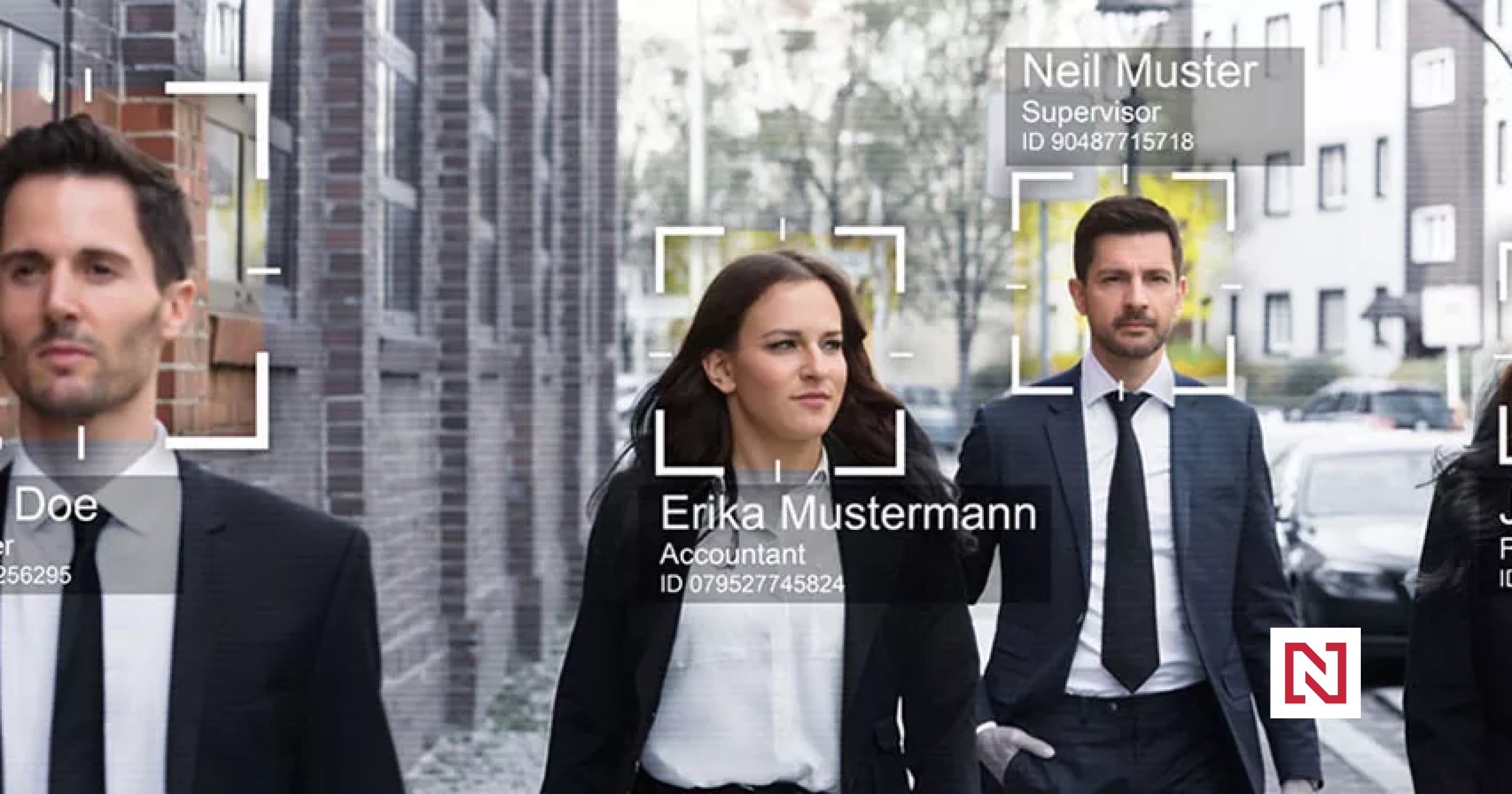
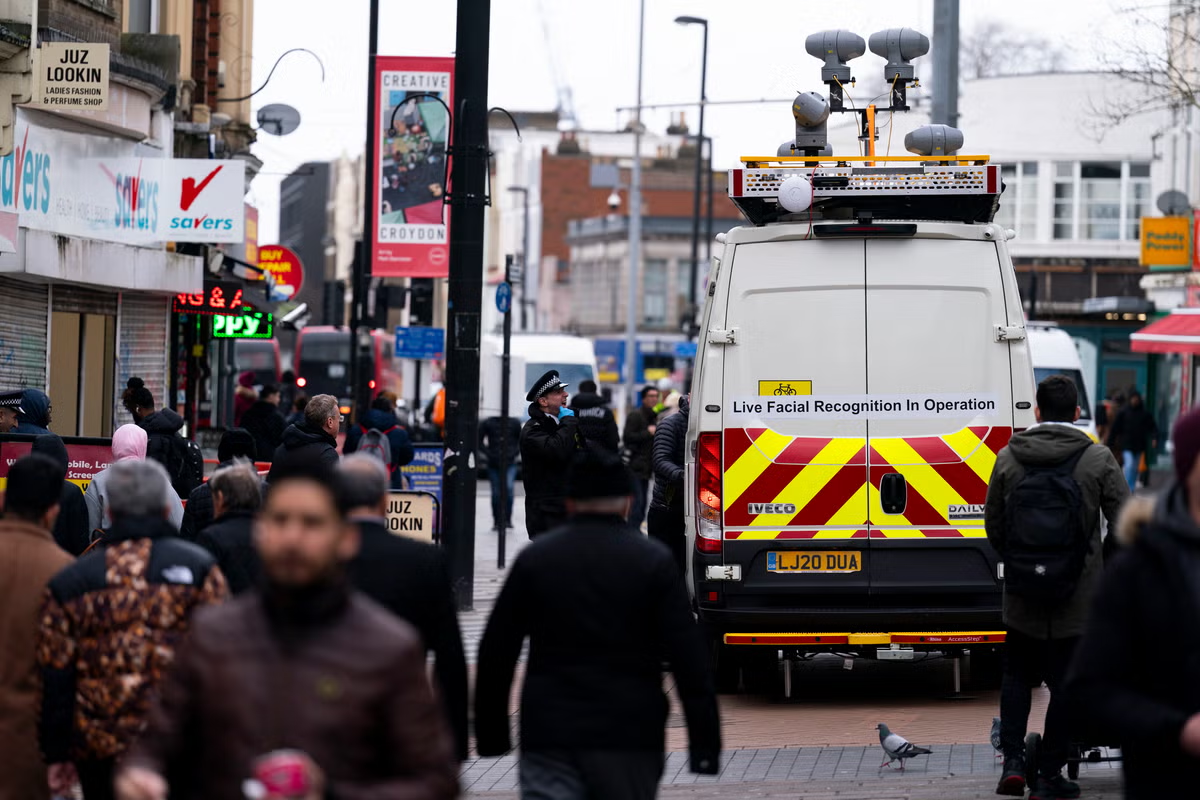
The system, installed in the past year, lifts faces from the live feed and cross-checks them against a database of photos: wanted offenders, criminal suspects, missing people. A match alerts railway police to the exact spot a person was seen, and authorises police to approach them.
Some commuters seem unaware that they are being surveilled in this way. Barnali Biswas, a private sector employee who passes through six days a week, was unbothered when questioned by a reporter, saying she thought it was probably good for safety. “People with nothing to do with crime had nothing to fear,” she said.This kind of camera, enabled with facial-recognition software, is increasingly familiar across India. And in eastern India, one supplier of that software is the Spanish firm Herta Security.