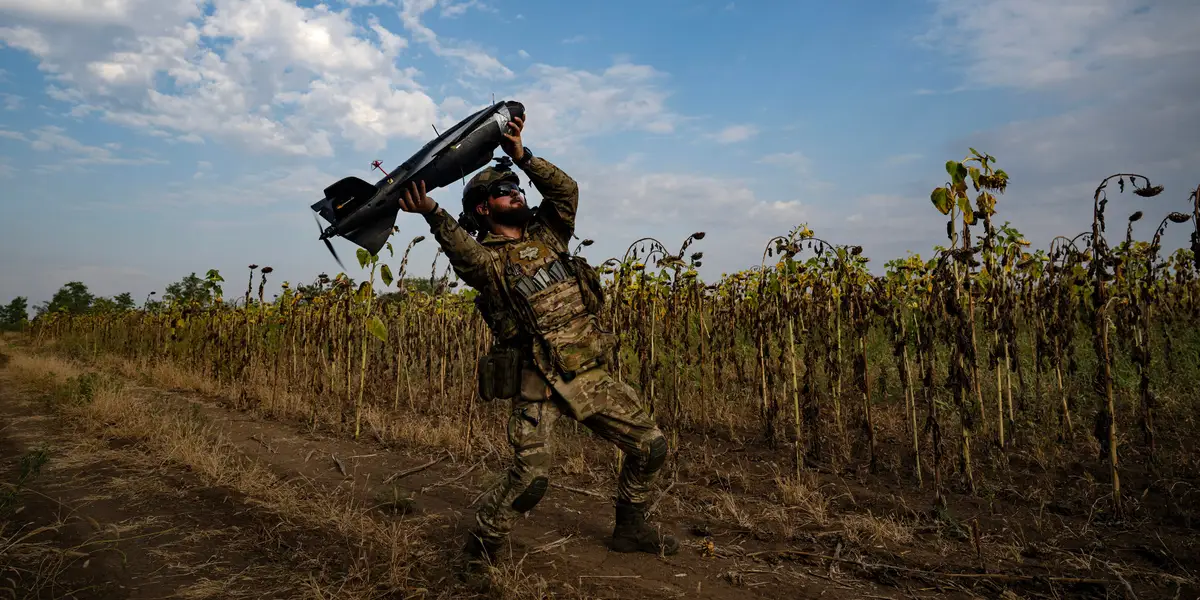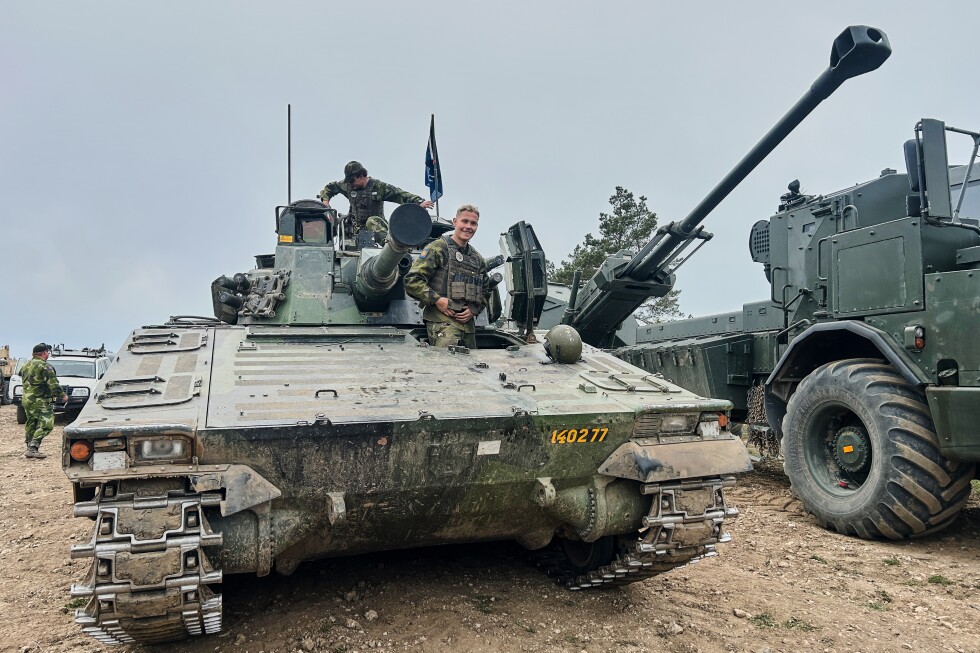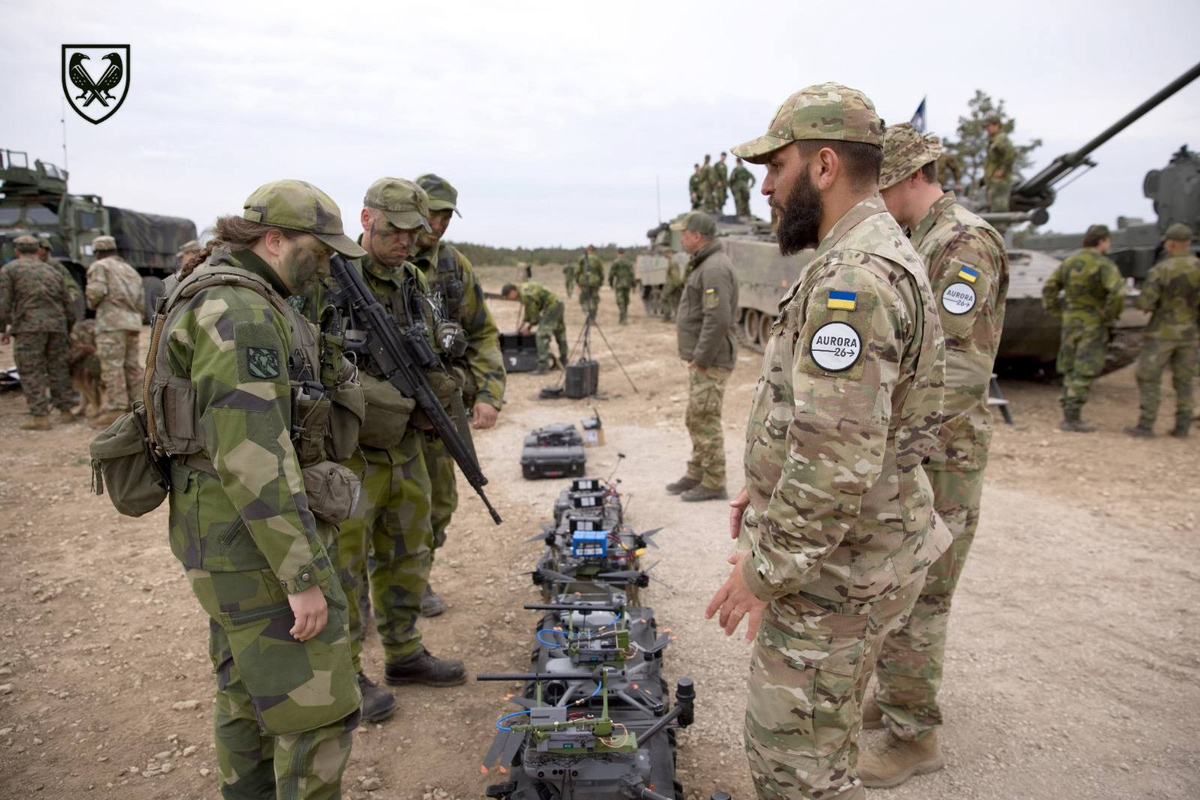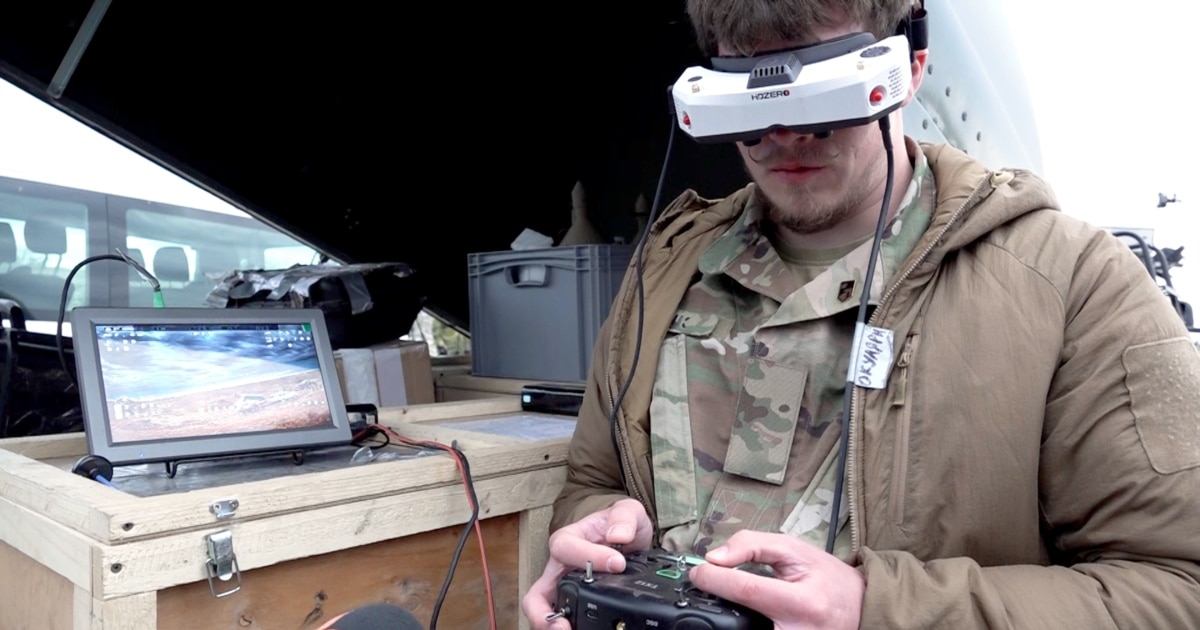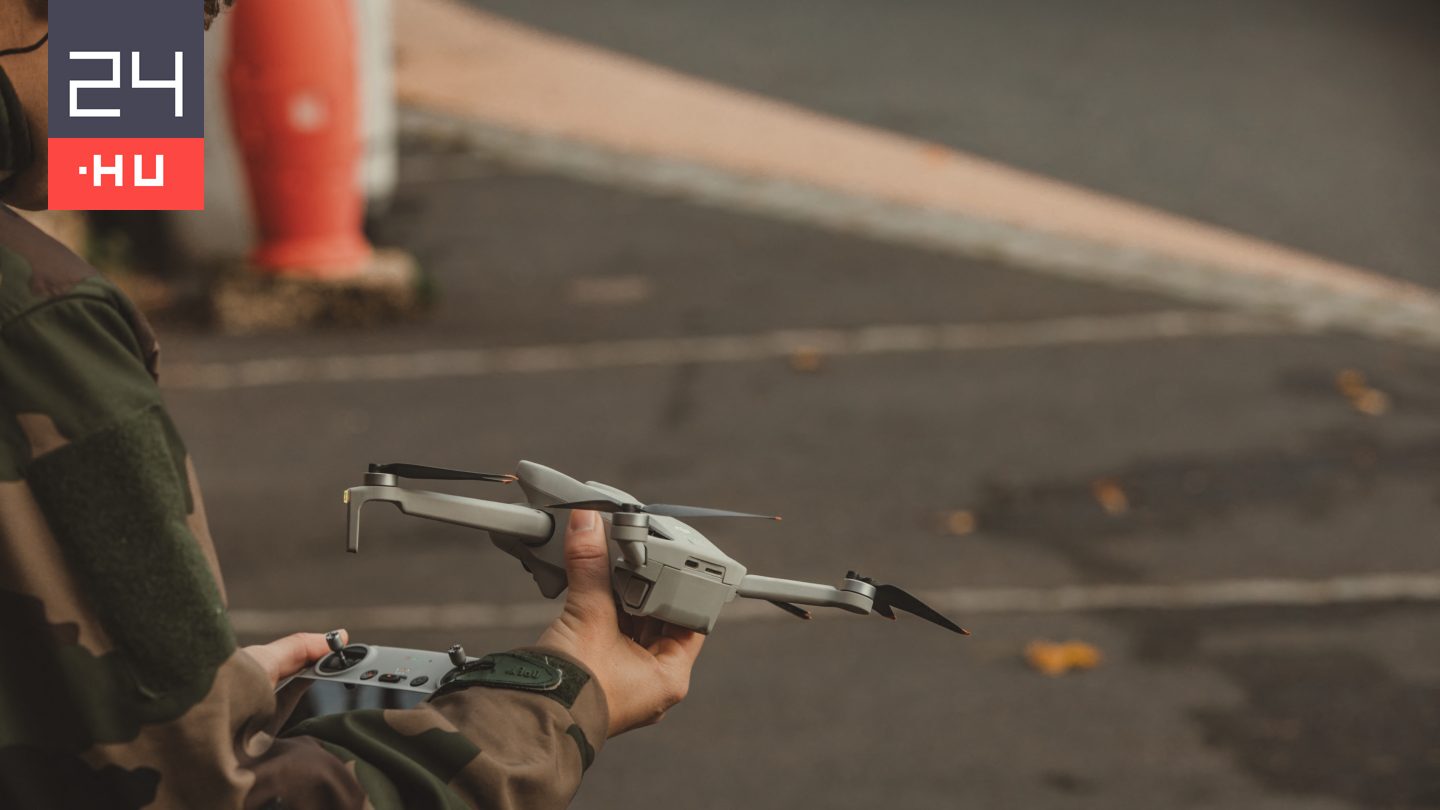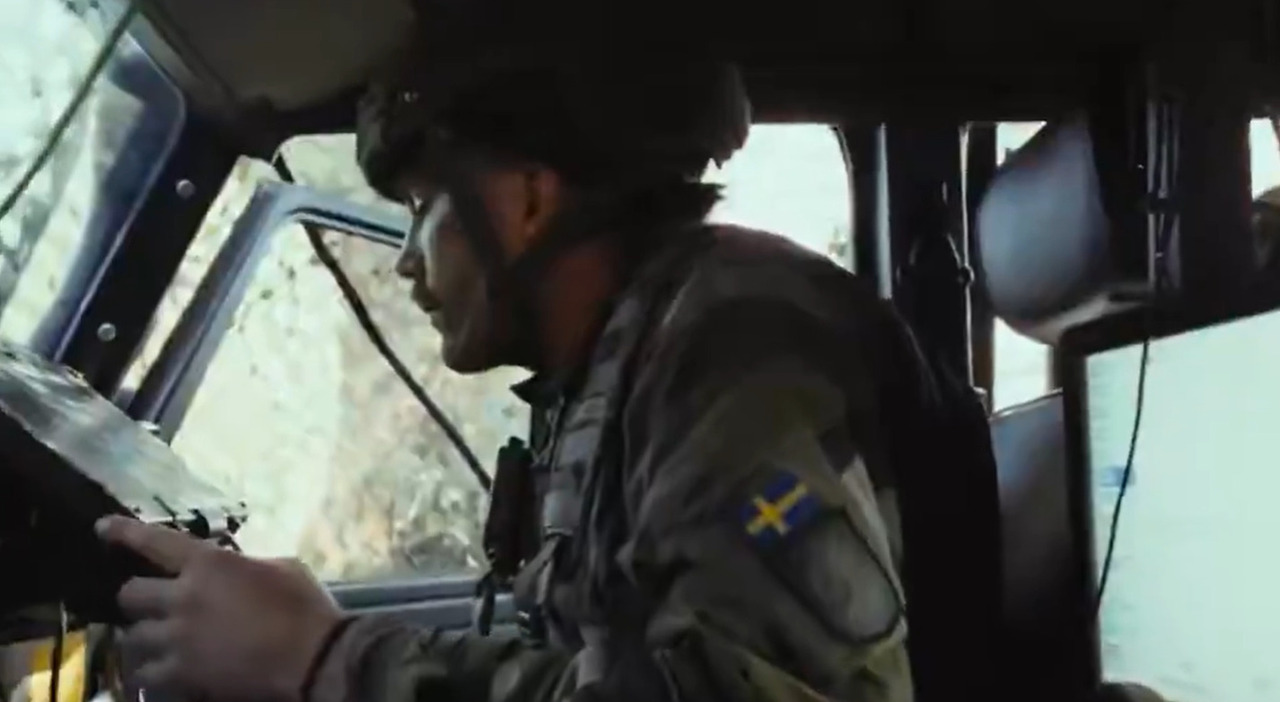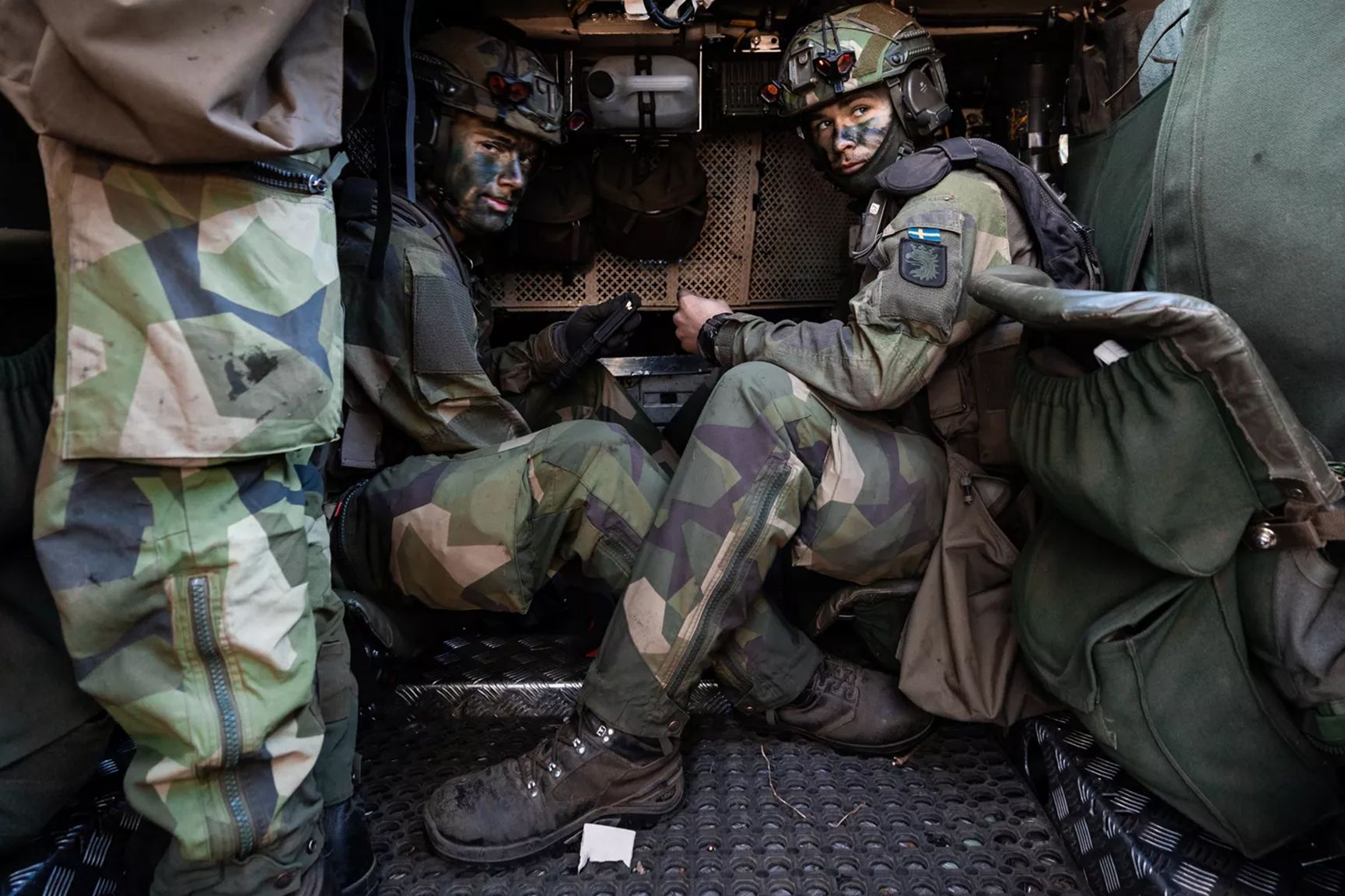
Soldiers with the Swedish Army's South Skåne Regiment load blank ammunition into magazines during Exercise Aurora 26 in Sweden, in May 2026. (NATO)In a light pine forest on Sweden's fortress island of Gotland in the Baltic Sea, a state-of-the-art Leopard 2 tank was in trouble.The tank had barely begun moving out on an offensive mission before it had been spotted and tracked down by a drone belonging to the opposing forces.Its pilot: 37-year-old Ukrainian reconnaissance drone pilot Kvita, who had, just weeks before, been fighting on positions outside the town of Rodynske in Donetsk Oblast, spotting and destroying very real Russian soldiers in a very real war."A soldier got out of the tank, took an anti-tank machine gun and started to shoot at our drone. It looked very funny from the outside," Kvita recalled."We were getting closer to it, and the tank started moving backwards and lifting up its main barrel."The contrast — between a high-end piece of armor belonging to the world's most powerful military alliance and a cheap Chinese-made drone bought online — was bordering on the absurd.
"A tank shooting at a Mavic is like trying to kill a fly with a machine gun."
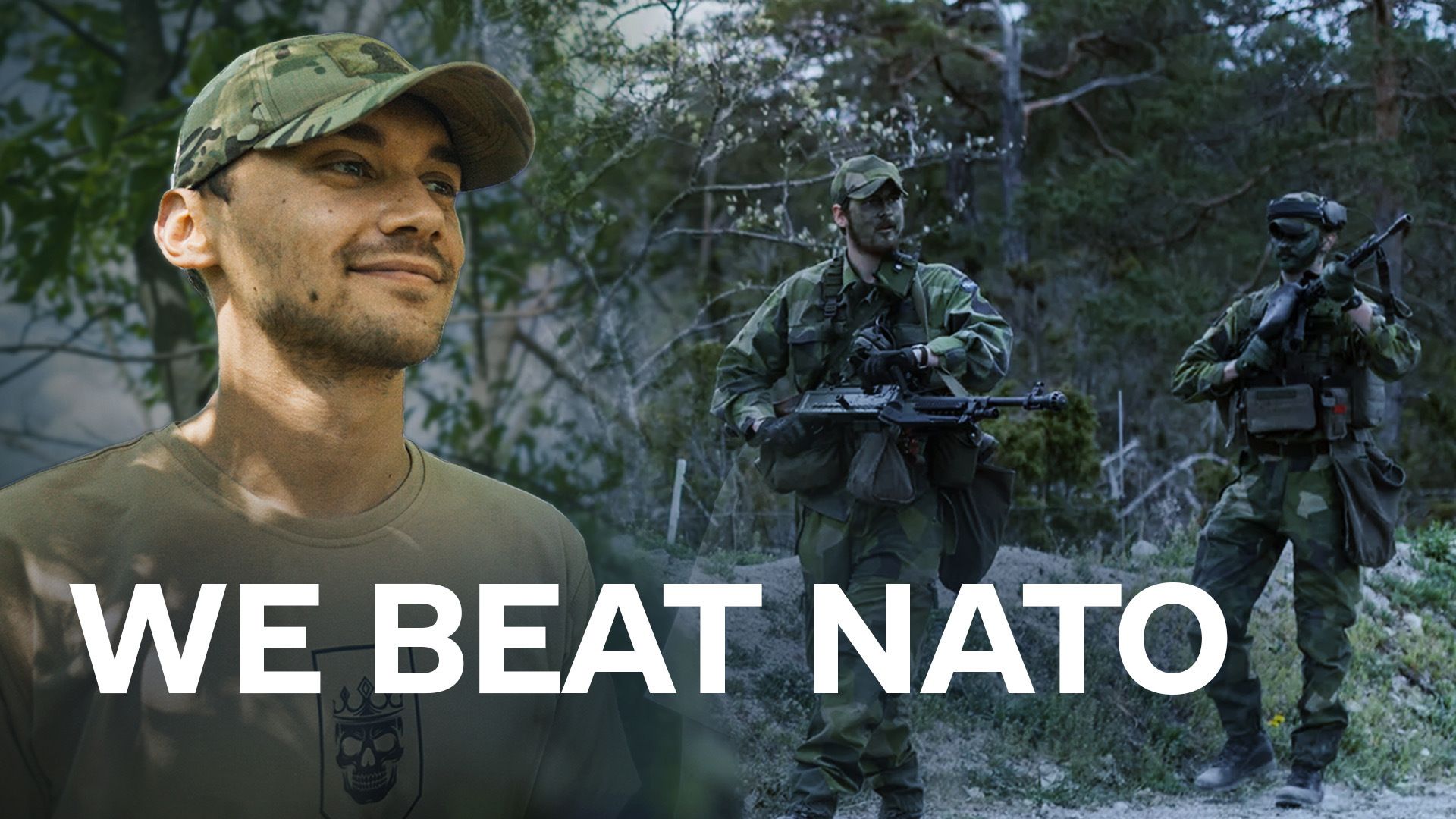
Ukrainian drone pilot Kvita, from the 20th Lubart Brigade of the National Guard, poses for a portrait at a training ground in eastern Ukraine on May 20, 2026. (Francis Farrell / The Kyiv Independent)"He thought we could hit him, and that's why he tried to kill us, to shoot at us. But a tank shooting at a Mavic is like trying to kill a fly with a machine gun," Kvita told the Kyiv Independent at a training ground in Dnipropetrovsk Oblast.The episode was just one amusing anecdote from Aurora 26, a Swedish-led exercise in May involving Swedish troops and forces from 11 other countries, including France, the United States, and the Netherlands, all countries taking their own steps to try and absorb the lessons of Ukraine's drone war.For the 15 Ukrainian soldiers from the 1st Azov Corps invited to play the opposing force, the mission was to test how NATO units would fare against a drone-savvy enemy, i.e. Russia.Soon after their return, the Kyiv Independent spoke to two of the Ukrainian drone pilots involved, both serving in the National Guard's 20th Brigade, better known as Lubart."We didn't like the idea of the red duct tape (commonly worn by Russian soldiers in Ukraine), so we didn't wear it," said Kvita."But in general, we were OK with playing the Russians, because we understood that's the only way they can learn."Ukrainian drone pilots Kvita and Kozache, from the 20th Lubart Brigade of the National Guard, at a training ground in eastern Ukraine on May 20, 2026. (Francis Farrell / The Kyiv Independent)Aurora 26 was not the first case of combat-tested Ukrainian drone teams picking apart NATO forces.In February, teams from two top brigades in Ukraine's Unmanned Systems Forces produced similar results at alliance exercises in Estonia.But with NATO forces spread across dozens of separate militaries, each with their own internal cultures, progress in adapting to the paradigm shift of modern drone warfare continues to be sluggish, especially without any comparable combat experience.High-stakes gamesAll in all, the Ukrainian contingent, coming both from Lubart and the 1st National Guard Brigade, took part in three separate exercises: a hybrid-style attack on an airfield, a mechanized assault, and a special forces mission.On each mission, only six Ukrainians would be in the field at one time: a simple setup of one reconnaissance and one first-person-view (FPV) strike team each.In the airfield mission, OPFOR, boosted by the Ukrainian drone teams, aimed to suppress NATO drone and electronic warfare (EW) assets before attacking on the ground."They were trying to jam us, they were trying to locate our drones," said 30-year-old FPV pilot Kozache, "and whenever we hit their jamming system, they turned it off."Ukrainian drone pilot Kvita of the 20th Lubart Brigade of the National Guard operates a drone during NATO's Exercise Aurora 26 in an undisclosed location in Sweden in May 2026. (NATO)Even on a simple technical level, the matchup of Ukrainian drones — honed by years of fighting in conditions of Russia's often powerful EW — with NATO's countermeasures proved very much lopsided."There was no problem with the drones or whatever. We didn't even use the (unjammable by EW) fiber-optic drones that we took," recalled Kozache.