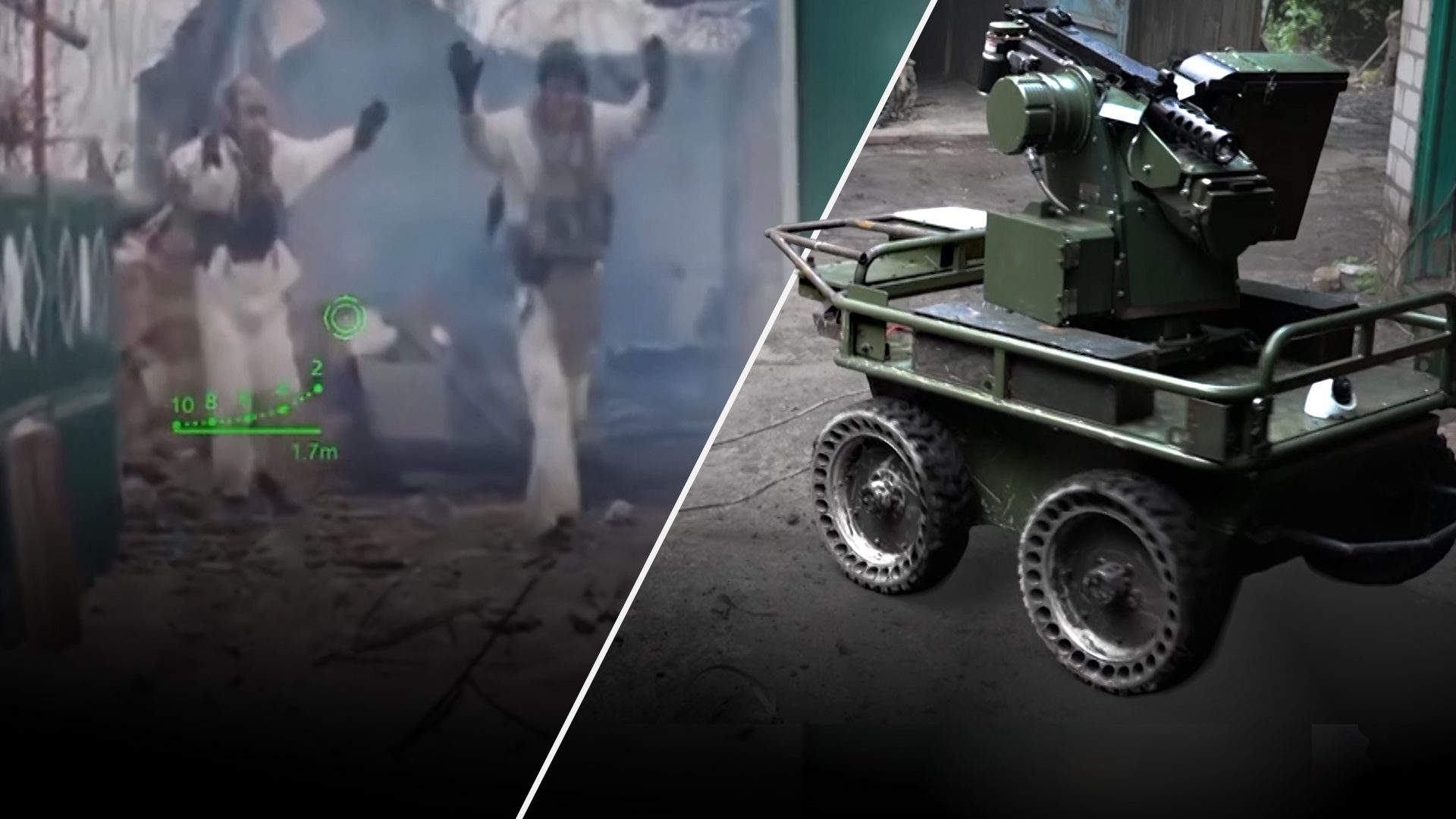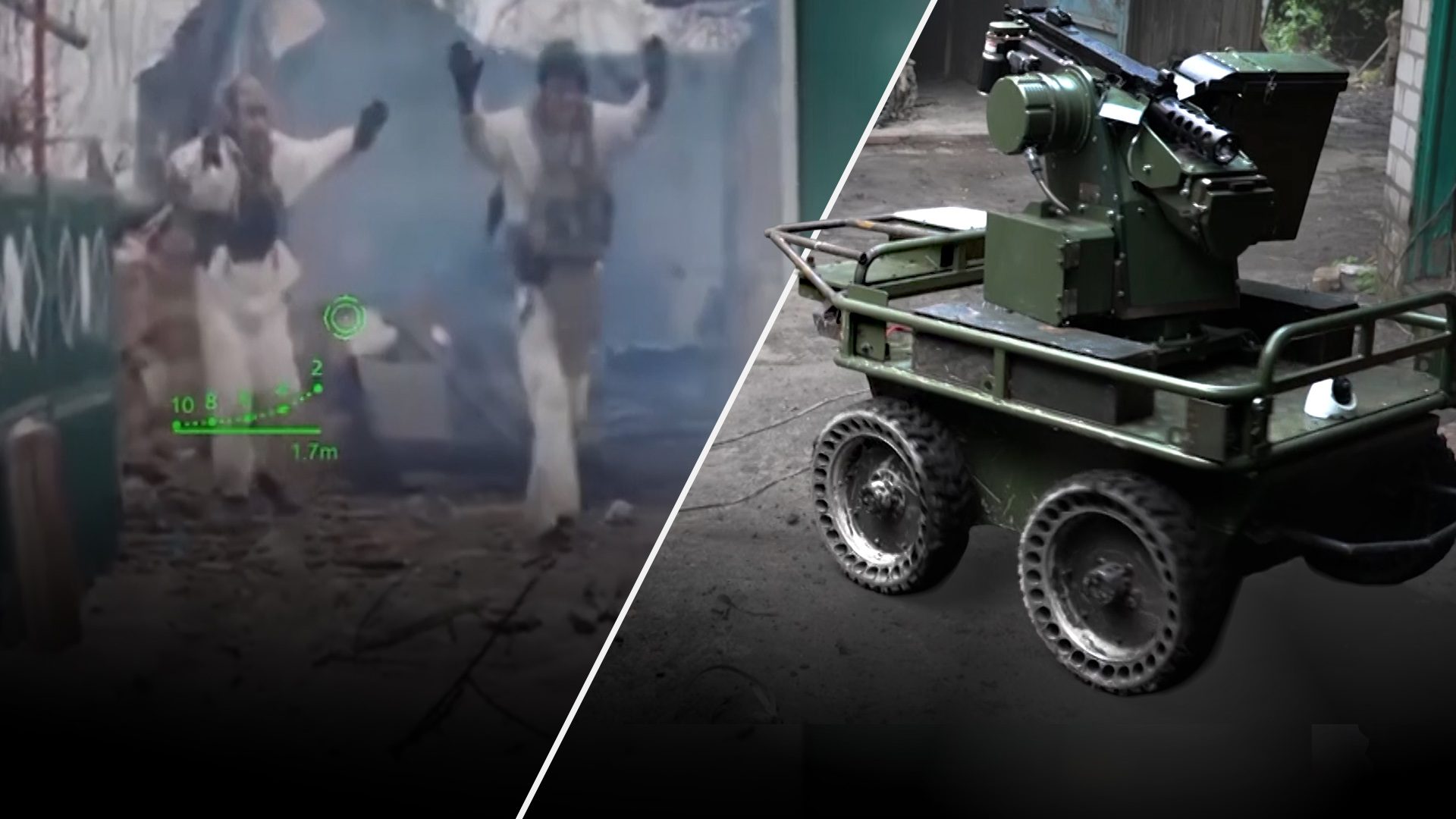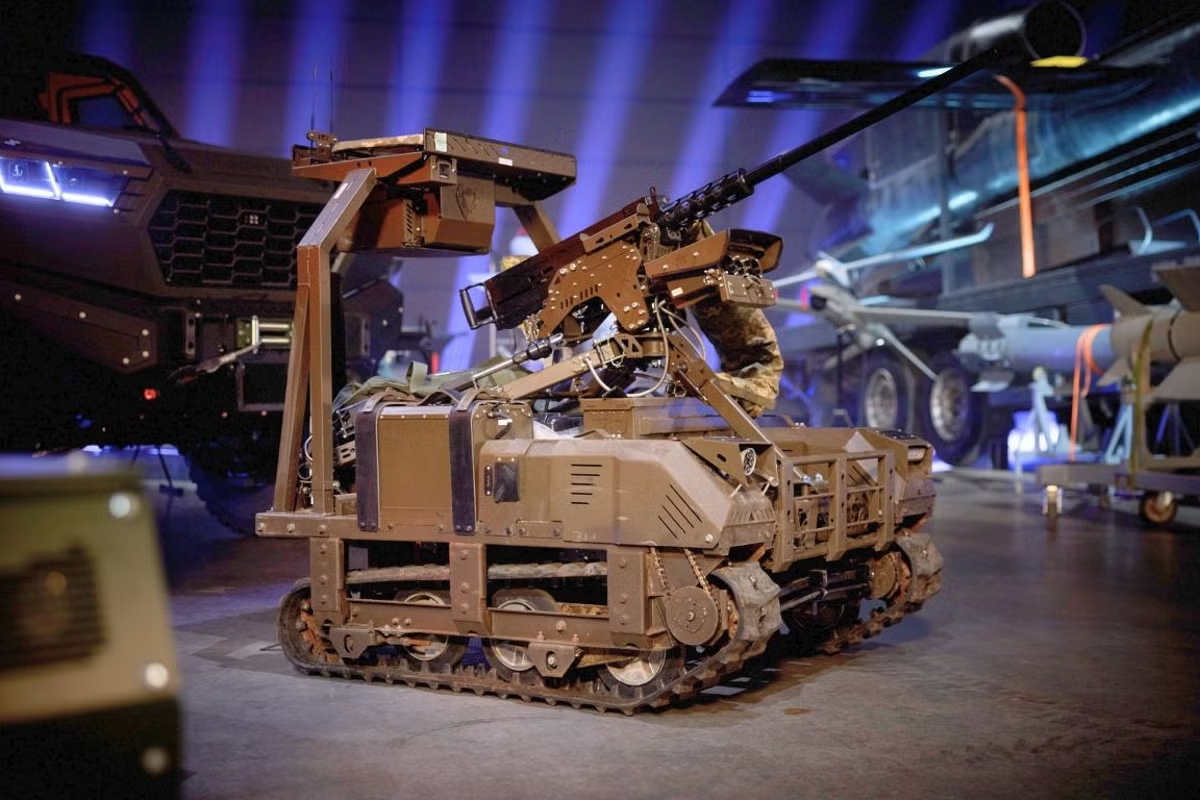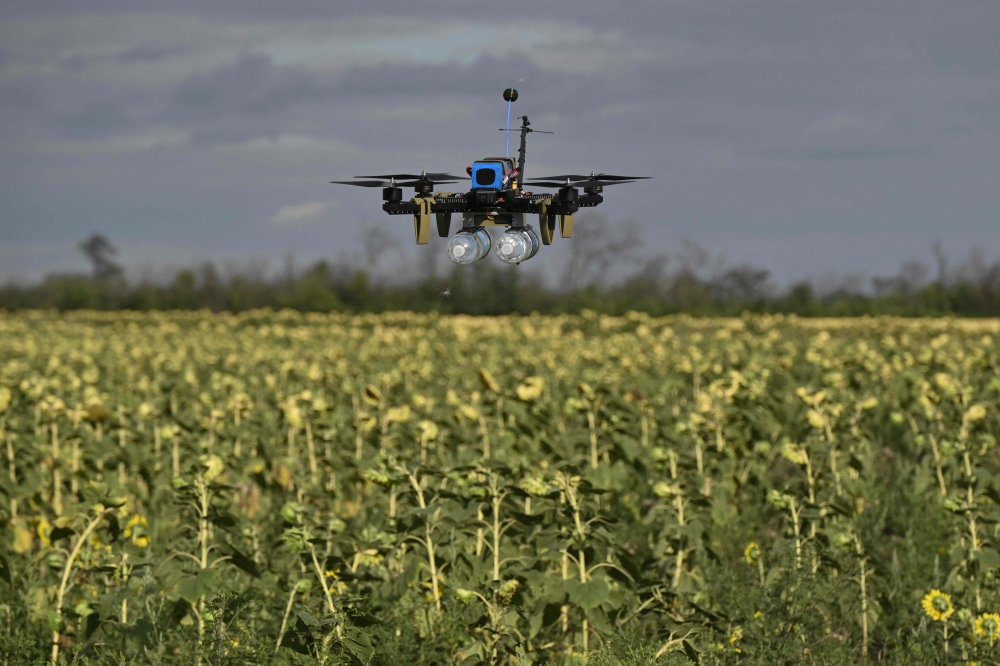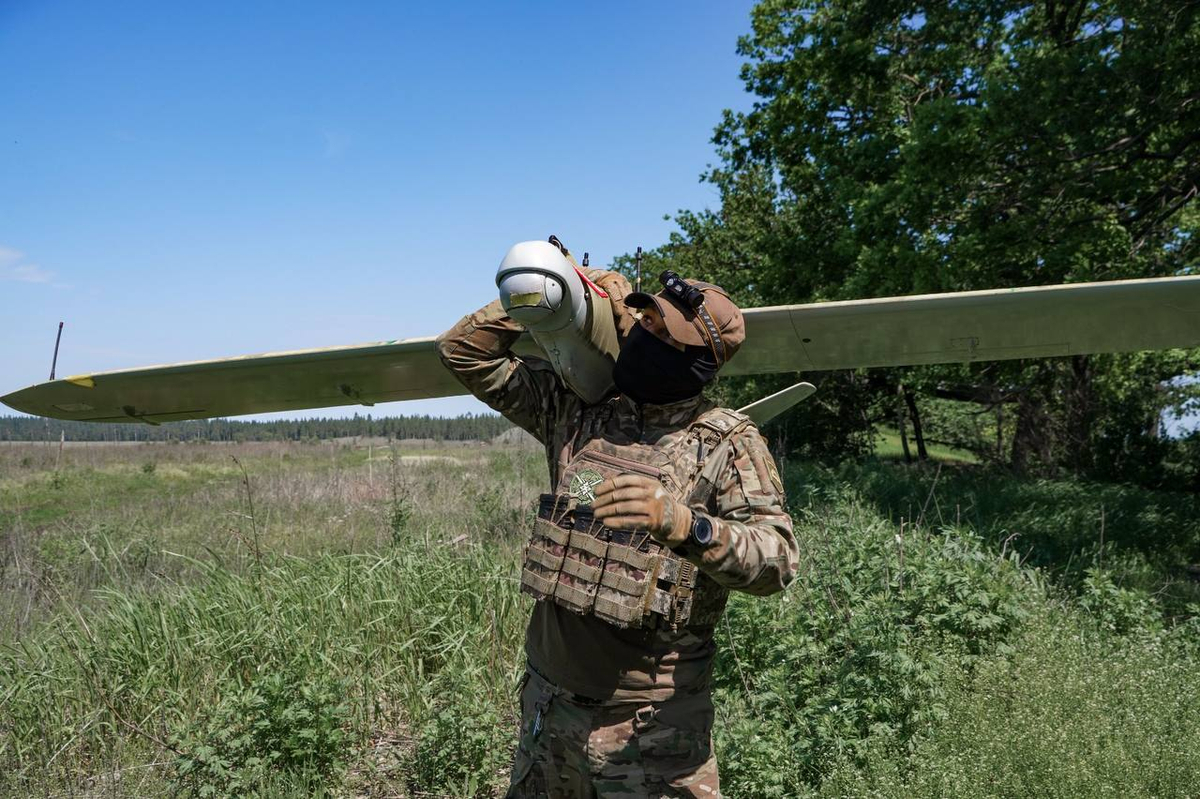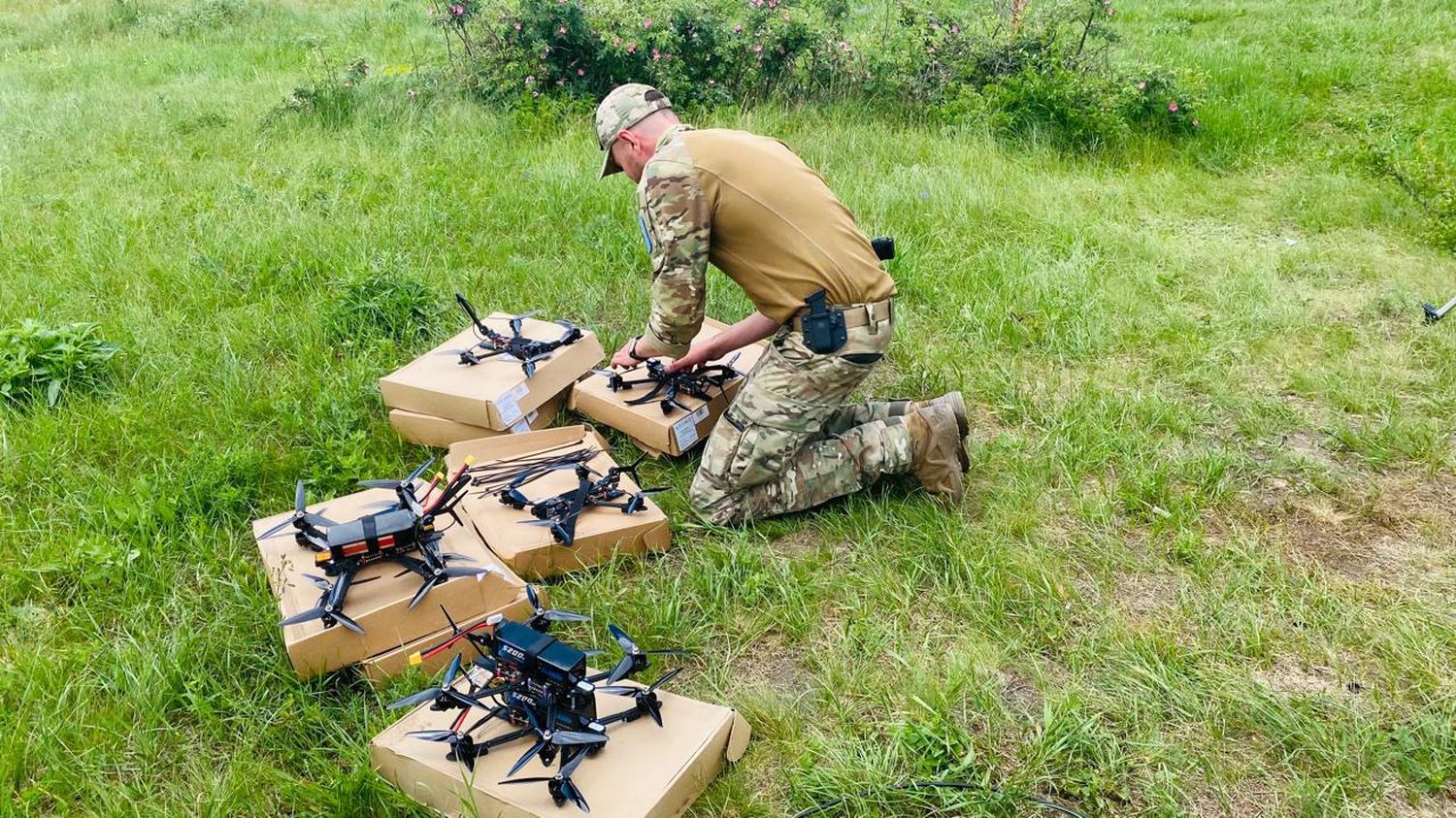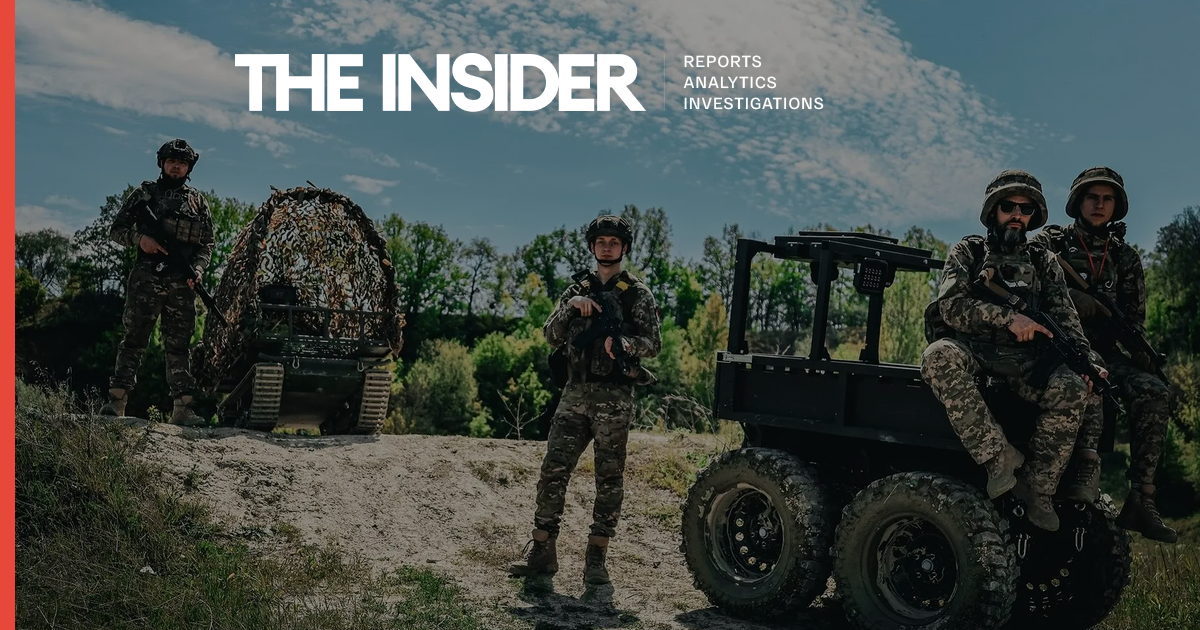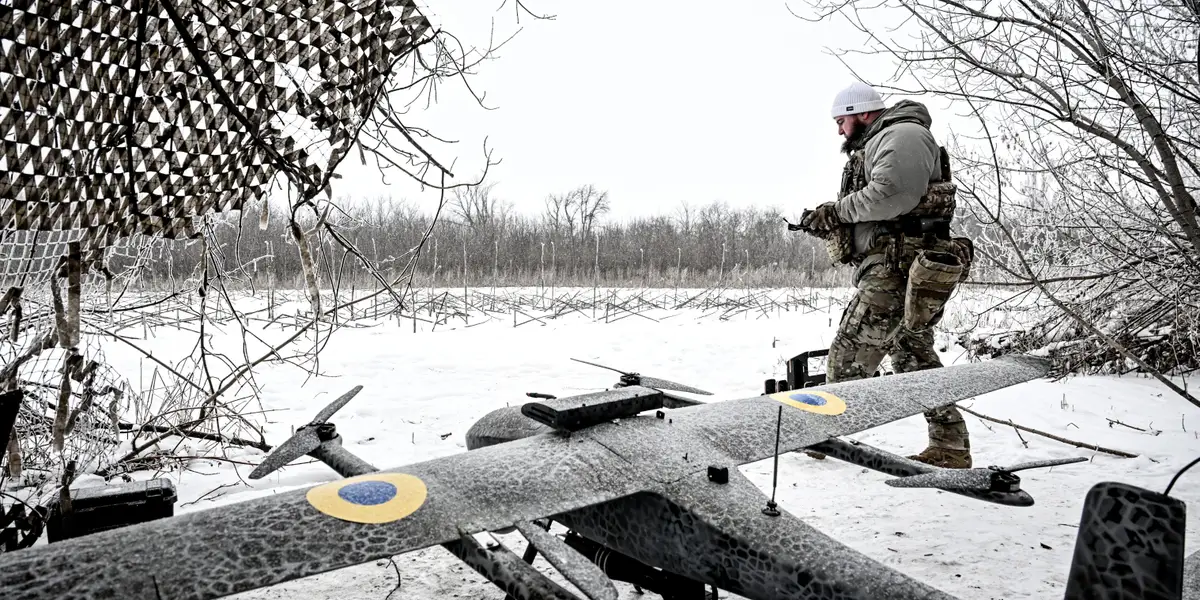
On a freezing morning last December, in a treeline north of Kharkiv, the future of warfare arrived.A unit of Ukraine's 13th National Guard Brigade attacked Russian positions near the village of Lyptsi.Tracked ground robots rolled forward carrying explosives and machine guns. Quadcopters buzzed overhead, spotting targets and dropping grenades. Heavy 'Baba Yaga' bombers, the size of a dining table, hunted dug-in infantry. Not a single Ukrainian soldier took part in the assault. The Russians were defeated by an enemy that was not there.That was 18 months ago. It was the first battle in history fought entirely by machines. And almost no one in Britain has heard of it.While Whitehall writes business cases, the Russian army has reinvented itself. Every month, Russian aircraft drop around 3,500 glide bombs on Ukrainian positions. These are old Soviet FAB-500 and FAB-1500 dumb bombs, some weighing a ton and a half, fitted with a £15,000 strap-on guidance kit called UMPK. The bombs have been sitting in warehouses gathering dust since the Brezhnev era. Adding the kit turns it into a weapon that can flatten a building from 40 miles away. Russia has ordered 75,000 of them for this year alone. Al Carns is the former Armed Forces minister and CommandoIn the air, swarms of Iranian-designed Shahed-136 drones, now built in Russian factories at Alabuga, are launched a hundred at a time. Each one costs £30,000. Each Western missile fired to shoot them down costs between £500,000 and £2million.At sea, Ukraine has done something no country has done since the Second World War: driven a great power's fleet out of its own home port. And it did it without a navy.The Ukrainians used explosive jet-skis steered by satellite to put Russian frigates, landing ships and a submarine on the bottom of the Black Sea.On the ground, the Russians have copied Ukraine's first-person-view drone tactics and scaled them. An FPV quadcopter, built from Chinese parts for £400, flown by a Ukrainian teenager with a virtual reality headset, can hunt down a £4million battle tank.So, what are we doing in the UK? We are buying more tanks. We are writing 20-year procurement programmes for platforms that will be obsolete before they leave the factory. We are tying ourselves into American kit that arrives late, costs three times the estimate, and depends on software we cannot modify. We have a stockpile of 155mm artillery shells that, by serious estimates, would last days in a peer conflict.Our Defence Investment Plan commits Britain to 2.68 per cent of GDP by 2030. Poland is already at 4 per cent and Estonia is heading for 5 per cent.But a percentage of GDP tells you nothing about what you buy with it. It tells you nothing about whether that money buys deterrence, or scrap. When a £400 drone destroys a £4million tank, it's time to order more drones.The situation is not all doom and gloom. We have the best engineering talent in Europe. We have universities that produce world-class software designers, robotics experts and aerospace engineers. We have towns from Barrow to Belfast, Hartlepool to Plymouth, that built the kit that won the last two world wars and have been waiting 40 years for someone to give them a reason to do it again.A British drone industry would not be a cost. It would be a renaissance. Factories making FPV quadcopters in the North East. Software houses in Manchester writing the autonomy code. Apprenticeships in Glasgow building drones that defend the North Atlantic. British kit, designed here, built here, used by our forces and sold to our allies.War has already changed. Britain needs to as well.Al Carns is the former Armed Forces minister and Commando
AL CARNS: Drones have changed the face of war... we must change too
On a freezing morning last December, in a treeline north of Kharkiv, the future of warfare arrived.
TL;DRAI
Ukraine's all-machine December battle proved £400 FPV drones destroy £4-million tanks; Russia scales UMPK-guided bombs and Shahed production. UK procures 20-year legacy platforms while drone warfare shows asymmetric advantage flows to iteration speed—reshoring autonomy/software design is strategic imperative.
611 words~3 min read