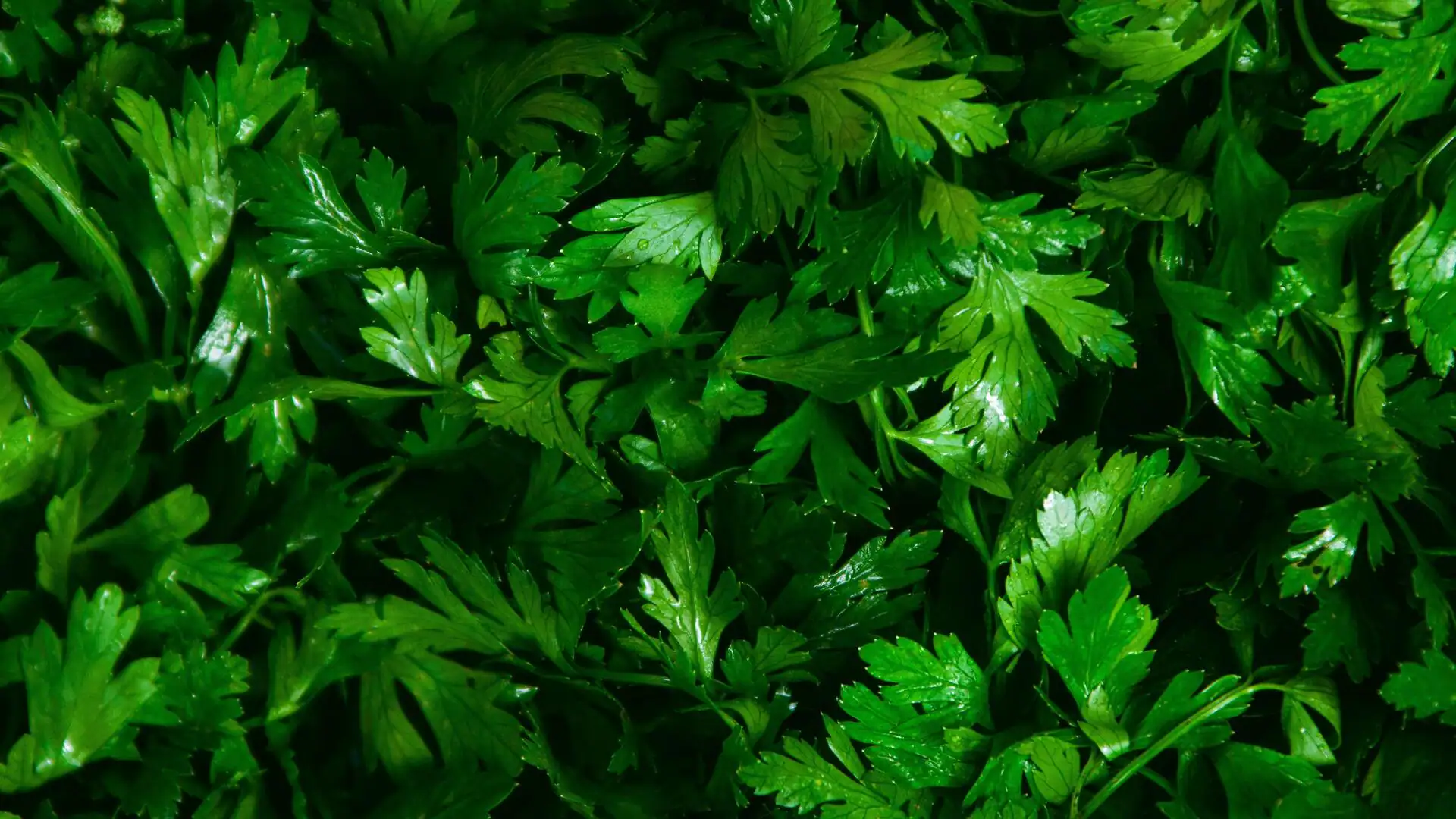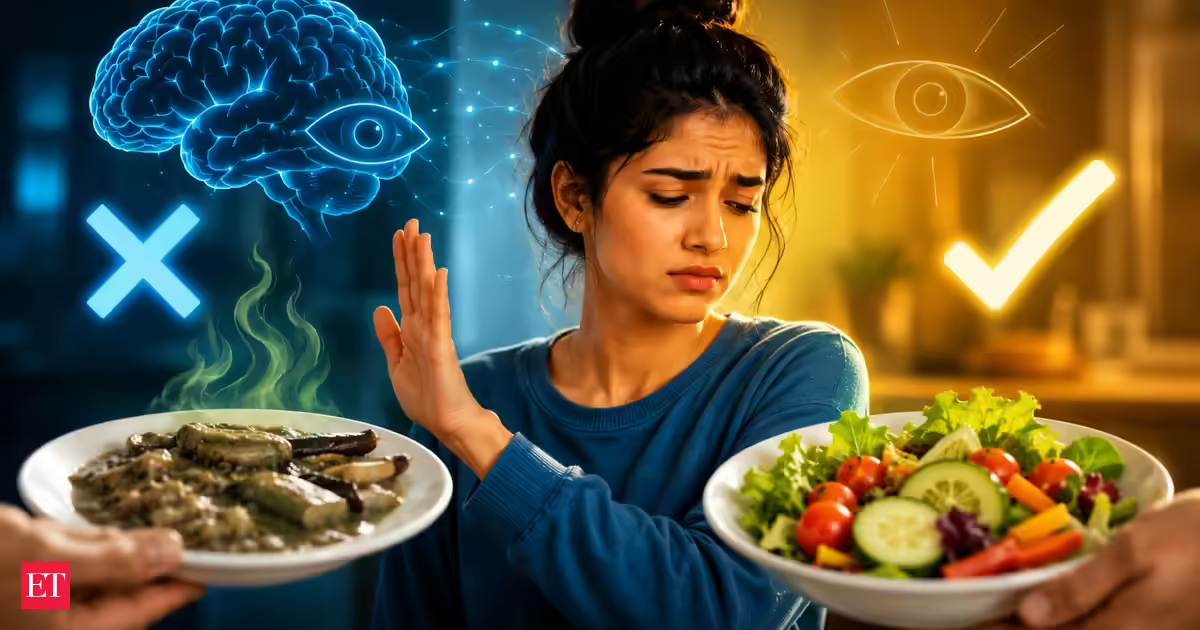
Most food preferences are easy to explain. Some people love spicy food. Others avoid mushrooms. Some cannot resist desserts. But cilantro is different. For years, people who dislike cilantro have heard the same jokes. They are told they are picky eaters, too sensitive or unwilling to try new foods. Yet psychology and science suggest something surprising: many of these people are not exaggerating at all. For some individuals, cilantro genuinely tastes unpleasant. Instead of tasting fresh, citrusy, or herbal, it may resemble bitter medicine, soap, chemicals or even crushed pills. In other words, they may be experiencing an entirely different sensory world. Psychology suggests this unusual reaction is a combination of biology, sensory processing, and how our brains interpret flavors.Here is what may actually be happening.Psychology says your genes may be influencing your taste budsOne of the biggest reasons cilantro divides people is genetics. Scientists have discovered that certain people carry genetic variations that make them more sensitive to specific compounds called aldehydes. These same compounds are found in cilantro and some soaps and cleaning products. As a result, their brains amplify unpleasant flavors that other people barely notice. Psychology says people who hate cilantro aren't picky eaters: Their brains and genes may literally be tasting something differentResearchers associated with Harvard Medical School and genetic studies published by organizations including 23andMe have explored how genetic differences influence cilantro perception. This means two people can eat the exact same dish and have completely different experiences. One tastes freshness. The other tastes bitter medicine. Neither person is wrong.You Might Also Like:Your brain may be highly sensitive to sensory informationPsychology also points toward sensory processing. Sensory processing refers to how the brain receives and organizes information from the environment. Some people naturally have heightened sensitivity to smell, taste and texture.Psychologists sometimes refer to this trait as sensory sensitivity. People with high sensory sensitivity often notice details that others miss. They may be more aware of loud sounds, strong perfumes or overwhelming textures. Food is no exception. For them, cilantro can dominate an entire meal because their brains amplify its flavor signals. A small sprinkle can feel enormous.The brain is designed to protect us from bitter flavorsHumans are biologically wired to be cautious about bitterness. Evolutionary psychologists believe this developed as a survival mechanism. Many toxic plants in nature taste bitter. Over thousands of years, the brain learned to treat bitterness as a warning sign.Psychologists call this negativity bias toward aversive stimuli. If someone's brain interprets cilantro as bitter or medicinal, it may immediately categorize it as undesirable. This reaction is often automatic. The person is not making a conscious choice. Their nervous system is simply responding the way it was designed to.Past experiences may strengthen the dislikeAnother psychological concept involved is associative learning. The brain constantly creates associations between experiences and emotions. If someone had an unpleasant encounter involving cilantro as a child, the memory may strengthen future aversions. Psychologists call this conditioned taste aversion.For example, if a person ate cilantro during an upsetting experience or became ill after a meal containing it, the brain may permanently connect the herb with discomfort.Even if cilantro was not responsible, the association can remain powerful. Researchers from the American Psychological Association have frequently discussed how associative learning shapes human behavior.Social media has made the cilantro debate even biggerA decade ago, this preference was simply a dinner table conversation. Today, it has become a cultural phenomenon. Social media is full of videos where people passionately debate cilantro. Some call it refreshing. Others compare it to soap, perfume or medicine. This is partly explained by Social Identity Theory.Humans enjoy connecting with people who share similar experiences. When someone discovers millions of others who also hate cilantro, they feel validated. Suddenly, what once felt unusual becomes normal. Modern examples are everywhere. Entire online communities now celebrate their shared dislike of certain foods.Psychology says this is not stubbornness, it is perceptionOne of the biggest misconceptions is that food preferences are entirely about attitude. Psychology suggests something much more complex. Humans do not all experience the world in identical ways. Taste is deeply personal.It is shaped by biology, memories, culture and sensory sensitivity. What tastes wonderful to one person may taste unbearable to another. And that is perfectly normal.Psychology says the cilantro is not the story, the brain isPsychology teaches us that everyday disagreements often reveal fascinating truths about human behavior. The cilantro itself is not the story. The story is how differently our brains experience the same world. Two people can share a meal and walk away with completely different memories.One remembers freshness. The other remembers bitter medicine. Neither one is wrong. Because sometimes the biggest reminder of how unique humans are can be found in something as small as a leaf on a dinner plate.And perhaps that is why the cilantro debate continues to fascinate millions of people around the world. It is proof that our brains are far more individual than we realize.FAQsWhy does cilantro taste like medicine to some people?Genetic differences can make certain people more sensitive to compounds in cilantro, causing it to taste bitter, medicinal or soapy.Is hating cilantro a psychological condition?No. It is usually a combination of genetics, sensory processing and personal experiences.
Psychology says people who hate cilantro aren't picky eaters: Their brains and genes may literally be tasting something different
Psychology suggests that even ordinary disagreements can reveal surprising insights about human behavior. The real story is not about cilantro itself, but about the remarkable ways in which different brains perceive and interpret the very same experience.
869 words~4 min read