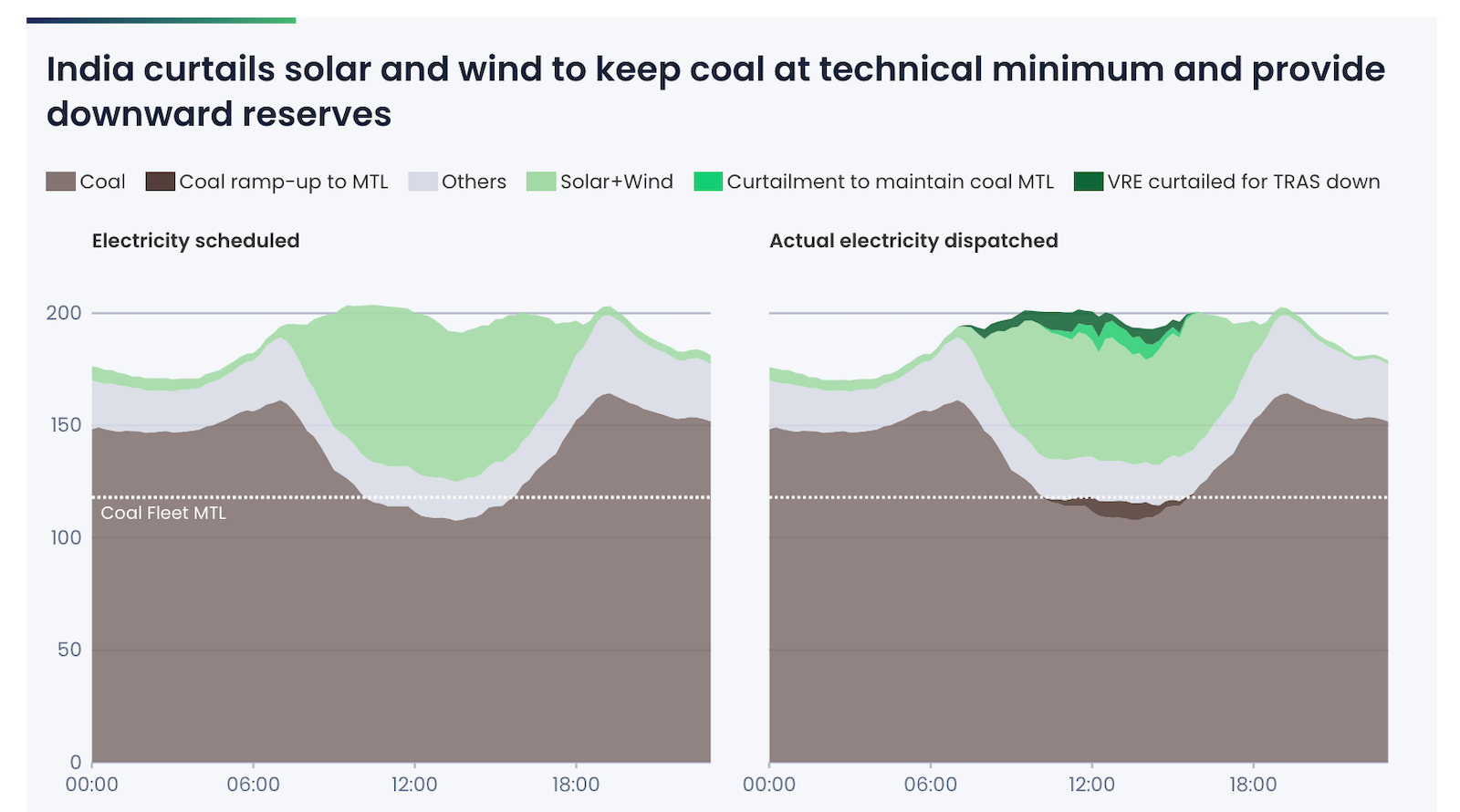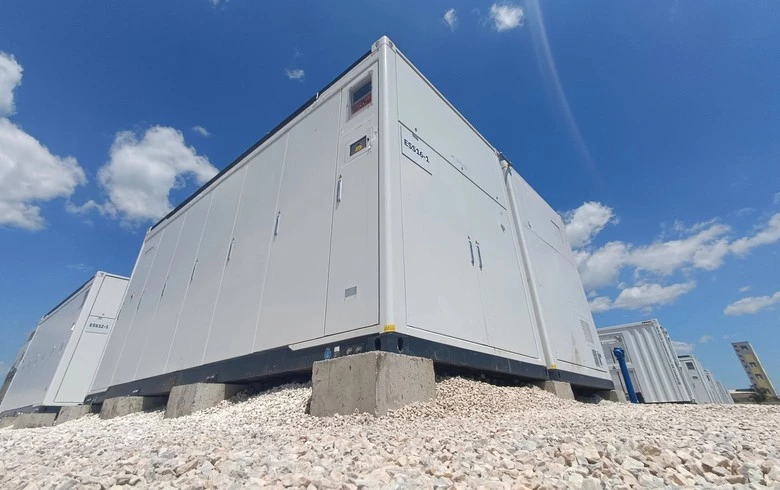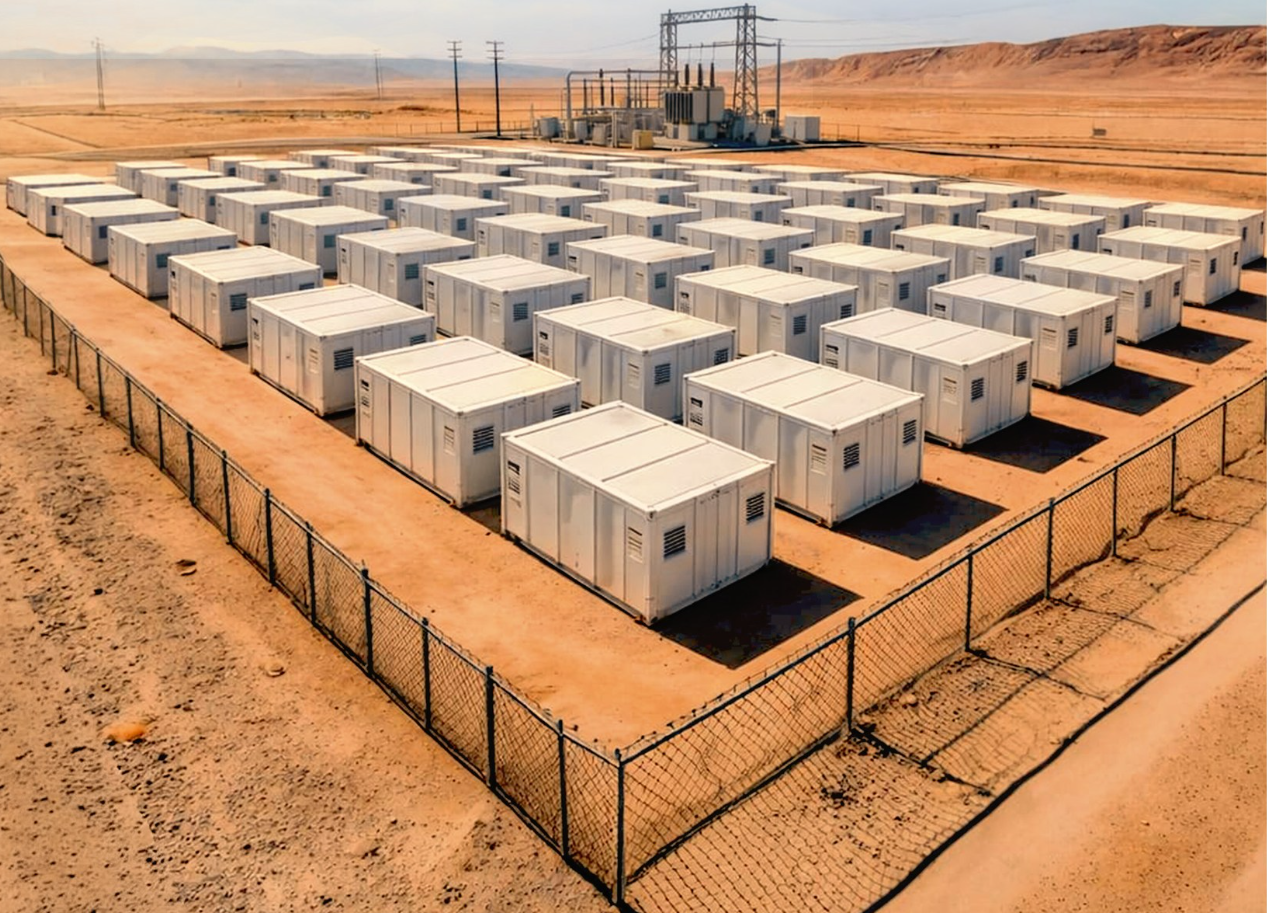
Ember’s analysis found that about 2.1 TWh of renewable electricity generation was curtailed in fiscal year 2025–26, equivalent to 1.3% of total renewable generation, to keep coal-fired power plants operating at their minimum technical load. The report estimates that around 10 GWh of energy storage, charged during peak midday solar generation hours, would have been sufficient to absorb this surplus renewable output, maintain coal plants above their minimum technical load, and avoid the curtailment altogether.
India needs around 10 GWh of battery storage immediately to stop renewable energy curtailment when the coal fleet cannot ramp down below its technical minimum, according to a new analysis by energy think tank Ember.
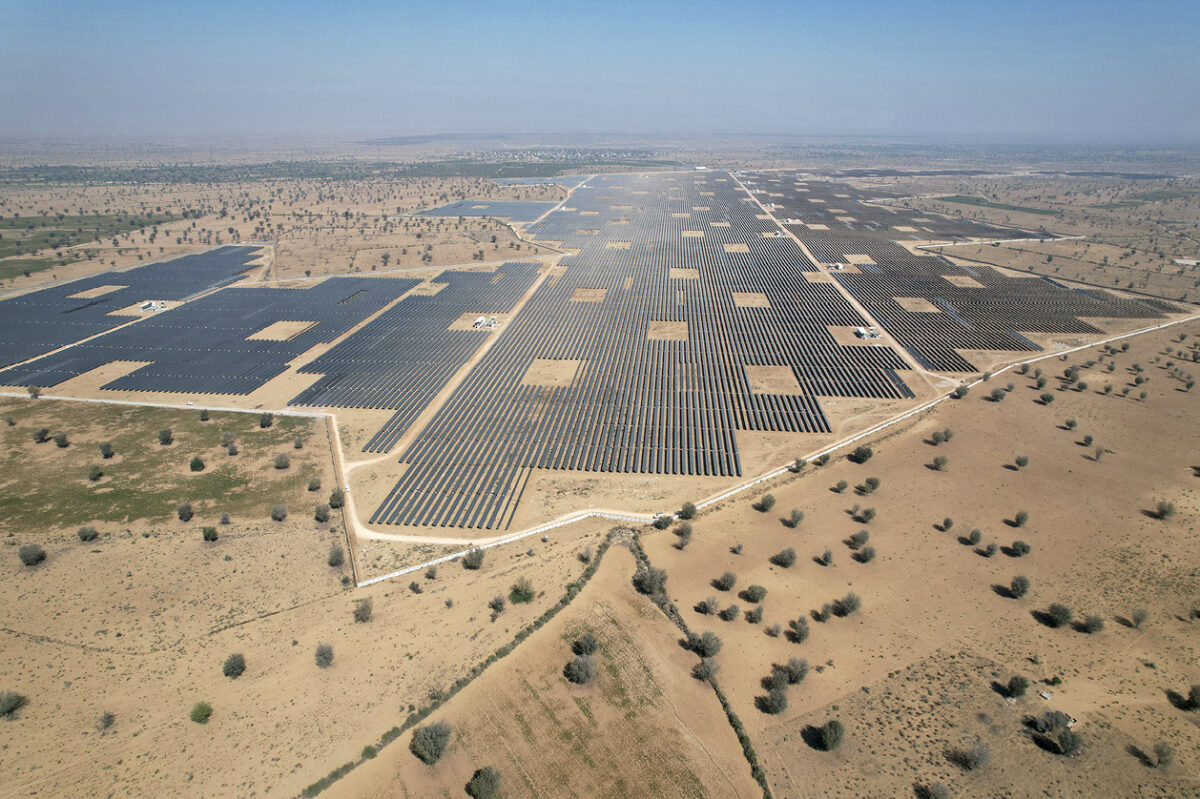
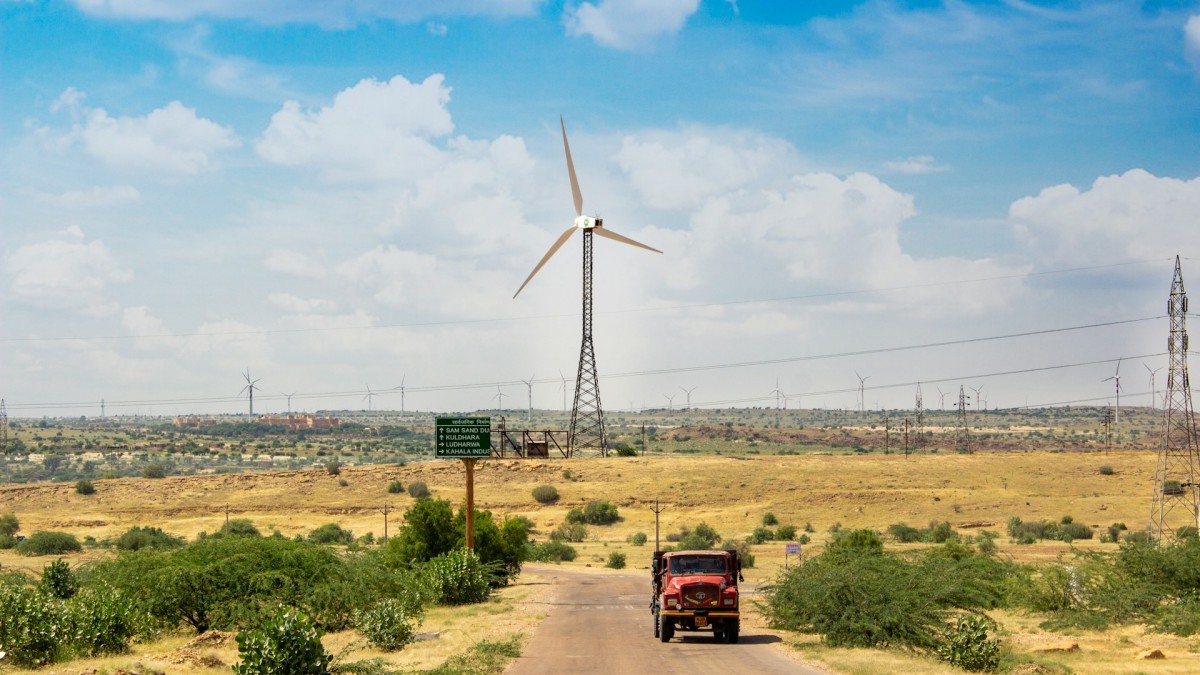
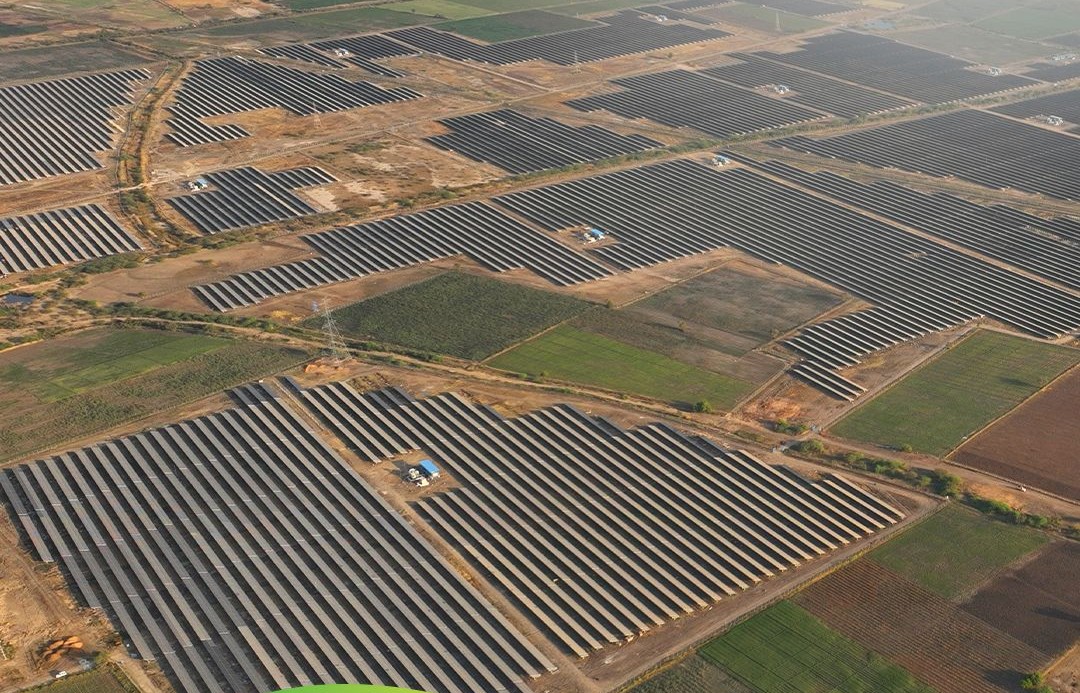
With solar power flooding the grid at midday, several coal-based power plants are required to operate at or even below their minimum technical loads (MTL) — the lowest levels at which they can safely operate. As a result, grid operators are curtailing clean electricity to keep coal-based power plants online for the nighttime surge in demand and to provide necessary reserves.
Ember’s analysis found that about 2.1 TWh of renewable electricity generation was curtailed in fiscal year 2025–26, running from April 1, 2025, to March 31, 2026, equivalent to 1.3% of total renewable generation, to keep coal-fired power plants operating at their minimum technical load. The report estimates that around 10 GWh of energy storage, charged during peak midday solar generation hours, would have been sufficient to absorb this surplus renewable output, maintain coal plants above their minimum technical load, and avoid the curtailment altogether.