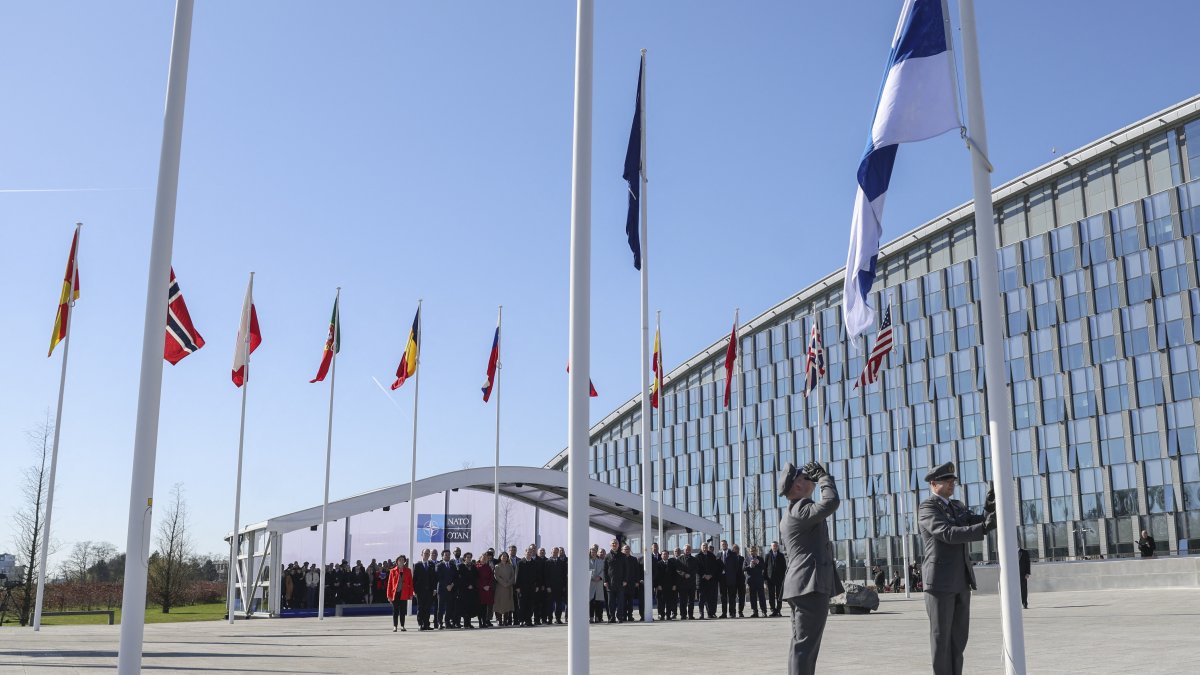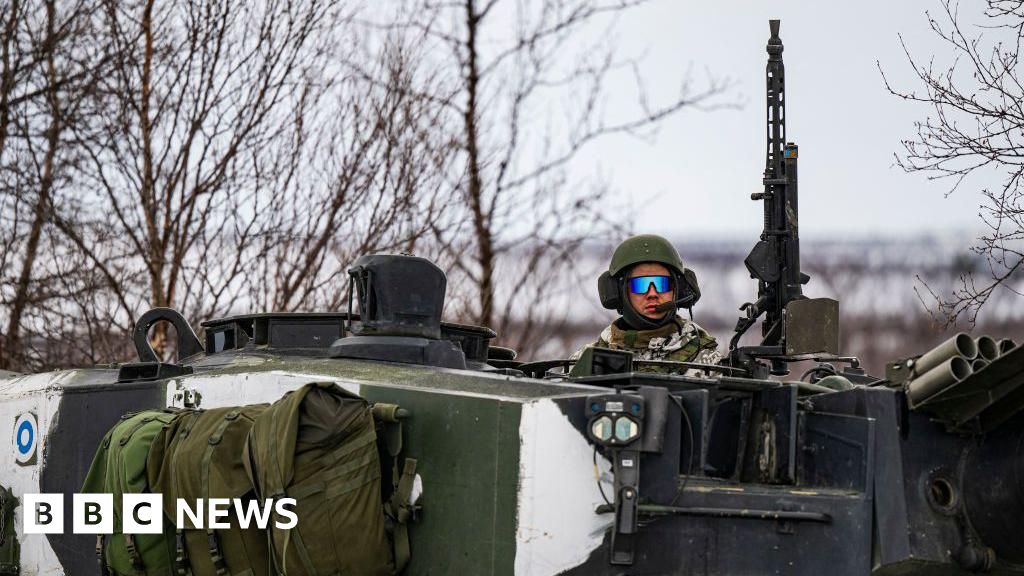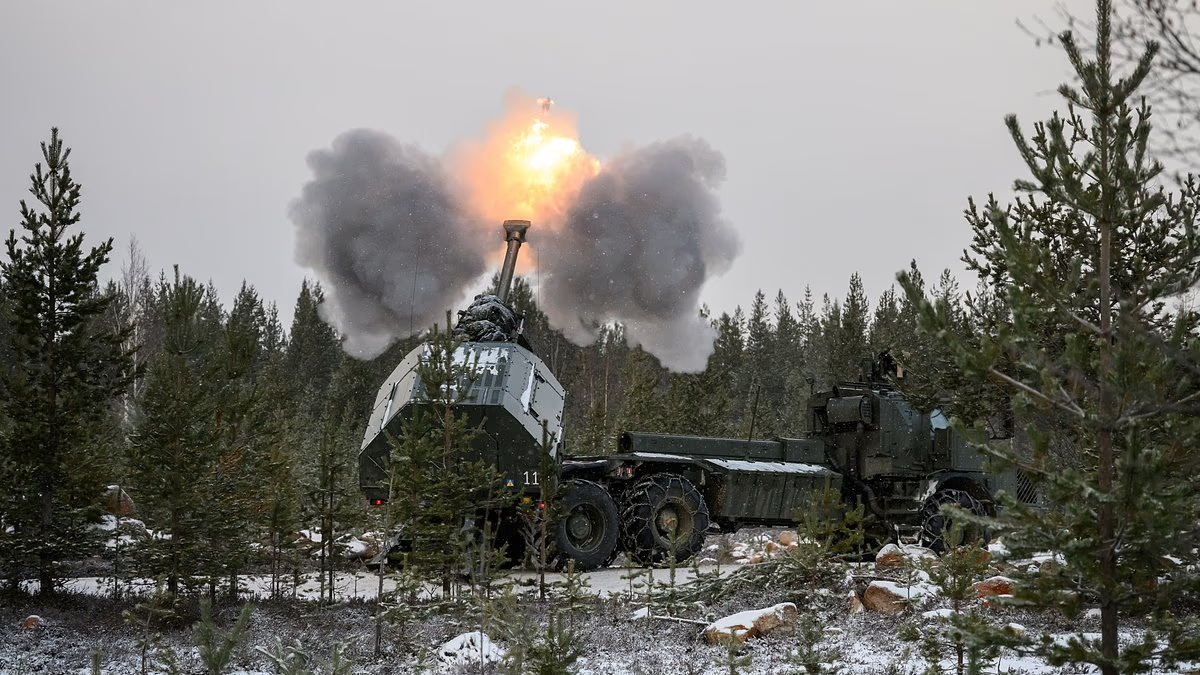
Finland is rewriting its nuclear rulebook. The Nordic nation, which joined NATO in April 2023 after decades of careful military neutrality, has passed legislation lifting its longstanding ban on nuclear weapons as part of a broader effort to fully integrate into the alliance’s defense architecture.
The legislative changes target the 1987 Nuclear Energy Act and Finland’s Criminal Code, removing legal barriers that previously prohibited nuclear weapons on Finnish soil.
What Finland actually changed, and why
The Finnish government first proposed the draft amendments on March 5, 2026, framing them as necessary housekeeping for a country that had fundamentally altered its geopolitical posture three years earlier. When Finland joined NATO on April 4, 2023, it ended a posture of military non-alignment that had defined its foreign policy since the Cold War.
Defense Minister Antti Häkkänen argued that the existing nuclear ban created an awkward legal contradiction for a NATO member state. The alliance’s collective defense model rests partly on nuclear deterrence, and having domestic laws that explicitly criminalized any nuclear weapons presence meant Finland couldn’t fully optimize its role within that framework.