Wednesday 17 June 2026 1:17 pm
Fed cuts are off the table for the rest of this year according to market pricing
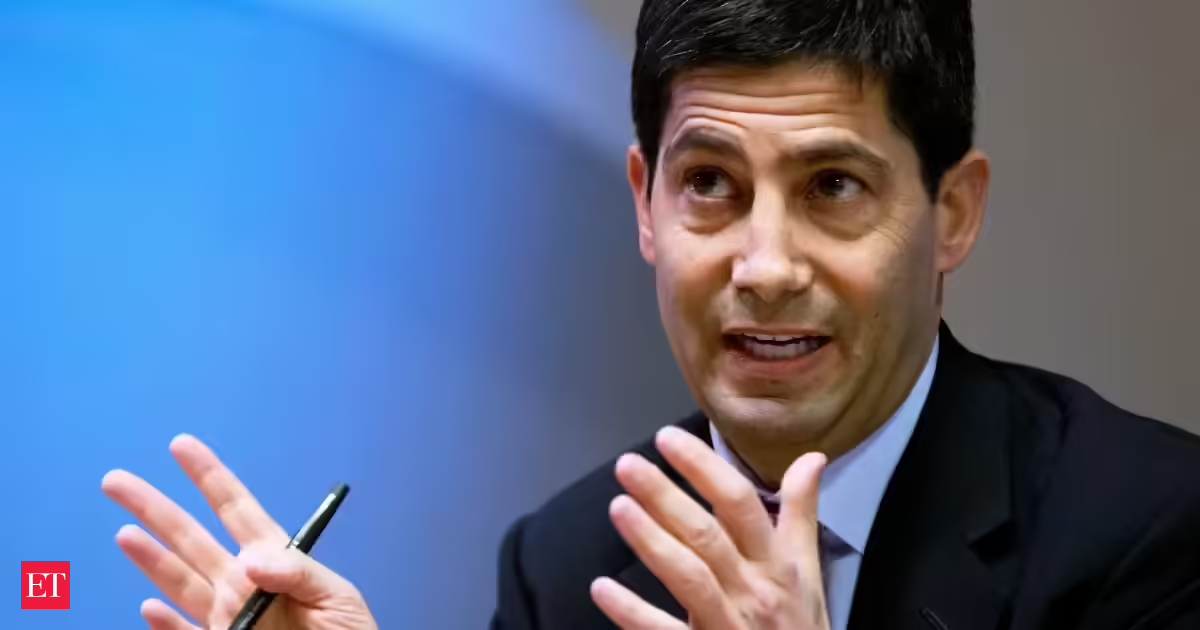
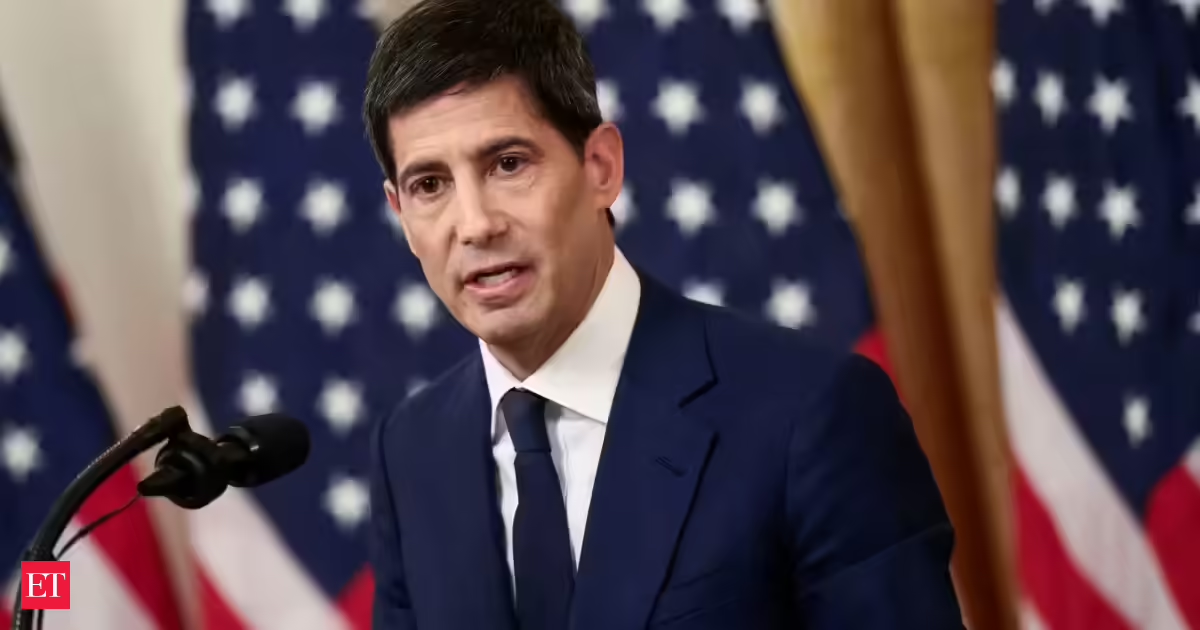
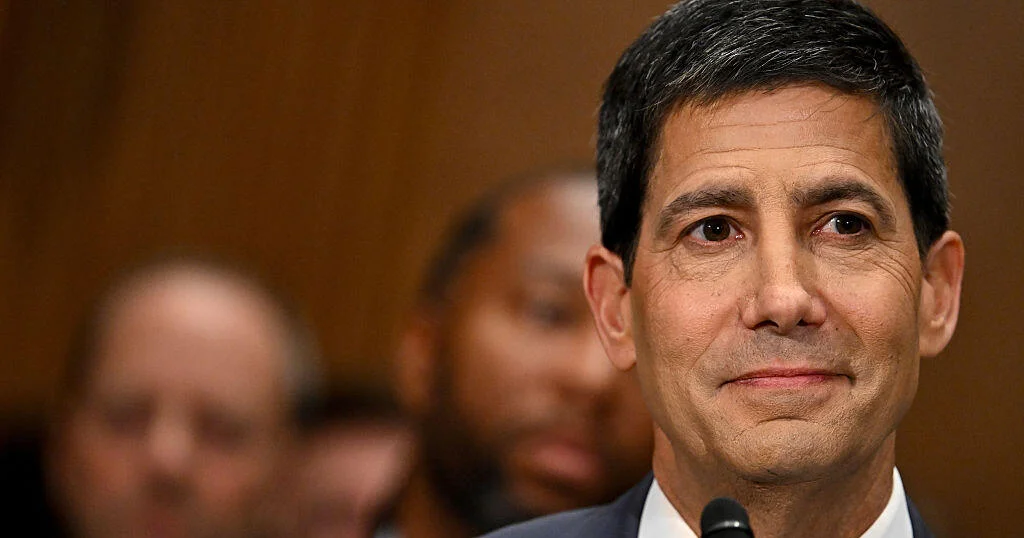
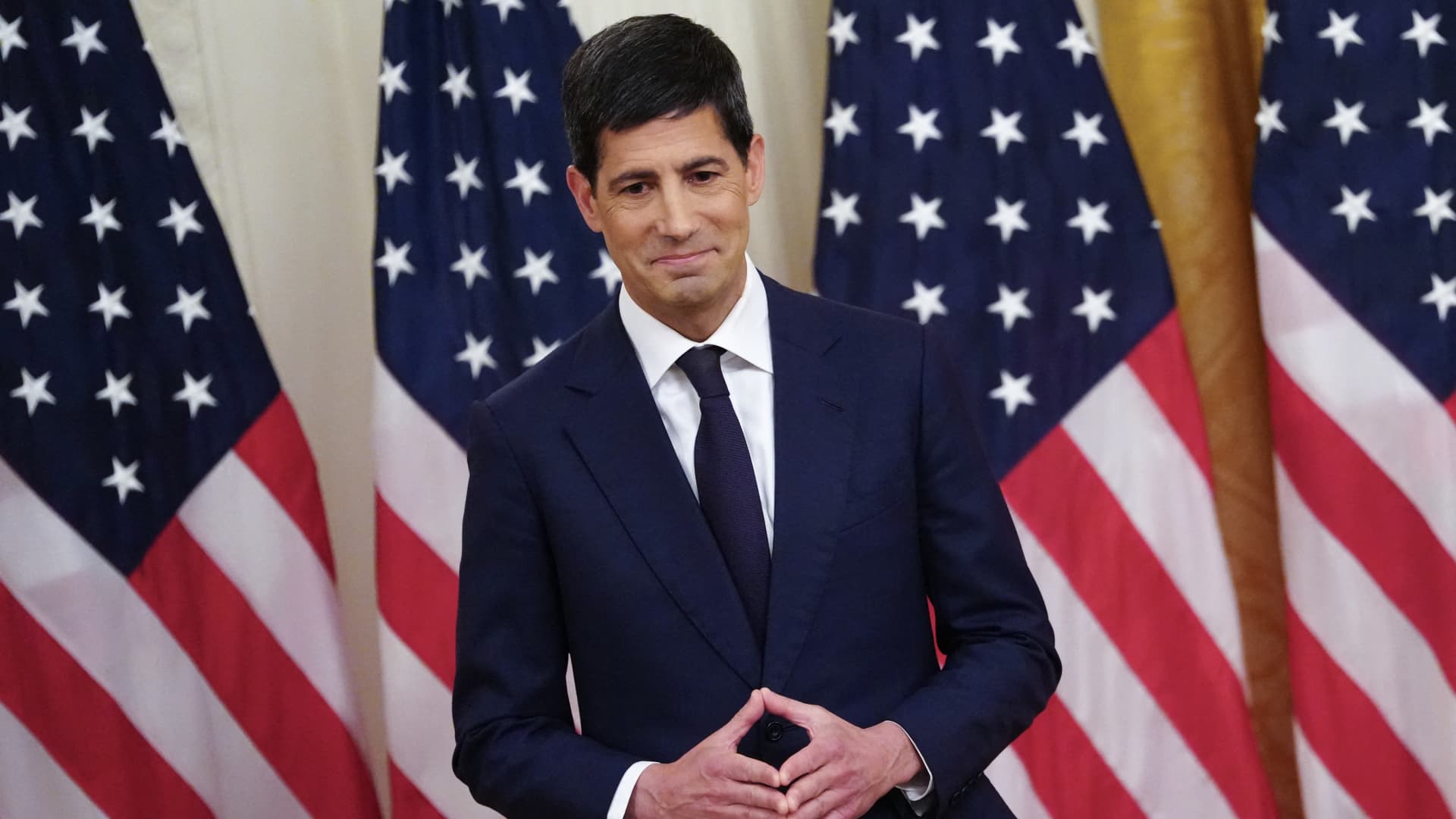
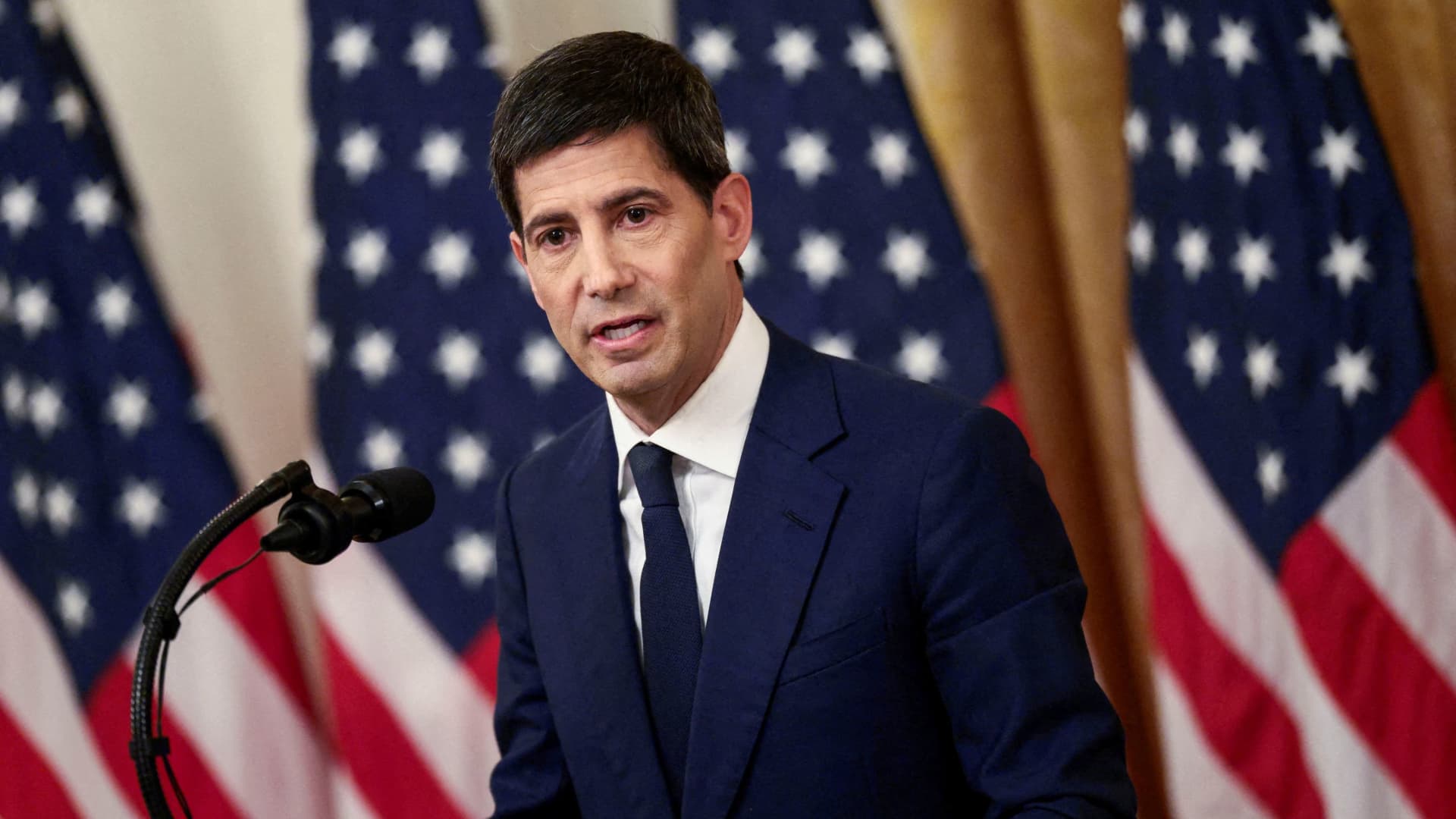
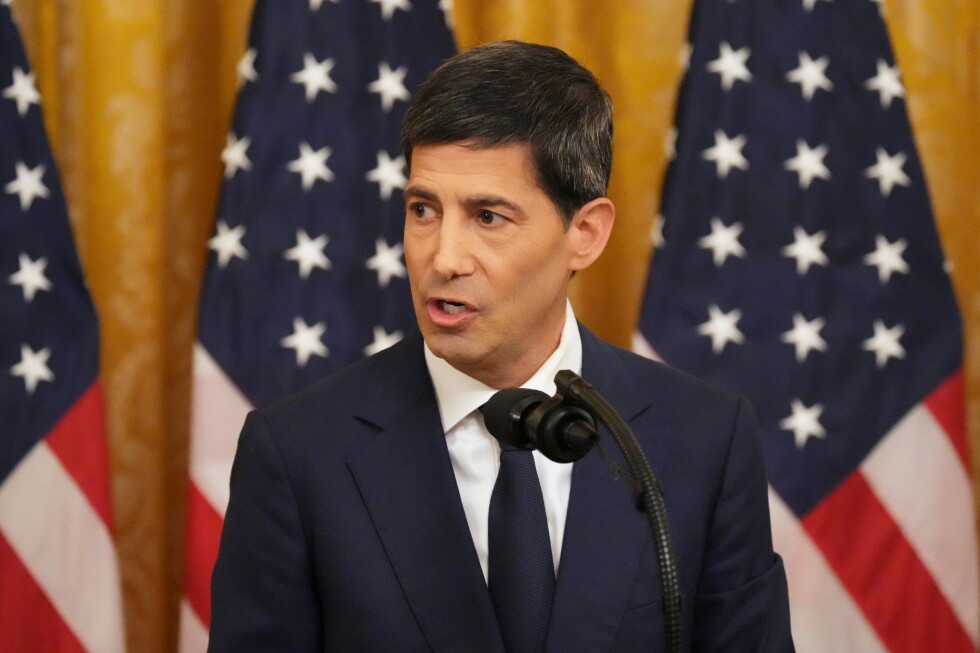
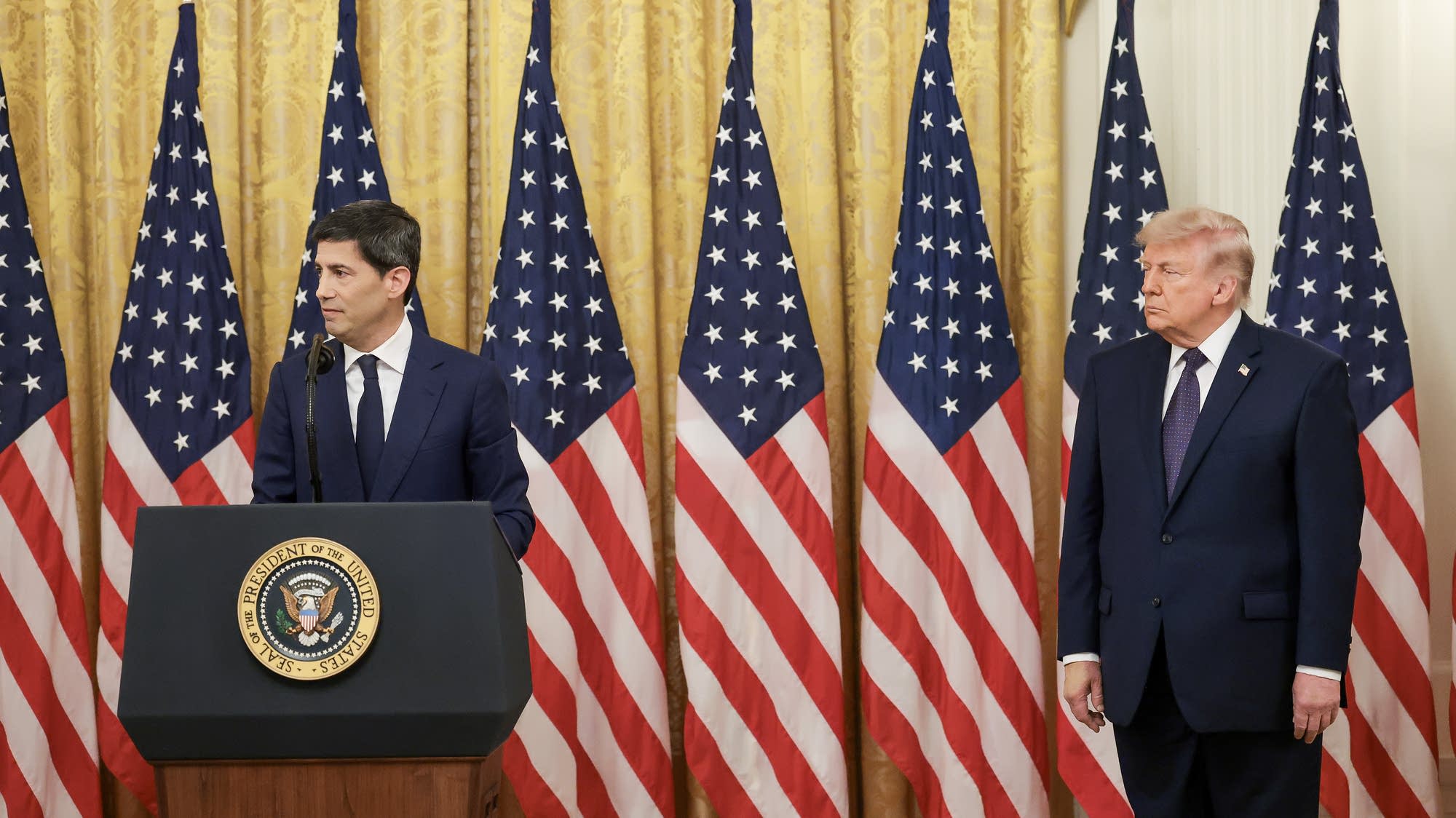
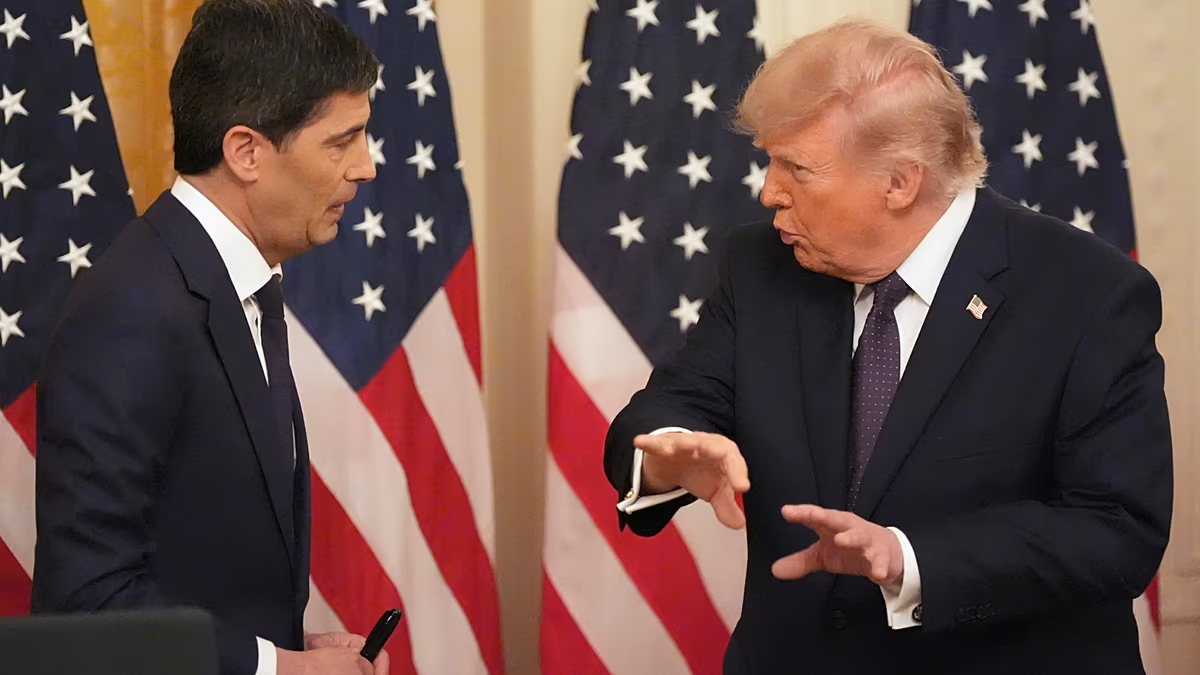
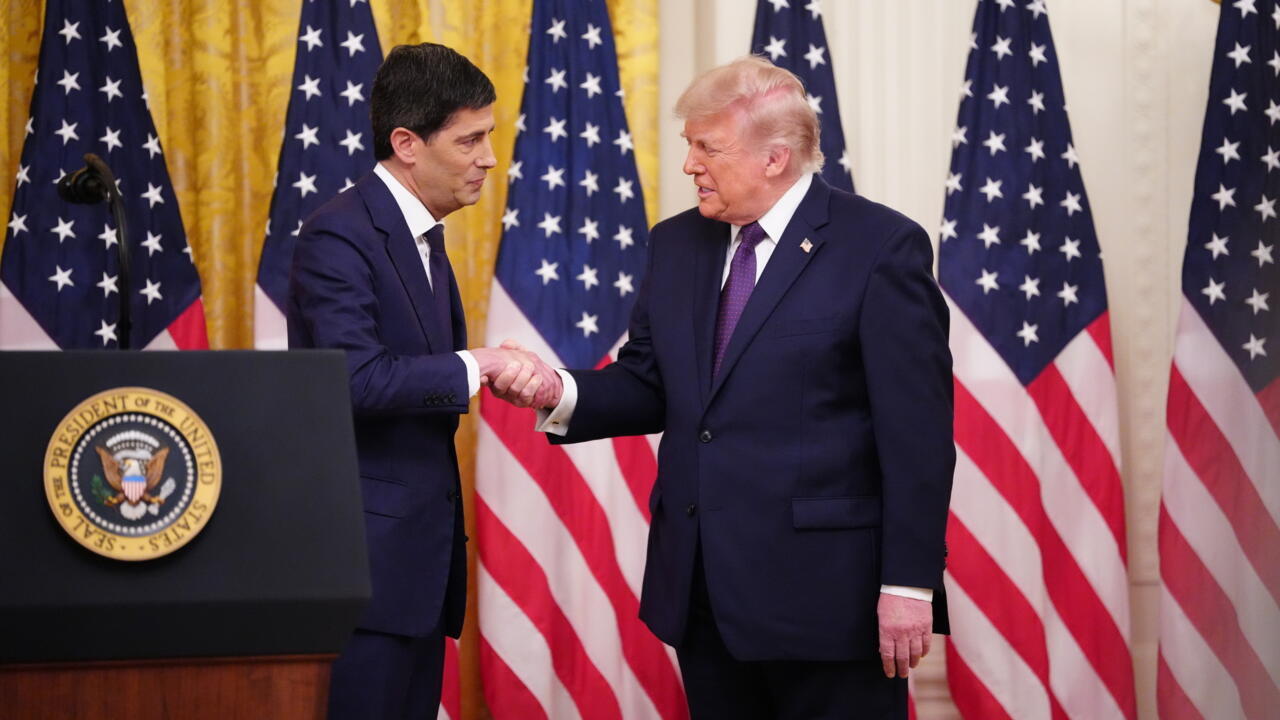
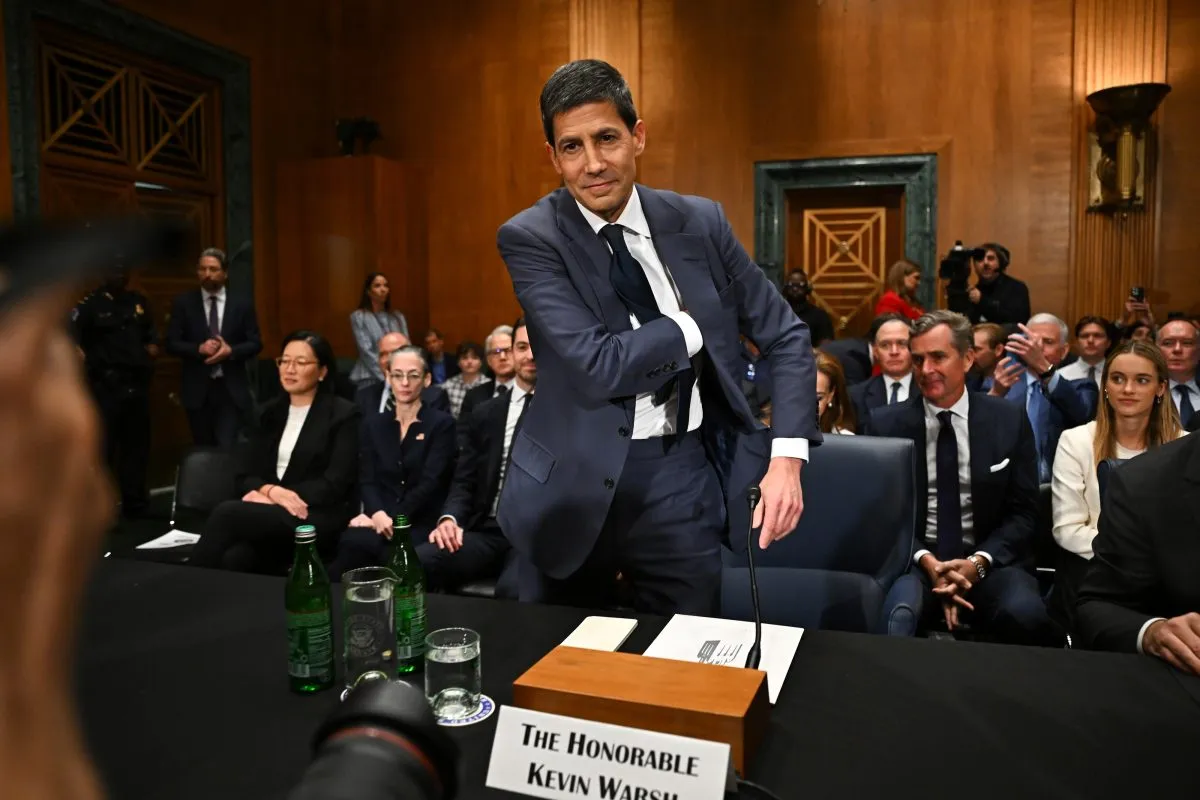
City investors and their counterparts across global markets will be tuning in to the Federal Reserve tonight for their first full look at its new chair in action, as the world’s most influential central banker completes his first meeting setting interest rates for the United States.Kevin Warsh is the second Trump appointee at the helm of the Fed. His debut comes at a turbulent time, and according to market pricing of the decision, it could anger US President Trump, who has been demanding cuts.The decision of the Federal Open Market Committee on the base cost of borrowing for the world’s biggest economy is due at 7 p.m. London time.At a press conference scheduled for half an hour later, Warsh will discuss the decision made by the FOMC and its 12 voting members.There is much at stake. The policymakers have faced intense political pressure from President Donald Trump for interest rate cuts, especially from Warsh’s predecessor, Jerome Powell. It has tested one of the Fed’s cornerstone principles: operational independence from day-to-day political forces.Iran war inflation shockWednesday’s action comes just as an inflation shock from higher energy prices in the wake of the war in the Middle East creates the kind of conditions in which rate hikes prove necessary.The tenor of FOMC’s discussion, alongside the decision it makes tonight at such a turbulent time, will do much to set the tone for investor sentiment. Experts in the City and on Wall Street expect the FOMC to leave its key Federal Funds rate on hold. The benchmark is set in a range, currently between 3.50 per cent and 3.75 per cent. It typically moves by a quarter-point.Attention will focus on insight into policymakers’ thinking on the next action, especially from Warsh himself.Whenever the chair changes, the scrutiny of the meeting intensifies. Not least over the way policymakers signal their intention on rates, via what is known as forward guidance, and wrapped into the FOMC’s minutes and the public statements and comments of its members.In this respect, Warsh is seen as likely to take a different tack from his predecessors, including Powell, who signalled their future intentions alongside current announcements.Jim Reid, Deutsche Bank’s global head of macro research and one of the best-known voices in the City, said: “Based on prior comments, our US economists think Warsh is likely to avoid forward guidance and an overreliance on short-term data trends. “And they also see him tacking towards the centre of the committee, so not arguing for near-term rate cuts, but not taking rate hikes off the table either.”Nonetheless, with Warsh making his debut, Reid argues that Wednesday’s meeting “could still be an eventful one, even without a change in rates”, adding: “A new chair often leads to higher volatility at first, because the market is trying to work out their communication style and reaction function.”The Fed has a dual mandate. It is expected to foster both maximum employment and stable prices, meaning it must both contain inflation and stimulate job creation.Trump has called loudly and aggressively for rate cuts, issuing excoriating public criticism of Powell for not backing them. After such hardline rhetoric from the White House, Warsh will be under an even brighter spotlight, whatever his reputation for leaning away from forward guidance.All eyes will be out for any sign of the new chair taking a more dovish line toward cuts, while observers across the markets also listen out for the determination of hawkish voices, who want rates to stay high.Warsh’s language in spotlightAccording to Francesco Pesole, foreign exchange strategist at City Bank ING, “the main dovish trigger may come from Warsh’s communication rather than the statement itself”.He added: “Warsh probably has little incentive to intentionally surprise on the dovish side and risk upsetting the bond market at his first meeting, but markets may overinterpret any nuance in his remarks as signalling a future dovish tilt.”The enhanced scrutiny over a nuanced rates outlook comes just as the range of opinion on the FOMC is split and notably wide.Ipek Ozkardeskaya, senior analyst at Swissquote, summed up the current picture: “Warsh is taking over an unusually divided Fed. At the latest FOMC meeting, three members voted to hike rates against eight who opted for the status quo, as the former were more concerned by rising inflation than the latter, who wanted to support a weakening jobs market.“Then there was Stephen Miran, who voted to cut rates. He was appointed by President Trump, who is actively pushing the Fed to cut rates.”The split comes just as the economic data looks challenging for the doves. US inflation crossed above 4 per cent last month, pushed up by rising fuel prices after Trump’s war on Iran all but shut the Strait of Hormuz, through which around a fifth of the world’s seaborne oil and natural gas typically flows during peacetime.”The Fed’s official target for consumer price inflation is two per cent. Job creation, as tracked by non-farm payrolls data, powered through expert forecasts for last month.Stock markets sold off after the highly influential and closely watched numbers, which were seen as giving the FOMC’s hawks more room to argue against rate cuts.Wednesday’s meeting will also bring publication of the FOMC members’ own views of where key indicators will be for the rest of the year.Plot to drop the ‘dot plot’?The Summary of Economic Projections, or SEP, is also known as the ‘dot plot’ after the chart that identifies when they expect action on rates. It will reveal their impressions of the timing of moves, alongside their forecasts for economic growth, unemployment and inflation.David Morrison, senior market analyst at Trade Nation, said: “There’s some speculation that Warsh may want to get rid of the dot plot, arguably the most exciting element in the SEP, as it relates directly to interest rate forecasts.”Into the meeting, he added: “The CME’s FedWatch Tool suggests that rate cuts are completely off the table for this year. Instead, there’s just a 40 per cent probability of ‘no change’ and a 60 per cent likelihood of at least one rate hike before the year-end.”Those odds will not make for welcome reading in the White House. If they are right, they could also make for an uncomfortable second half of the year for the Fed’s new chief.Swissquote’s Ozkardeskaya concluded: “The combination of hotter inflation and relatively strong jobs data suggests that the Fed should do all but cut rates.”Trump’s reaction will also be a major moment for the markets, where investors will be on watch for any sign of political pressure on the Fed or sustained threats to its independence.