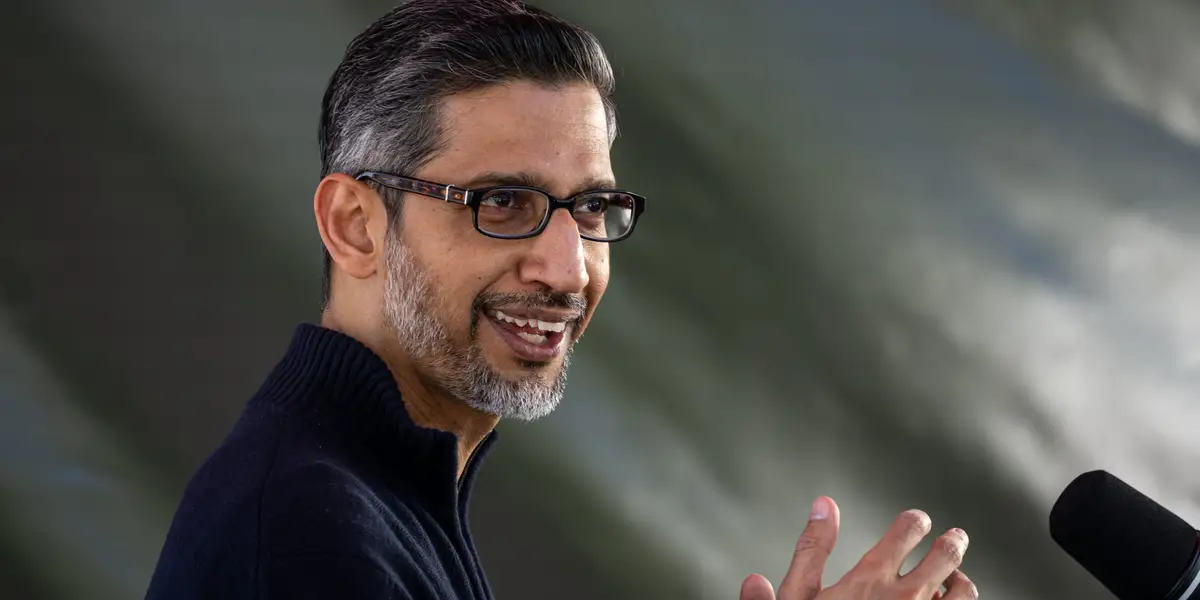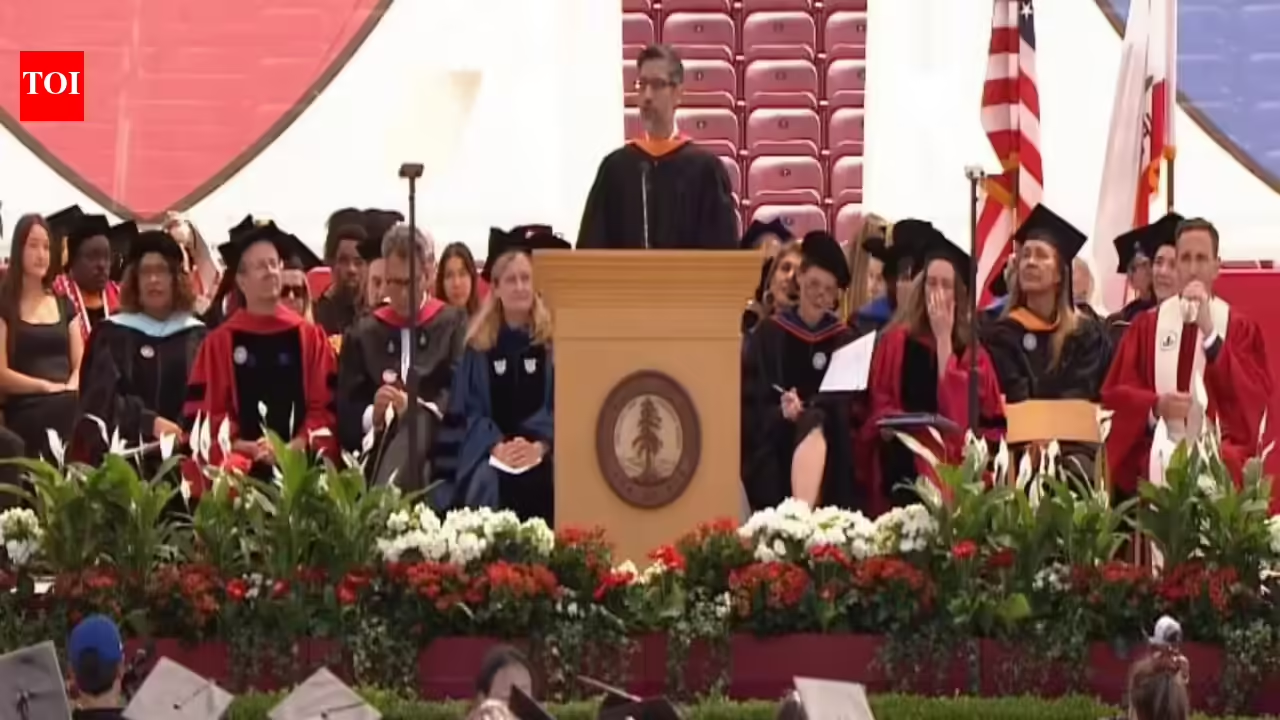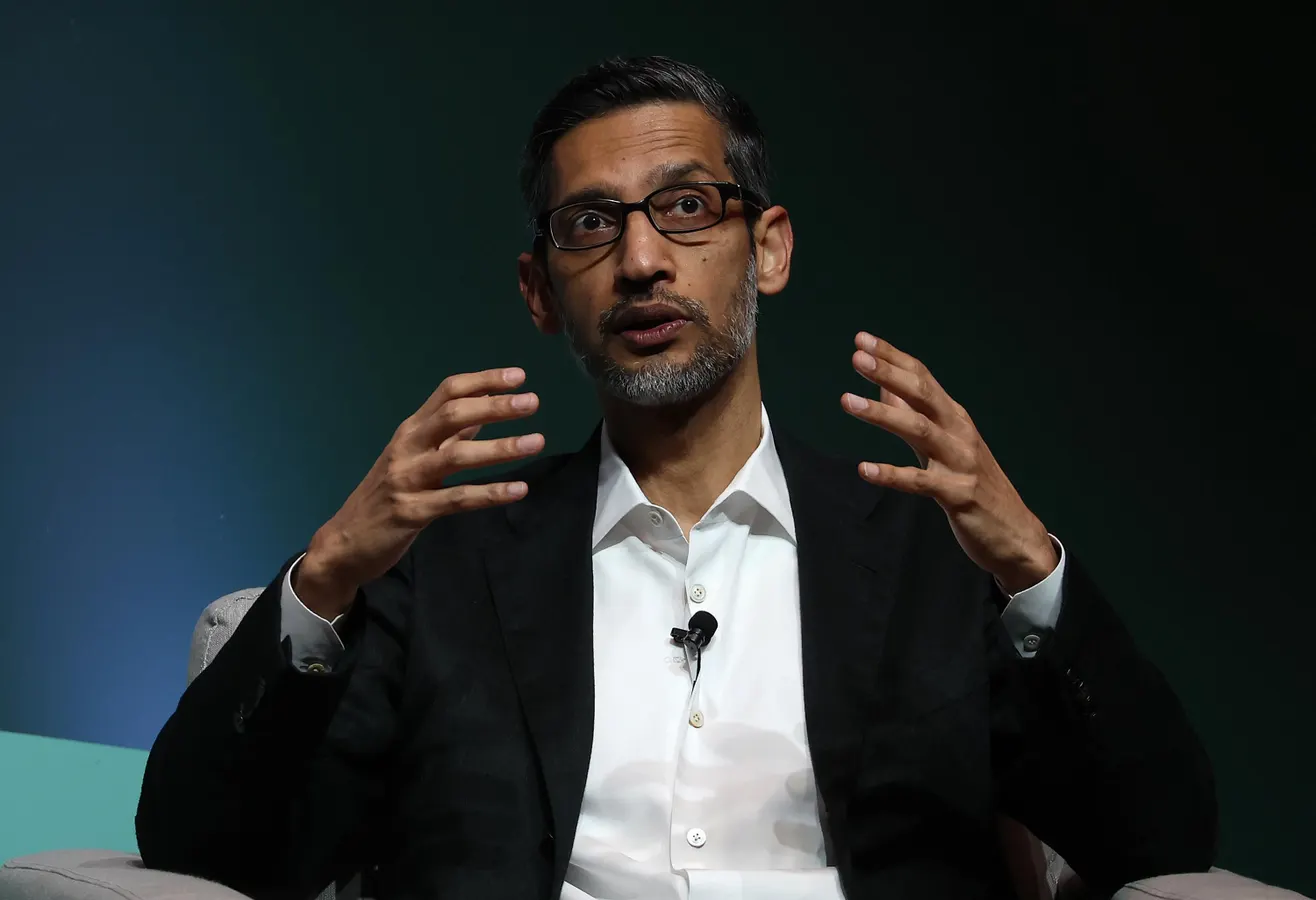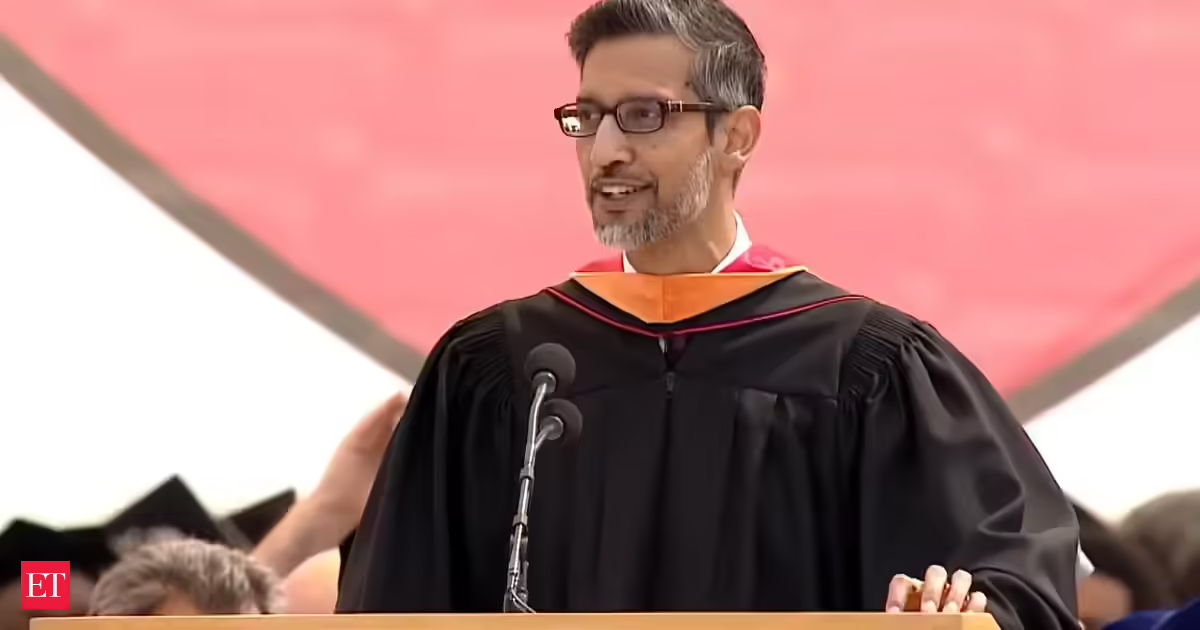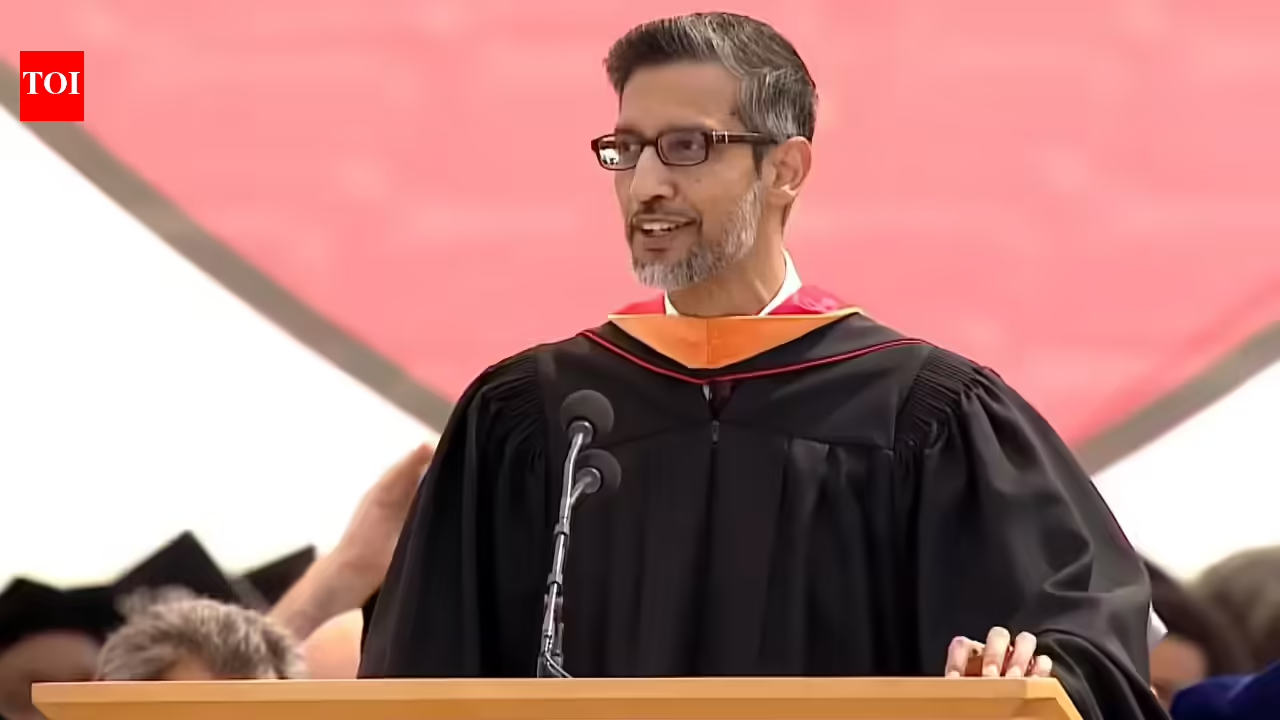
At his Stanford University commencement speech, Google CEO Sundar Pichai delivered a simple but powerful message. According to the tech billionaire, choosing a life partner, deciding whether to start a family to making a major career pivot are some of the defining moments in an individual's life that require careful thought and intention. “You are going to face a lot of moments in your life. Only a few of them are really important and you need to get them right: Picking a partner, choosing whether to start a family, a bigger career pivot. Those decisions require time and intention," Pichai told students.ALSO READ: Robinhood Layoffs 2026 Google CEO shares three filters to navigate lifeTo help graduates navigate such crossroads, the Google chief shared the three filters that have guided his own journey. These are: choose optimism, work on hard things, and do what excites you.— ai_for_success (@ai_for_success) Pichai began by acknowledging the challenges facing today's graduates, including economic uncertainty, global conflicts, rapid technological change, and information overload. “We don’t get to choose the world we graduate into; but we do get to choose how we frame our circumstances.” He encouraged students to focus on how they respond to difficult circumstances rather than the circumstances themselves.ALSO READ: Best quote of the day by Albert EinsteinThe Google CEO said optimism was a value he learned from his parents while growing up in Chennai. Recalling his childhood, Pichai spoke about living through droughts and waiting years for basic technologies such as a telephone, television, and refrigerator. Despite those limitations, his parents never allowed him to believe that his dreams were out of reach.How Optimism helped him through career setbacksOne of the most memorable moments from the speech came when Pichai described arriving in California for the first time after receiving admission to Stanford University.His father had spent nearly a year's salary to buy his plane ticket to the United States. According to Pichai, optimism is not about ignoring problems. Instead, it is about seeing possibilities where others see obstacles.Pichai revealed that his original plan at Stanford was to pursue a PhD and build a career in academia. But life had other plans. He left his doctoral program and completed a master's degree instead. “I could have seen it as the end of a dream. But I was able to see that particular brown hill as golden.”The lesson, he said, helped him navigate future challenges throughout his career.'Work on hard things'The second principle Pichai shared was the importance of tackling difficult problems. He reflected on joining Google in 2004, the same day the company launched Gmail.At the time, offering one gigabyte of free email storage seemed almost impossible. Later, he became involved in developing Google Chrome, a project many believed was too ambitious.A small team of about ten people set out to build a browser in a market dominated by larger competitors. The launch was promising, but growth soon stalled. After a year, Chrome had only around two percent market share.Pichai recalled that then-Steve Ballmer publicly dismissed Chrome as a "rounding error." Instead of getting discouraged, the team continued improving the product.“When you have the choice to work on something hard — say yes.” Today, Chrome is the world's most widely used web browser, a reminder of how persistence can pay off.'Do what excites you'For his final lesson, Pichai urged graduates to pursue what genuinely excites them rather than what others expect. His own passion was technology and the way it could improve people's lives.Having limited access to computers while growing up in India, he was amazed by the computing resources available when he arrived at Stanford in the early 1990s.That excitement eventually led him to work on products such as Chrome, Chromebooks, and Android. He encouraged students to look beyond external pressure when making career decisions.“Don’t focus on the thing your parents want you to do, or the thing all your friends are doing, or that society expects of you. Think about the things that keep you chatting excitedly with your roommates late into the night. And go do those things," he said in his speech.Dozens of students walked out of their Stanford University graduation ceremony as Sundar Pichai took the stage to deliver the keynote address. Video filmed by the BBC showed the students protesting against the company's controversial work with the US government. A group named Stanford Students for Justice in Palestine encouraged the walkout.Some students carried signs with them as they exited the ceremony; one sign read "ICE spies with Google AI", while others were seen waving Palestinian flags.
Sundar Pichai Stanford speech: Google CEO says "only few moments in life really matter", shares three filters that helped him "get more right than wrong"
Sundar Pichai Walkout: Google CEO Sundar Pichai offered graduates three key filters for life's crucial choices. He advised choosing optimism, working on hard things, and doing what excites you. Pichai shared personal anecdotes illustrating how these principles helped him overcome challenges and achieve success. His message focused on intentionality in major life decisions.
759 words~3 min read