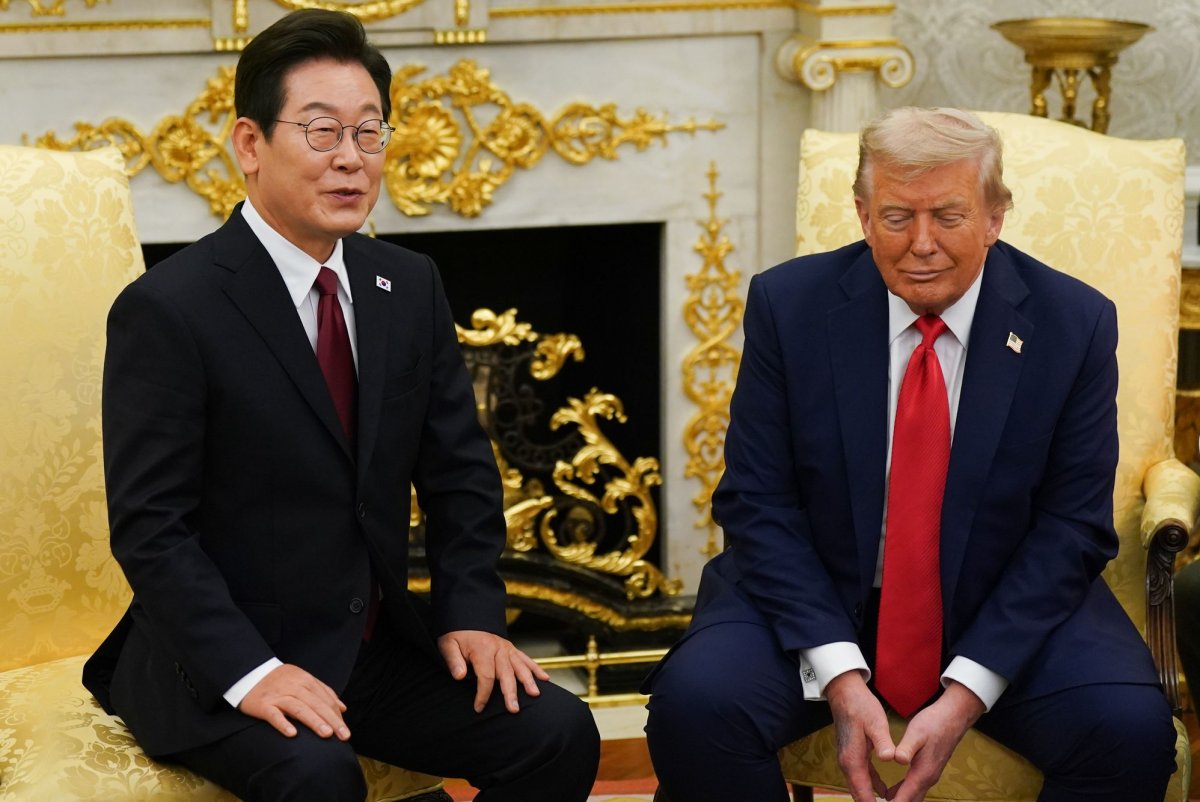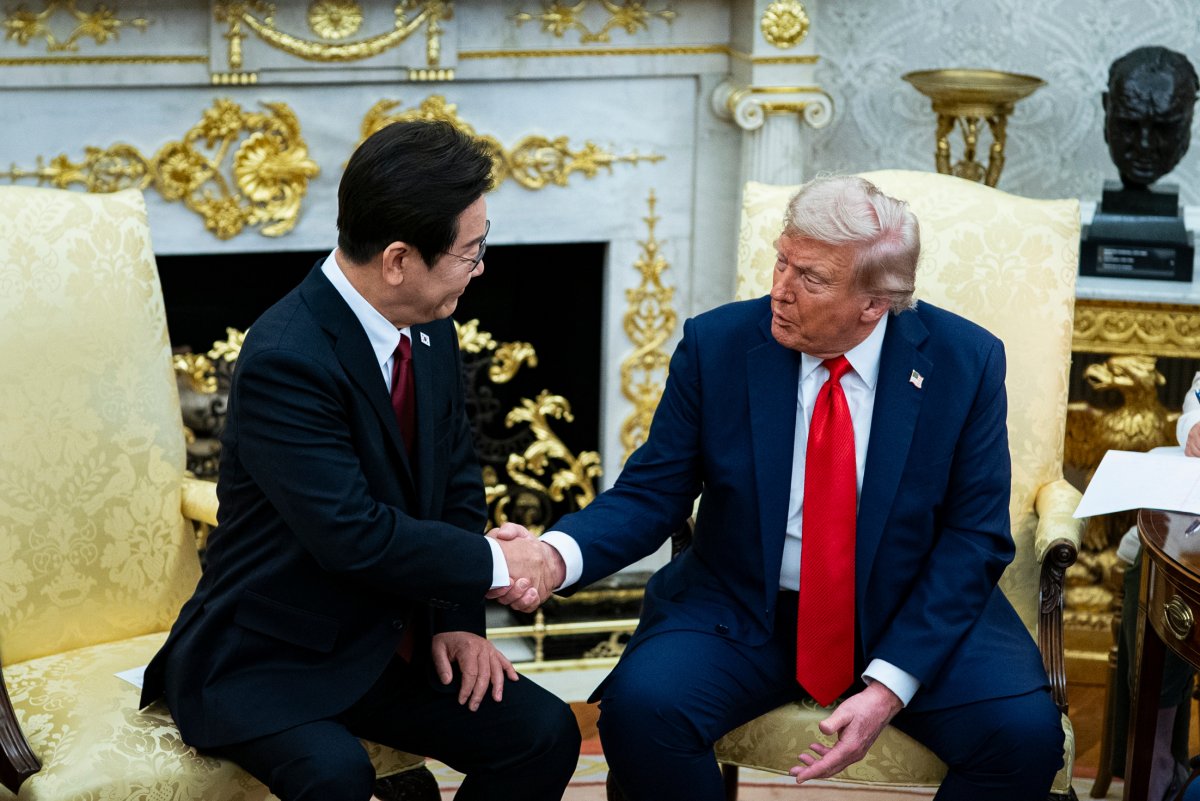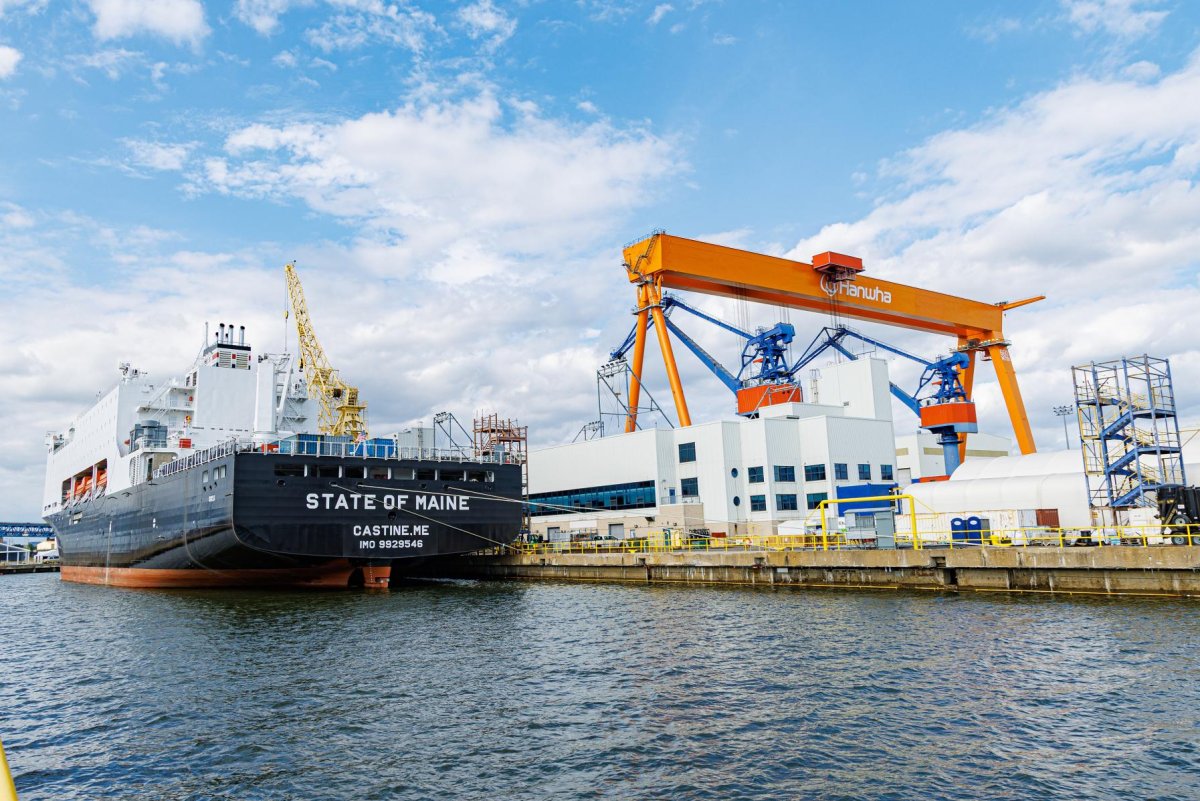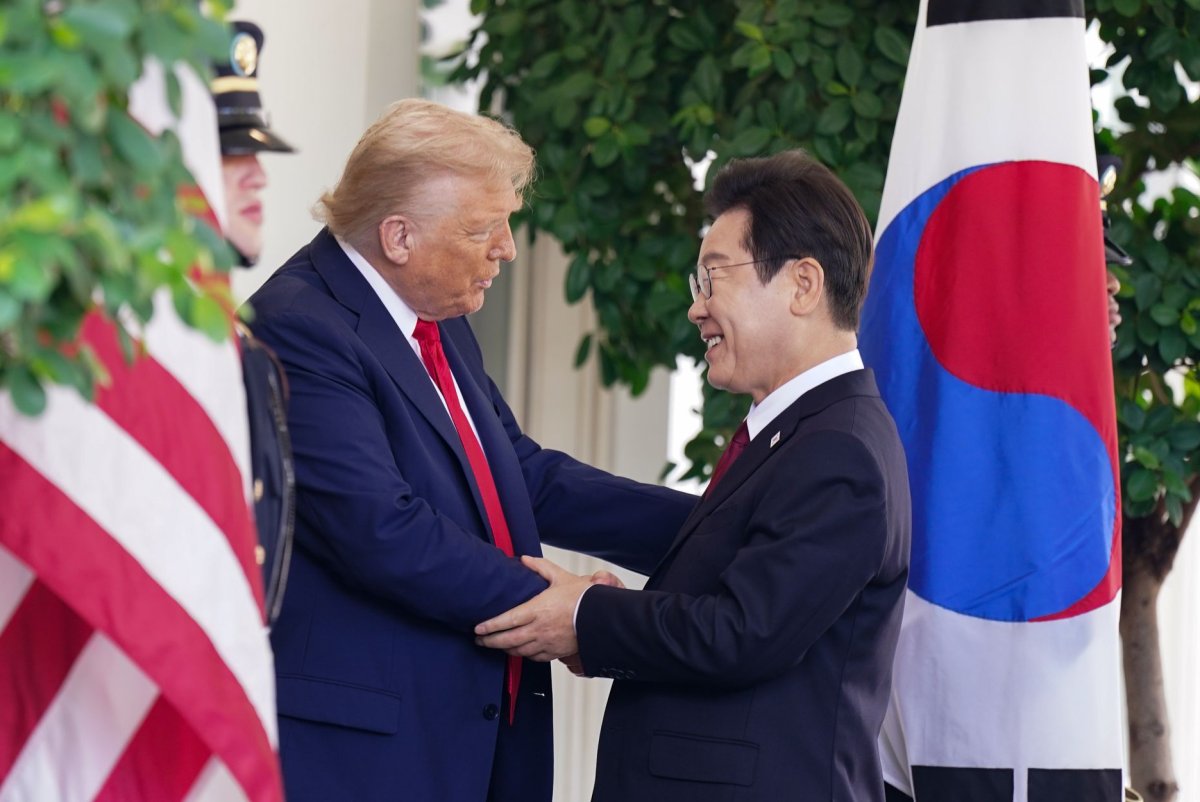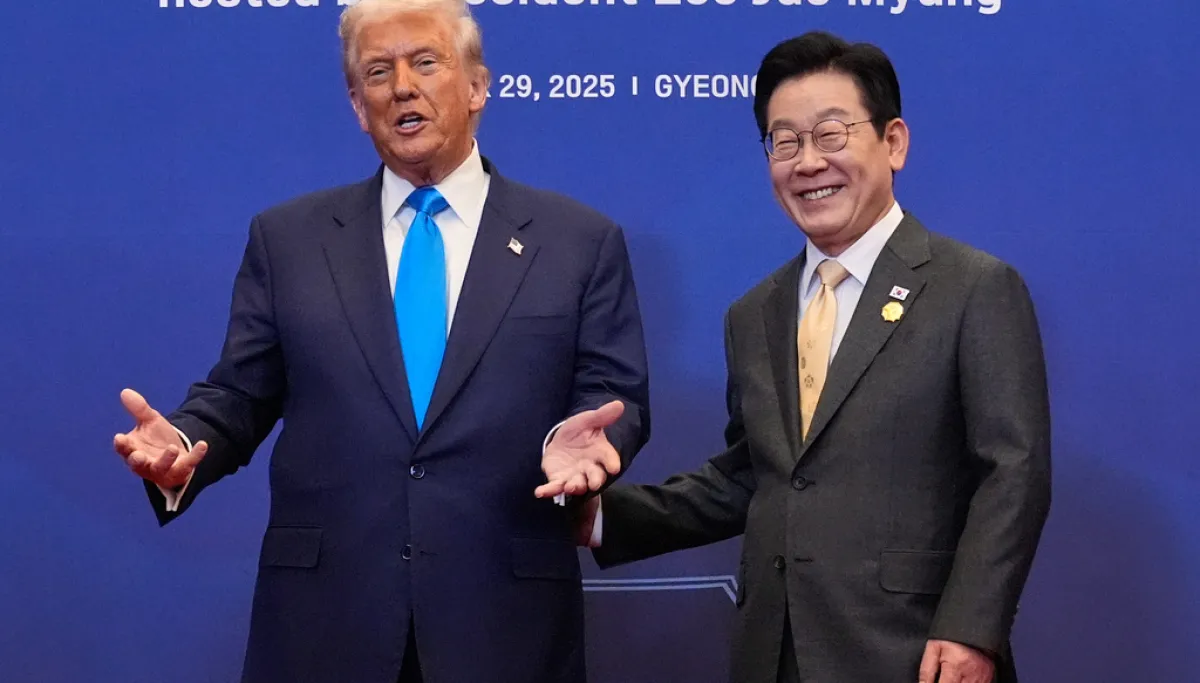
The U.S.-South Korea relationship is one of the most important in the world. President Donald Trump would very much seem to agree. Hours before he and President Lee Jae-myung sealed their trade and security framework in Gyeongju in October, Trump hailed the two countries’ “special bond.” That framework — $350 billion in Korean investment into the United States, tariffs cut to 15%, new shipbuilding cooperation, and a green light for Korea to build nuclear-powered submarines on American soil — is one of the signature trade accomplishments of this administration’s term.Done right, the U.S.-Korea trade framework locks in American jobs, strengthens our industrial base, and tightens the alliance against China for a generation.But Korea may already be in breach of it.
SOUTH KOREA’S STARBUCKS TO CLOSE FOR STAFF HISTORY LESSON AFTER ‘TANK DAY’ REUSABLE CUP CAMPAIGN
Buried in the leaders’ joint statement is a specific commitment from Korea: It would make sure American companies aren’t discriminated against and don’t face “unnecessary barriers” in digital policy.
But the exact opposite is happening. Right now.
On Thursday, Korea’s Personal Information Protection Commission hit Coupang — a U.S.-headquartered e-commerce giant — with a fine of 624.7 billion won, about $410 million, over a relatively low-sensitivity data breach affecting 33.7 million customer accounts. It’s the largest privacy fine in Korean history. Sadly, it came as no surprise: Lee all but pre-wrote the verdict back in December, before any investigation into the breach had been completed, when in a thinly veiled comment on the Coupang case, he shared his intention to punish firms violating data security rules so severely that they may “go out of business,” pushing for fines as high as 3% of a company’s annual revenue.