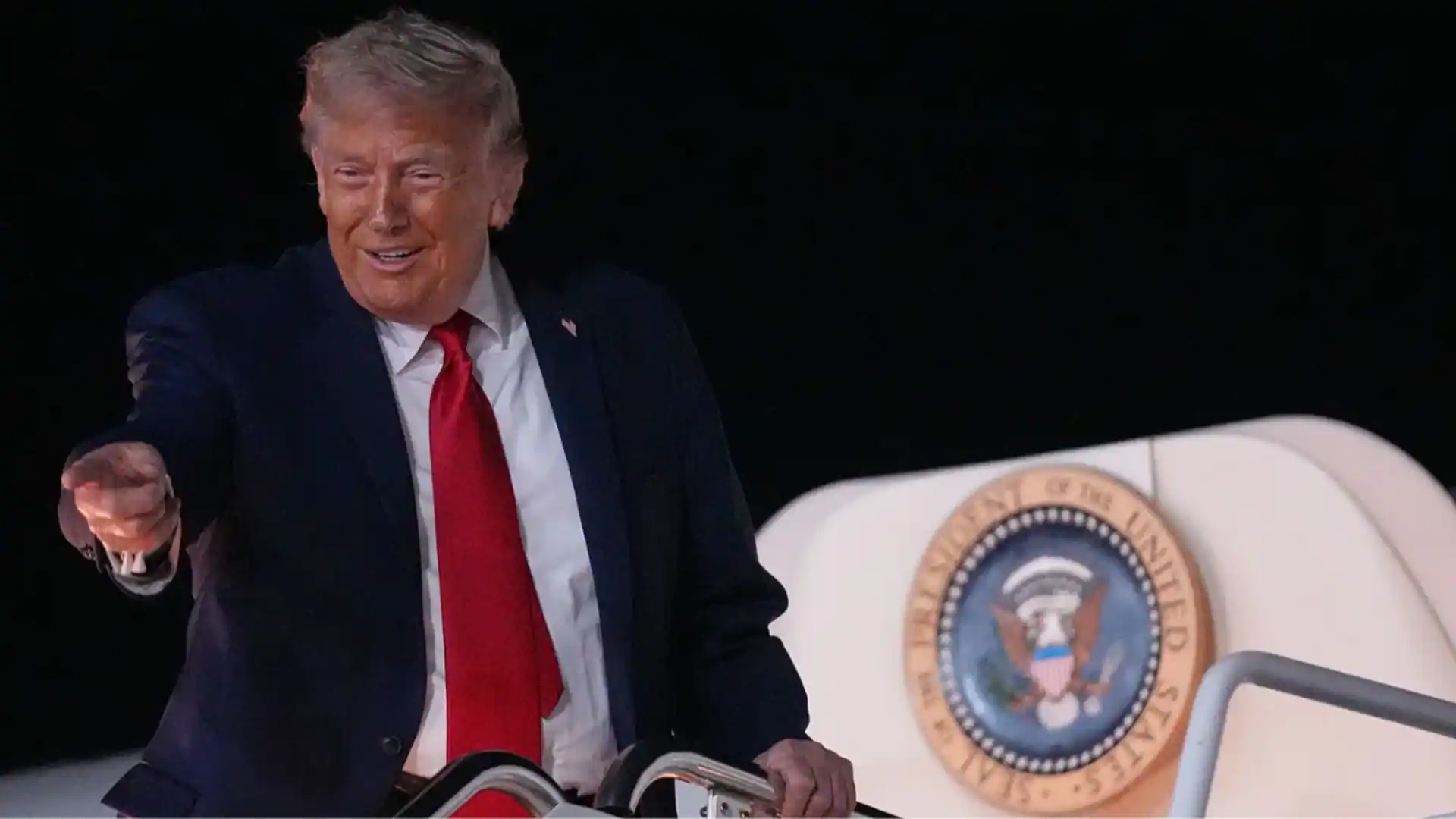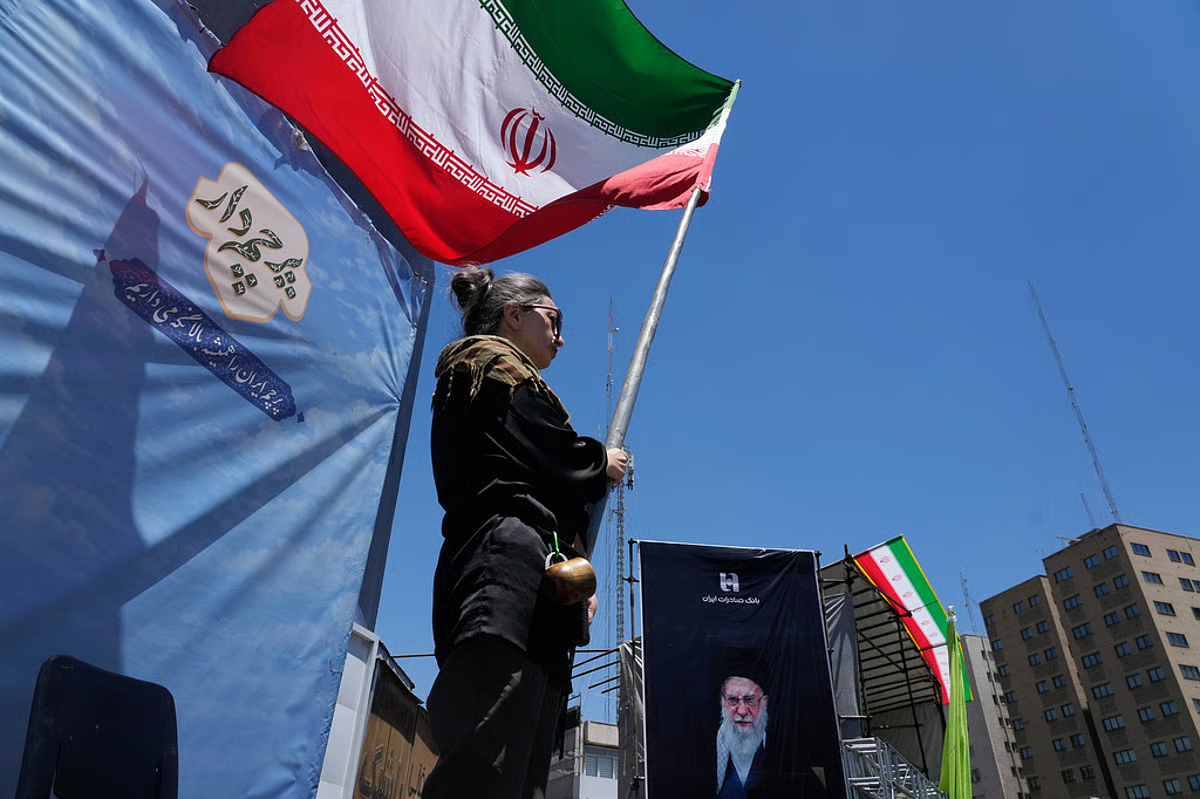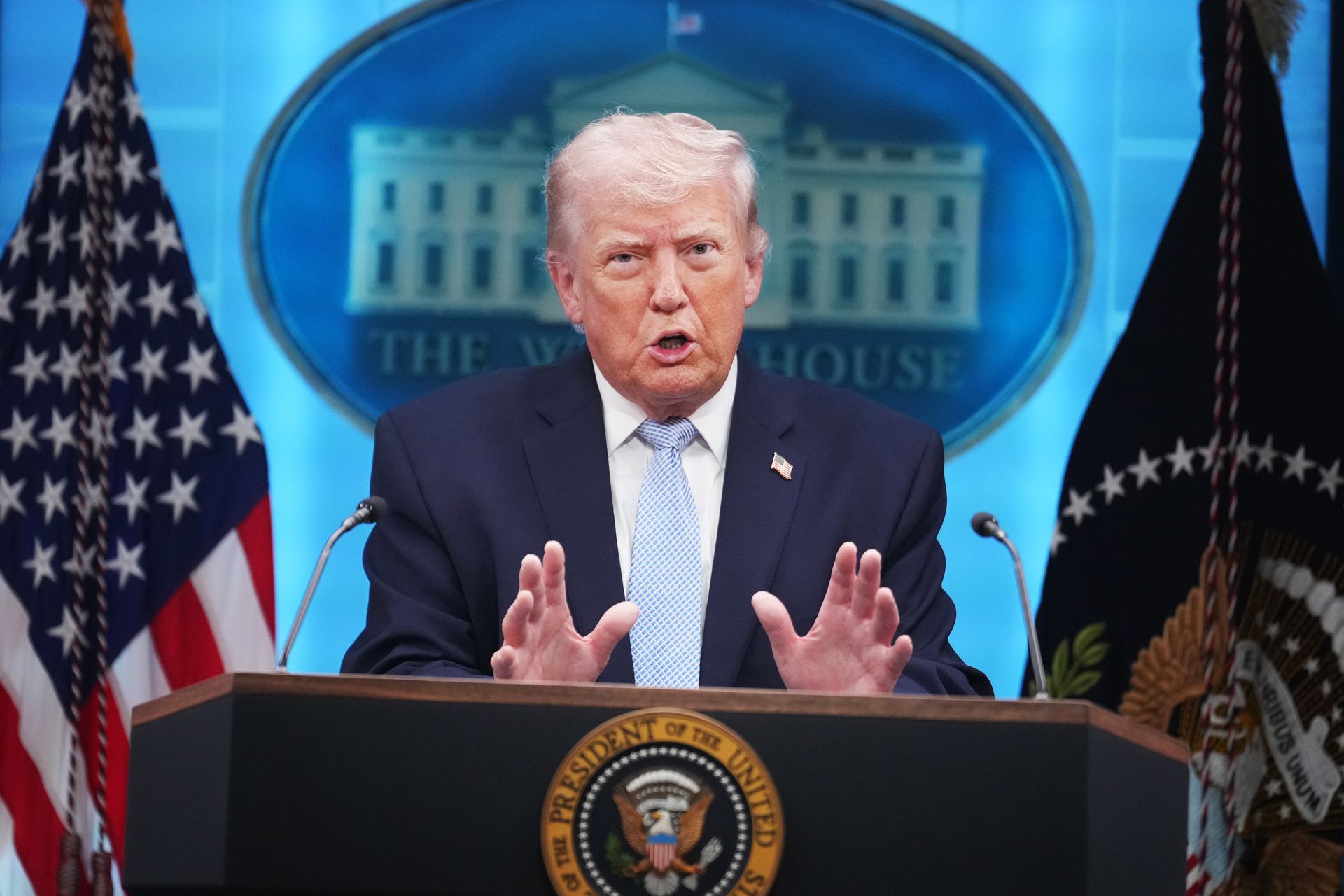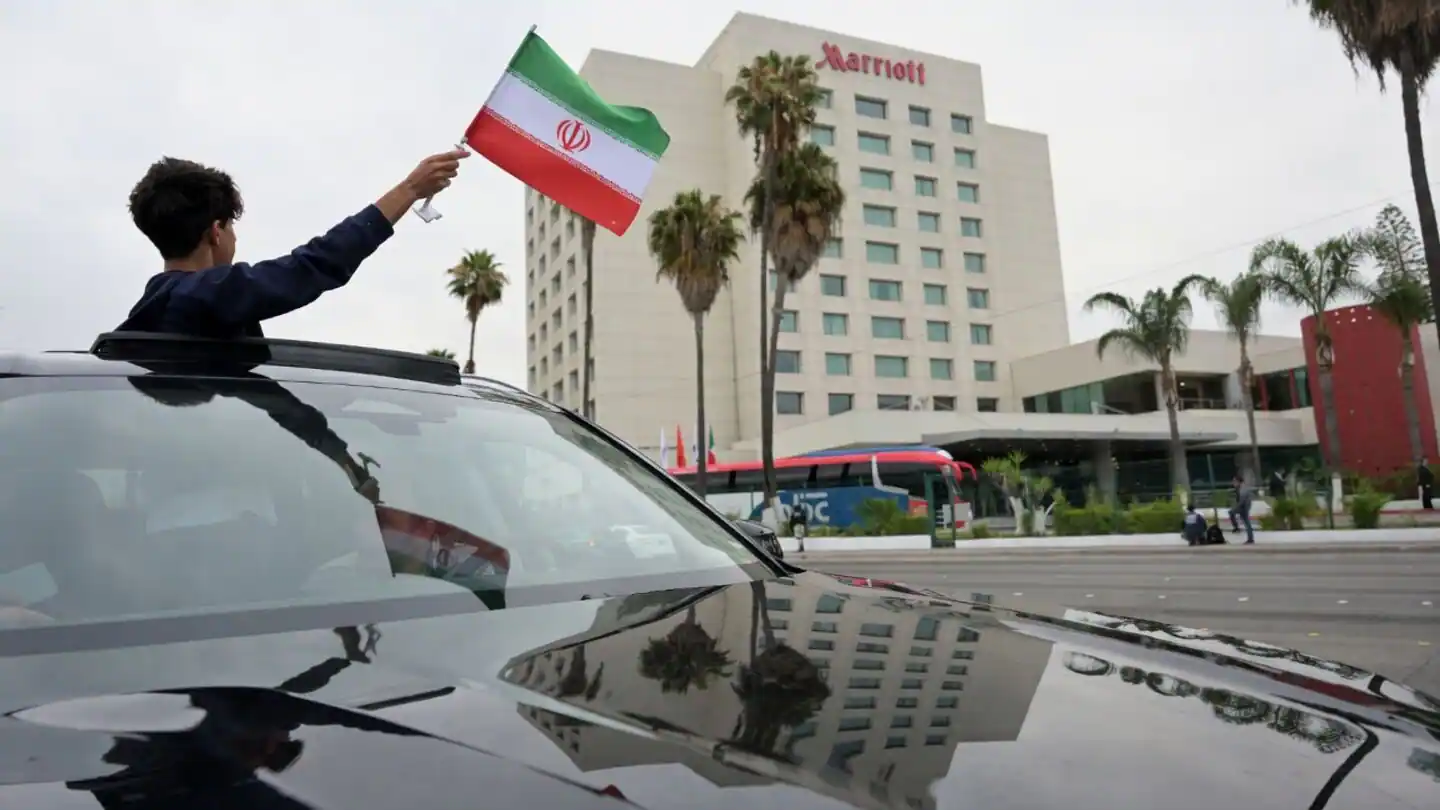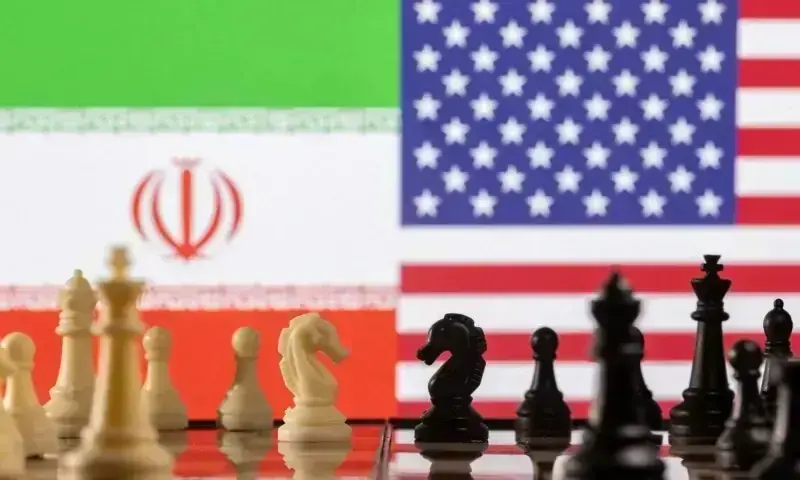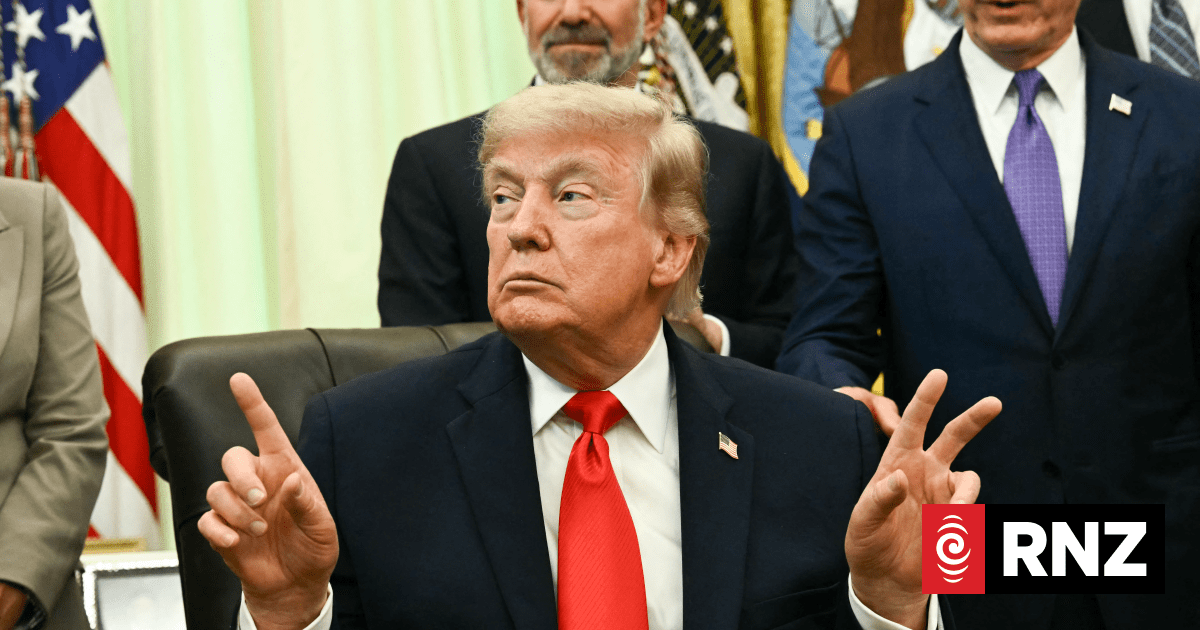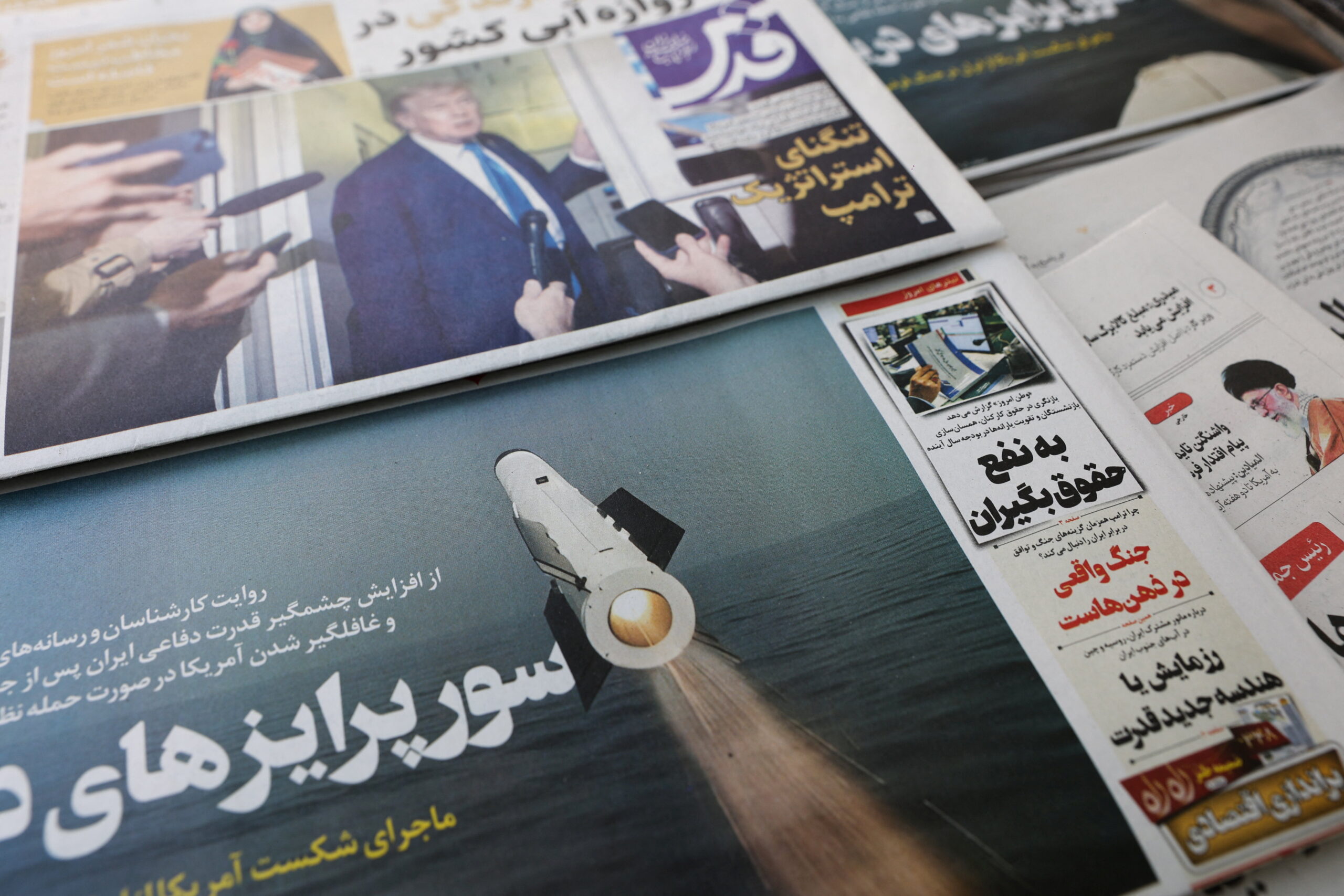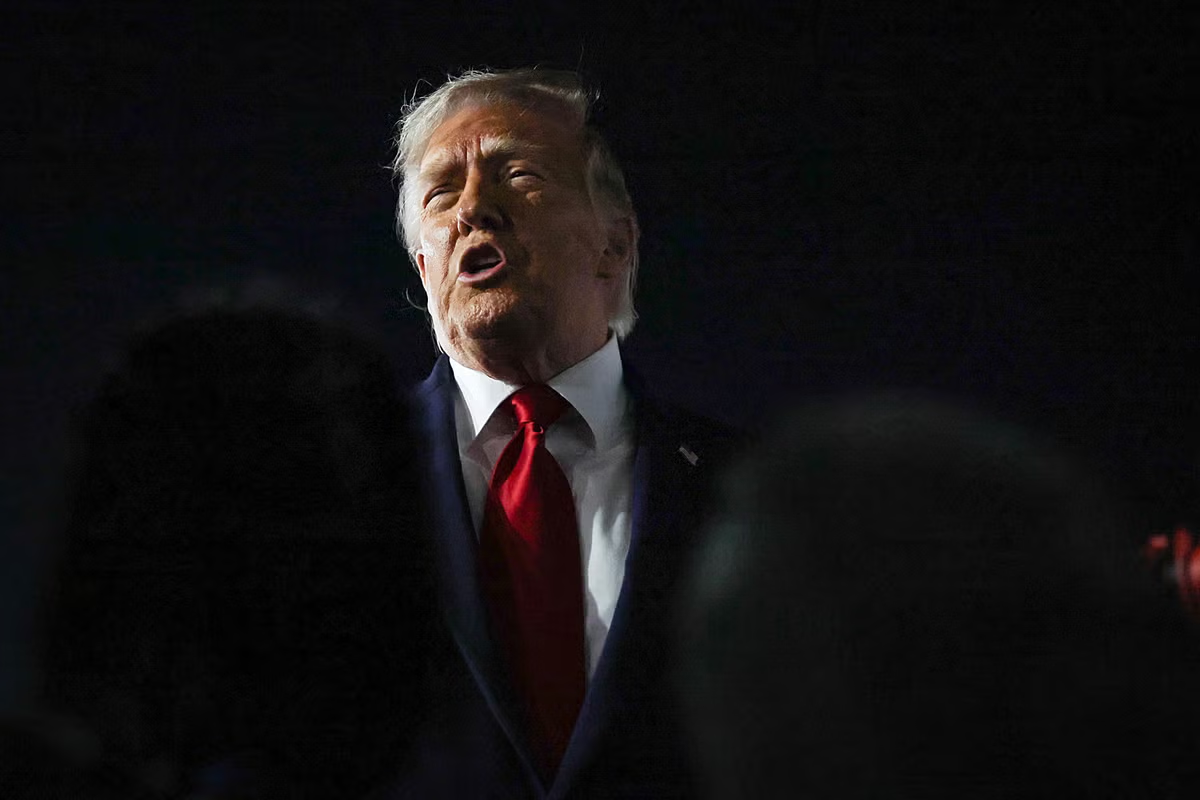
On Sunday, President Donald J Trump announced that the US and Iran had reached a deal to end the war in West Asia, timing the announcement to coincide with his 80th birthday. As part of the agreement, the US will immediately and completely lift its naval blockade in exchange for Iran reopening the Strait of Hormuz to all commercial vessels and ending hostilities on all fronts, including Lebanon. The deal will be formally signed on June 19 in Geneva, Switzerland. US President Donald Trump (AFP)Over 100 days of fighting have already created severe political and economic turmoil in the region. Also, Pakistan’s Prime Minister Shehbaz Sharif simultaneously confirmed the breakthrough on X (formerly Twitter), stating: “Following intensive talks, we are pleased to announce that the Peace Deal between the United States of America and the Islamic Republic of Iran has been reached. Both sides have declared the immediate and permanent termination of military operations on all fronts, including in Lebanon.”The Memorandum of Understanding (MoU) is expected to pave the way for 60 days of negotiations over Tehran’s nuclear programme, which Washington suspects could be used to develop nuclear weapons. In exchange for curbs on enrichment, Iran expects access to billions of dollars in frozen assets and relief from sanctions that have crippled its economy. However, significant disagreements remain unresolved, particularly regarding Iran’s nuclear stockpile and the wide range of US sanctions. According to IRNA, Iran’s representative, Kazem Gharibabadi, said Tehran expects to discuss the full lifting of sanctions during the upcoming talks.Following the announcement, vice president JD Vance told Fox News: “After the Israelis struck Beirut, we were very worried, because we saw a lot of evidence that the Iranians were going to launch a large number of missiles at the Israelis.” Tehran has long insisted that any agreement must also address the parallel conflict in Lebanon, where Israel continues its campaign against Iran-backed Hezbollah.The Strait of Hormuz, one of the busiest oil shipping routes in the world, serves as a choke point for nearly one-fifth of global oil and natural gas supplies. Iran closed the waterway when the war broke out on February 28, prompting the US to impose a blockade after peace talks failed in April. Reopening the Strait under the new MoU is a major win for the global economy, though analysts warn the relief may be short-lived. Without sustained diplomatic engagement, instability could resurface. Gulf nations are expected to accelerate pipeline projects to bypass the strait, while major energy consumers will continue diversifying supply lines.In addition to reopening the Strait of Hormuz, Trump’s top priority is ensuring Iran never acquires nuclear weapons. The MoU is expected to include strong language to this effect. Yet Iran’s diplomatic posture has hardened since the April ceasefire, insisting on a two-step process that Washington has now accepted. Interestingly, the US has softened its stance, dropping demands for zero enrichment and shelving long-standing priorities such as dismantling Iran’s missile programme and halting its support for regional proxies.Moreover, the MoU states that Iran will reopen the Strait of Hormuz and halt further nuclear enrichment, while the US and its allies will release $24 billion in frozen assets, temporarily waive oil sanctions, and negotiate a $300 billion reconstruction plan within 60 days. The US has also pledged to withdraw militarily from areas surrounding Iran.According to Mehr News Agency, a 14-point draft agreement envisions a final settlement on nuclear issues within 60 days. Trump told The New York Times that Iran would be limited to uranium enrichment levels “that could never be used by the military,” emphasising enrichment only “for non-military purposes, forever.” Civilian nuclear power requires enrichment at 3–5%, while weapons-grade uranium requires 90%. Iran currently holds about 440 kilograms enriched to 60%, a stockpile that remains a central obstacle in negotiations. Trump warned that military action could resume if talks fail.The Joint Comprehensive Plan of Action (JCPOA) in 2015, negotiated under President Obama, had capped enrichment at 3.67%. And it reduced Iran’s uranium reserves by 98%, and imposed strict monitoring in exchange for sanctions relief. Trump withdrew from the JCPOA during his first term in 2018, after which Iran expanded enrichment and built a much larger stockpile.Over 100 days of fighting, Qatar and Pakistan brokered an interim peace deal between the US and Iran through dialogue and diplomacy. While the new accord offers a temporary reprieve and a path toward de-escalation, its durability remains uncertain. Deep divisions over Iran’s uranium stockpile, U.S. sanctions, and regional proxy conflicts highlight the fragility of the settlement. The next 60 days will be decisive: either laying the foundation for a lasting framework that curbs nuclear escalation and stabilises the region, or exposing unresolved tensions that could reignite hostilities. (The views expressed are personal)This article is authored by Bhagwan Saharan, School of International Studies, Jawaharlal Nehru University, New Delhi.
The US and Iran peace deal: Looking ahead
This article is authored by Bhagwan Saharan, School of International Studies, Jawaharlal Nehru University, New Delhi.
802 words~4 min read