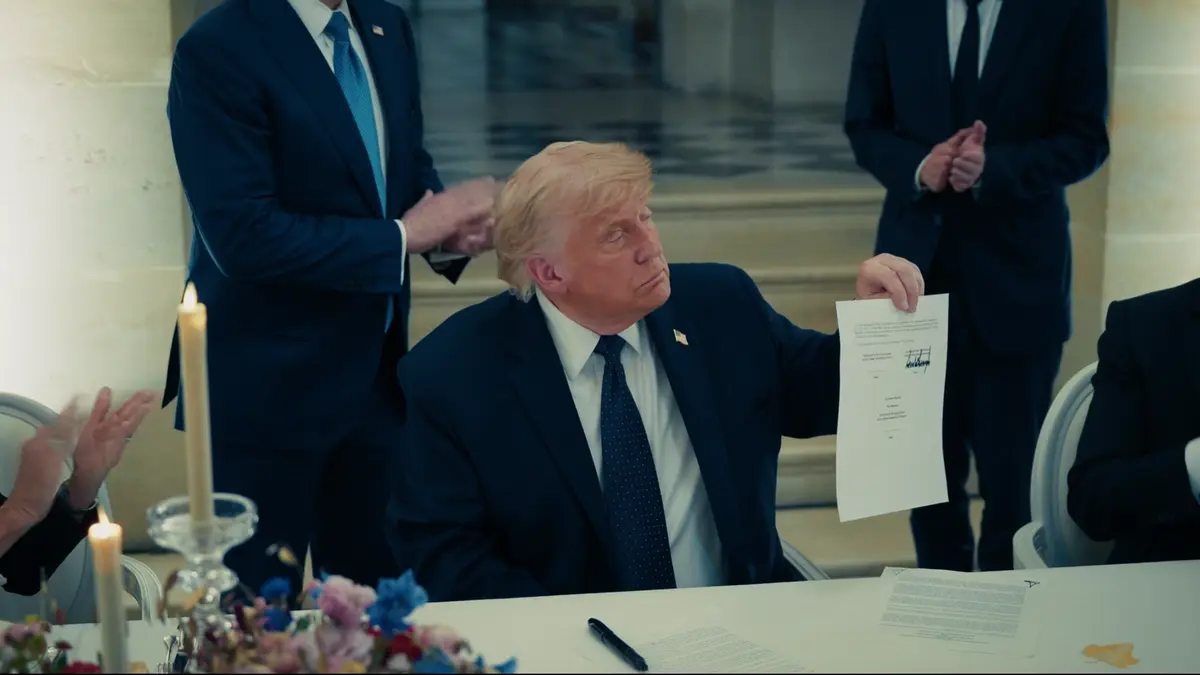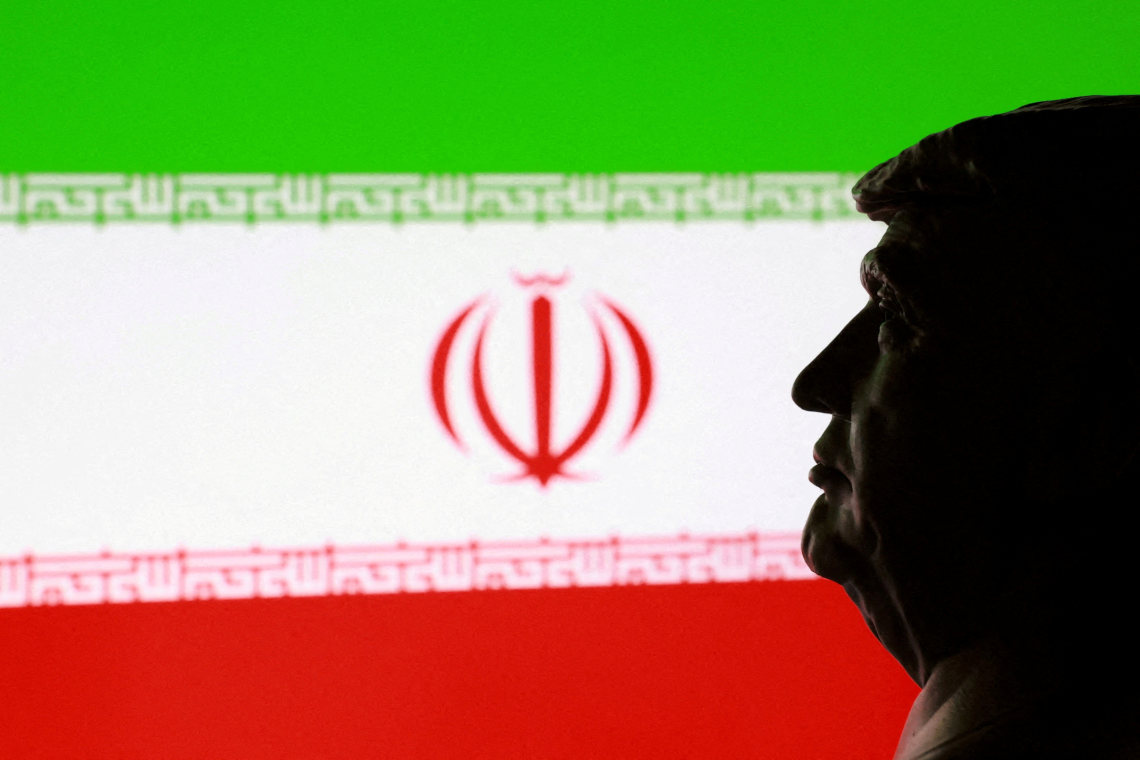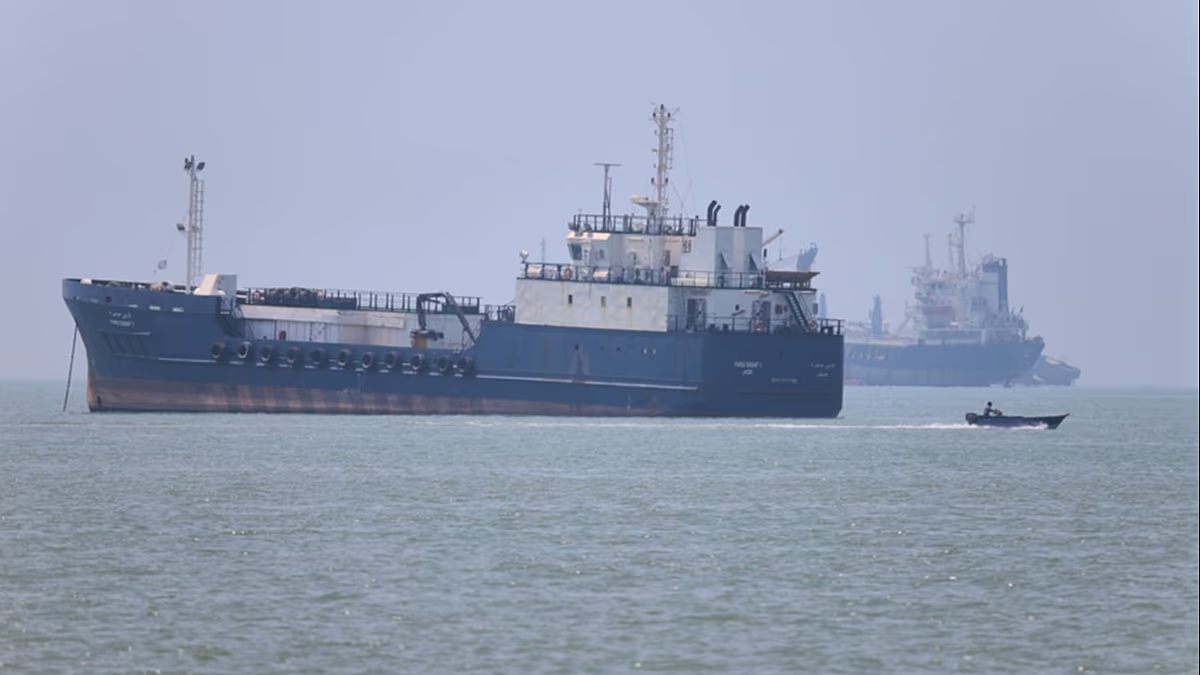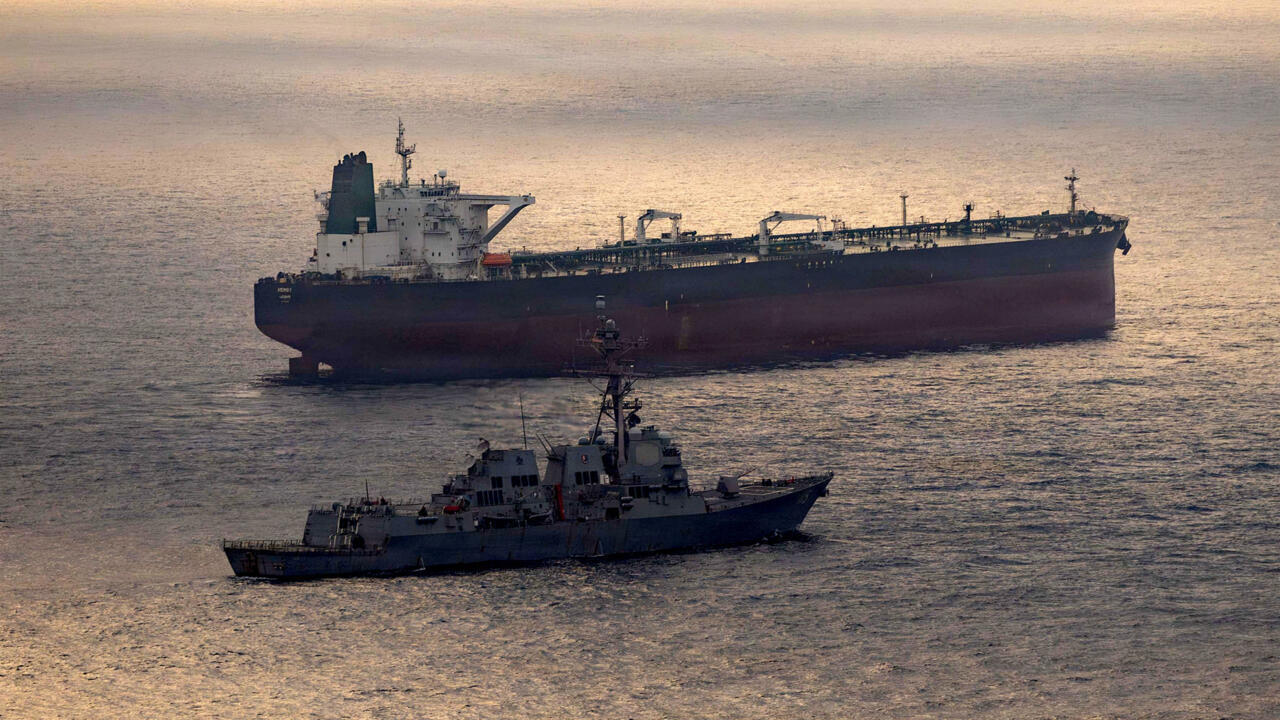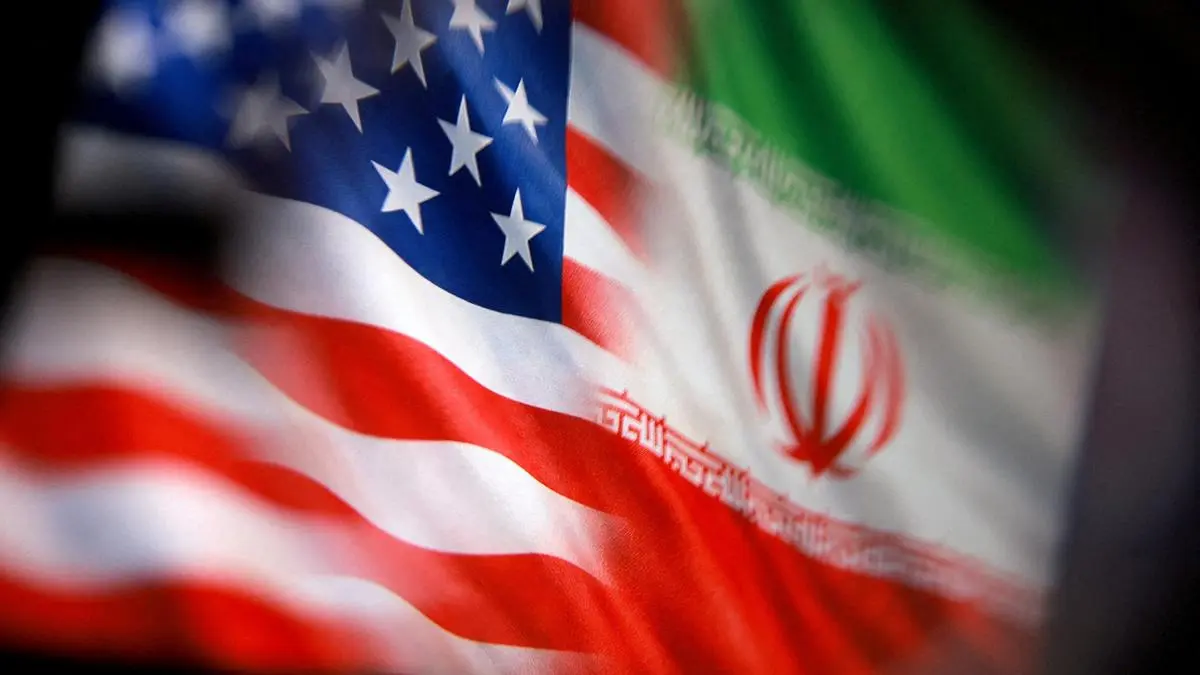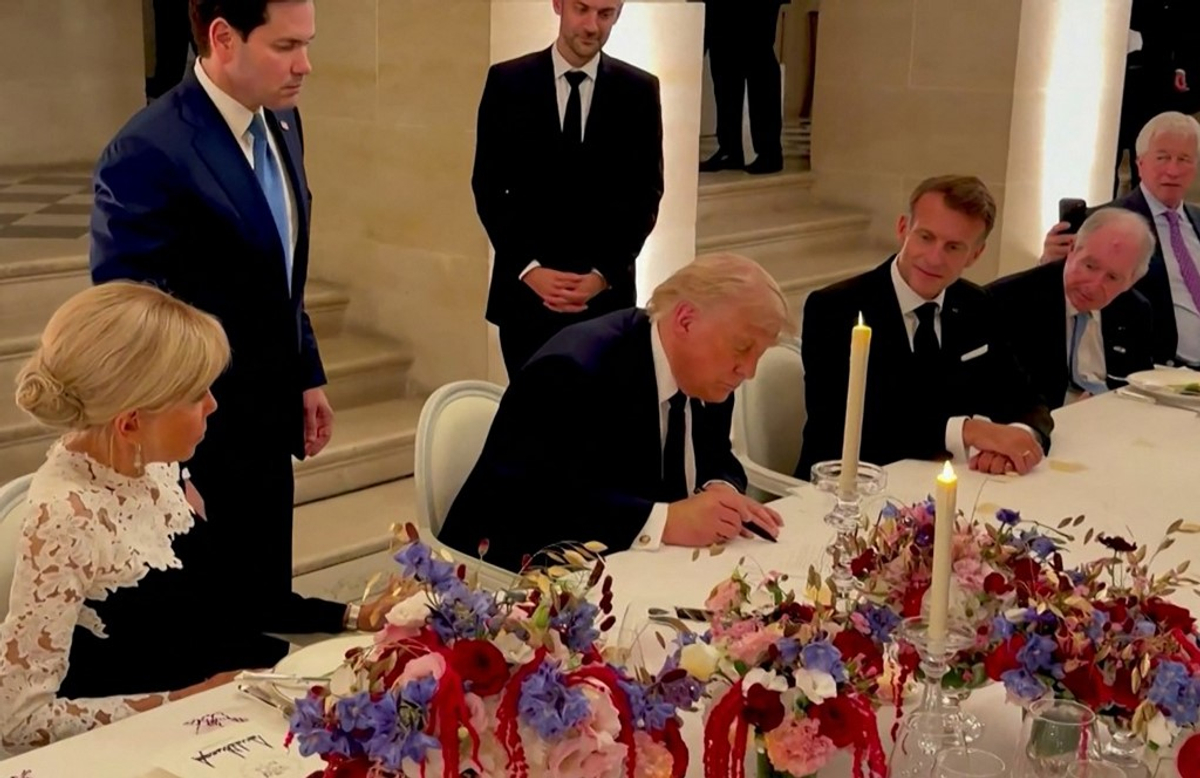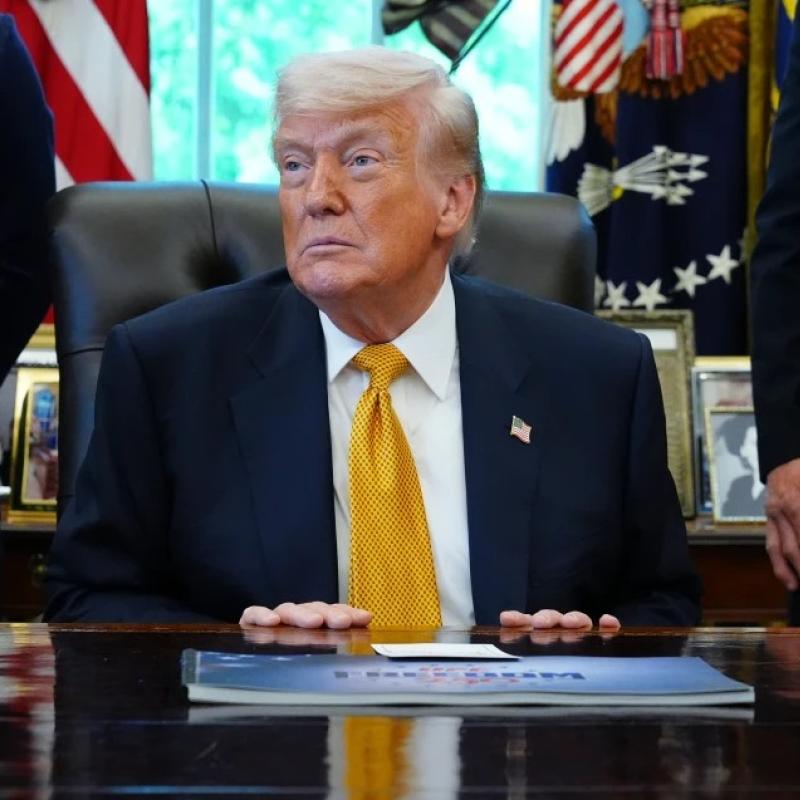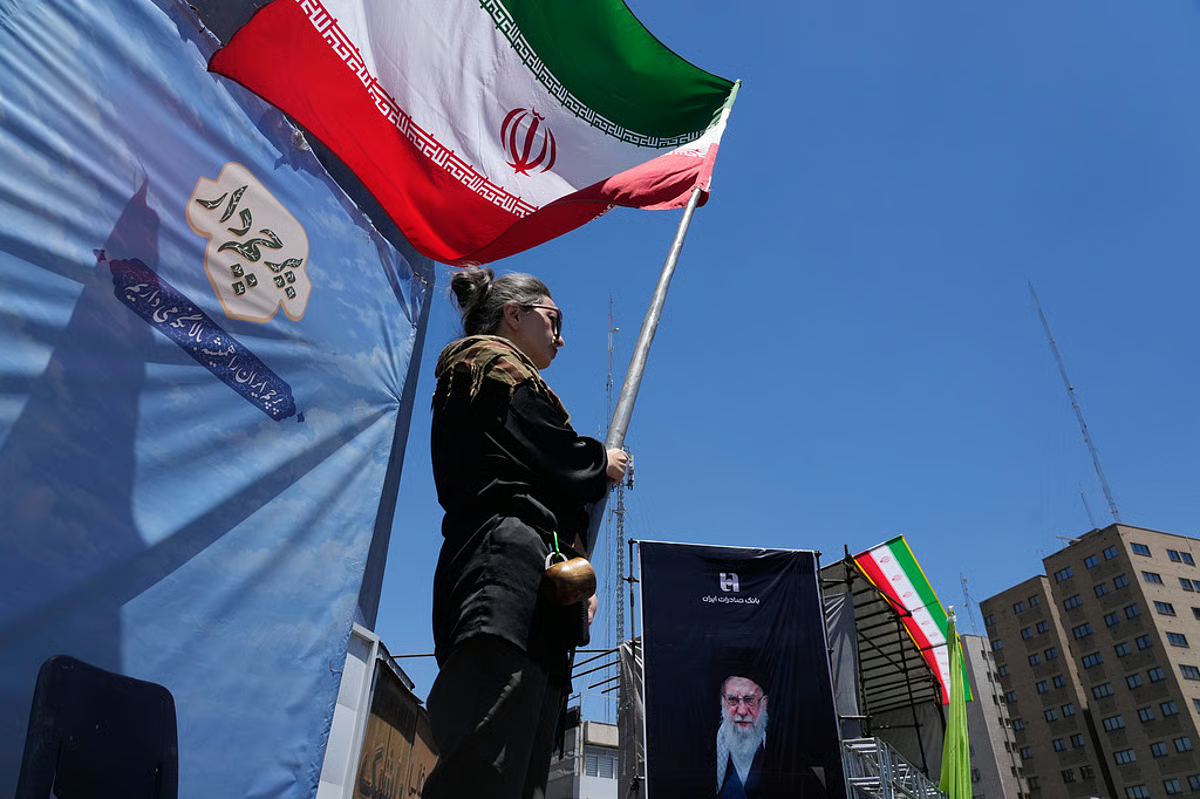
Trump and Iran's President Masoud Pezeshkian have signed a Pakistan-brokered interim deal to end months of war, taking immediate effect, with Tehran winning upfront sanctions waivers to sell oil freely in return for diluting its enriched uranium, though Trump warns bombing could resume if a final deal isn't reached in 60 days. The US has lifted its naval blockade of Iranian ports, oil is flowing again through the Strait of Hormuz, and Trump is hailing the accord as a "victory" despite anger from Republican hawks. Iran's supreme leader Ayatollah Mojtaba Khamenei says he approved the deal despite having a "different view," while tensions flare between Washington and Israel, with VP JD Vance bluntly warning Netanyahu's cabinet not to alienate its "only powerful ally." Follow all the latest updates here:07:30 AM, 19 June 2026We are closing this coverage now. For the latest updates, click here.07:11 AM, 19 June 2026Brent not going back to $60/barrel?
The US-Iran memorandum aimed at ending months of conflict across the Middle East has triggered a dramatic shift in global oil markets. Traders have rushed to unwind the geopolitical risk premium that sent crude prices soaring during the crisis, betting that millions of barrels of Middle Eastern oil will soon flow back into world markets. But while the immediate threat of a supply shock has eased, energy analysts warn that investors may be overlooking a more fundamental reality: the agreement is only a framework for future negotiations. Analysts said Brent crude is not going back to $60/barrel anytime soon as global oil inventories are historically depleted, and even a sizeable supply surplus may not be enough to send crude prices back to the levels seen before the war.05:39 AM, 19 June 2026Vance not flying Thursday night to Switzerland for Iran talks: White House