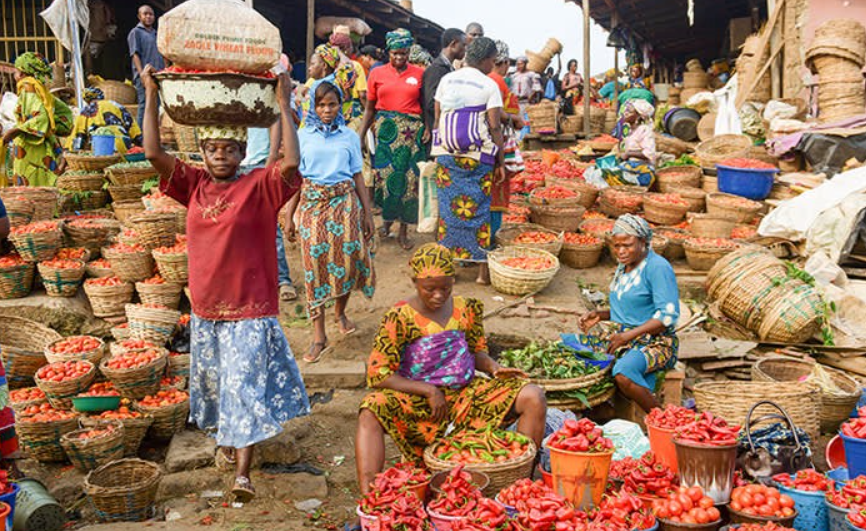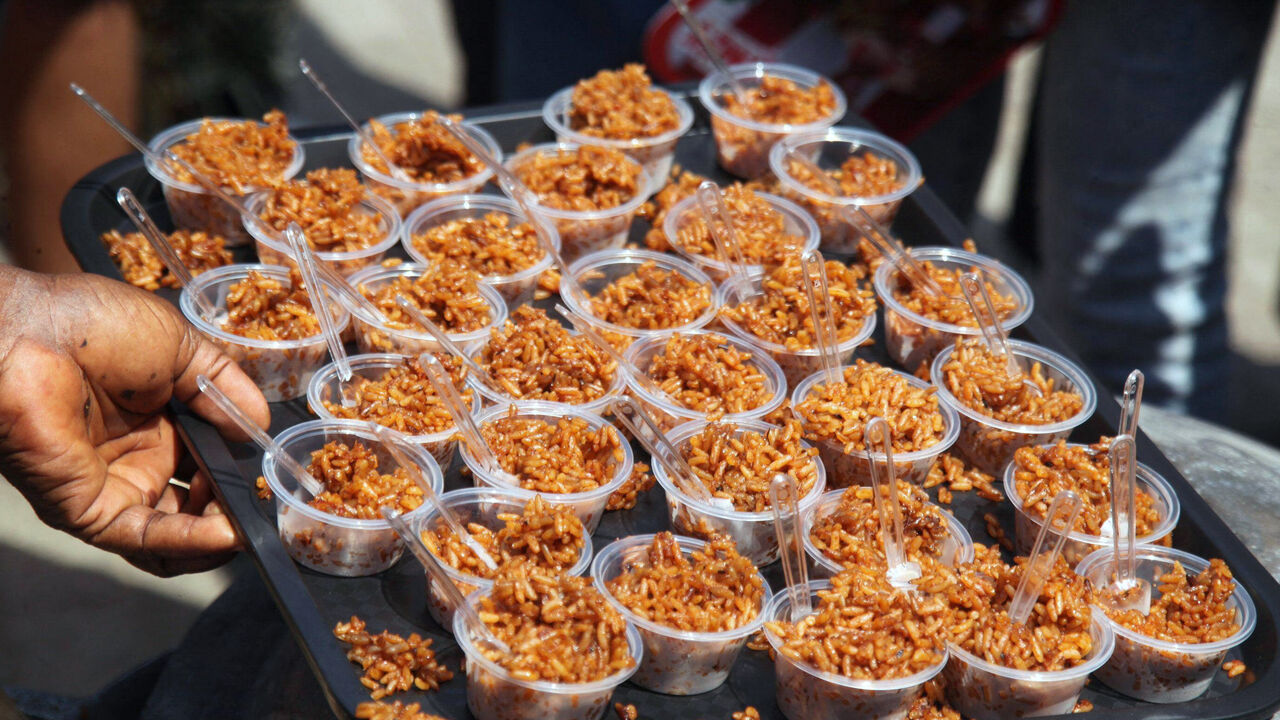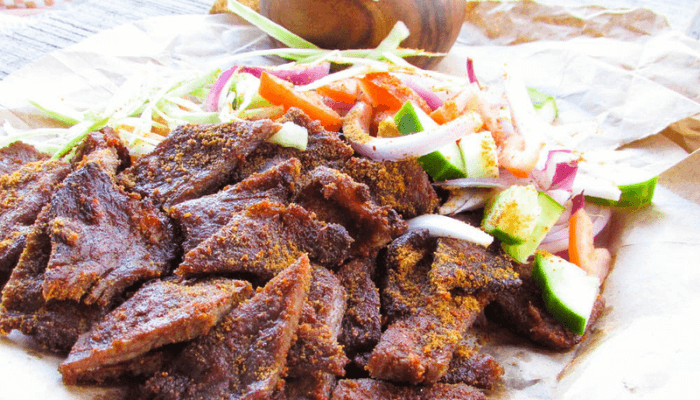
For centuries, Nigerians have gathered around fire. From the suya corridors of Kano and Kaduna to the fish grills of the Niger Delta and the open-fire meat traditions of the South-West, grilling is one of the country’s oldest and most democratic culinary traditions.
It cuts across class, ethnicity, and geography. The smoky aroma of meat on charcoal is as familiar to a Lagos executive as it is to a trader in Zaria.
Yet despite its cultural significance, grilling remained largely informal for decades – a roadside business generating income but rarely attracting serious investment, professional branding, equipment manufacturing, culinary innovation, or export ambitions.
That is beginning to change. A new generation of entrepreneurs is transforming grilling from a traditional food practice into a modern economic sector that spans hospitality, tourism, steel fabrication, events management, food processing, livestock value chains, culinary education, and premium dining experiences.
In a country searching for non-oil growth sectors capable of creating jobs and retaining value locally, these grill entrepreneurs are quietly building an industry hidden in plain sight.