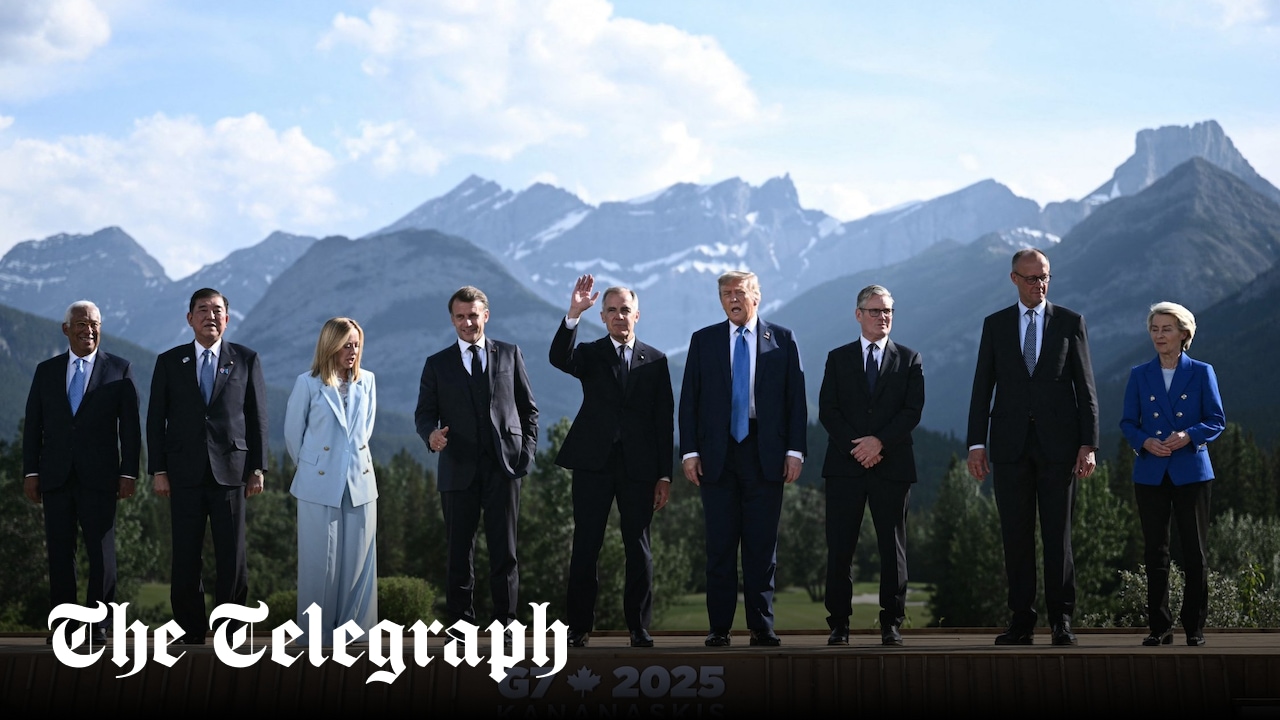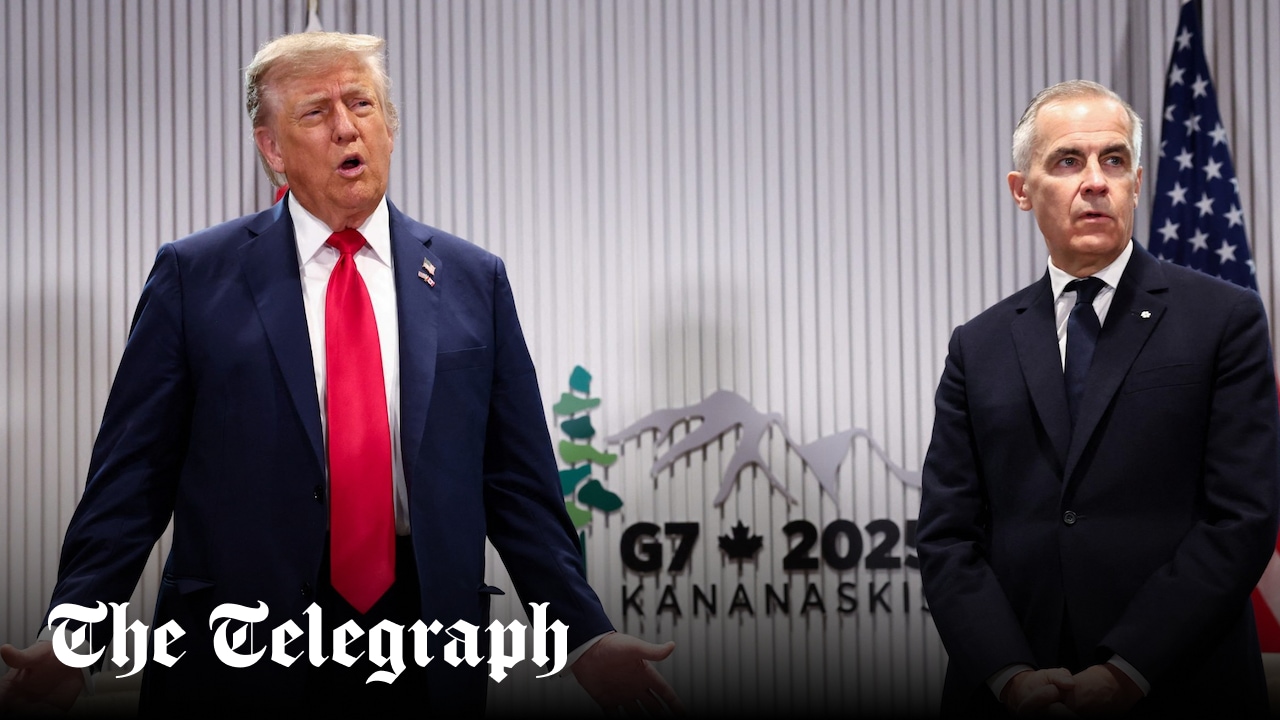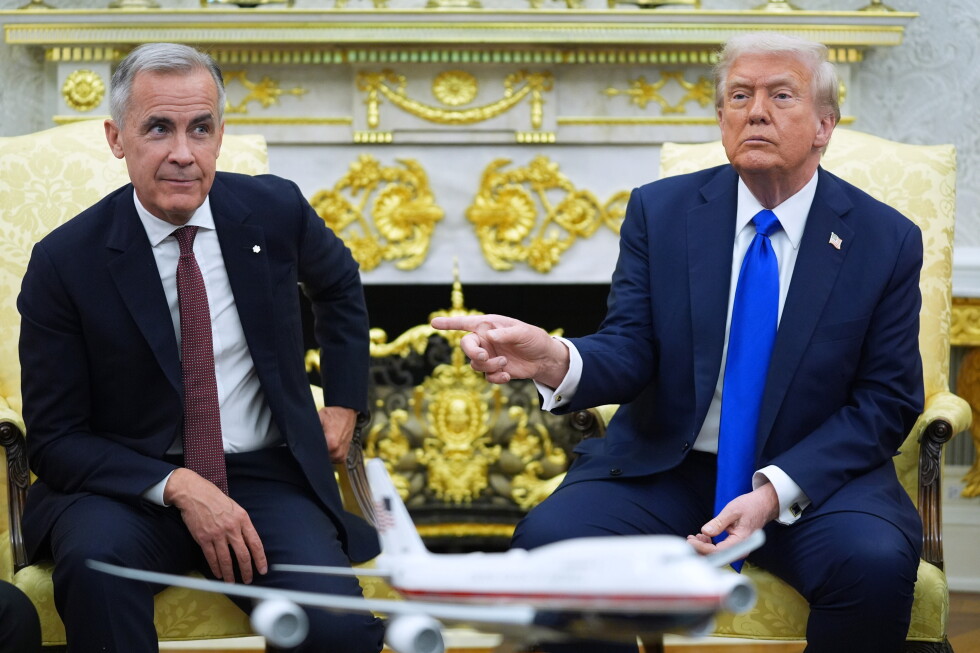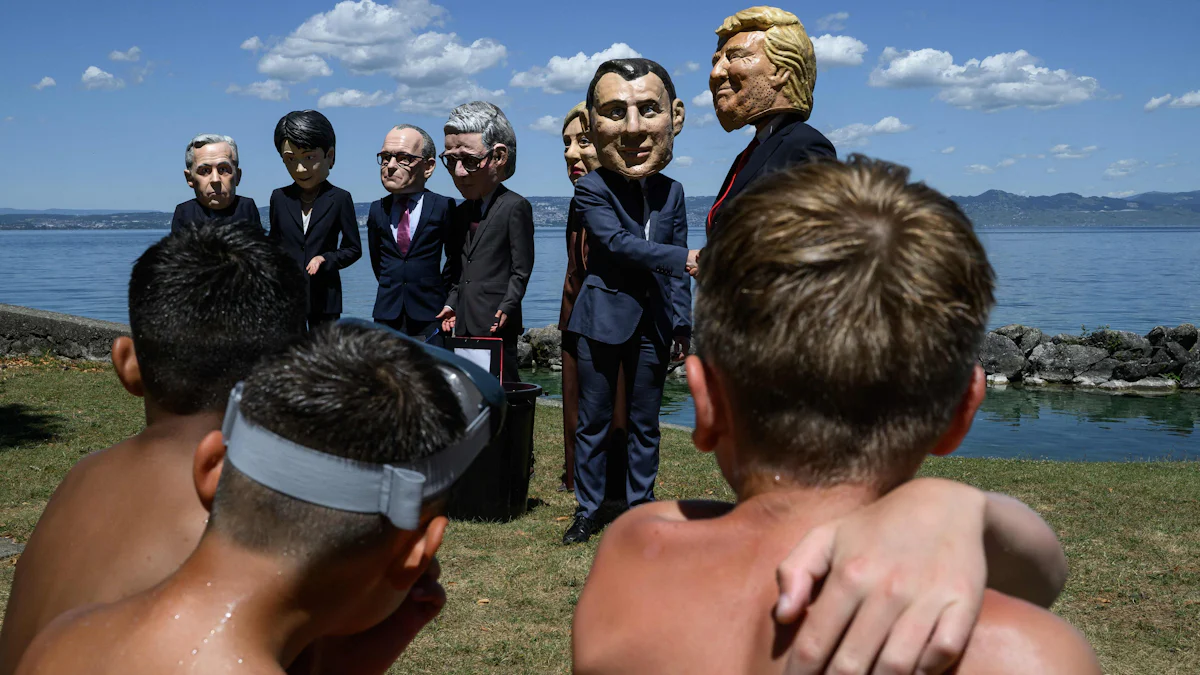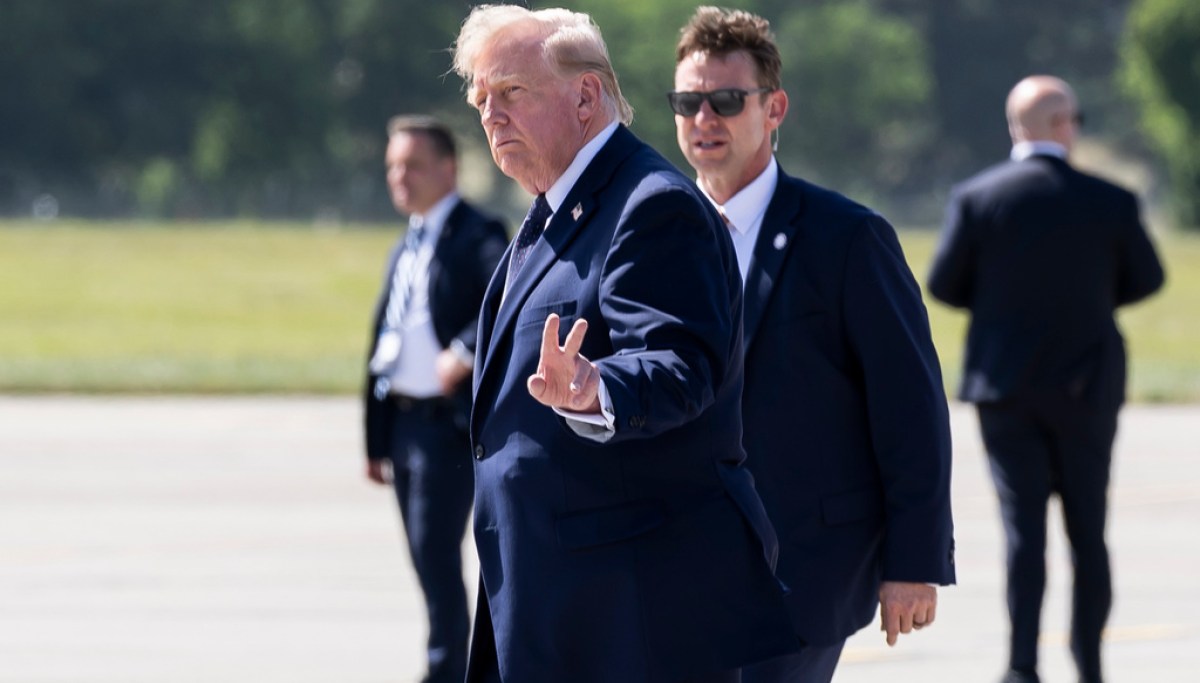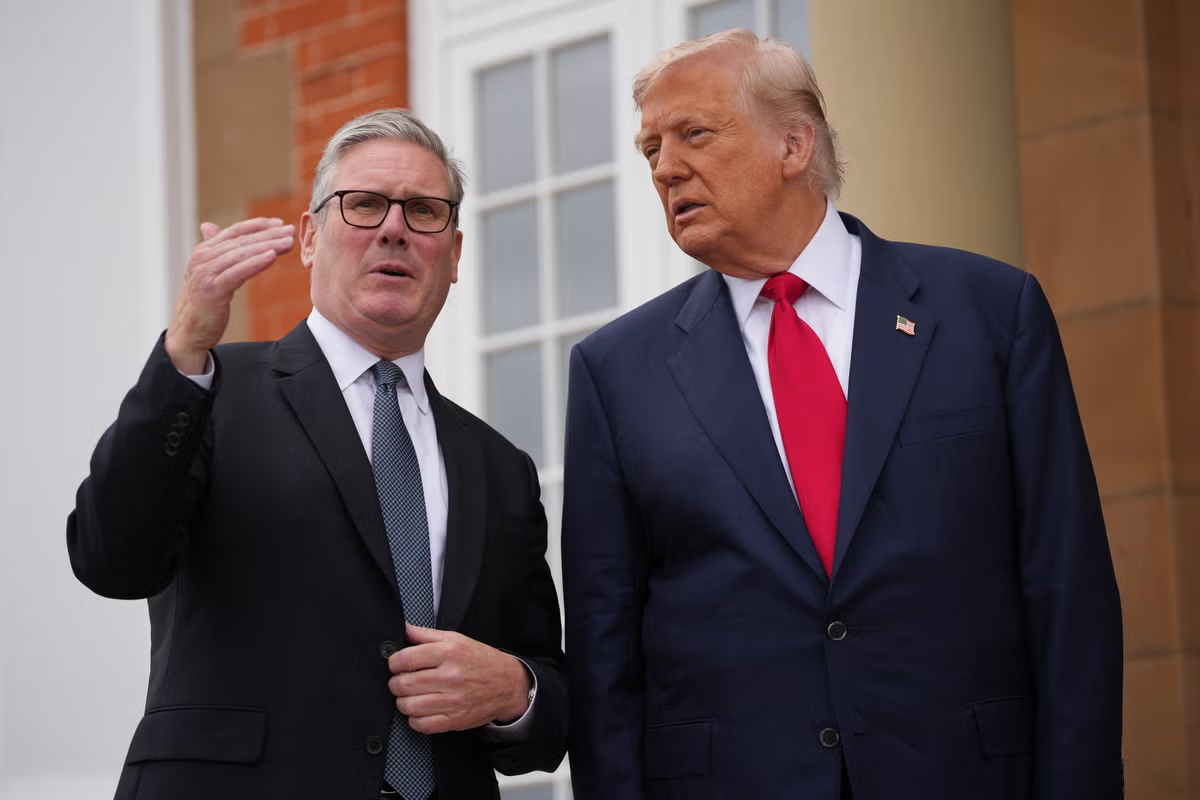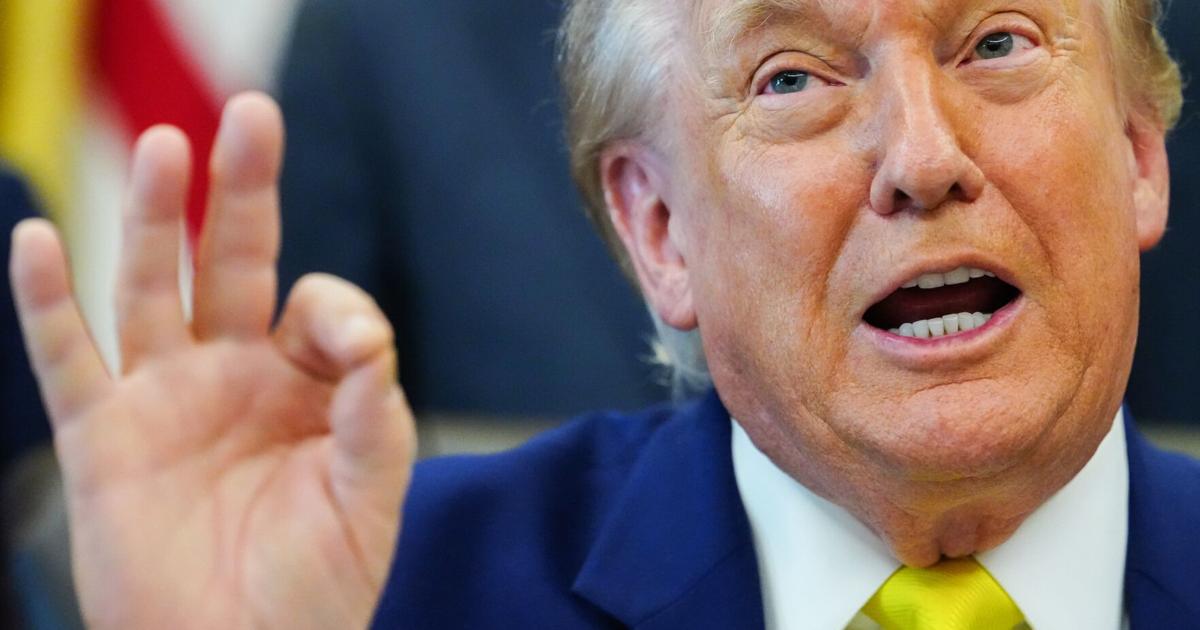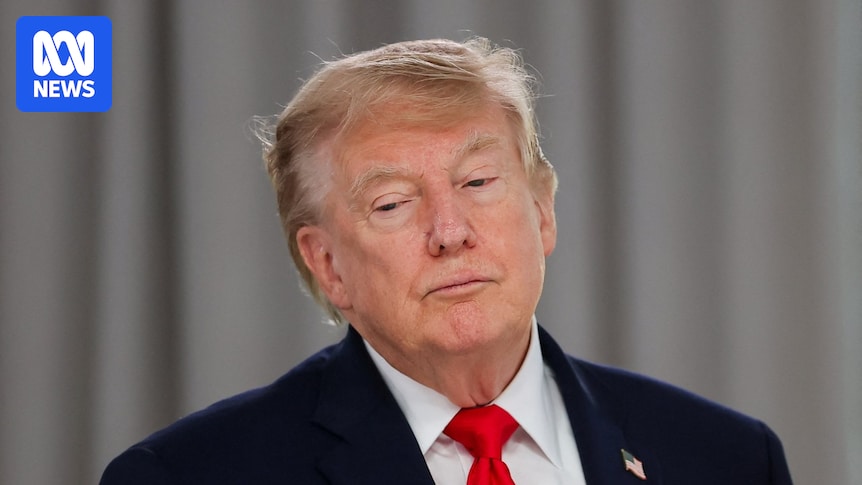
In June 2018, I sat inside the White House Situation Room, dreading what was about to happen. We’d just finished preparing for Donald Trump’s trip to Canada for a Group of Seven (G7) meeting, a gathering of the world’s most powerful democracies. And the US President was pouting. He didn’t want to go. Aides had talked him out of skipping the summit, but my worry was that his attendance might actually be worse.
He did not disappoint.
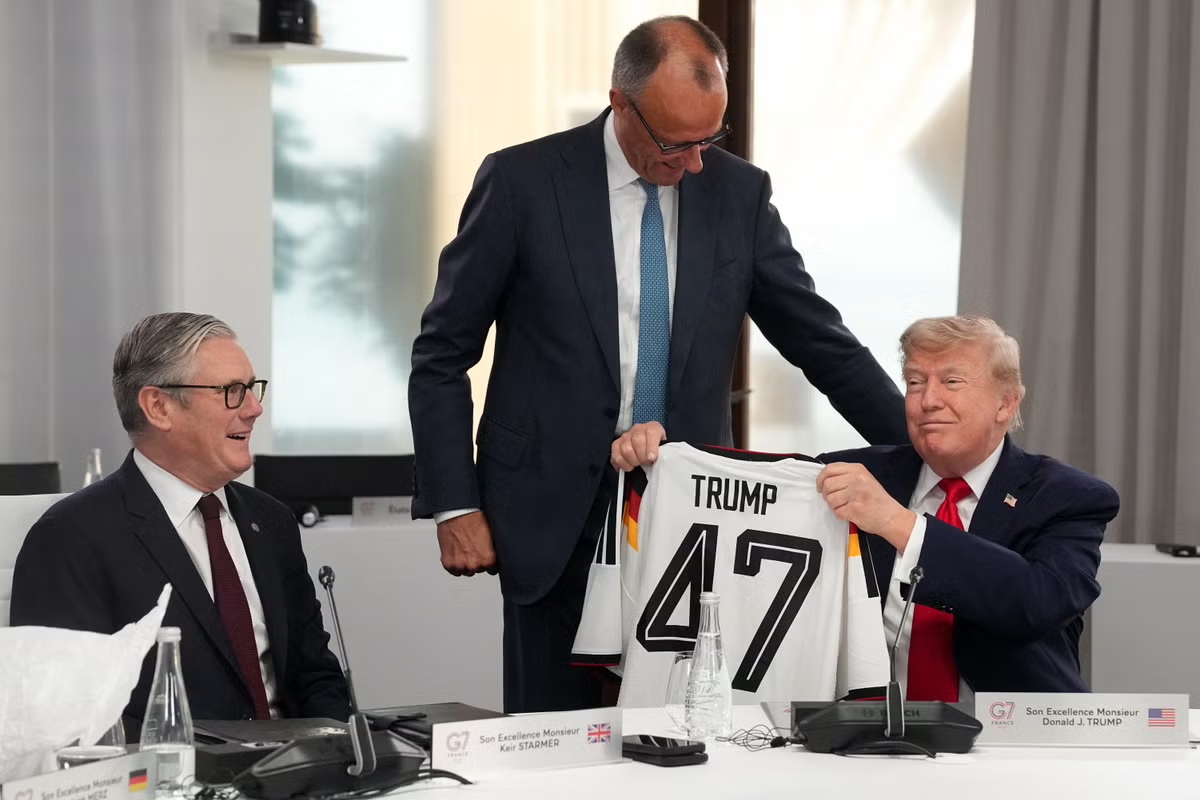
He arrived late. He lectured the leaders of America’s closest friends about trade as though they were errant suppliers. At one point, he flicked a Starburst sweet across the table at the then German chancellor Angela Merkel – “Here, Angela. Don’t say I never give you anything” – a gesture that managed to be both petulant and weirdly revealing. He left early. From the plane, he detonated the joint communiqué he’d just signed, branding his Canadian host “very dishonest and weak”. And, most tellingly of all, he used the world’s premier club of democracies to demand the readmission of an autocracy, calling for Vladimir Putin’s Russia to be welcomed back into the fold. It was, I wrote after I left my role as chief of staff at the Department of Homeland Security, as if Putin himself had drafted his talking points.