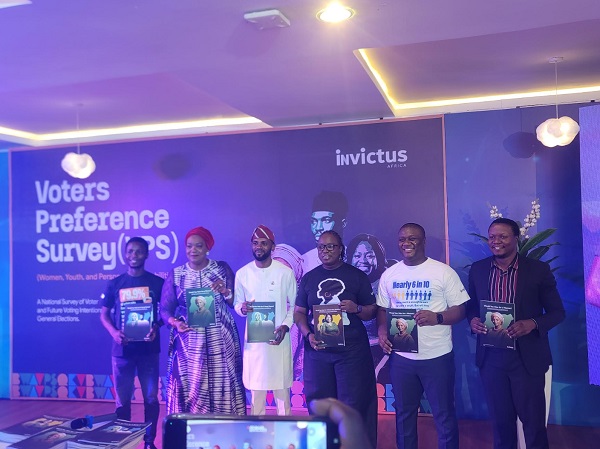
The new generation of Nigerian voters is driving a historic shift away from traditional identity politics by utilizing digital organising, demanding data-driven accountability, and pushing to dismantle the rigid “godfather” patronage system.
Historically, Nigerian elections have been heavily driven by ethno-religious affiliations, with voters frequently defaulting to candidates who share their tribe or faith. The new generation is explicitly shunning these primordial ties in favor of issue-based politics.
Driven by soaring inflation and worsening living conditions, younger demographics recognize that bad governance, corruption, and poverty affect all tribes equally.
According to Bishop Kutah Gabriel, founder, Christ Orphanage and Widows Home, grassroots advocates and civil society groups, continually push for “competence over tribe,” shifting political debates away from symbolic identity arguments toward tangible deliverables like job creation, infrastructure, and cost-of-living relief.
The traditional political establishment has long relied on political godfathers—wealthy, entrenched elite who finance campaigns, handpick successors, and demand loyalty over public service. Younger voters and civic advocates are challenging this in several ways including internal party reform.