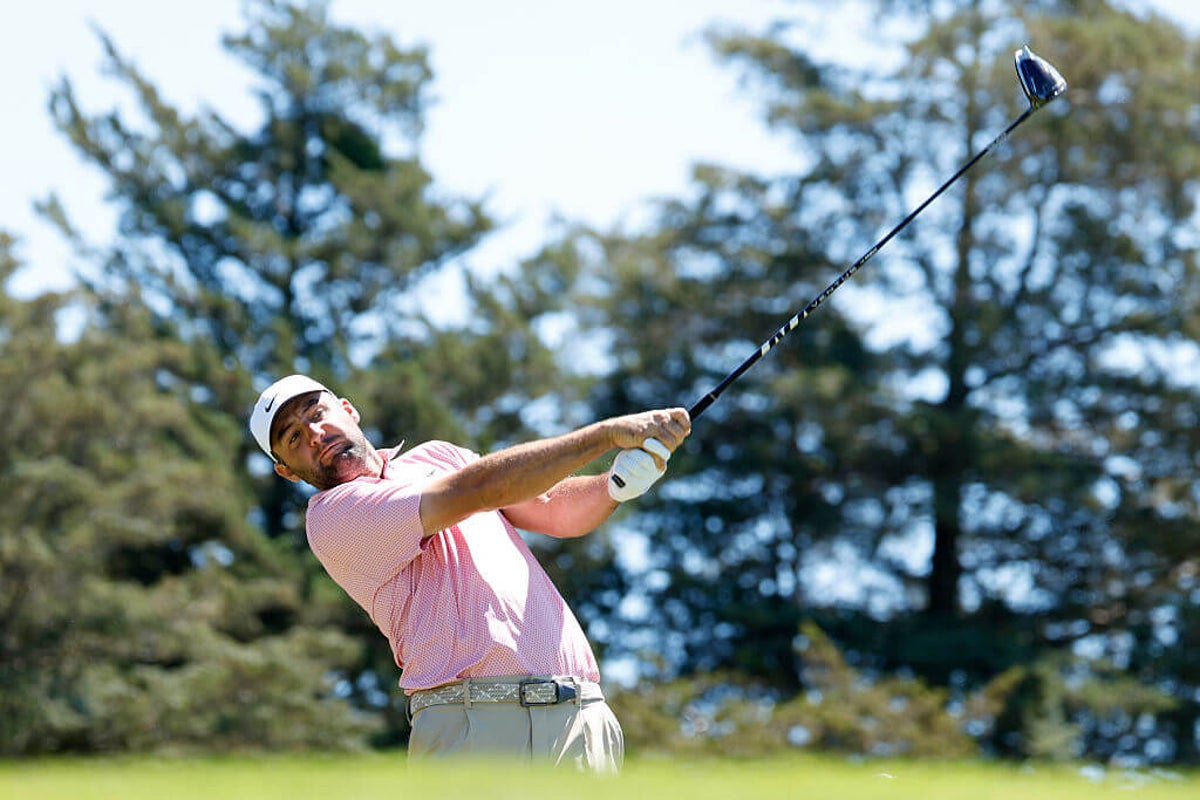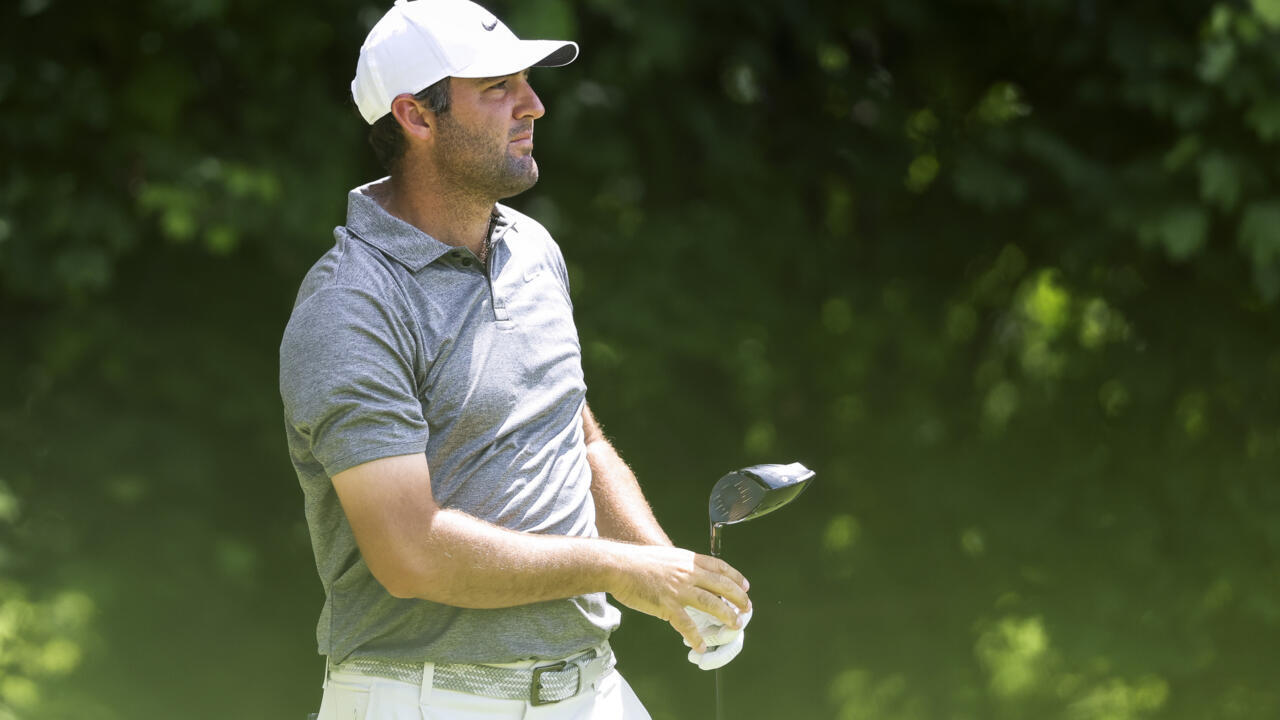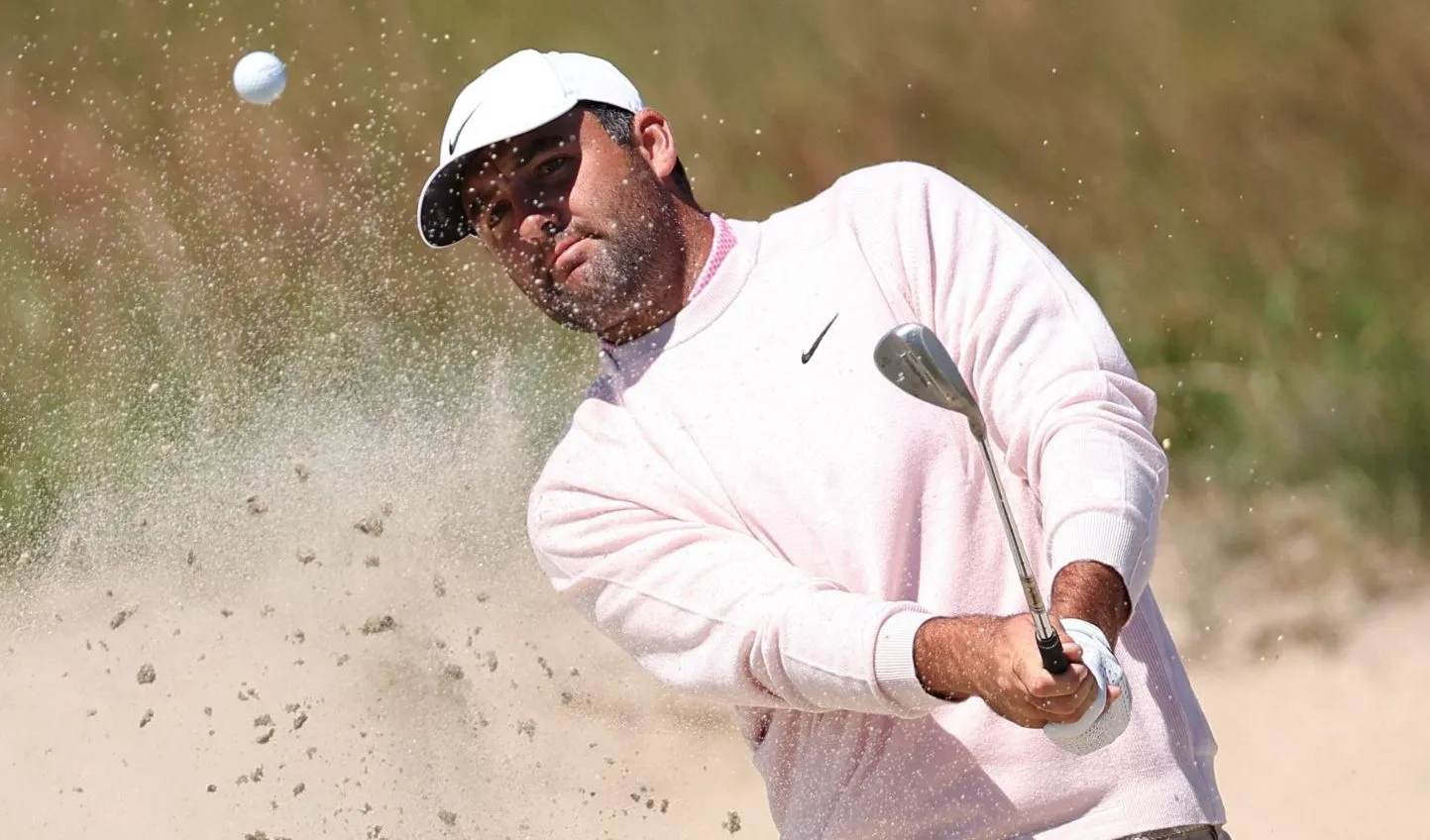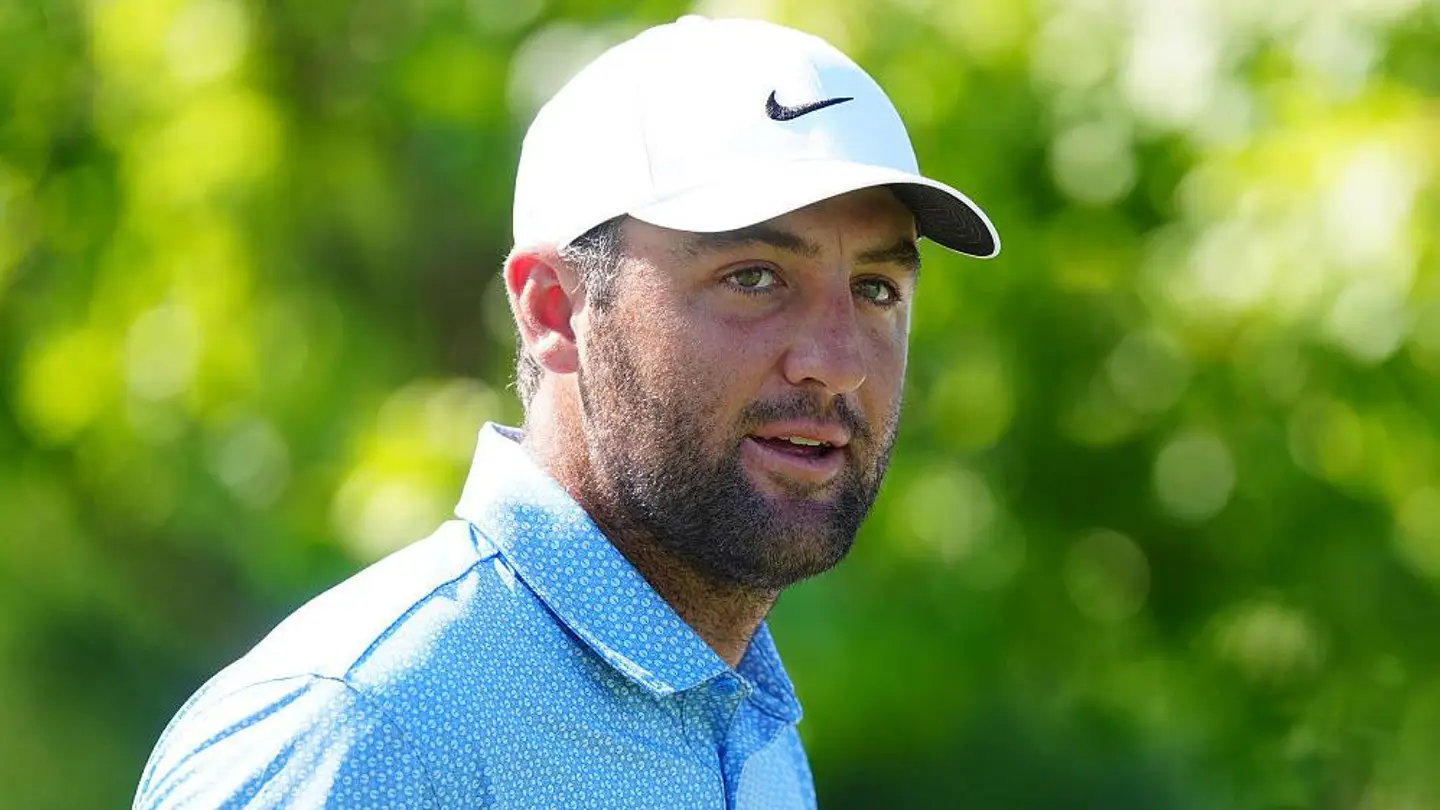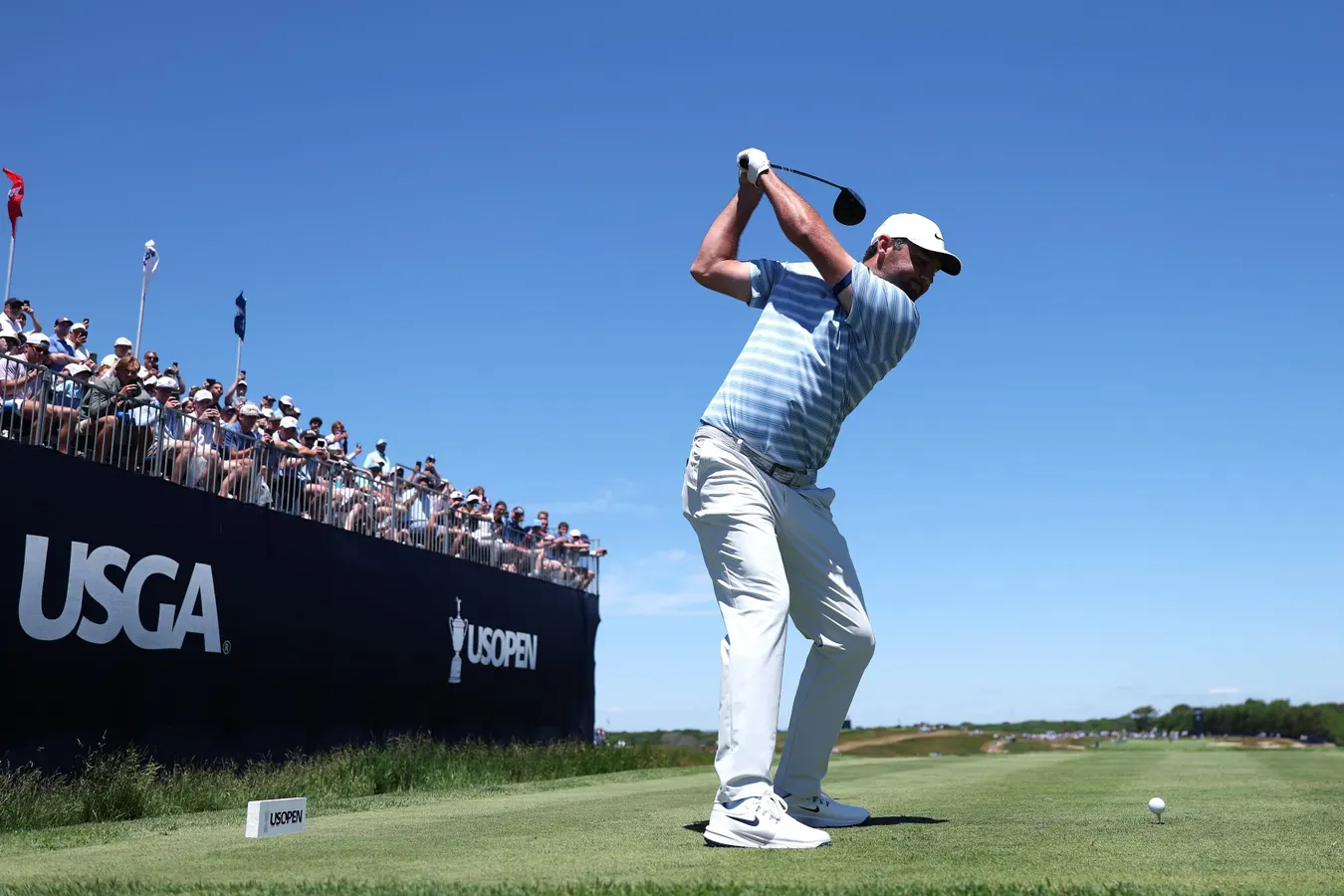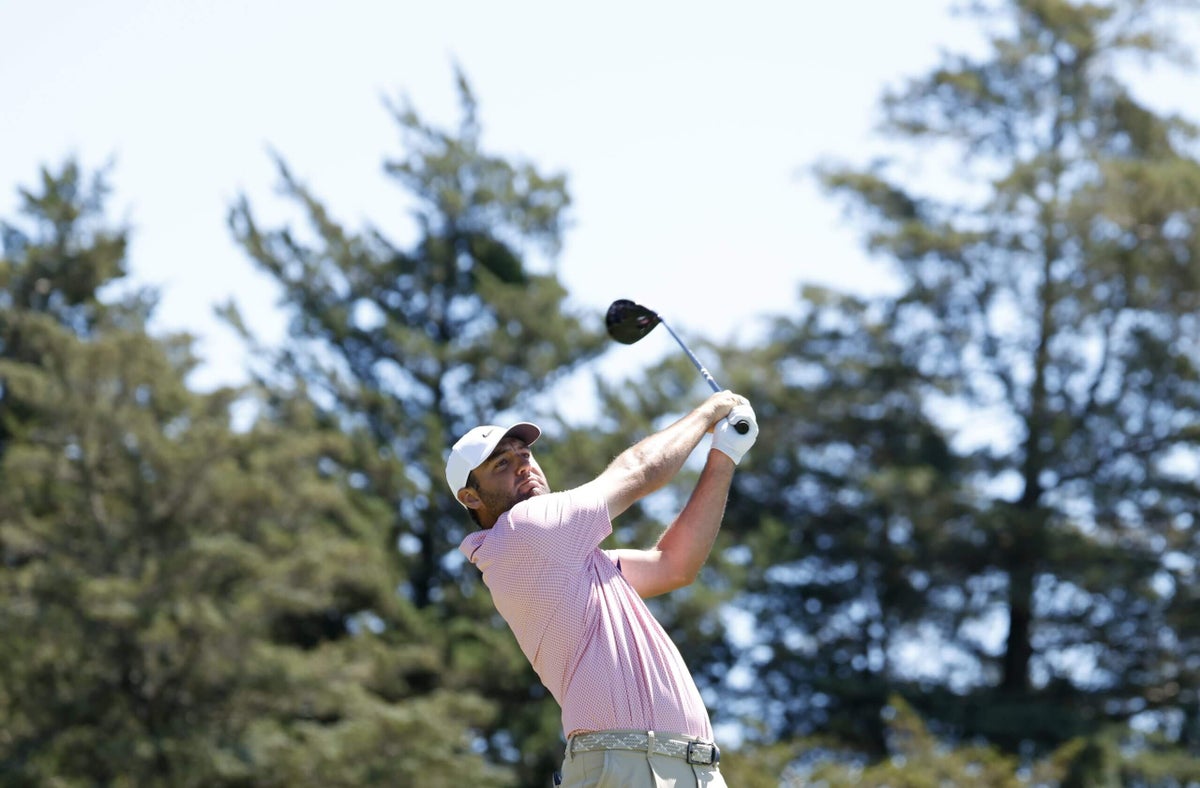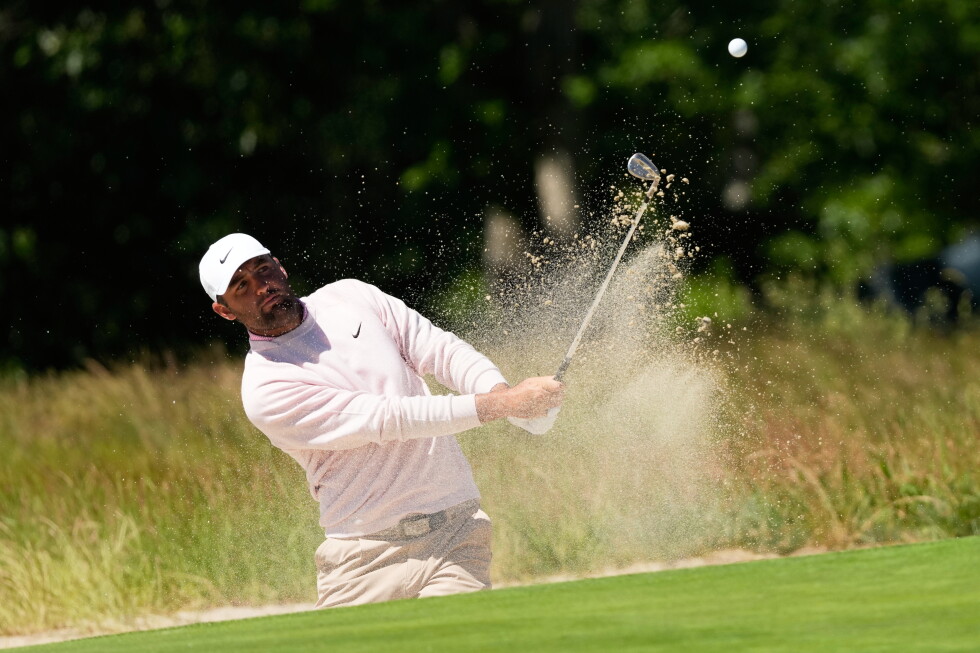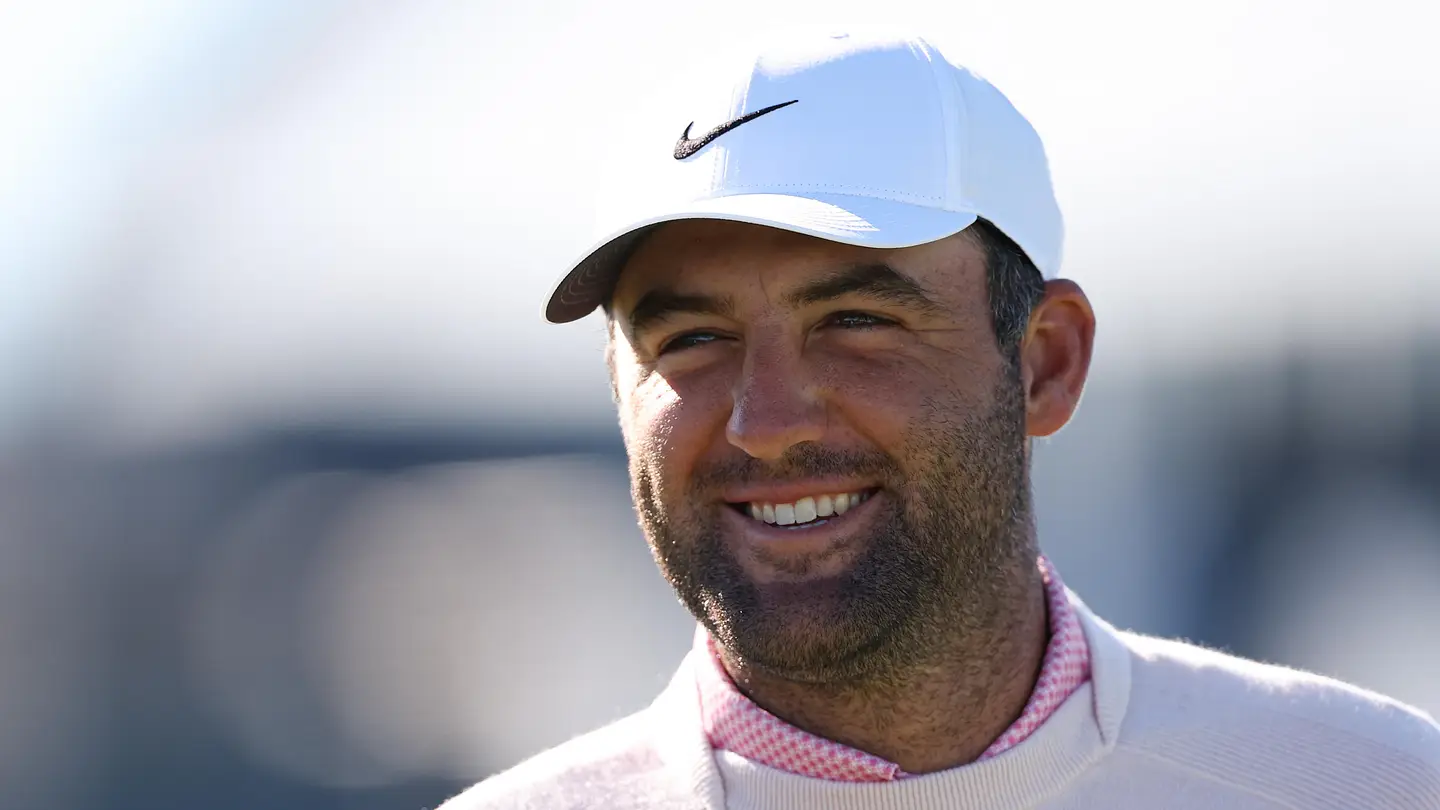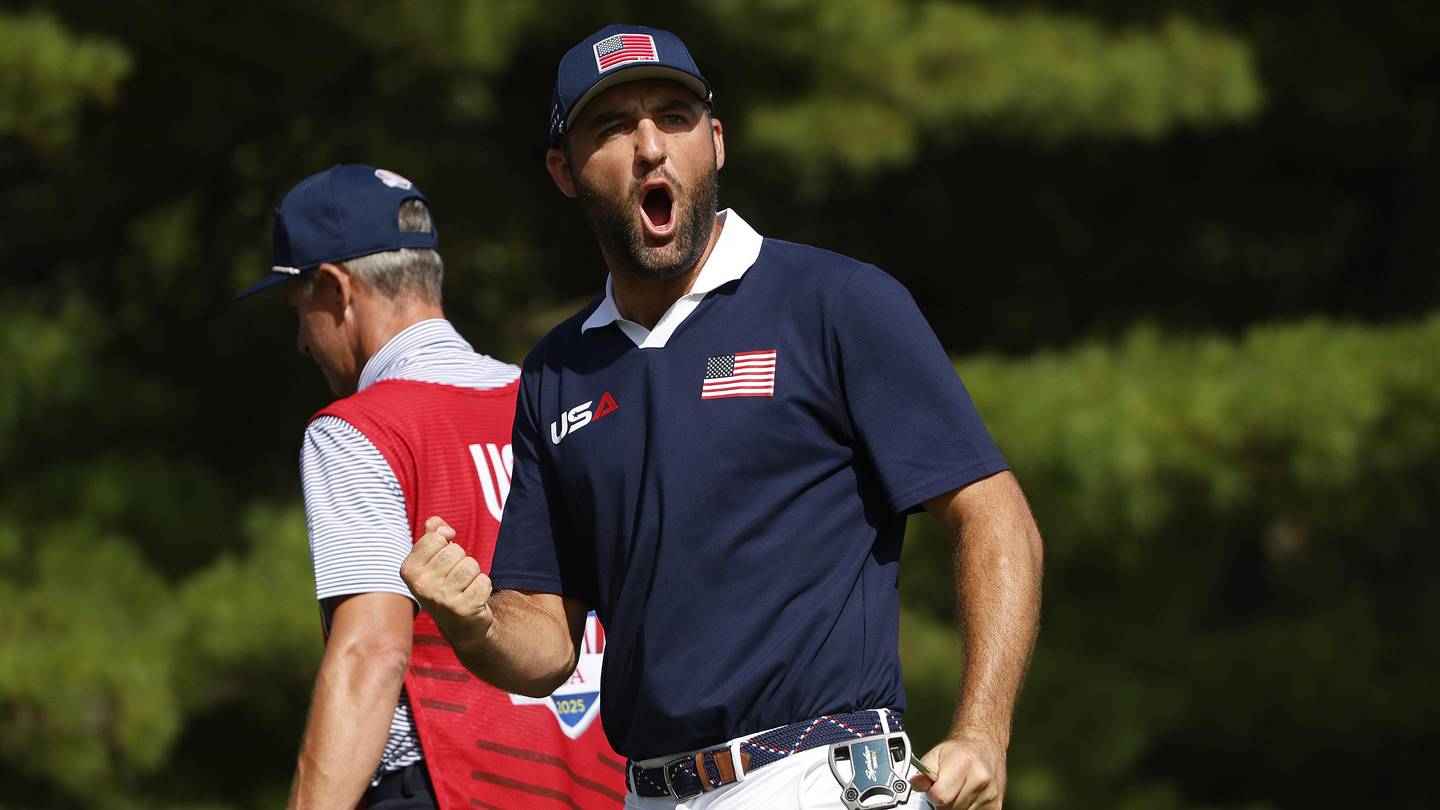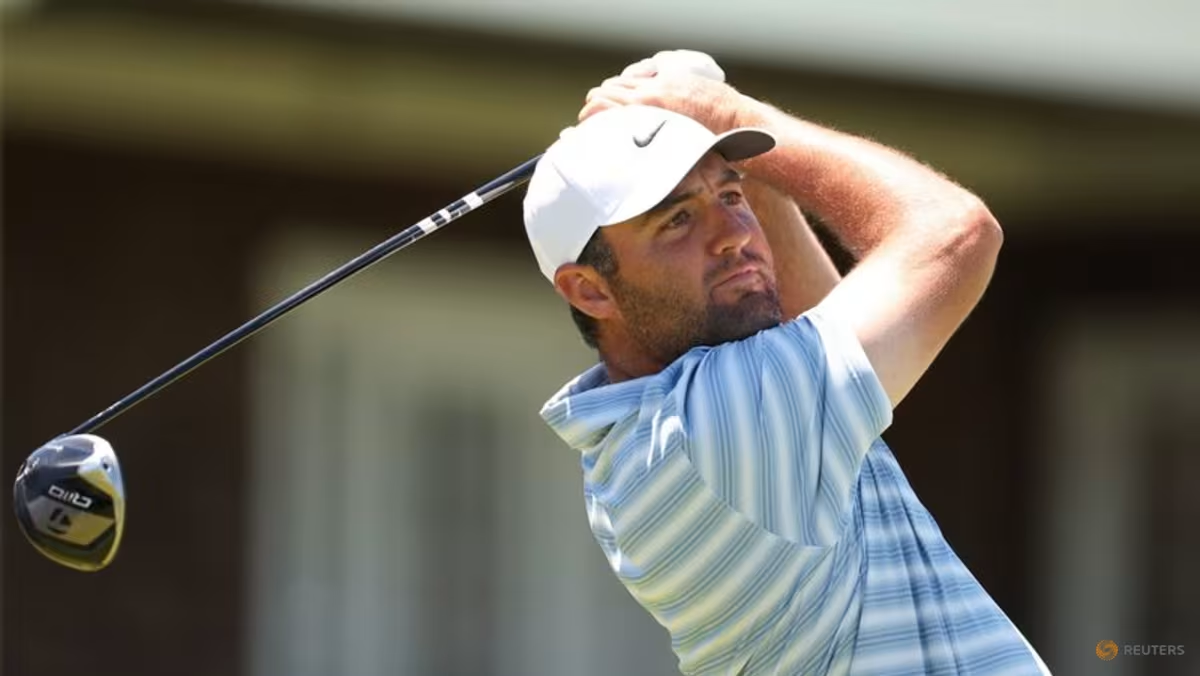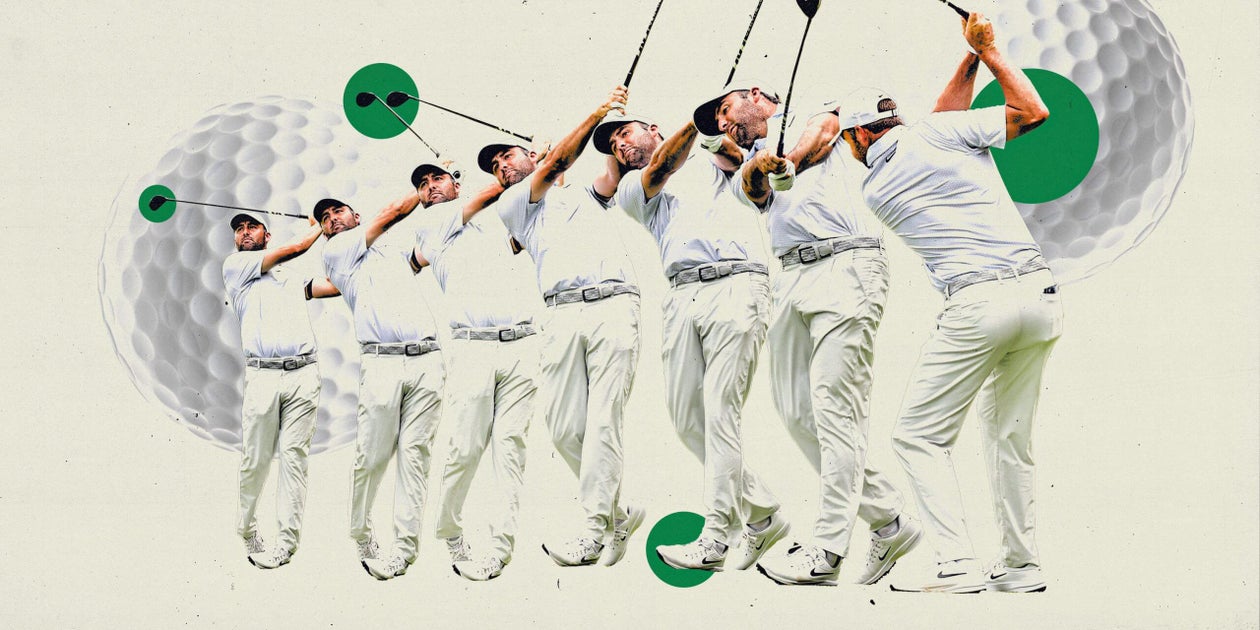
SOUTHAMPTON, N.Y. — Leave it to Gary Player to call it as it is. To remove all defenses and lay down the gauntlet. He wanted to be the first to win the modern grand slam.Player arrived at The Country Club in Brookline, Mass., as a 27-year-old South African with three major championships and one more to go. He’d won the 1959 Open Championship, the 1961 Masters and the 1962 PGA Championship, and he showed up at the 1963 U.S. Open desperate to conquer one last hurdle.But Arnold Palmer was one away, too. Jack Nicklaus was getting close.This new milestone was taking shape: the holy quartet, the quadrilateral, the four golf tournaments that meant the most for any golfer to conquer. It had been thrown around before, never fully agreed upon, but in the early ‘60s the consensus formed, with Palmer’s help. The Masters, U.S. Open, Open Championship and PGA Championship were the true career Grand Slam.“I’d like to be the first to complete the whole cycle,” Player told reporters at Brookline. “It means so much to me I can’t tell you what I’d do to win this one.”’He finished eighth that week. It took him until 1965 to win the U.S. Open at Bellerive. Gene Sarazen and Ben Hogan had also won all four, but before some were considered S-tier tournaments. Player was the first to take on the slam’s weight and win it anyway. A year later, Nicklaus took the 1966 Open to complete his own slam. Palmer never did.Sixty years later, world No. 1 Scottie Scheffler arrives at Shinnecock Hills Golf Club this week trying to join that most exclusive club, attempting to complete the grand slam with a U.S. Open on Sunday for his 30th birthday. He’s the heavy 9-to-2 favorite, but questions have been raised about his form.He’d be the club’s seventh member, and just the second since Tiger Woods cruised through all four by 2000. Only Woods and Nicklaus would have completed the cycle faster, with Scheffler potentially closing the deal four years after his first Masters.What's the key to a successful golfer-caddie relationship?Gabby Herzig and Lauren Morales-Jones“For me, would it be a dream to win the U.S. Open? Of course,” Scheffler said. “But at the end of the day, the grand slam has never been a motivating factor for me. I always just wanted to be the best version of myself, and that got me this far.”If Scheffler does not win this week, it won’t be considered by anyone to be a fatal blow. There’s not even pressure on him, really, at least in some part to his season’s results, which have been less exemplary than the past few. But from here on out, every U.S. Open for Scheffler will center on conquering this task.Right now, it seems inevitable. But the lesson in golf history is that there’s no guarantee.Jordan Spieth was still just 24. He was the chosen one. After his thrilling win at the Open, the three-time major champion went to the 2017 PGA Championship at Quail Hollow with an opportunity to become the youngest golfer to ever complete the slam.“Expectations, I really don’t feel any,” he said that week. “This whole … this is a chance to complete the career Grand Slam. I’m here, so I’m going to go ahead and try. But I believe I’m going to have plenty of chances, and I’m young enough to believe in my abilities that it will happen at some point.”
Can Scottie Scheffler join golf’s most-exclusive club with a win at the 2026 US Open?
He’d be the club’s seventh member, and just the second since Tiger Woods cruised through all four by 2000.
1,677 words~8 min read