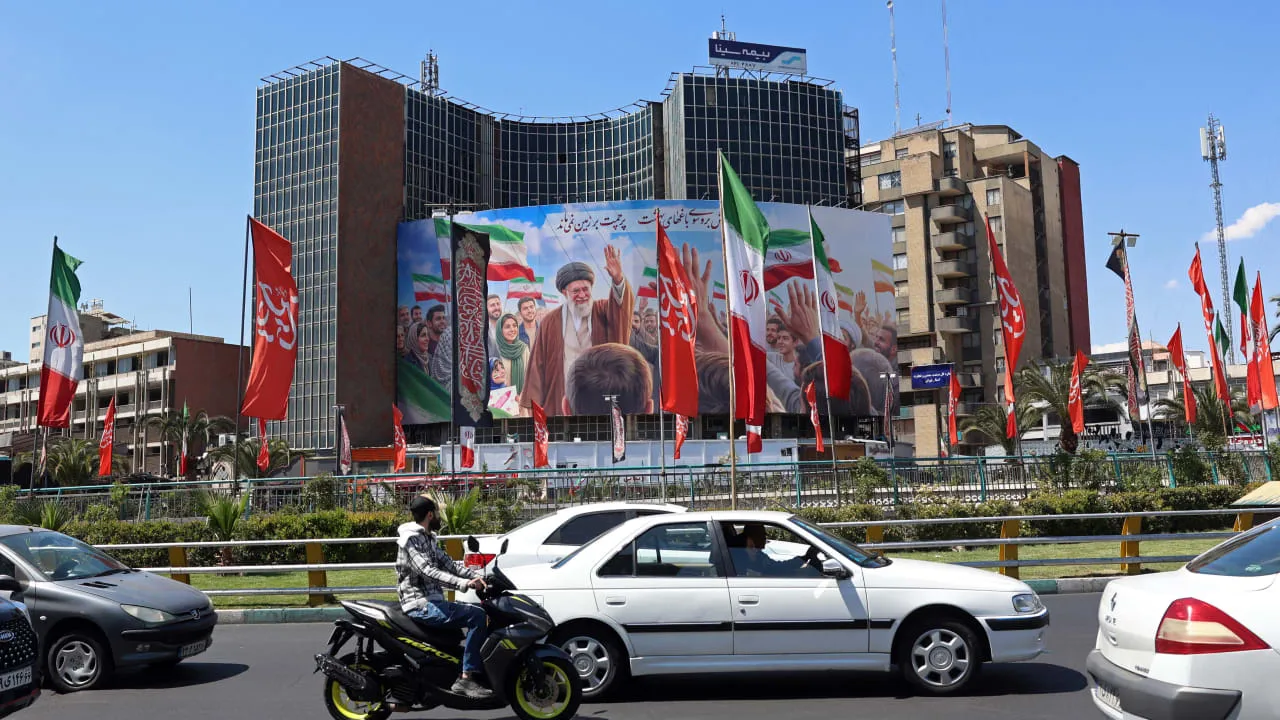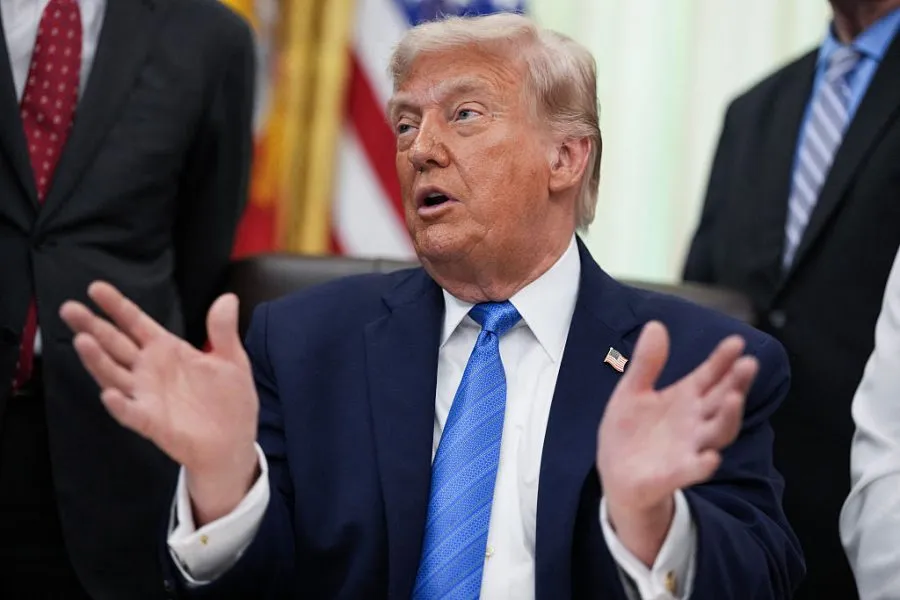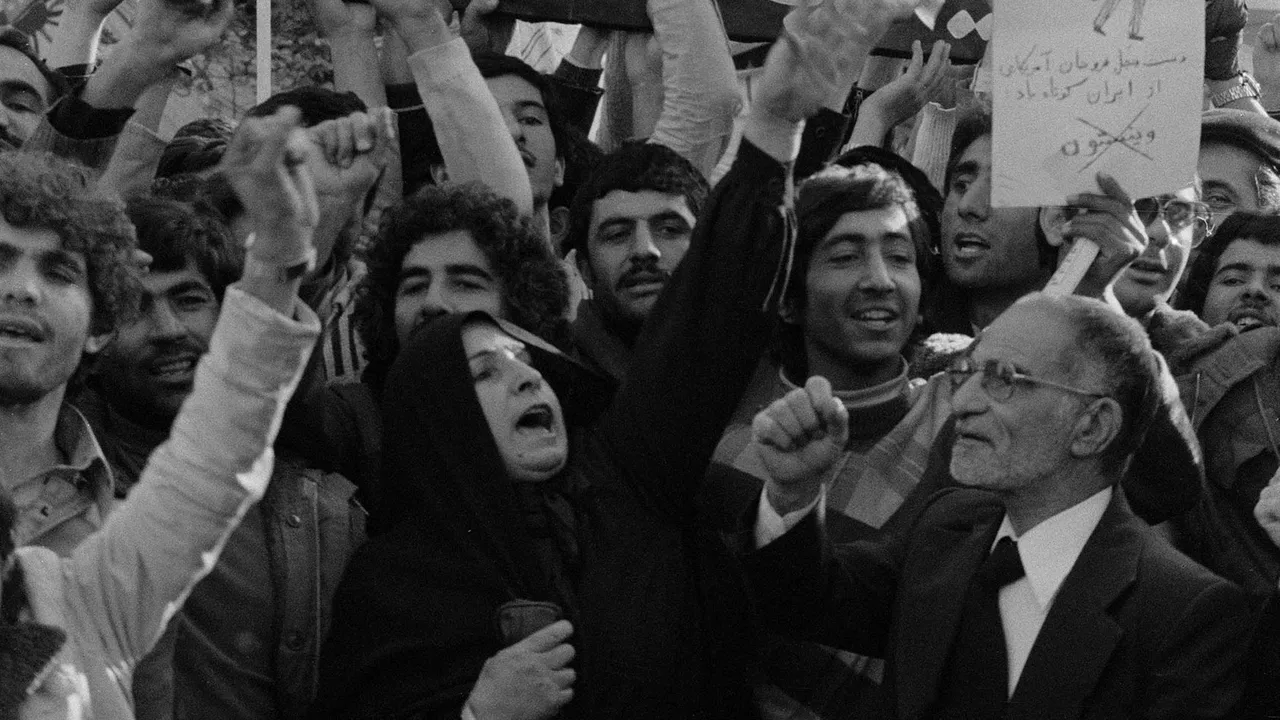
When Ayatollah Ruhollah Khomeini accepted a ceasefire with Iraq in 1988, he compared the decision to drinking a chalice of poison. He did not do so because he suddenly embraced peace. He did it because continuing the war threatened the survival of the Islamic Republic.Nearly four decades later, Iran’s rulers still follow the same logic. They compromise when they must, retreat when necessary, and negotiate when pressure becomes unbearable. But their objective remains unchanged: preserving the regime at all costs.That reality should guide Washington’s approach to any future agreement with Tehran.
VANCE HITS BACK AT OBAMA’S CRITICISM OF TRUMP-IRAN DEAL: ‘THEY HATE THE OBAMA DEAL’
Many Western policymakers view negotiations as evidence that Iran is becoming more moderate or more willing to reach a lasting accommodation with the United States. History suggests otherwise. For the Islamic Republic, diplomacy is often not a path to peace, but a tool of survival.
When sanctions squeeze the economy, Iran negotiates. When military pressure intensifies, Iran negotiates. When the regime fears for its future, Iran becomes flexible.
The goal is not reconciliation. The goal is to preserve the system.