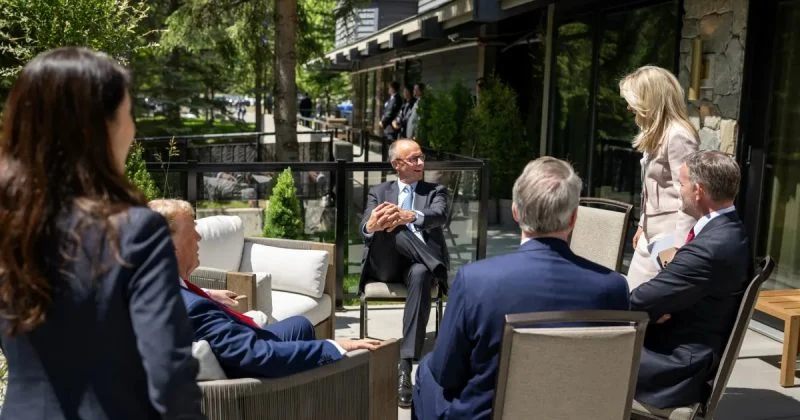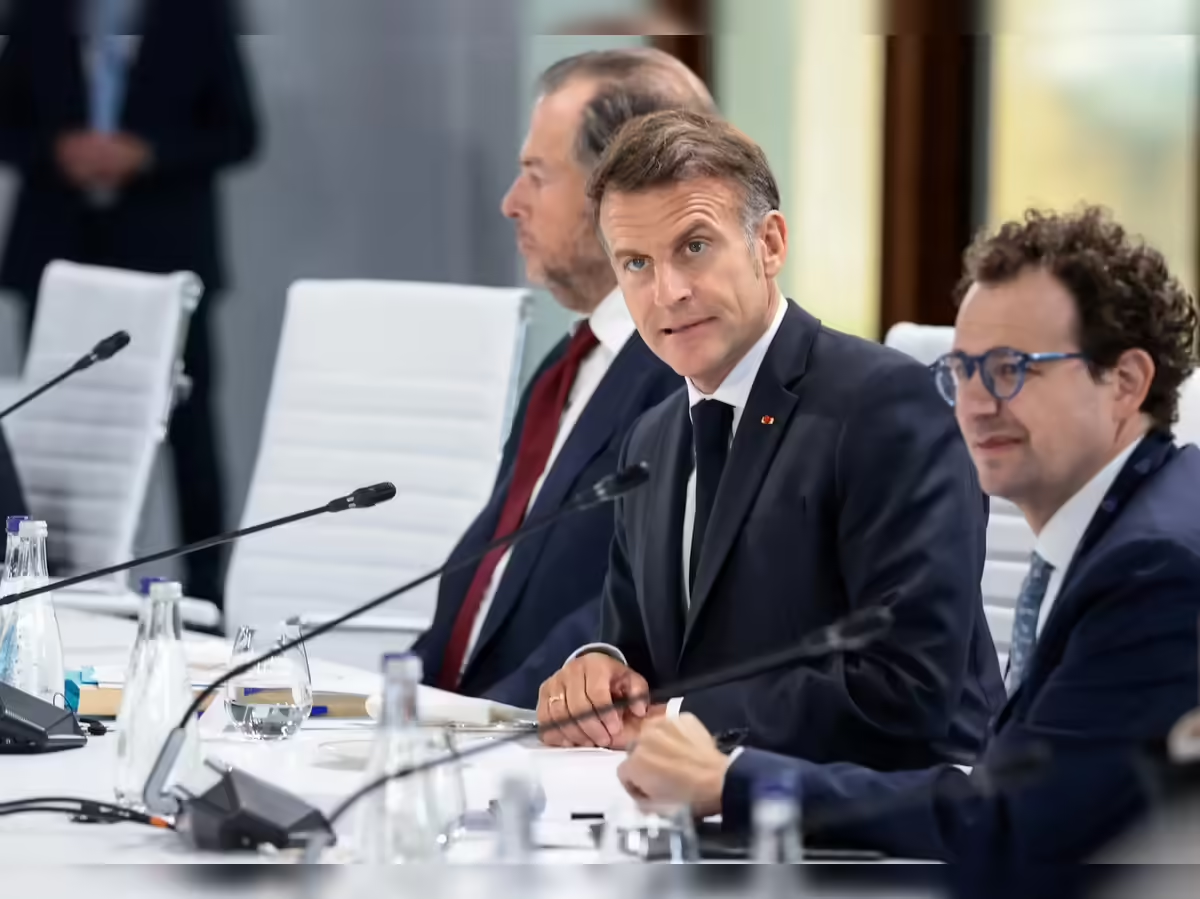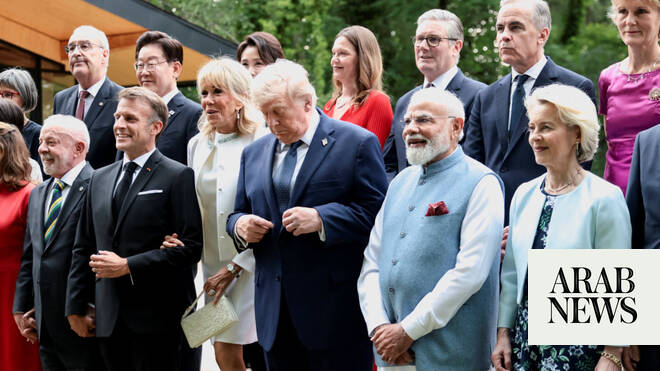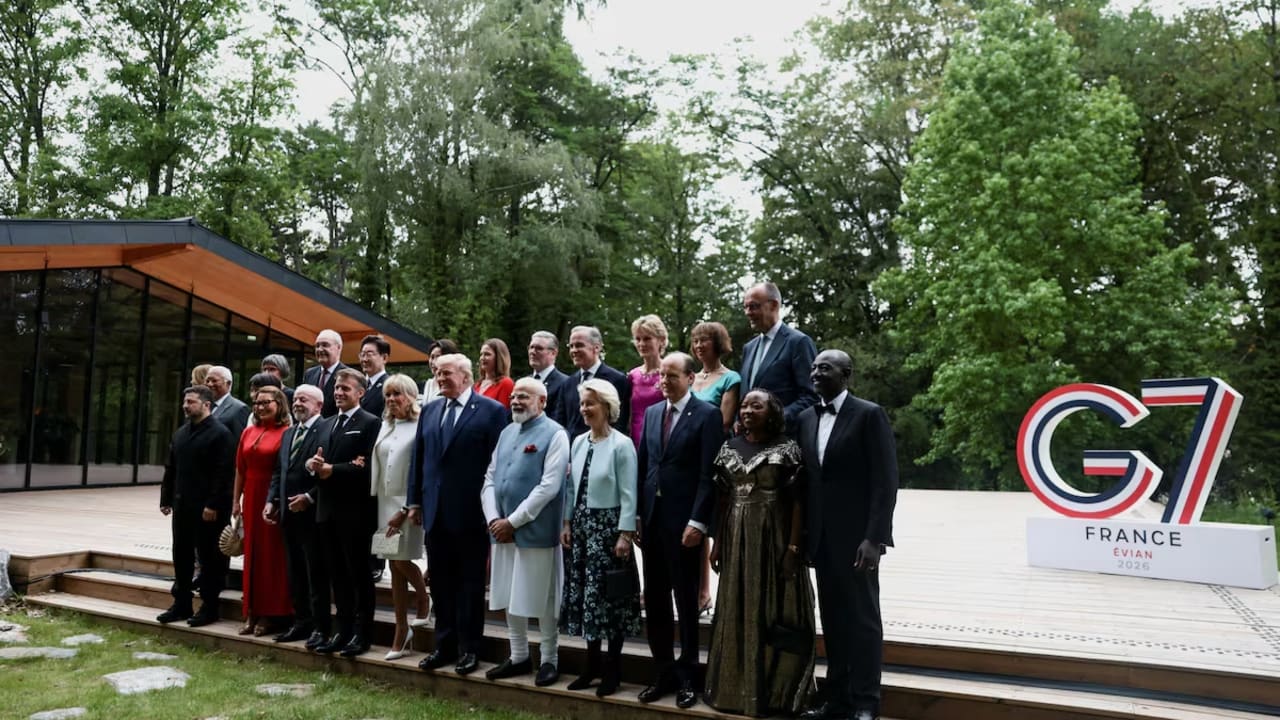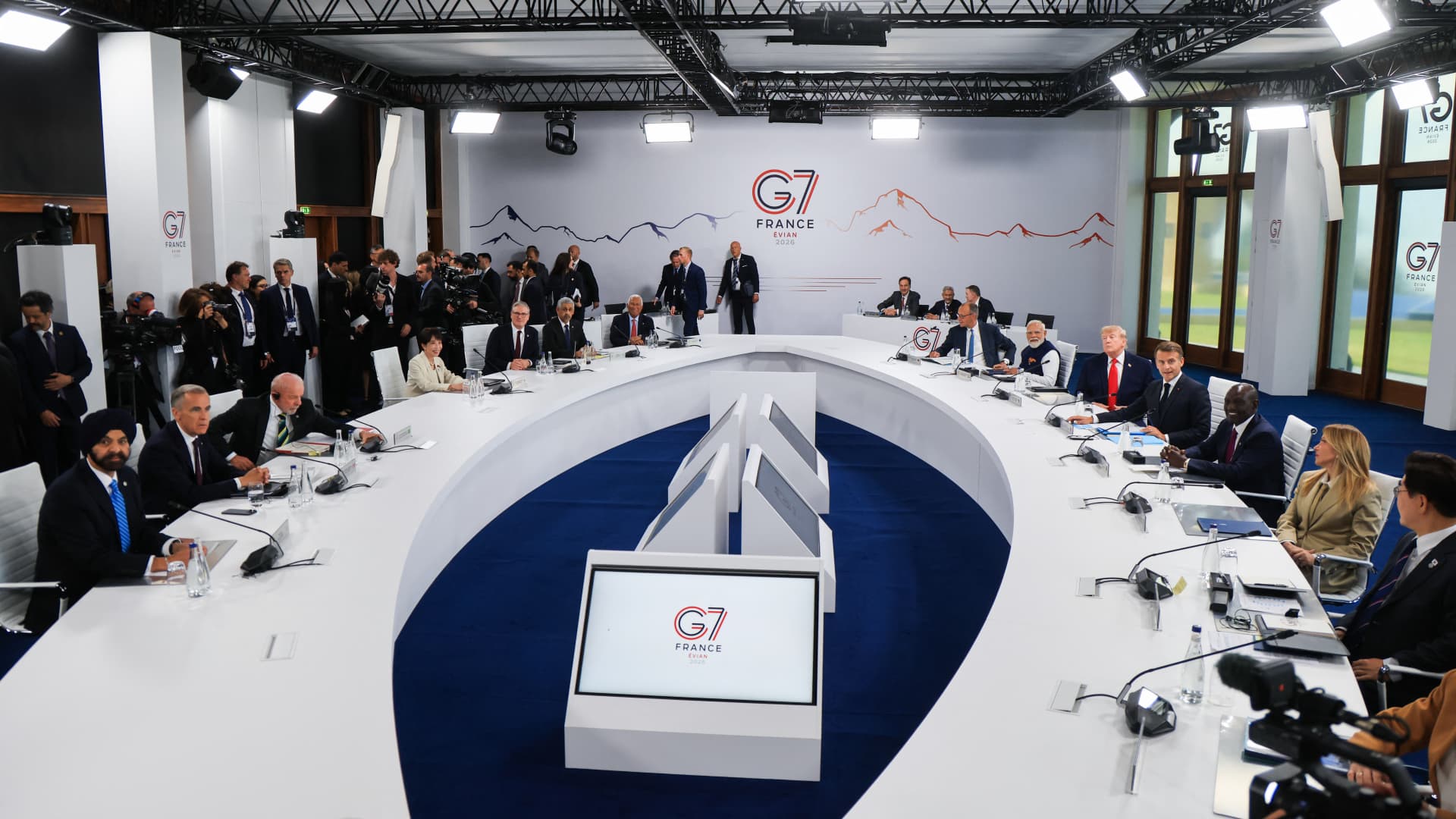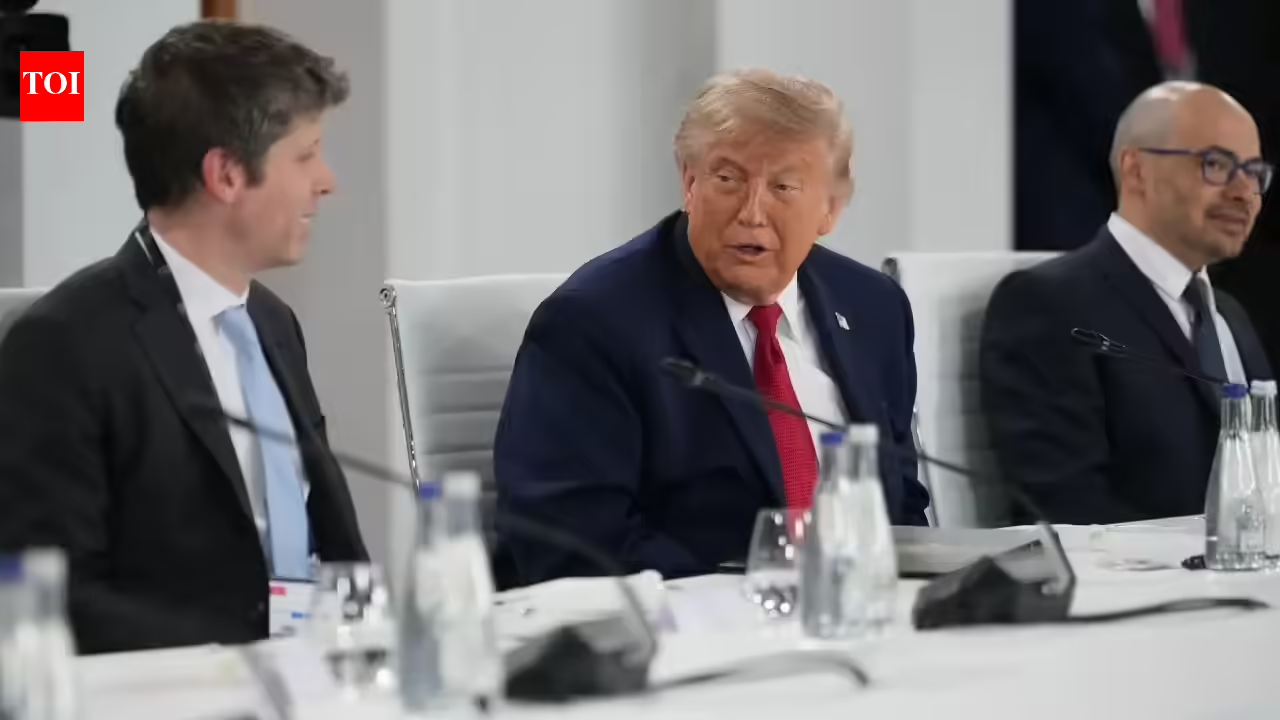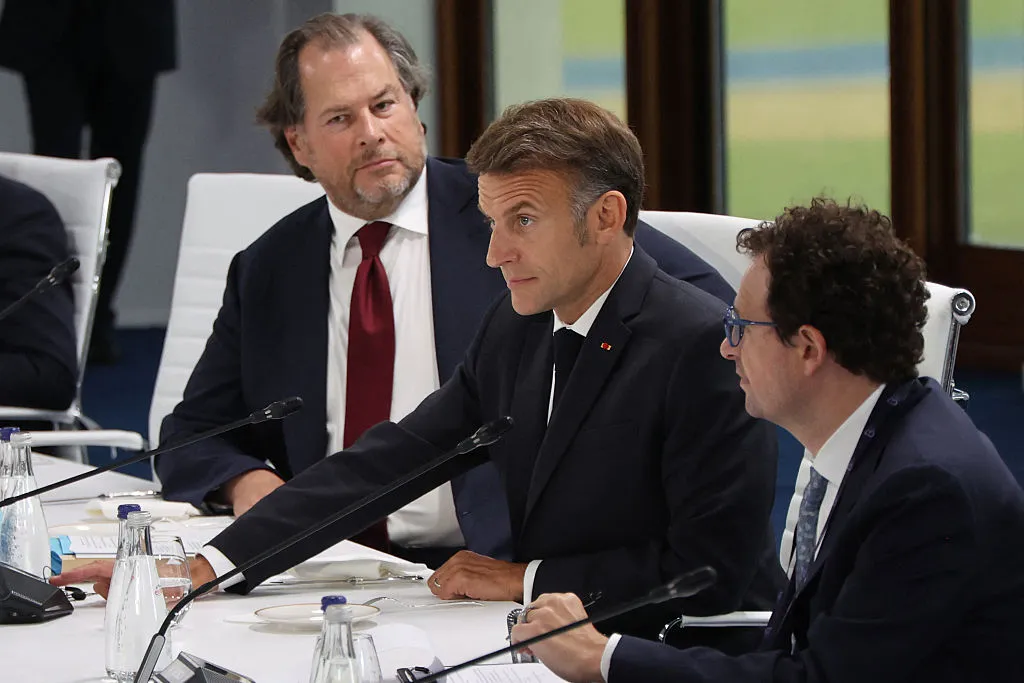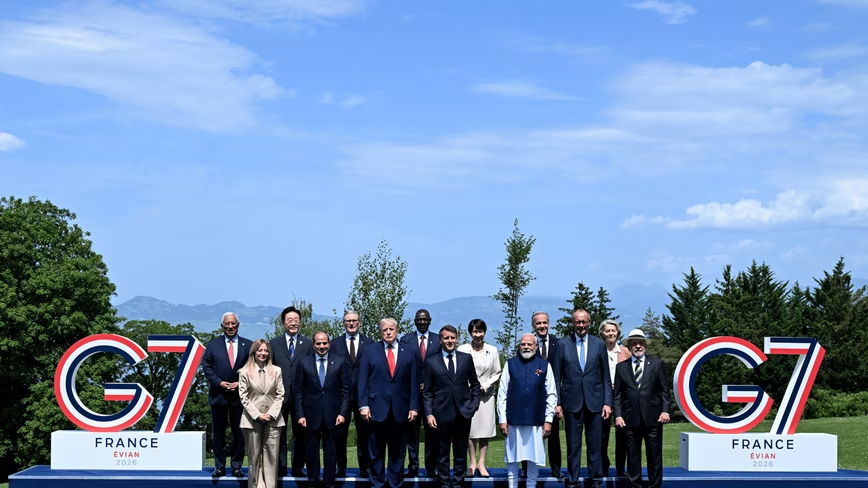
The conversation happened where these conversations usually happen, on the sidelines of a dinner. At the opening of the G7 summit in the French lakeside resort of Evian-les-Bains on Monday, representatives of several member countries raised with US Commerce Secretary Howard Lutnick the idea of a ‘trusted partners’ scheme that would let allied nations, or companies, reach the most advanced American AI models, according to people familiar with the discussions.
The proposal is a direct reaction to a decision taken in Washington four days earlier. On 12 June, acting on a US Commerce Department directive, Anthropic blocked foreign nationals from its two most capable systems, Mythos 5 and Fable 5.
Because the restriction could not be enforced selectively on a shared cloud service, the company switched the models off for everyone, worldwide. The order is believed to be the first export-control measure aimed at specific AI models rather than at the chips that run them.
That novelty is precisely what unsettled the allies. Chip controls are familiar terrain; America has spent years restricting what hardware can be sold and to whom.
Restricting access to the models themselves, including to nationals of close partners, is a newer and sharper instrument, and the G7 representatives spent Monday’s dinner trying to find a door that had just been shut. The ‘trusted partners’ under discussion could be countries or individual companies, the sources said.The 💜 of EU techThe latest rumblings from the EU tech scene, a story from our wise ol' founder Boris, and some questionable AI art. It's free, every week, in your inbox. Sign up now!