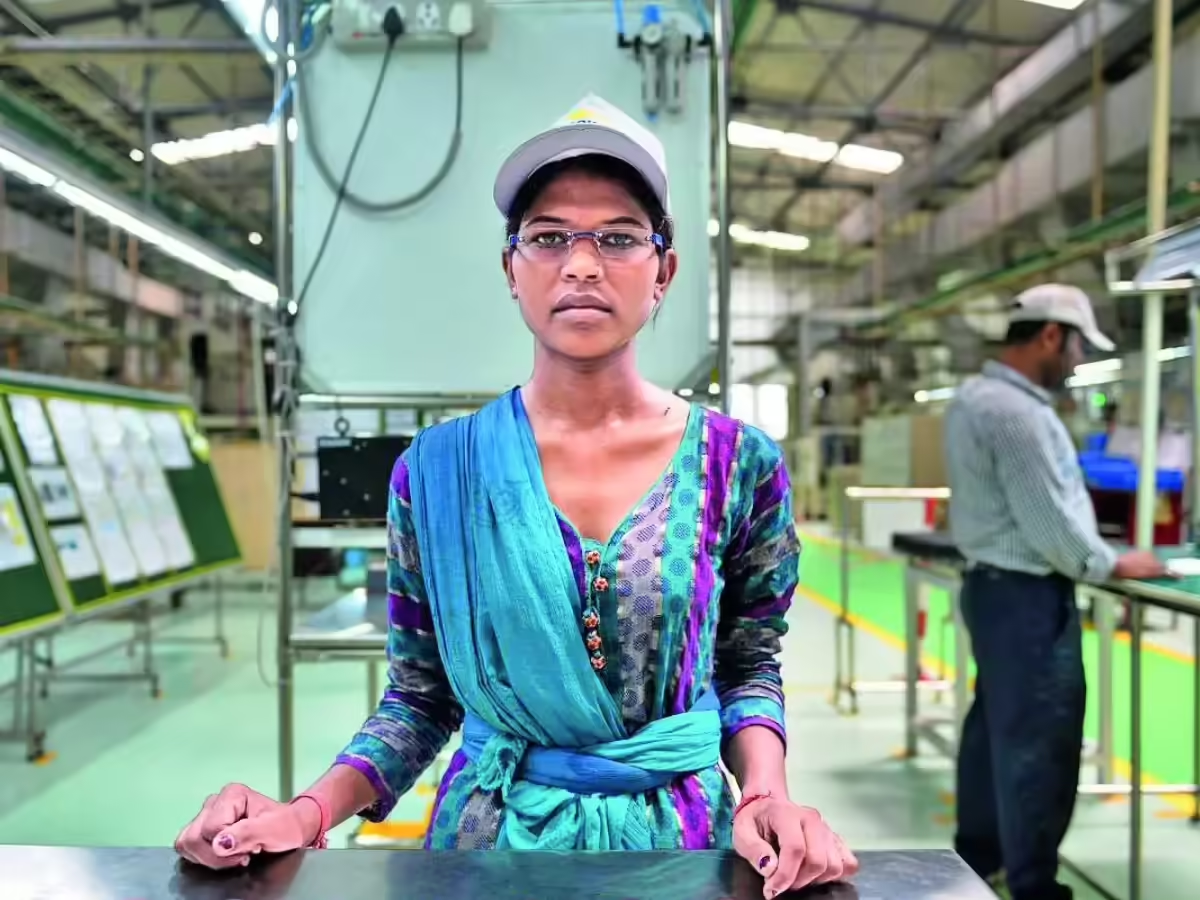
India has a labour force participation problem that is hard to look away from. Nearly half of all working-age adults – around 49% – are outside the labour force entirely. Among women, the figure rises to approximately 75%. In a country where more than 60% of the population is of working age, this represents an enormous economic loss, and a human one too. Despite decades of sustained growth, India’s female labour force participation rate remains among the lowest in the world, lower than most of sub-Saharan Africa and dramatically lower than East Asia.
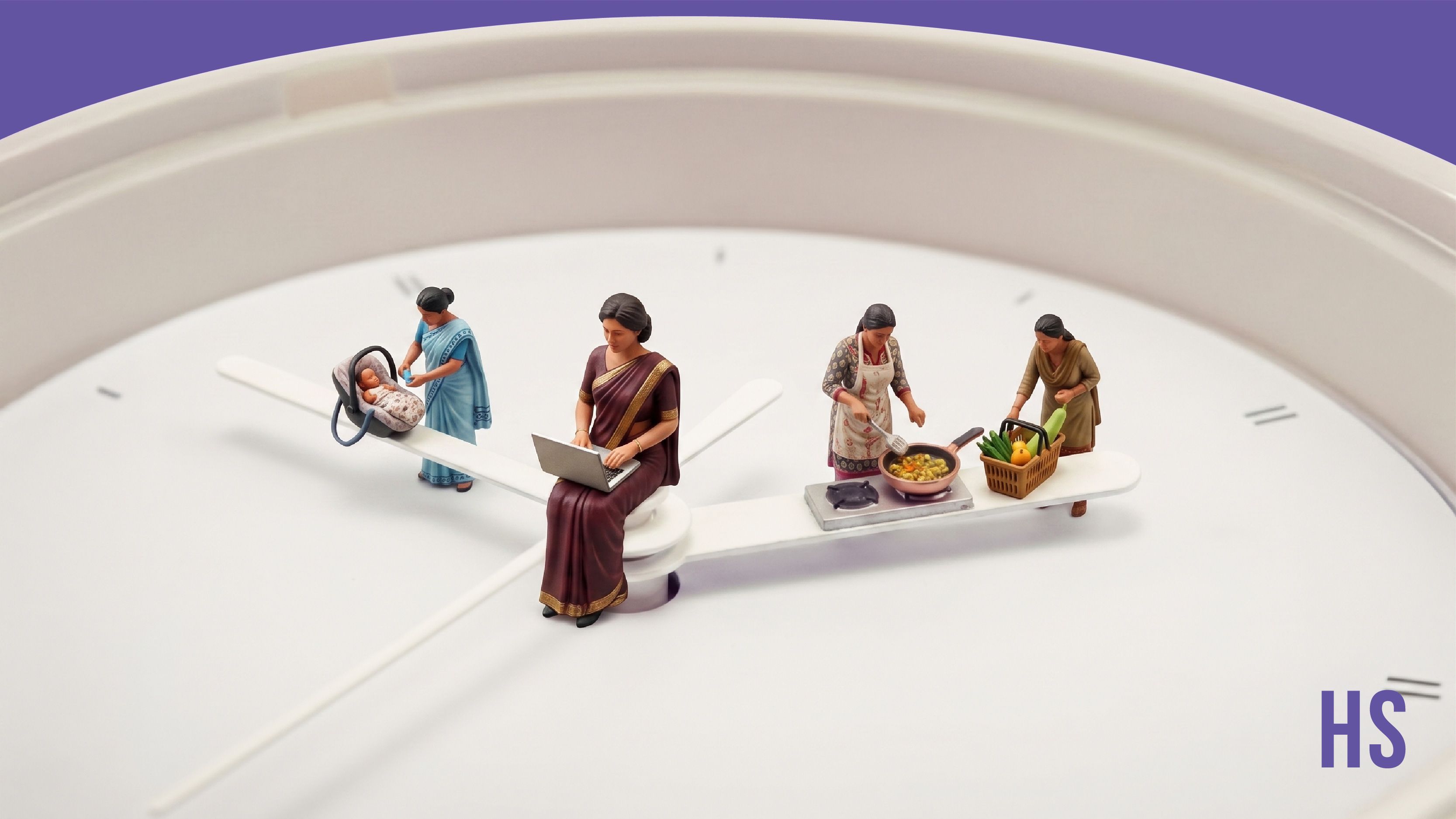
The standard explanations point to cultural constraints, social norms, safety concerns, and a lack of suitable jobs for women (Goldin, 2006; Jayachandran, 2021; Afridi et al. 2022). These are real and important. But they leave a puzzle unsolved: why is participation so low even among households that face relatively normal labour market conditions? And why does it remain low even after accounting for demand-side barriers? In research we have conducted using a structural economic model calibrated to Indian data (Chatterjee and Dev 2026), we find that the answer lies at the intersection of two forces that have largely been studied in isolation – the macroeconomic environment, and the distribution of unpaid work within the household. Neither alone can account for what we observe. Together, they generate a trap.The role of the household