in Film | June 17th, 2026 Leave a Comment
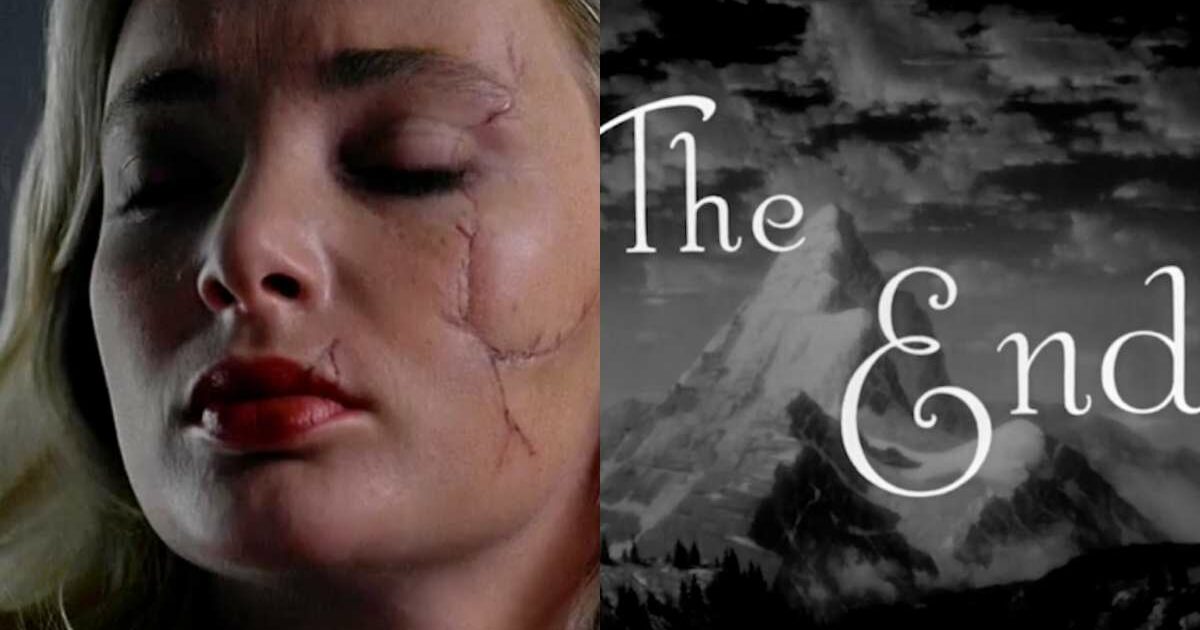
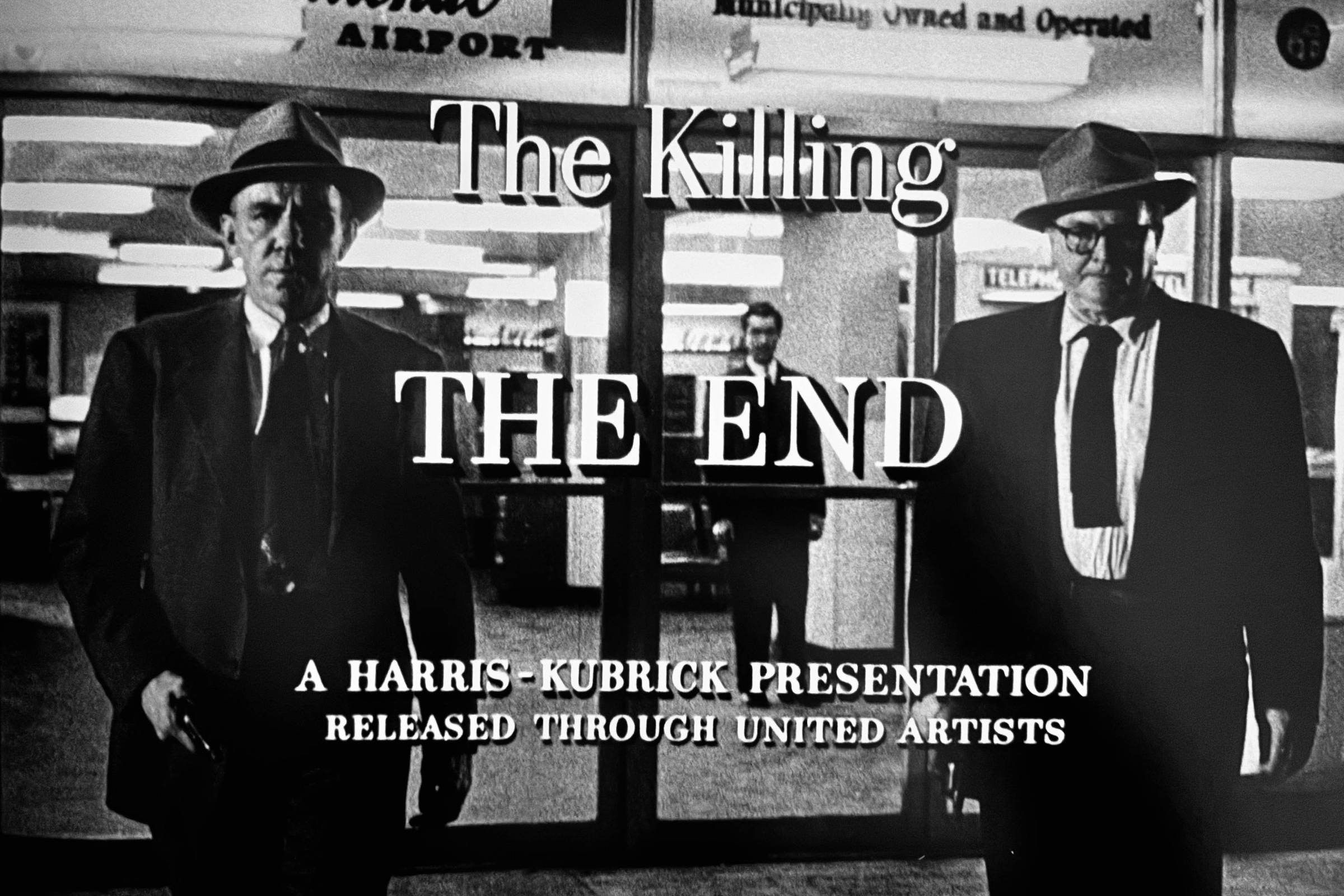
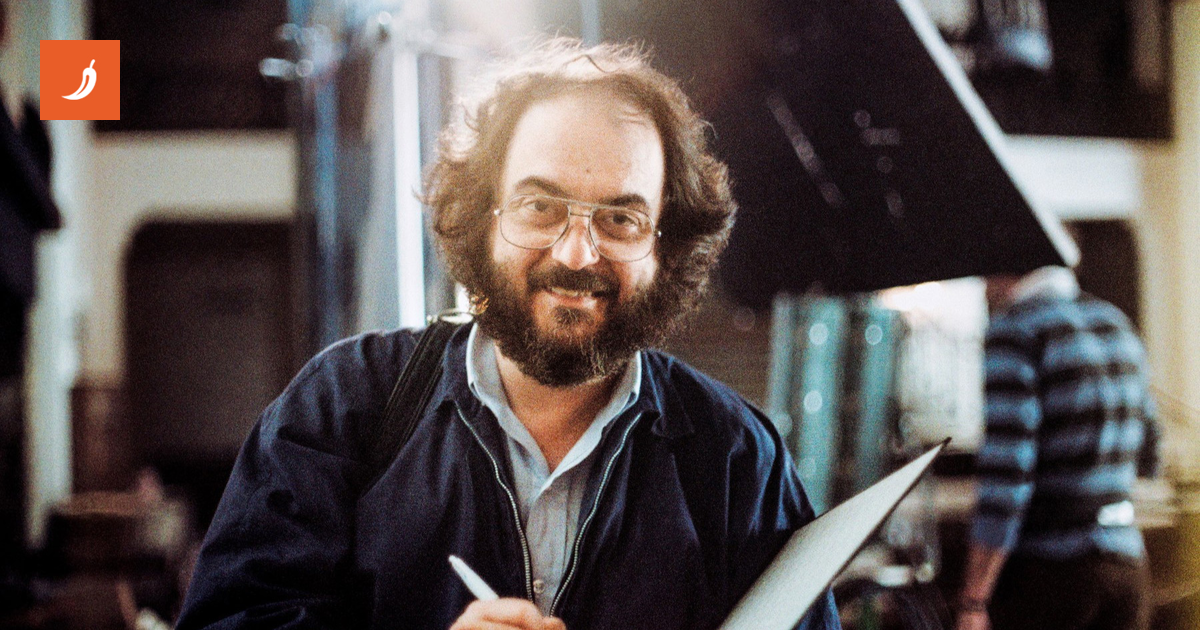
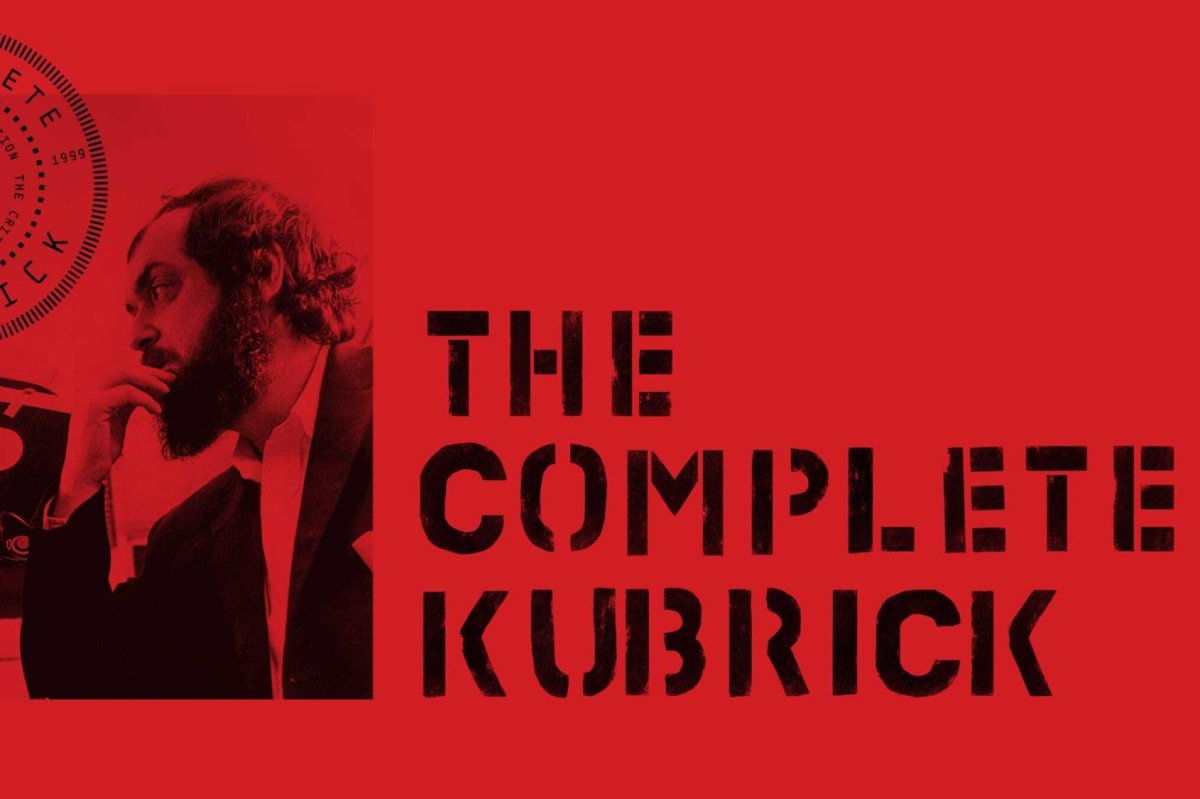
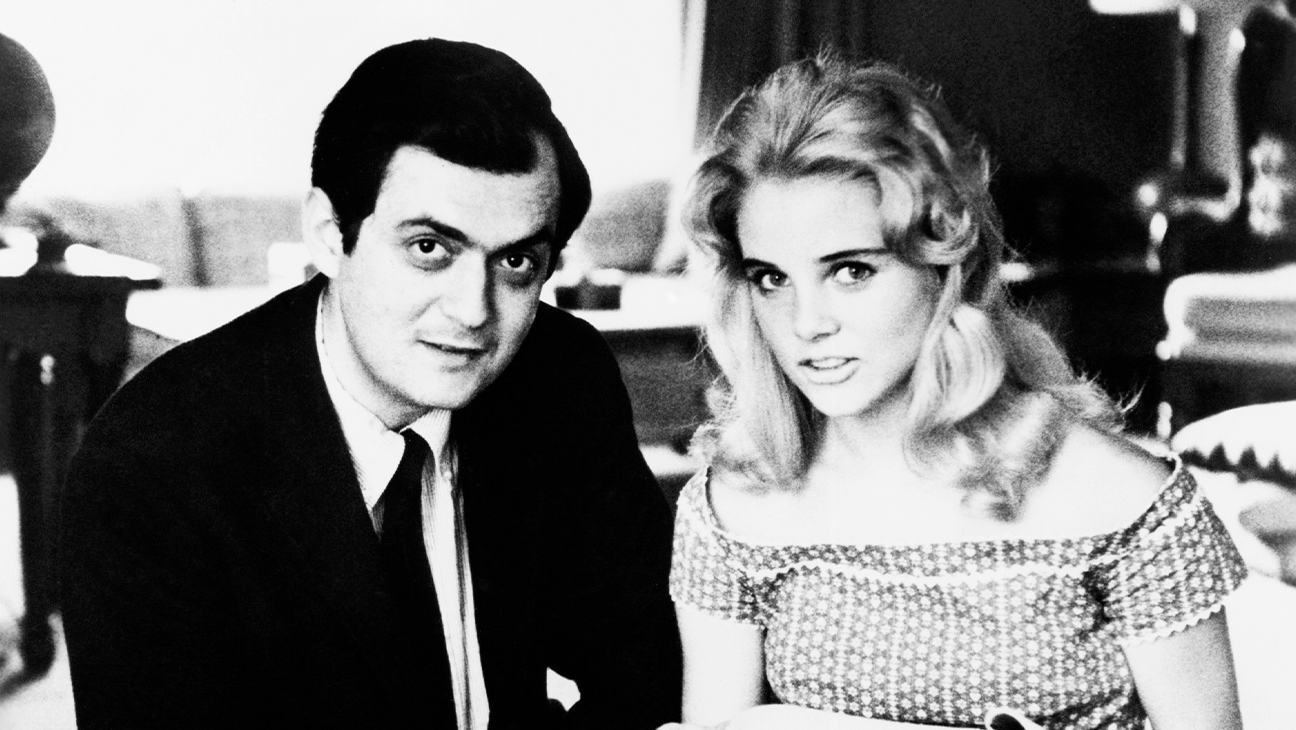
If you had to pick a single figure to represent the concept of the film auteur, you could do much worse than Stanley Kubrick. That’s not to call him the greatest director who ever lived, nor even to call his body of work the greatest in cinema. But no filmography more clearly bears the stamp of a single presiding intelligence across various eras, genres, and styles. On one level, Kubrick never made the same movie twice. On another, each is but a facet of the larger project of rendering on film his ever more aesthetically immaculate, ever less comforting worldview, one that encompasses both Dr. Strangelove and The Shining, both Lolita and 2001: A Space Odyssey.
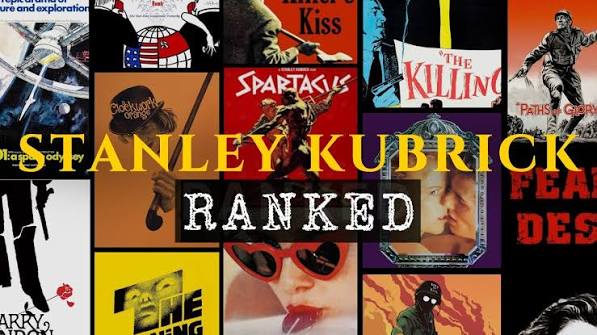
For that and other reasons, Kubrick’s filmography has long occupied a peculiar position in cinema culture. Despite having provided generations of moviegoers their introduction to the “art house,” it also repays the most serious degrees of engagement and scrutiny. Somehow, as Lewis Bond puts it in the recorded Twitch stream above, Kubrick has remained both cinema’s gateway drug and its “final boss.”
You may know Bond’s name — or more likely, recognize his voice — from the many film-related video essays of his (under the banners of Channel Criswell, The Cinema Cartography, and now The House of Tabula) we’ve previously featured here on Open Culture, including an exegesis of Kubrick he made nearly a decade ago. It says something that even someone as auteur-obsessed for as long as he’s been can’t resist another trip to the well.