For four decades, the formula was simple: keep labor costs low, borrow cheap, return cash to shareholders. It worked spectacularly as corporate profit margins reached record highs, the S&P 500 compounded at historic rates, and the investor class got very rich.
But that formula is now broken. According to Goldman Sachs’ global strategy team, what’s replacing it will reshape every asset class, every sector, and every assumption baked into modern portfolio theory.
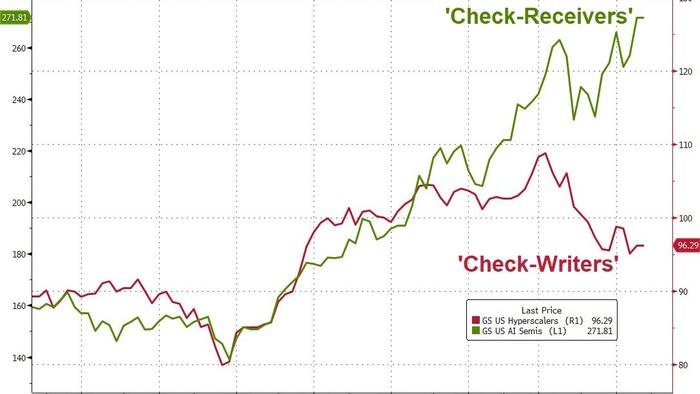
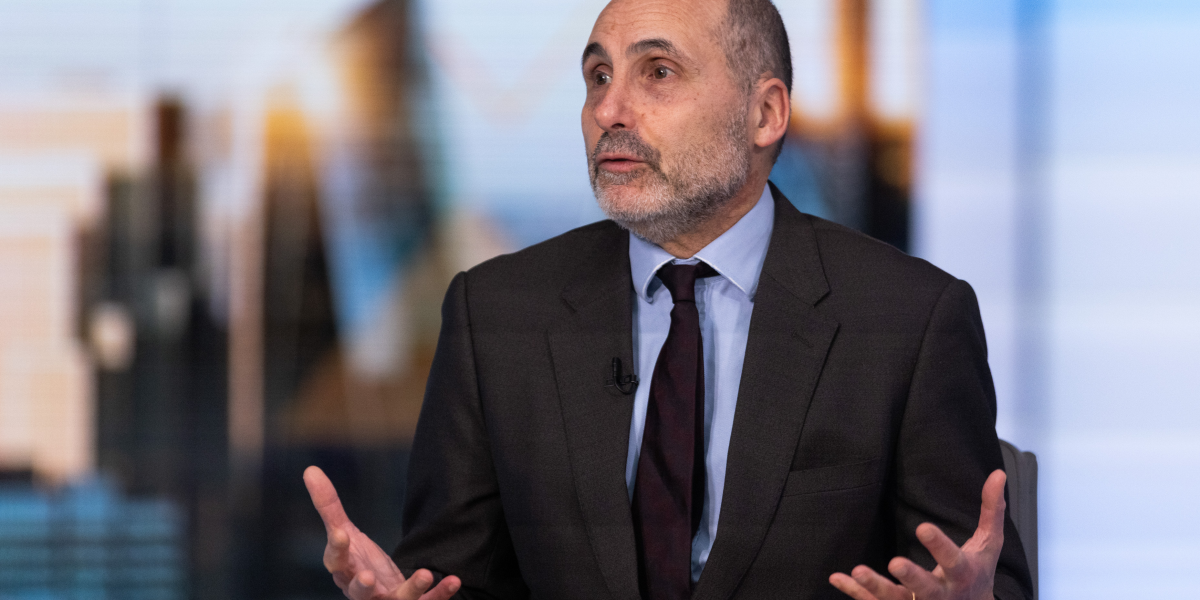
In a sweeping new research paper published Tuesday—Global Strategy Paper No. 76: The Post Modern Cycle, Navigating the Capex Boom—Goldman’s chief global equity strategist, Peter Oppenheimer, argued along with his team that the world has entered a structurally different investment era. It will be defined, he predicted, not by cheap capital and capital-light growth, but by rising real interest rates, geopolitical fragmentation and a synchronized surge in capital spending unseen since the postwar era.
Oppenheimer’s note was principally focused, fitting for a global strategist, on how equity returns will be reshaped in a new regime. But underneath lies another question for the middle-class professional, familiar to anyone who has watched their paycheck stagnate while their 401(k) soared: where does the money go?