After nearly four months of military conflict that ripped a hole in global energy supply, the US and Iran are set to sign a 60-day interim peace deal on Friday in Switzerland. The International Energy Agency has been tracking the fallout since the war began, and the numbers tell a brutal story: global oil supply in 2026 is projected to fall by approximately 3.9 million barrels per day on average, a deficit so severe it overwhelmed demand forecasts through at least the third quarter of the year.
Now, with diplomats preparing ink for paper, markets are exhaling. Brent crude dropped roughly 4% to around $84 per barrel after the peace deal was announced, a steep slide from the near-$120 highs that defined the peak of the crisis. That’s a swing of about $36 per barrel in a matter of months.
How the war reshaped global oil supply
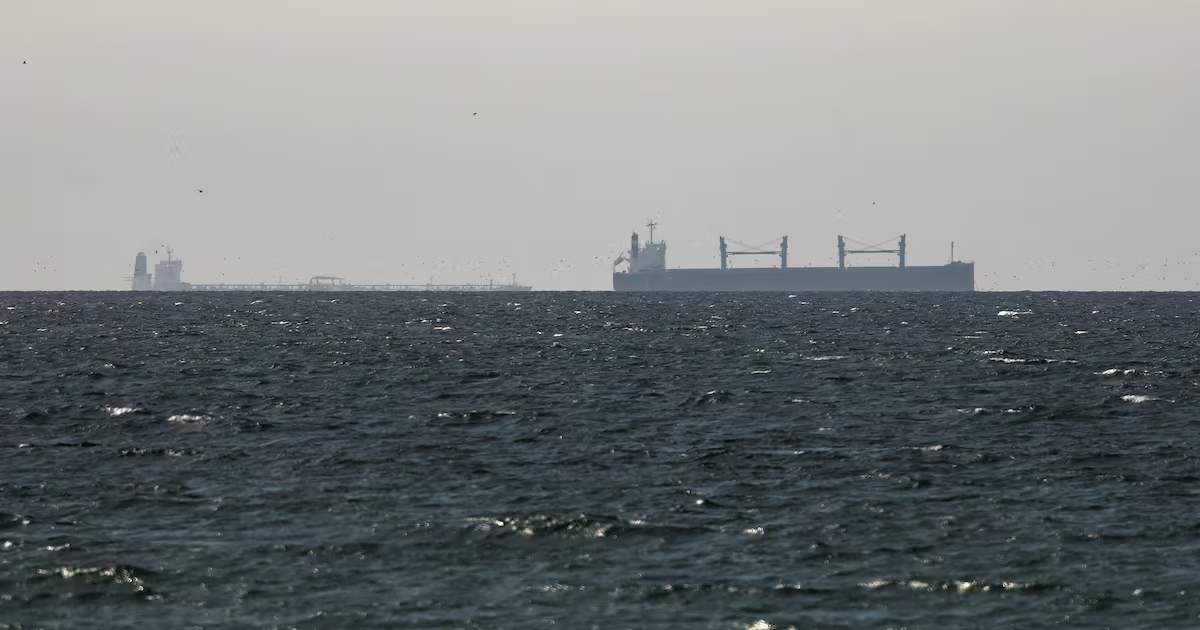
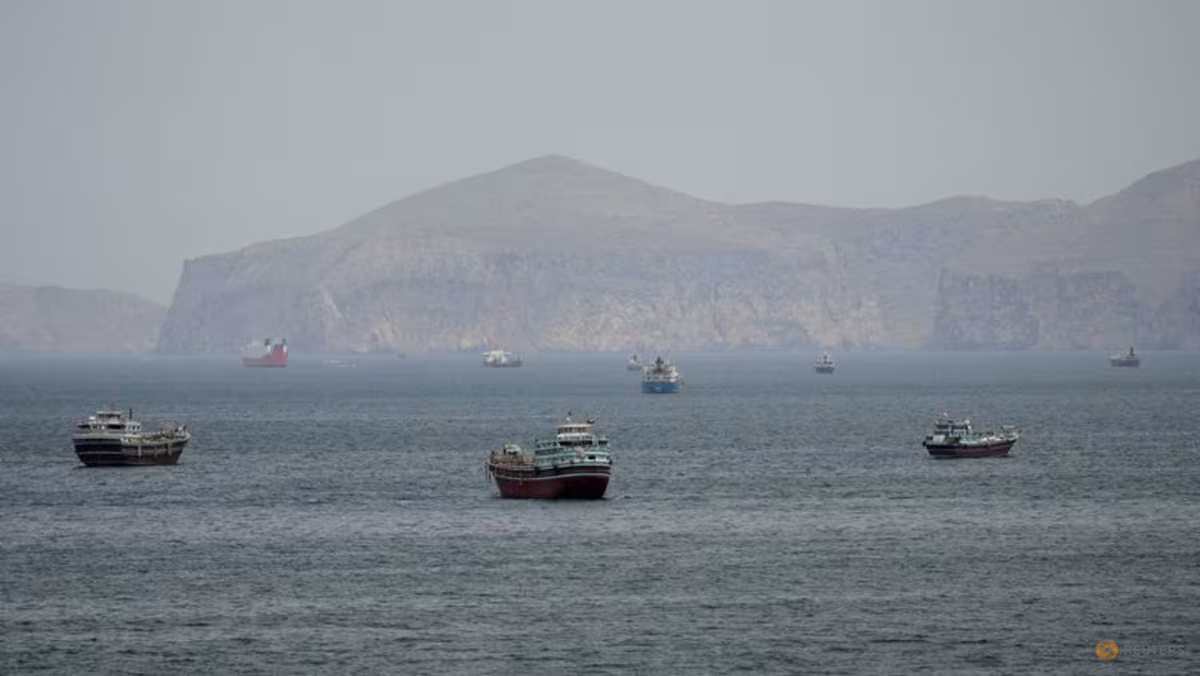
The conflict traces back to February 28, 2026, when joint US-Israel air strikes on Iran triggered a cascade of supply disruptions across the Persian Gulf. The most consequential impact was the closure of the Strait of Hormuz, the narrow waterway responsible for transporting approximately 20% of the world’s oil.
Production losses came primarily from Gulf producers caught in the blast radius of the conflict. The IEA’s projections captured the scale of the damage: a 3.9 million bpd average supply decline for the full year. The IEA’s May 2026 Oil Market Report reflected these conflict-driven dynamics, painting a picture of persistent supply deficits through at least the third quarter of 2026.