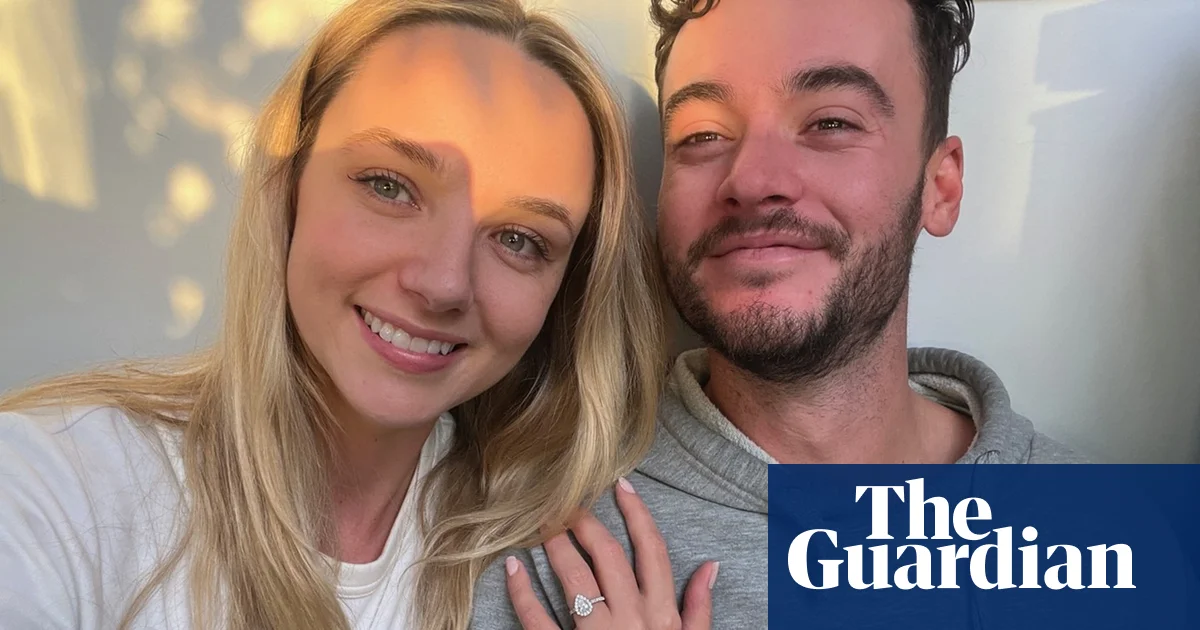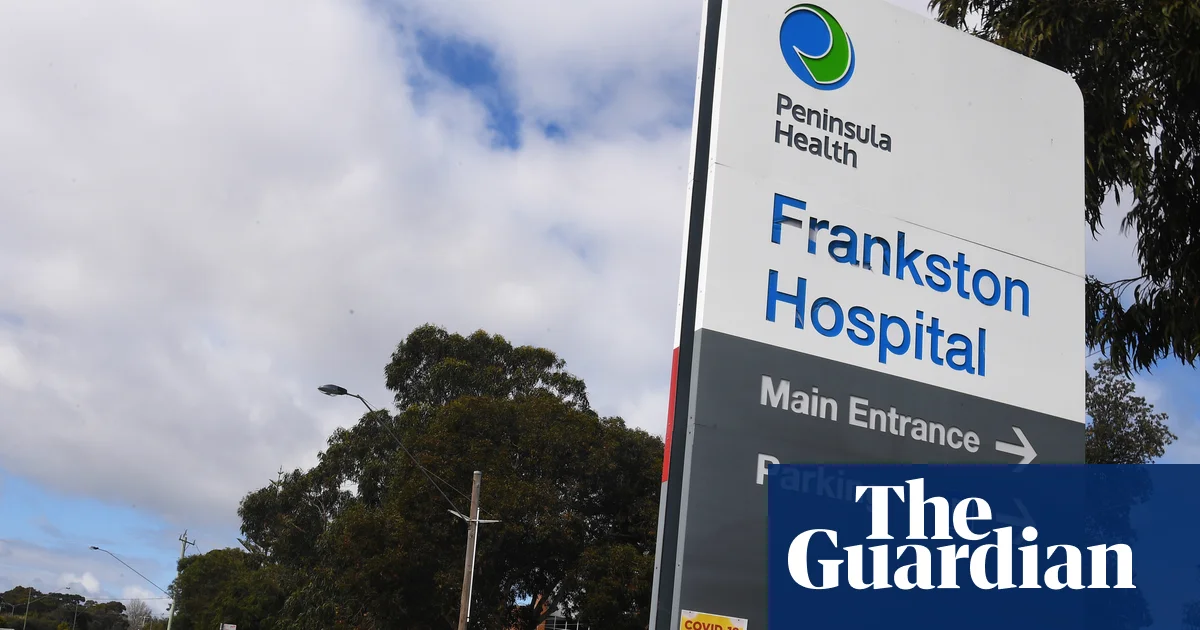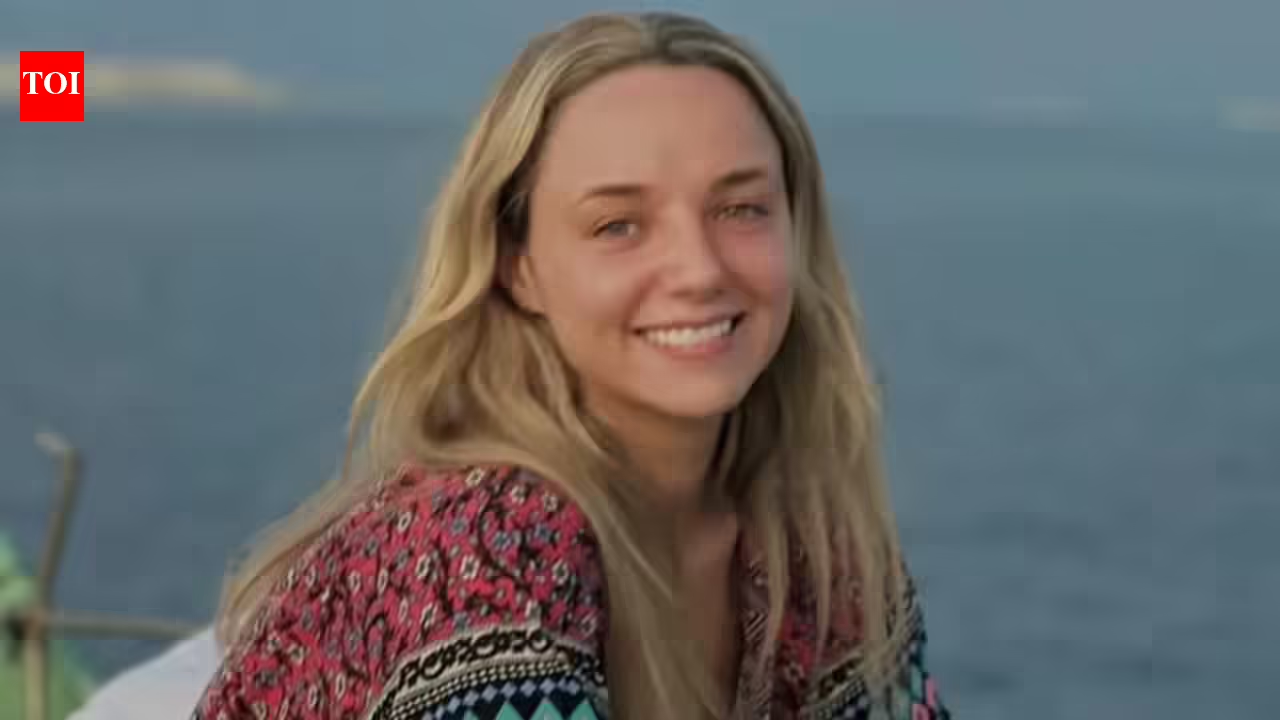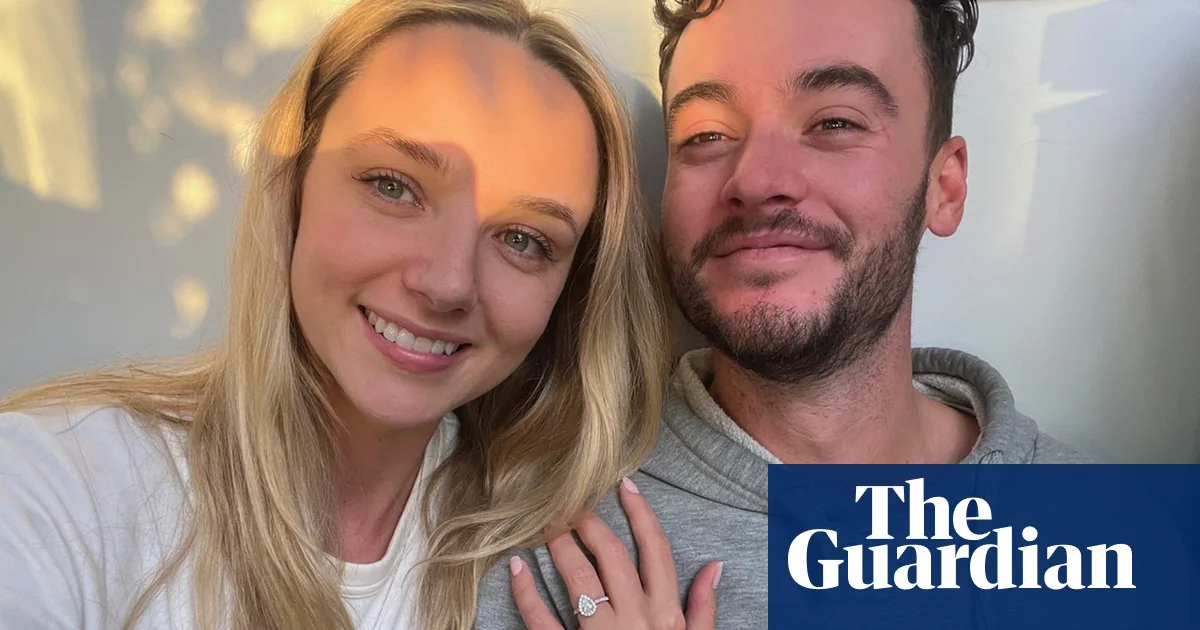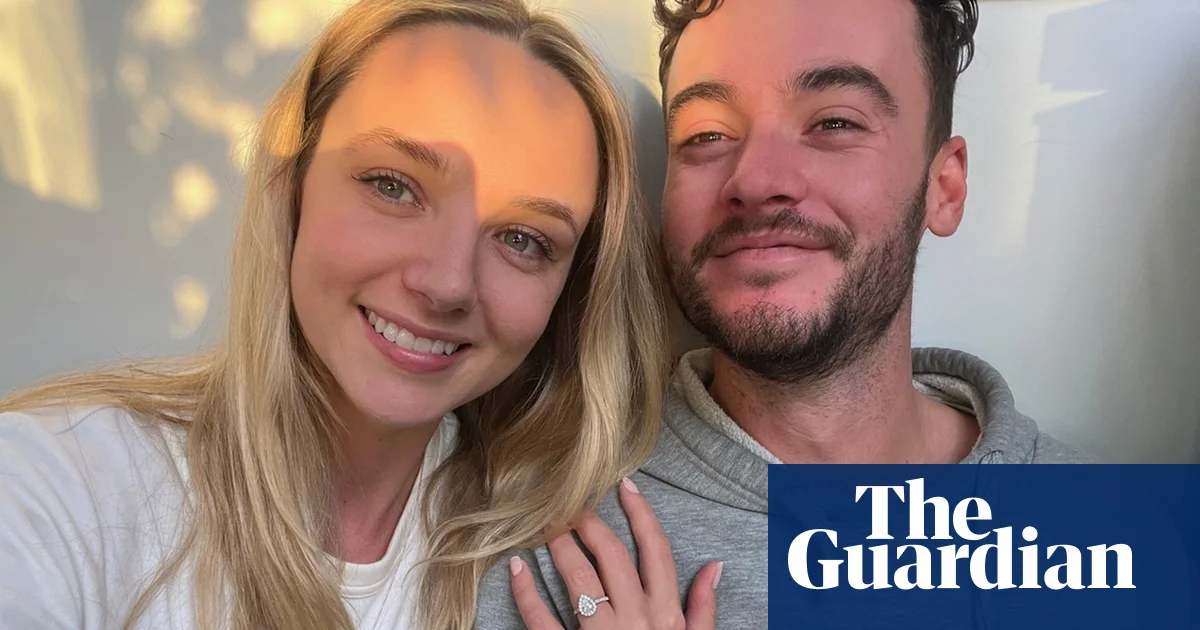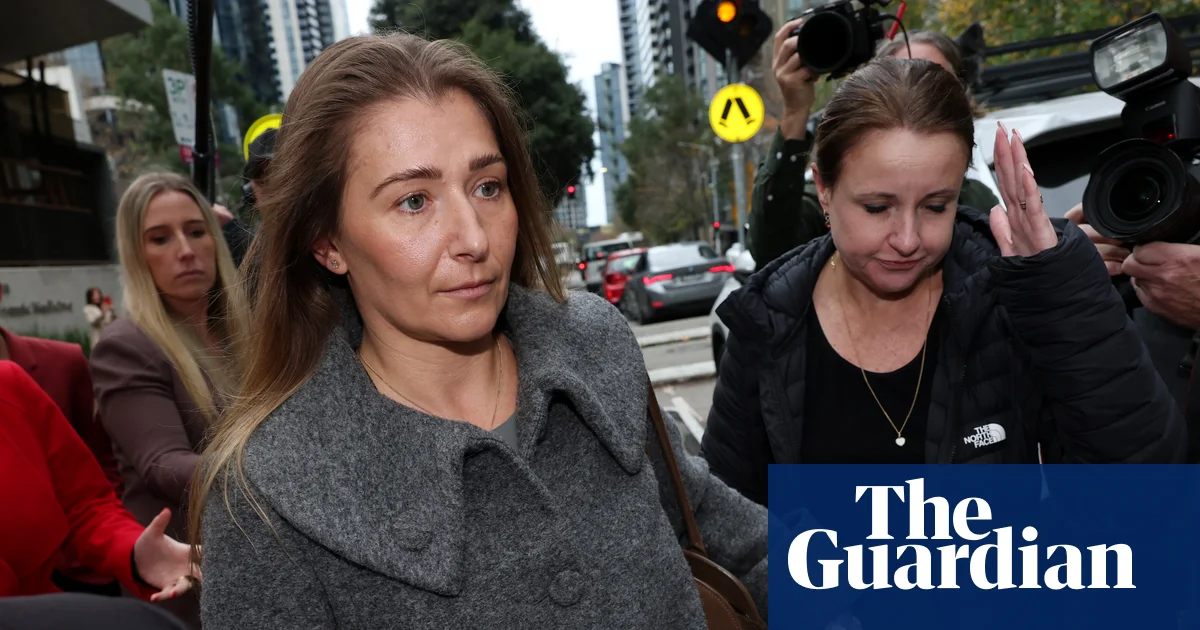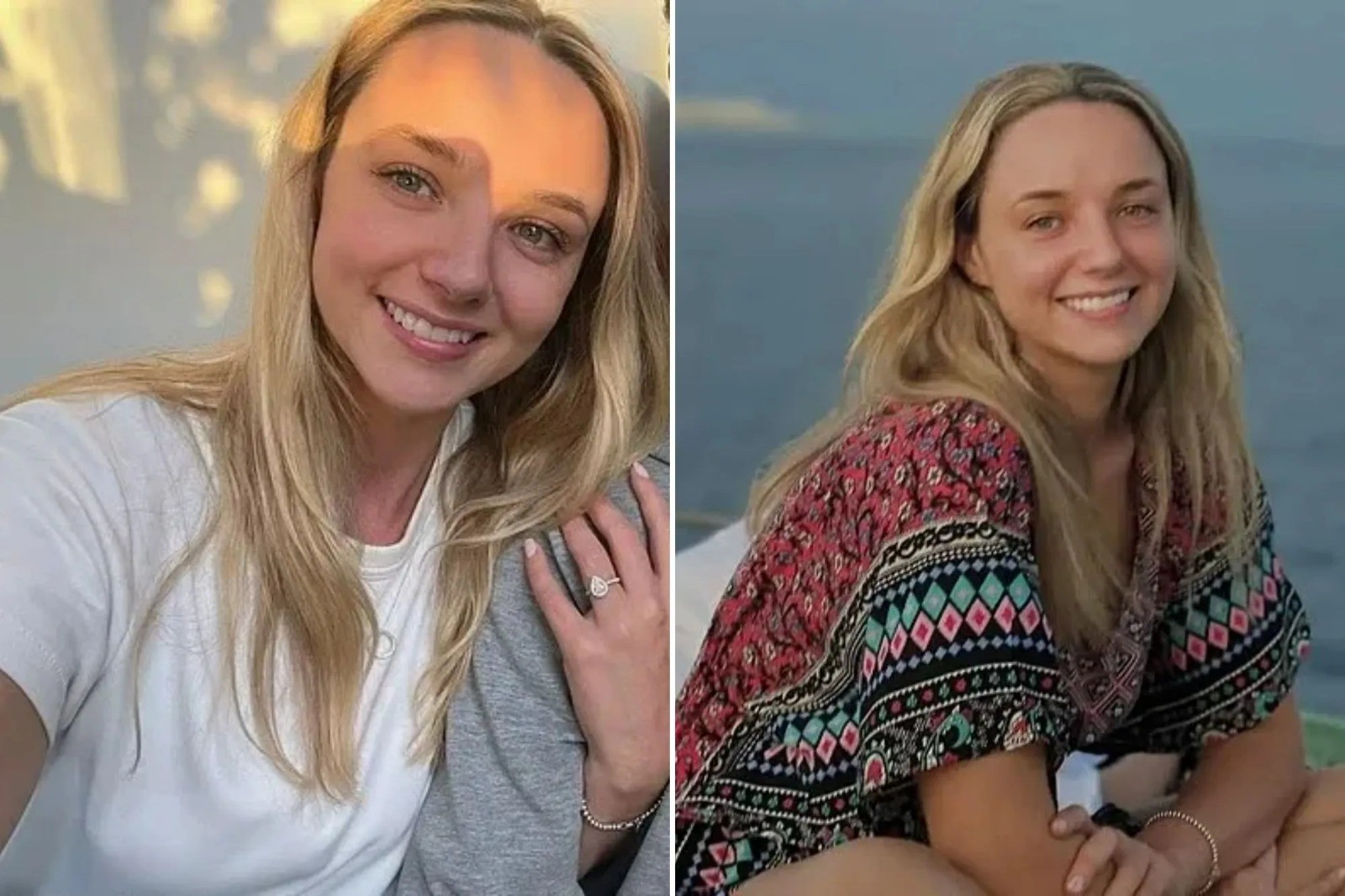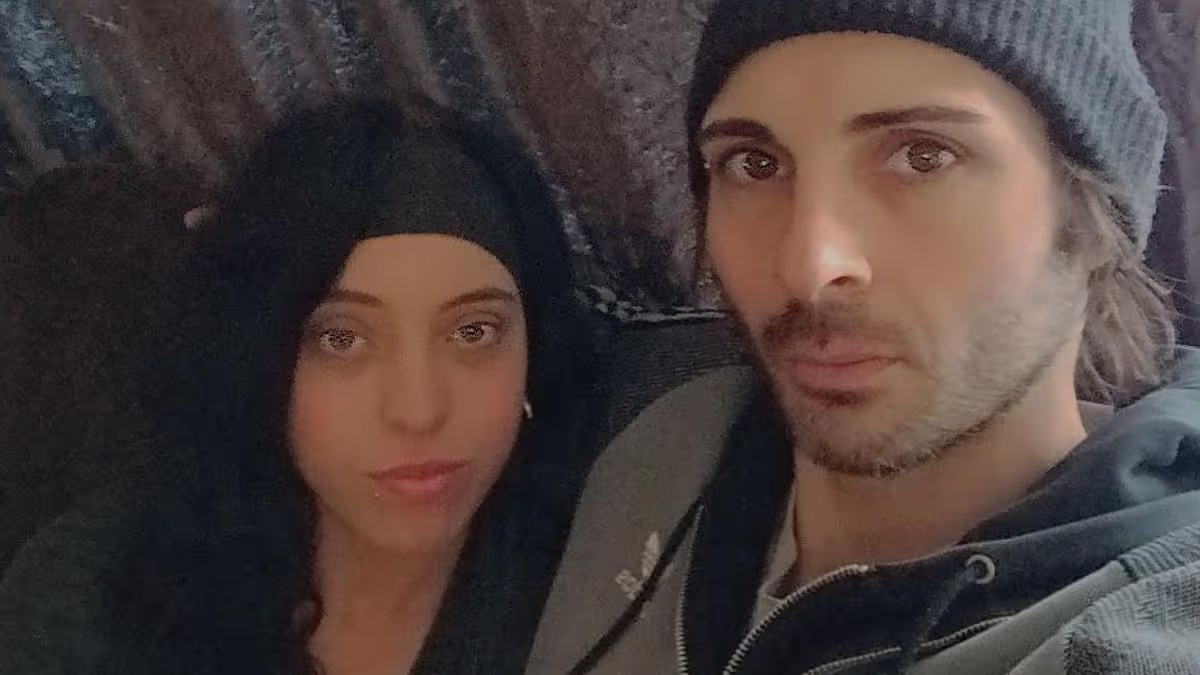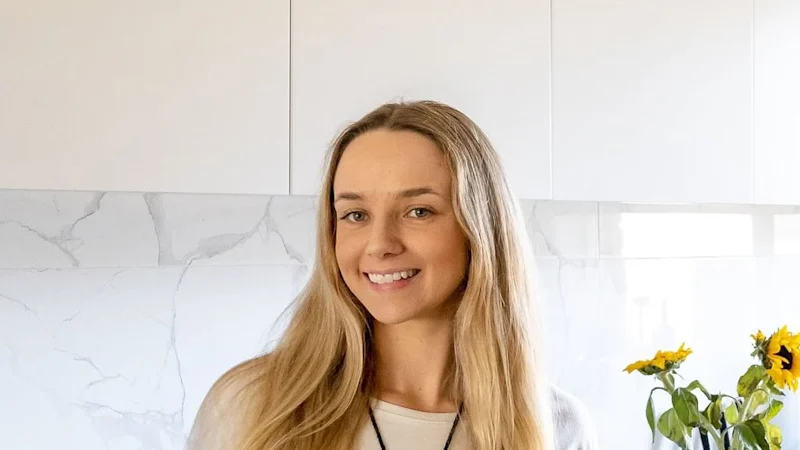
June 17, 2026 — 6:52pmDoctors who desperately tried to save the life of a wellness influencer as she bled to death following a free birth have been left with ongoing trauma and are considering leaving the profession, a court has heard.Frankston Hospital’s director of obstetrics and gynaecology Nisha Khot told the third day of a coronial inquest into the death of Stacey Warnecke, who died hours after giving birth at home last year, that the tragedy had left some doctors questioning their profession.Nutrition influencer Stacey Warnecke died in September following a free birth.Instagram“Each doctor described flashbacks, insomnia, anxiety, depression, guilt and an overarching feeling of hopelessness in the days and weeks following this tragedy,” Khot told the Victorian Coroners Court on Wednesday.“[They] found themselves questioning the value of their training and the purpose of their chosen profession.”Khot said this hopelessness stemmed from the fact the cause of the 30-year-old’s death – a postpartum haemorrhage – was a common and treatable condition when quickly dealt with in hospital.The nutritionist arrived at hospital by ambulance after an unassisted home birth attended only by Warnecke’s husband, Nathan, and doula Emily Lal on September 29.The court heard medical staff at Frankston Hospital exhausted their supply of a key blood type while trying to save the new mother’s life, performed a hysterectomy and drained fluid that had pooled around her heart.Khot, who was tasked with supporting Warnecke’s family and spearheading the health service’s review into its handling of the tragedy, was presented with a copy of the young woman’s birth plan on Wednesday.The plan, which was displayed on a screen in the Coroners Court, instructed her husband, Nathan, to use his fist to push on her pubic bone as a way of dislodging the baby if it became stuck during delivery.If the baby’s body did not emerge following the head and turned a whitish grey, the birth plan also gave instructions for Nathan to internally “grab an armpit” and “try to twist baby”.There were also instructions for how to respond in the event of a breach birth, stuck shoulders or an umbilical cord wrapped around the baby’s neck.Khot said she was “very concerned” about an untrained person following the orders outlined in the birth plan.“These manoeuvres could very easily cause significant injuries to babies,” she said.Warnecke’s husband ultimately did not need to perform any of the manoeuvres outlined in his wife’s birth plan, with the pair’s baby boy, Axel, being born without complication.The court also heard that on the afternoon of Warnecke’s death, Bayside Health Peninsula executive Shyaman Menon reported doula Emily Lal to a local police station in Frankston.Warnecke and husband, Nathan, while she was pregnant with Axel, their only child.InstagramMenon said this followed a meeting earlier in the day in which a senior hospital executive raised concerns about the language Lal had used in the hospital, despite identifying herself as a friend of Warnecke’s.“The language used was more than what a general public member would understand,” he told the court, referring to the medical terminology being used by Lal.“That raised a concern whether there was someone who had an element of knowledge providing that care.”Menon said staff were concerned Lal might pose a public health risk.Associate Professor Alexis Shub, the head of the Paediatric Infant Perinatal Emergency Retrieval (PIPER), said clinicians were increasingly treating women who arrived at hospital with serious complications linked to free birth.“Free birth was essentially unknown until about five years ago,” Shub told the court.“The rates of harm are on the increase.”Data from PIPER, a statewide service that provides speedy expert advice to healthcare providers during obstetric emergencies, shows there were seven serious adverse events linked to free births and home births in 2023. By 2025, this number jumped to 20.More than 11 of these events have been recorded in the first five months of this year alone, and include serious postpartum haemorrhages, death and permanent disability.Shub called for an expansion of the coroner’s powers to allow them to investigate full-term babies who died in the process of being born. The coroner can currently only investigate the death of babies who die after they have been born.“It’s not a meaningful distinction whether they die just before birth or just after birth,” she said.“Recognising that those babies are people, and that they’re important, is really crucial. I think it may well contribute to our ability to prevent some of those deaths if we had a coronial role in investigating some of those deaths before a baby is born.”Earlier in the week, the inquest heard that in the months before Axel was born, Warnecke had expressed a deep fear of birth trauma and was adamant she wanted to have her baby on her own terms without medical intervention.She had expressed growing concern about the increase in the number of caesareans, induced births and what she felt were excessive medical interventions.The inquest heard that after she passed the placenta and began to haemorrhage, she twice refused an ambulance before agreeing when asked a third time.The hearing continues.Start the day with a summary of the day’s most important and interesting stories, analysis and insights. Sign up for our Morning Edition newsletter.From our partners
Flashbacks, insomnia, anxiety: Doctors report trauma from fatal free birth
While Stacey Warnecke’s birth plan had instructions for potential complications, medical staff who tried to save the influencer’s life say they have been left questioning the purpose of their chosen profession.
860 words~4 min read