See more Daily Mail on Google - save us as a Preferred SourceBy OLIVIA ALLHUSEN, FOREIGN NEWS REPORTER Published: 09:13 BST, 17 June 2026 | Updated: 09:13 BST, 17 June 2026
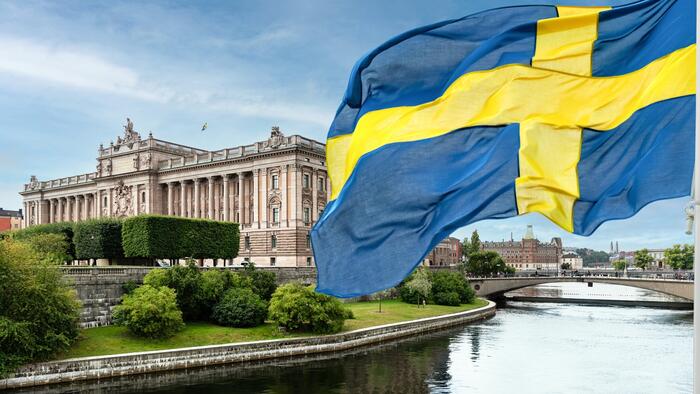
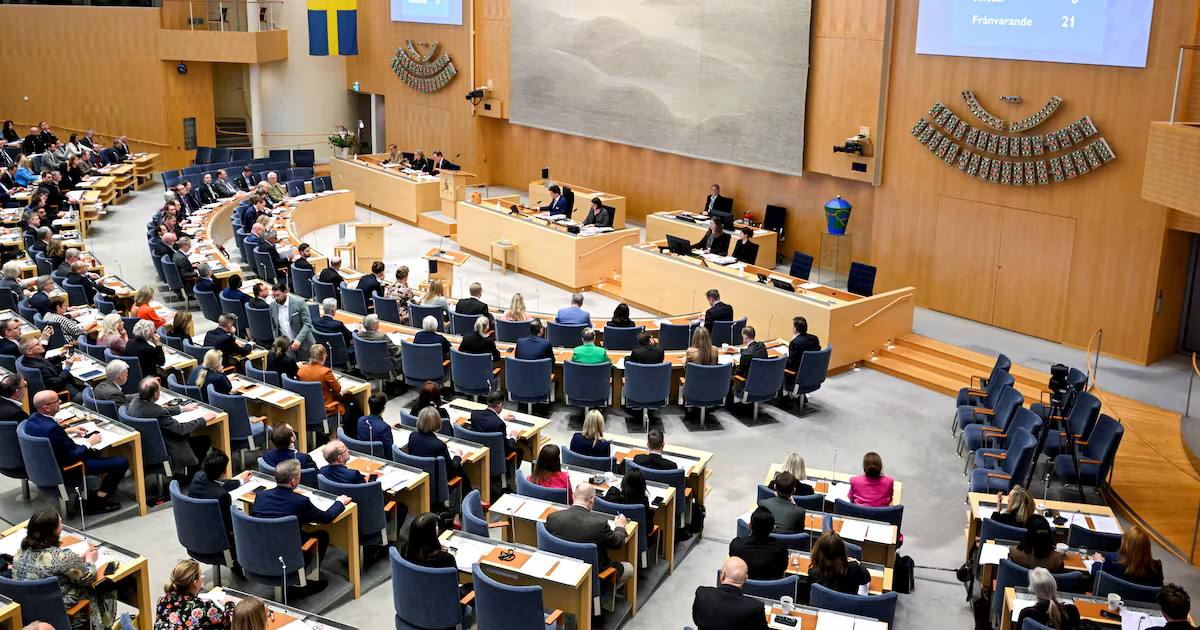
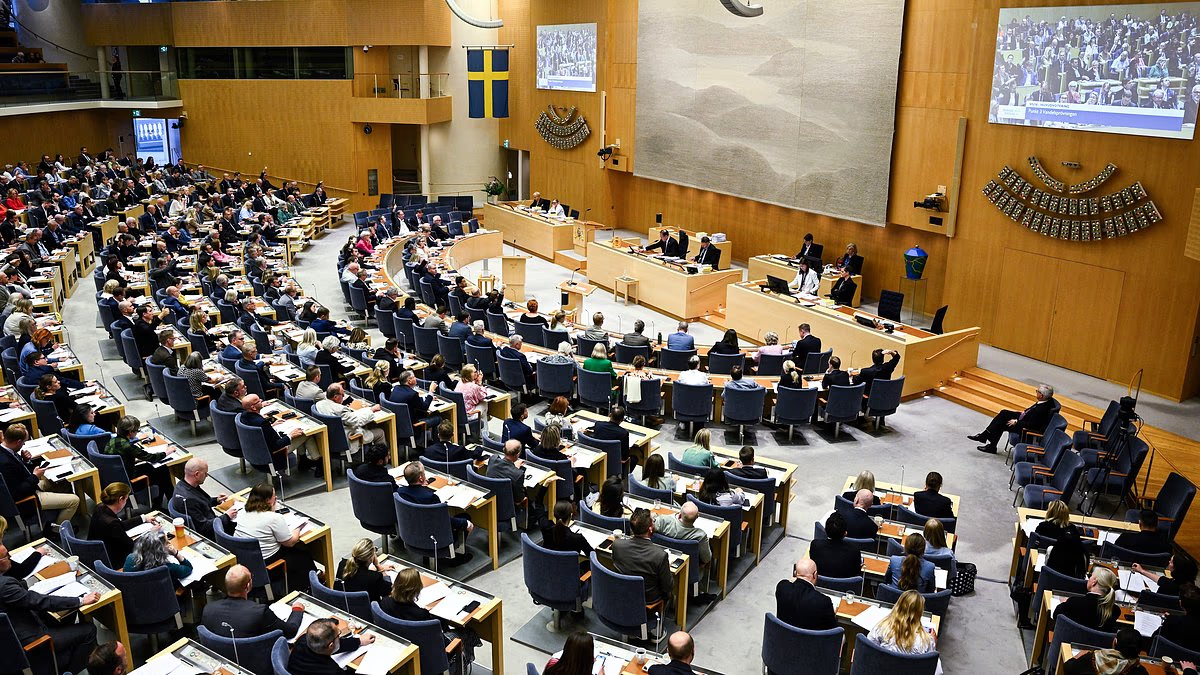
Sweden has passed sweeping new immigration laws allowing authorities to revoke migrants' residency permits over claims of 'bad behaviour'.The controversial measures, approved by parliament on Monday, mark the latest stage in the Scandinavian country's dramatic shift towards stricter immigration policies ahead of September's general election. The centre-right government, which relies on support from the anti-immigration Sweden Democrats, has argued the laws are necessary to ensure people who do not have a legal right to remain in Sweden can be removed from the country. Under the new 'good behaviour' law, residency permits can be denied or withdrawn from future applicants as well as many current residents, including in some cases those who have already been living in Sweden for years. Sweden's migration minister Johan Forssell said when proposing the legislation that 'anyone who doesn't make the effort to do the right thing shouldn't be able to count on staying'. Although the law does not precisely define what behaviour would justify a permit being revoked, the government has previously pointed to examples including unpaid debts, failure to pay taxes, criminal activity and links to extremist organisations. The Swedish Migration Agency will be tasked with reviewing cases, with those affected able to appeal any decision. Critics have attacked the legislation as overly broad and warned it could lead to people losing their right to remain in Sweden over actions that are not considered criminal offences. The Swedish parliament (Riksdagen) votes on new justice legislation in Stockholm, Monday, June 15, 2026 A member of Swedish parliament (Riksdagen) votes on new justice legislation in Stockholm, Monday, June 15, 2026Human rights organisation Amnesty International warned the rules risk residency permits being denied or withdrawn based on behaviour that would not be illegal or punishable for Swedish citizens. Parliament also narrowly passed a separate so-called 'snitch law' by 174 votes to 172, requiring many public sector employees to notify authorities if they suspect someone is living in Sweden without legal residency documents. Following widespread backlash, teachers, doctors and social workers were exempted from the reporting requirements. However, employees working in areas including tax, employment and social insurance services will still be required to alert police when they encounter suspected undocumented migrants. Opponents have warned the measures could damage migrants' physical and mental health, discourage them from seeking public services and increase the risk of racial profiling.Swedish researchers warned, following interviews with public servants, that the law would, in effect, turn public employees into border police.They cited the example of a mother who delivers a child with the help of a midwife; while the midwife is exempt from reporting, they would need to register the baby with tax authorities, who could then report the family to police.The Swedish government has defended the laws as a necessary tool to strengthen immigration controls, but campaigners argue they create a climate of fear and move the country closer to one of Europe's most hostile environments for migrants.