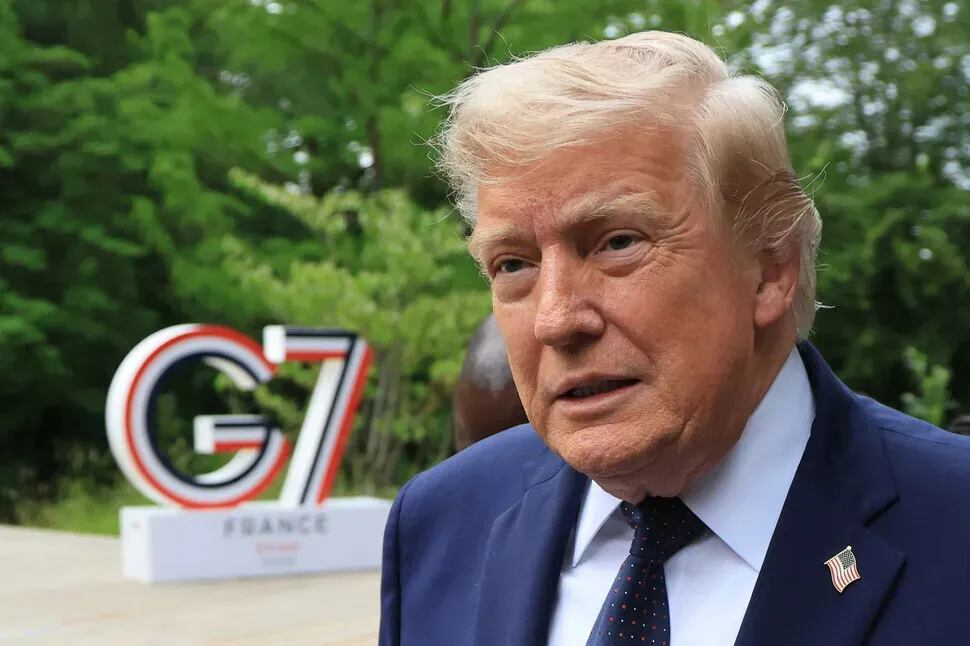
US President Donald Trump arrives at the Group of Seven summit in Evian, France, on June 16, 2026. (AP/Yonhap)
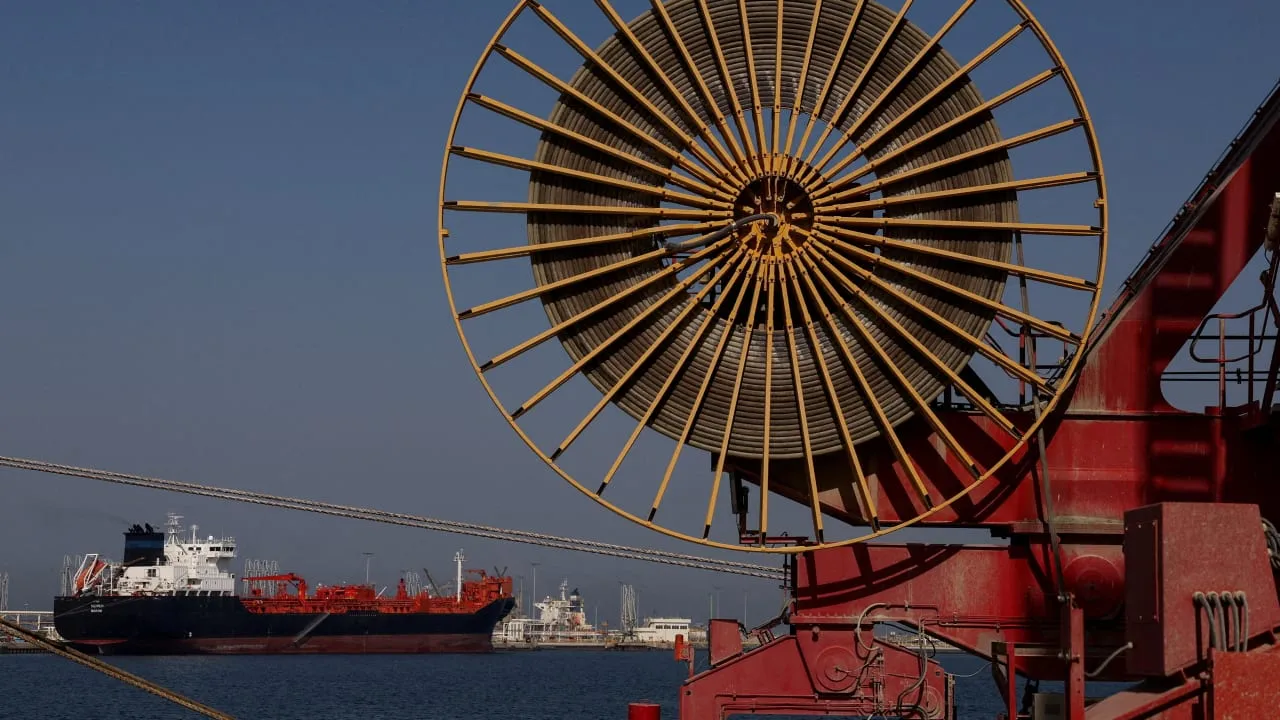
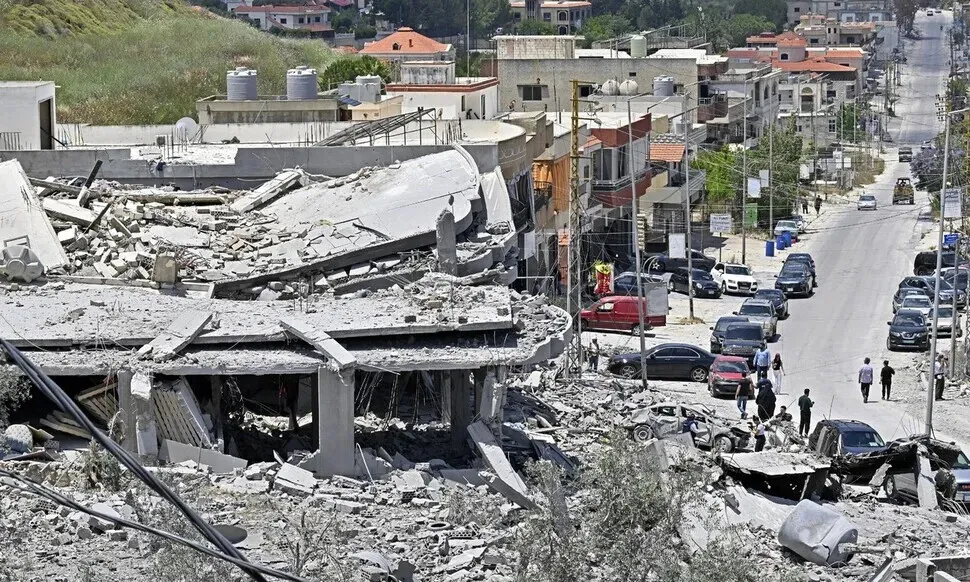
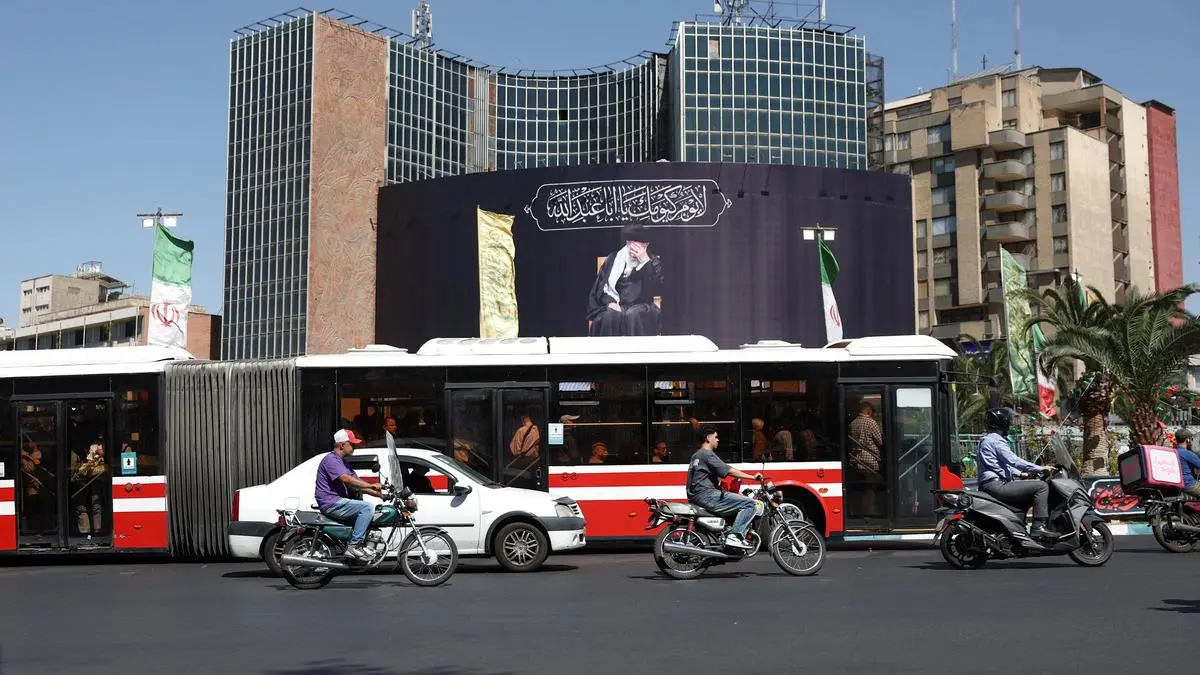
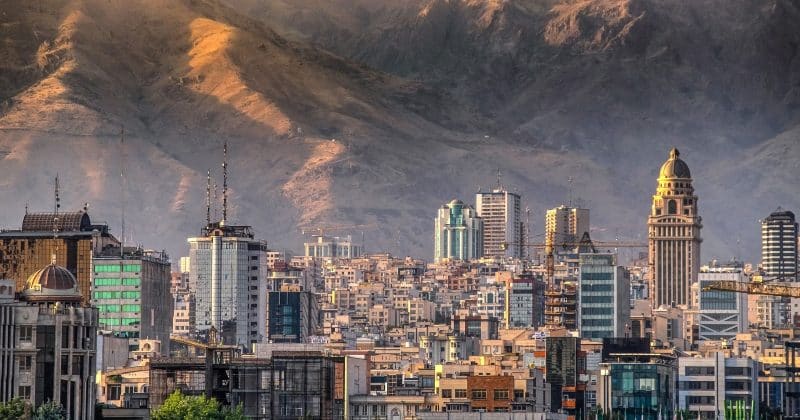
Korean companies are reportedly among the firms that have pledged to contribute to a US$300 billion private reconstruction fund that is apparently part of the deal the US and Iran will be signing to end the war.Reuters reported on Tuesday that financial incentives in the memorandum of understanding that the US and Iran plan to sign include the US$300 billion fund, along with potentially unlocking frozen Iranian funds and allowing Iran to sell crude oil and other kinds of fuel.The MOU outlines the basic framework for a final deal that is to be reached within 60 days. After an official signing ceremony in Switzerland on Friday, the two countries plan to initiate technical negotiations. Korean companies said to be among the fund’s backersReuters quoted a source as saying that companies have already committed to provide more than half of the target amount of US$300 billion to the private investment fund. Unlike traditional reconstruction or reparation programs, this fund will reportedly not receive any money from the US government but will instead arrange for private companies to invest in key Iranian infrastructure.Reuters’ source said companies in Korea, Japan, Singapore, Malaysia and the US have pledged investment, but declined to disclose the specific list of such entities, investment scale by country and whether the deals are legally binding. The investment targets were reportedly spread across key sectors essential for postwar recovery and economic reconstruction like energy, logistics, manufacturing and transportation infrastructure.Since the 1979 Islamic Revolution, Iran’s access to global capital markets has faced severe restrictions due to American and international sanctions. If a final agreement is concluded and sanctions on Tehran are eased, the West Asian country could attract large-scale foreign investment for the first time in over 40 years.Separately from reconstruction funds, the release of frozen Iranian assets worldwide — including in Korea — is a key economic point of contention in negotiations.Reuters said Iran’s frozen assets are mainly proceeds from oil sales tied up due to sanctions, as well as assets linked to the Central Bank of the Islamic Republic of Iran. This money is known to be held in regions like China, Iraq and the Gulf states.But the scale and method of lifting the freeze have not yet been announced. In an interview with CBS on Monday, US Vice President JD Vance denied the reported release of billions worth of frozen Iranian assets by Washington in the agreement, saying, “There’s nothing about $24 billion.”He did, however, leave the door open for talks on unfreezing Iranian assets.Iranian exports of crude oil are expected to be allowed immediately after the deal is signed. The US reportedly plans to exempt Iran from relevant sanctions to allow immediate sales of Iranian crude oil and fuel after the formal signing of the MOU. Quoting a senior US official, Reuters said this measure applies not only to the export of Iranian crude oil and petrochemical products but “also covers services including banking, transportation and insurance to facilitate the sales.” The Wall Street Journal also said the same, citing sources familiar with the agreement and describing it as an initial financial carrot extended to Tehran to end the war.The daily also cited the US nonprofit organization United Against Nuclear Iran (UANI) in reporting that the Iranian supertanker Diona, carrying its country’s crude oil, left the Iranian port of Chabahar that day on the coast of the Gulf of Oman east of the Strait of Hormuz and crossed the US blockade line to sail outside the gulf. The group said the vessel’s tracking device was turned on and that this was the first confirmed instance of such a passage since the US blockade began in April.The Wall Street Journal, based on data from the nonprofit and the vessel-tracking company MarineTraffic, said another Iranian supertanker, the Hero II, also crossed the blockade line.Allowing Iran to sell oil is expected to have the most immediate impact on the Iranian economy. Citing sanctions experts, Reuters said Iran possesses a large amount of crude oil in storage facilities and tankers, and could begin selling the fuel soon after the sanctions exemption takes effect.Yet a senior US official called this arrangement “a performance-based agreement,” saying Iran can only receive benefits under the MOU if it adheres to its terms. “Iran can only access any benefits of the MOU if they abide by all of the points they agreed to — including no nuclear weapon, neutralizing its enriched material, and not interfering with the free flow of navigation in the Strait of Hormuz,” the official added.But uncertainty lingers over the MOU’s feasibility.Reuters analyzed that just as Western banks still avoided Iran for fear of US penalties even after the 2015 Iran deal eased sanctions, there remain considerable hurdles to realistically contributing to such a private fund or unfreezing assets. By Kim Won-chul, Washington correspondentPlease direct questions or comments to [english@hani.co.kr]