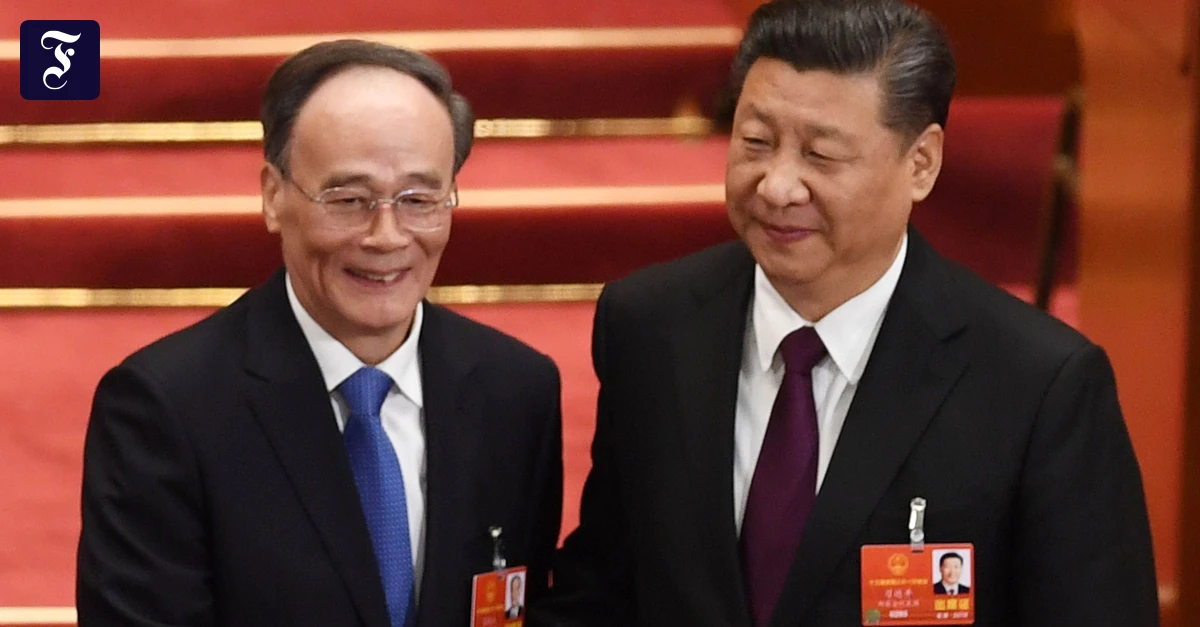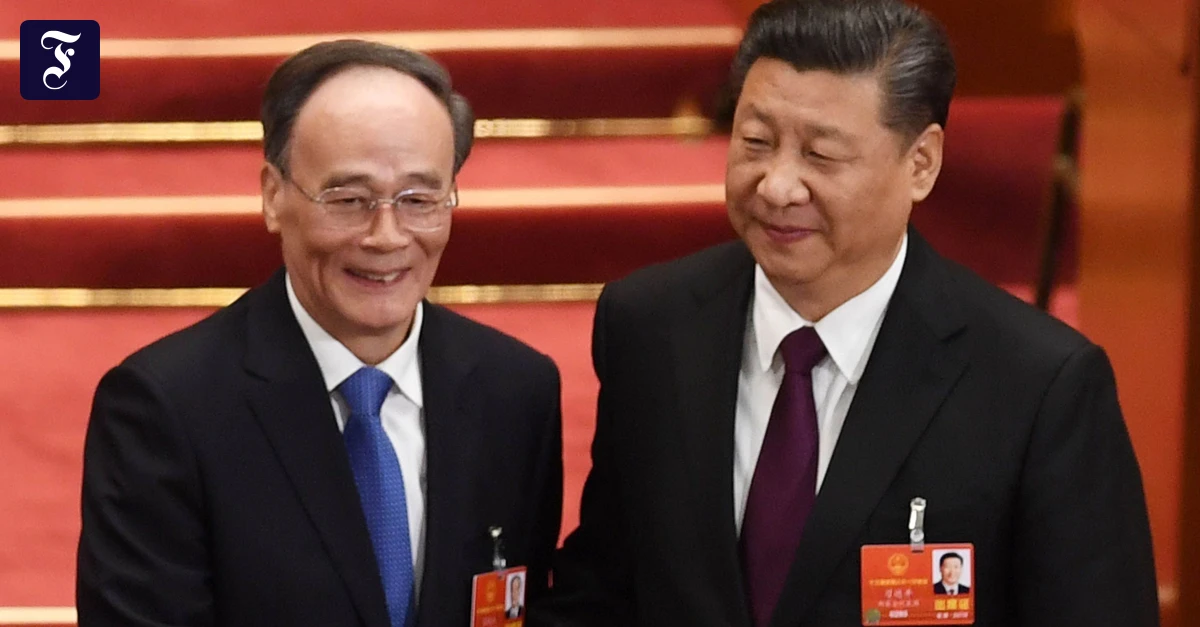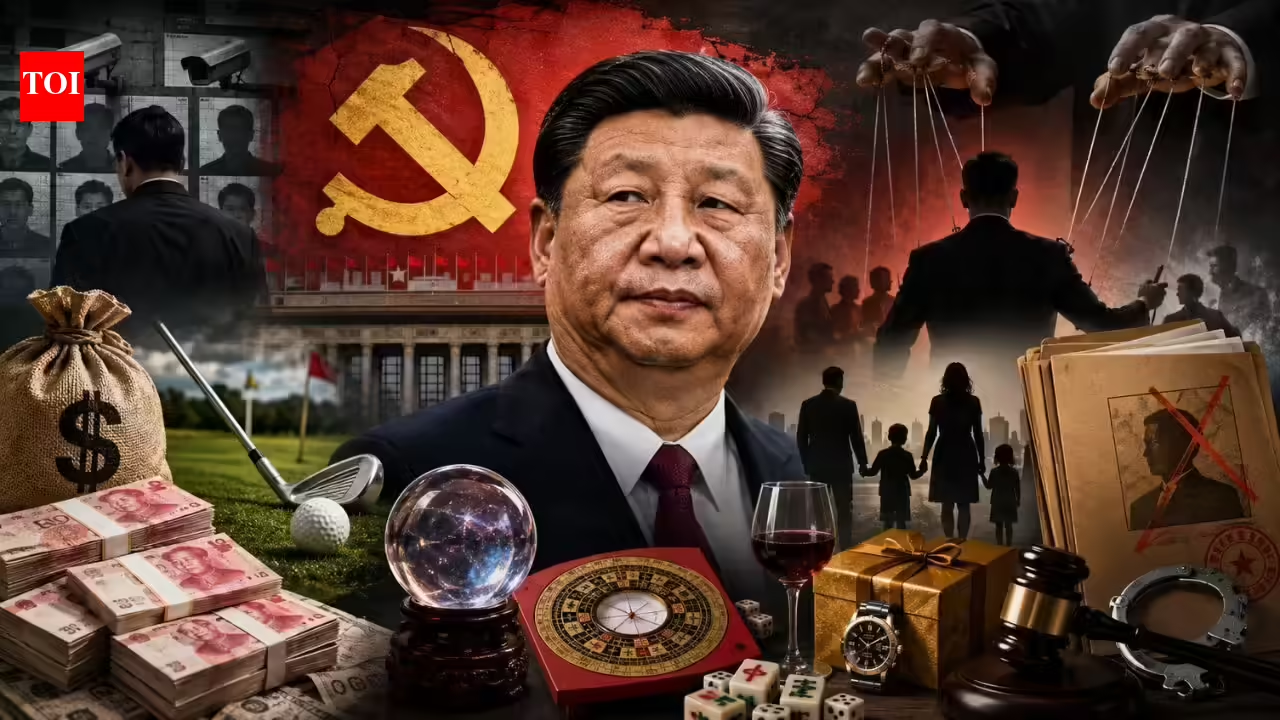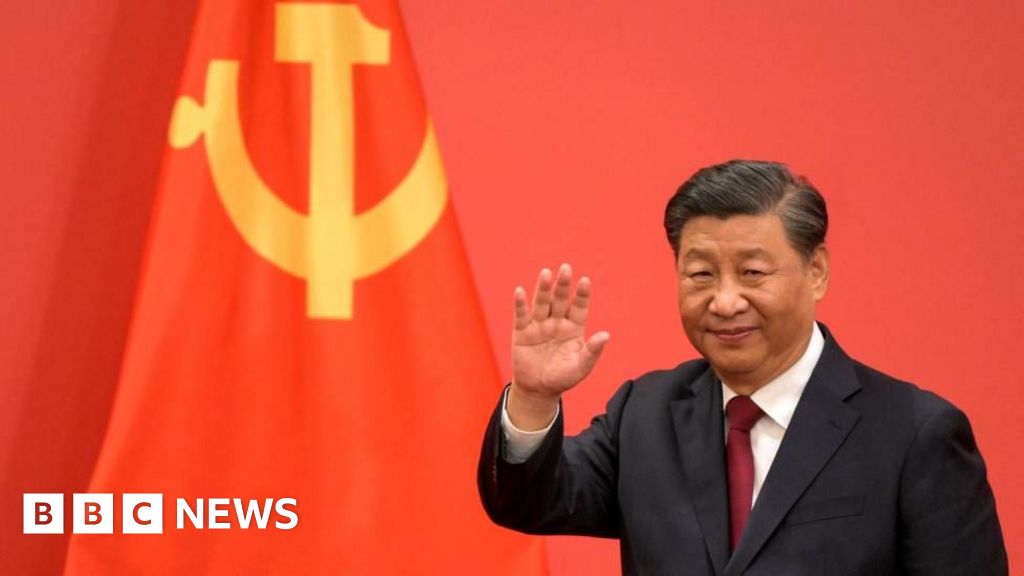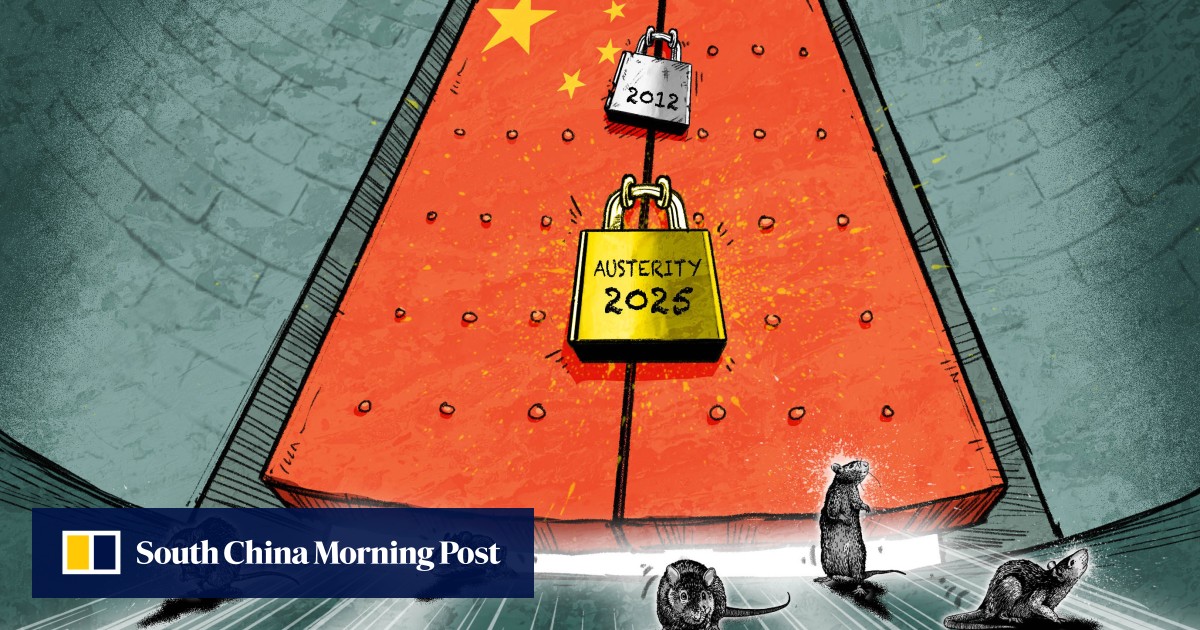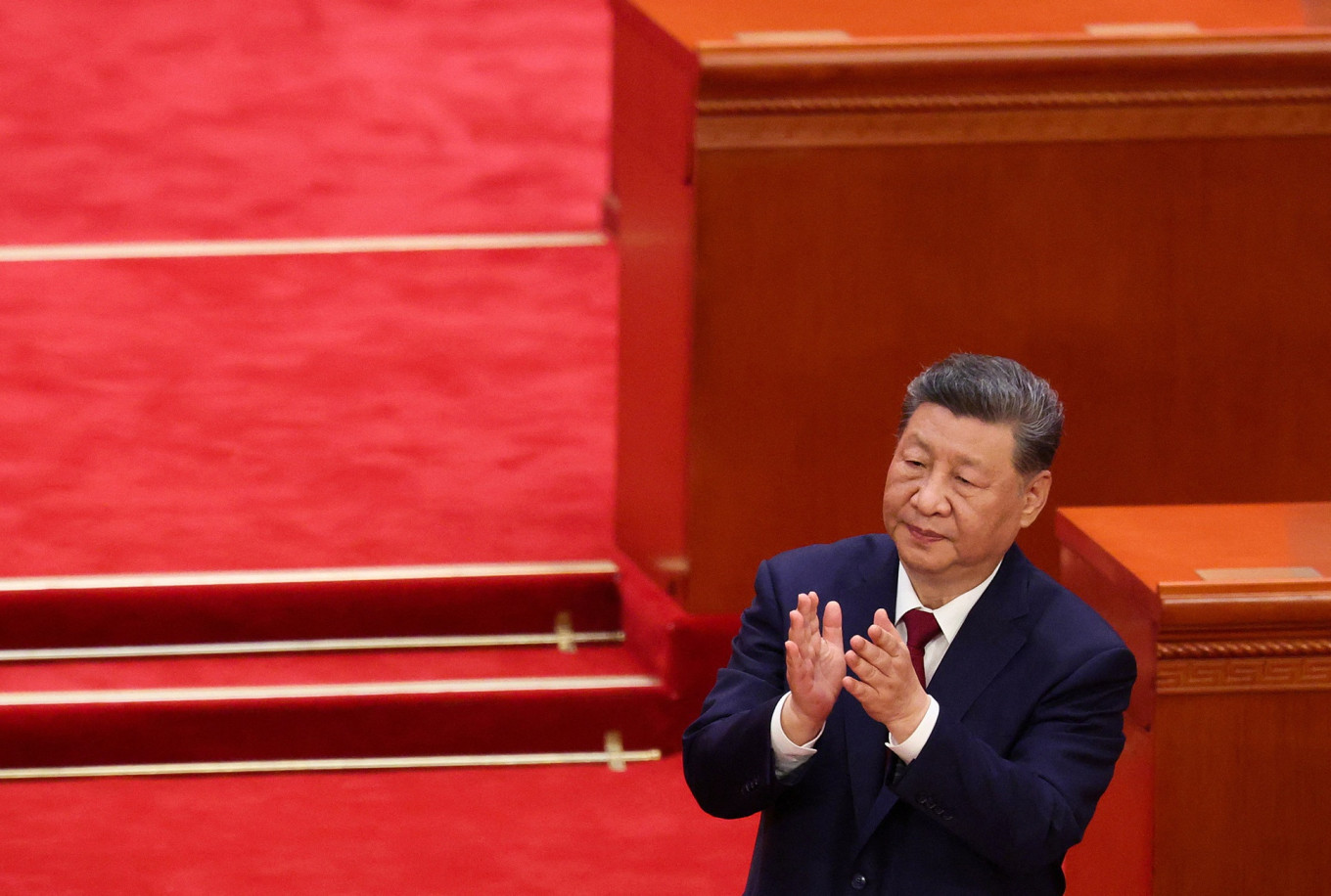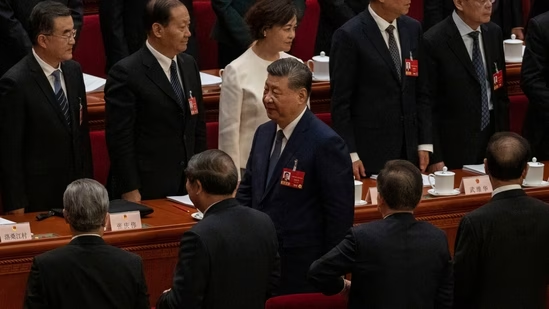
Chinese leader Xi Jinping has escalated his fight against corruption into a ruthless campaign to enforce political loyalty.Chinese leader Xi Jinping leaves at the end of the second plenary session of the National People's Congress in Beijing in March.Communist Party enforcers punished nearly a million people in 2025, the highest number on record and more than five times that reported when Xi took power. The Wall Street Journal reviewed disciplinary statements on more than 940 officials punished under Xi, published by the party’s top internal watchdog from 2013 to this May.The data shows how Xi’s purges have evolved in their focus, from economic crimes and moral lapses—such as bribery, embezzlement and adultery—to include wide-ranging political offenses, such as defying Xi’s directives or forming factions that could undermine Beijing’s authority.Charge sheets grew into lengthy, moralizing denunciations that castigated officials for failing to stay committed to the party. Purged officials have been blamed for everything from raising excessive debt to failing to implement carbon-reduction directives to engaging in “superstitious” activities, such as consulting fortunetellers.Xi’s goal: keeping officials on their toes at all times.The Central Commission for Discipline Inspection, the party’s top internal watchdog, didn’t respond to queries.Policing loyaltyXi laid down a marker in his campaign in late 2014, when he expelled Zhou Yongkang, a retired security czar and a former member of the top leadership, for corruption and violations of “political discipline”—the first time party enforcers singled out such wrongdoing.Thereafter, allegations of “disloyalty to the party” began to appear more regularly. Xi’s inspectors increasingly punished officials for failing to execute party directives, or feigning compliance with Beijing’s orders.The experience of several former officials—all of whom pleaded guilty and expressed remorse in court—show how the campaign has evolved.Economic ordersSince 2020, party authorities have cited disgraced officials for resisting Xi’s demands to make China’s economy more innovative, ecologically friendly and equitable—a shift from the massive, debt-fueled campaigns of years past to build out railways, housing and highways.As a municipal party boss from 2013 to 2017, Li pursued 23 tourism projects, 16 of which have since been listed as inefficient and idle—including some half-built or abandoned ones, according to a state-television documentary. Li borrowed heavily to fund these projects, incurring more than 900 million yuan, or around $133 million at current rates, in losses from the interest.“I hoped to launch some grand undertakings and major moves, to create a big splash, thinking that only in this way could I attract the attention of my superiors,” and win promotion, Li said in the documentary.Superstitions and mysticismMore than 160 of the 940-plus punished officials—or over one in six—were cited for engaging in superstitious activities and beliefs, which the officially atheist Communist Party prohibits for its members.Such activities include praying to gods and deities, fortunetelling and physiognomy, and consulting spiritual gurus or mystics, according to party commentaries and state media. The party has also accused officials of “not believing in Marxism-Leninism but believing in ghosts and gods,” praying to Buddha, or even indulging in feng shui, an ancient Chinese practice of arranging buildings, objects and spaces to improve fortunes.Bai was accused of spending large sums of money to improve construction projects’ feng shui. He ordered a fountain in front of a municipal government square to be rebuilt several times.“Every time the fountain is built and starts spraying water, he would say it was very good. Then within a few days, he would angrily demand that it be demolished and rebuilt,” a retired local cadre told Chinese media. “If it wasn’t moved by two or three meters, he always felt that it was blocking the wind and water.”‘Elegant’ corruptionCorruption remains a big part of the takedowns. The most common violations include accepting lavish gifts, dining on public money or other people’s expense and arranging extravagant receptions. Many officials were rebuked for using government cars for private purposes and visiting private clubs.More than 80 officials in the cases reviewed by The Wall Street Journal were denounced for playing golf. More than two dozen people were rapped for gambling. At least 30 officials were cited for indulging in “vulgar tastes.” Two people were faulted for taking rides in private aircraft, while another six were cited for flying first class.One official styled himself as a “tasting expert” for Moutai, a leading brand of baijiu, a popular Chinese liquor. This official illegally received hundreds of bottles and would insist on drinking Moutai at banquets, according to a party disclosure on the case.‘Bad family values’Authorities have also focused on what they call “bad family values,” which includes failing to discipline spouses and children and allowing them to profit from political connections.Beijing has also broadened its classification of sexual misconduct. Before, it mainly cited adultery. From around 2015, it switched to denouncing officials for having “inappropriate sexual relations,” a broader allegation issued against more than 40 people. The disclosures also flagged offenses such as paying or “trading power” for sex, with about 130 officials accused thus far.Tang confessed on state television that he had colluded with his wife, a former state-enterprise executive, to crimes that included masking their shareholdings in shadow companies to receive bribes.‘Factions and cliques’The party has also increasingly penalized people for forming political factions that can rival Beijing’s authority, or presenting themselves, often fraudulently, as well-connected intermediaries who can help ambitious cadres secure powerful patrons.Many of these citations came after a CCDI report in 2019 explained how a businessman, Su Hongbo, exaggerated his connections to Beijing to secure lucrative infrastructure contracts, including a road project that helped him pocket 130 million yuan.One investigation focused on what Beijing called a “political clique” that centered on Sun Lijun, a former vice minister of public security.Tightened supervisionTo tighten his oversight, Xi has deployed roving inspection teams across the country and embedded CCDI officials into major party institutions and state enterprises. They have undertaken blitzes in sectors such as finance, healthcare and energy that offer ample opportunities for graft.The party started detailing efforts to hide evidence and accused people of resisting investigations. It more recently criticized some officials for “escape-style resignations,” or trying to avoid probes by quitting.“The task of eradicating the soil and conditions that breed corruption remains arduous and onerous,” Xi told the CCDI in January. “We must maintain a high-pressure posture unswervingly.”Profile photos: Press Pool (Lu Wei); Xinhua/Zuma Press (Li Zaiyoung and Tang Shuangning); CCTV (Bai Xueshan and Sun Lijun); Yonhap/Zuma Press (Tang Yijun)Write to Chun Han Wong at chunhan.wong@wsj.com and Andrew Barnett at andrew.barnett@wsj.com
Xi’s Enforcers Are Hunting Down Officials Who Consult Mystics and Borrow Too Much
The Chinese leader’s anticorruption campaign has widened into a fight against everything from disloyalty to “superstitious” behavior. | World News
1,072 words~5 min read