T
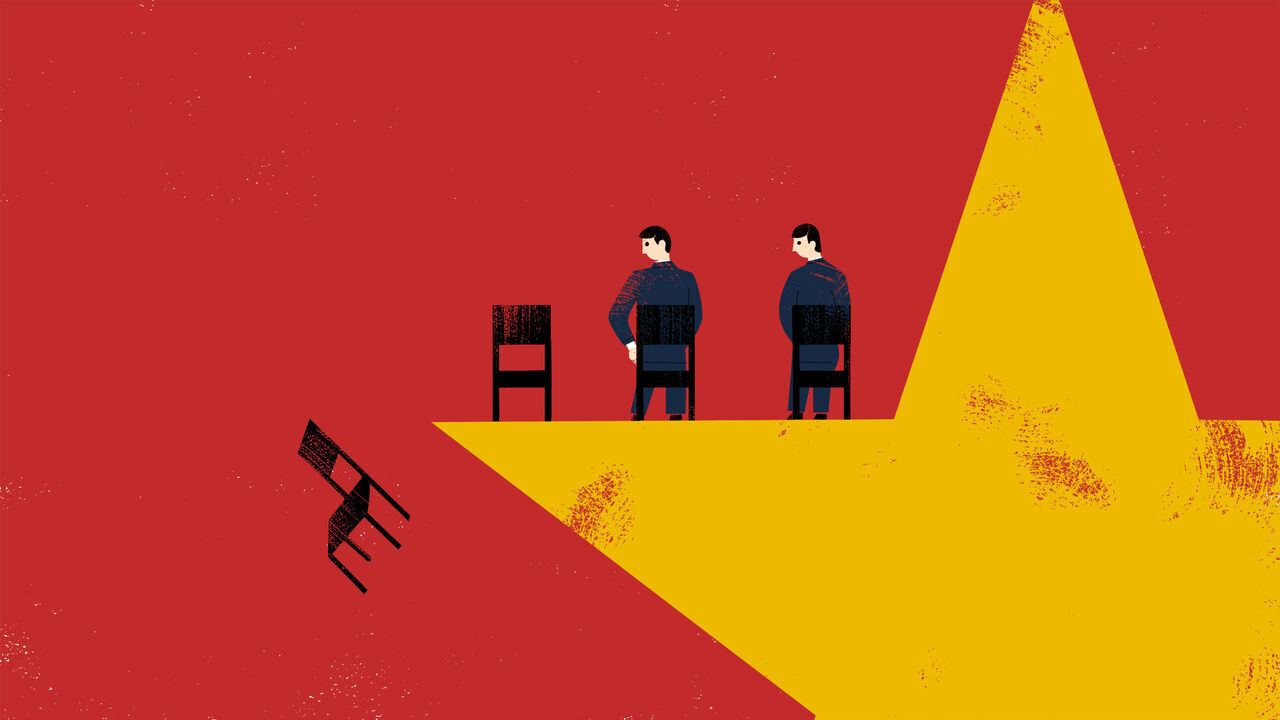
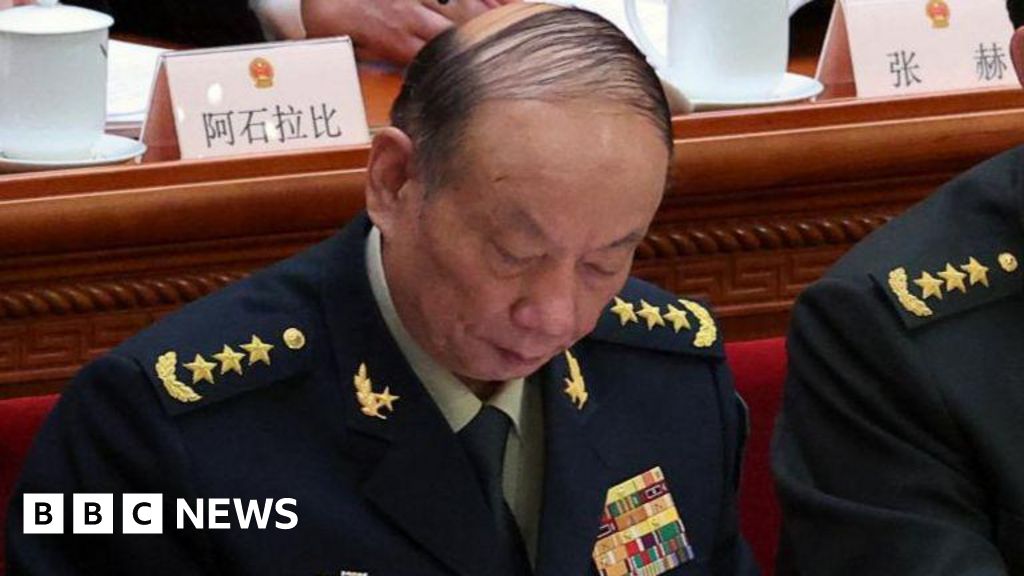
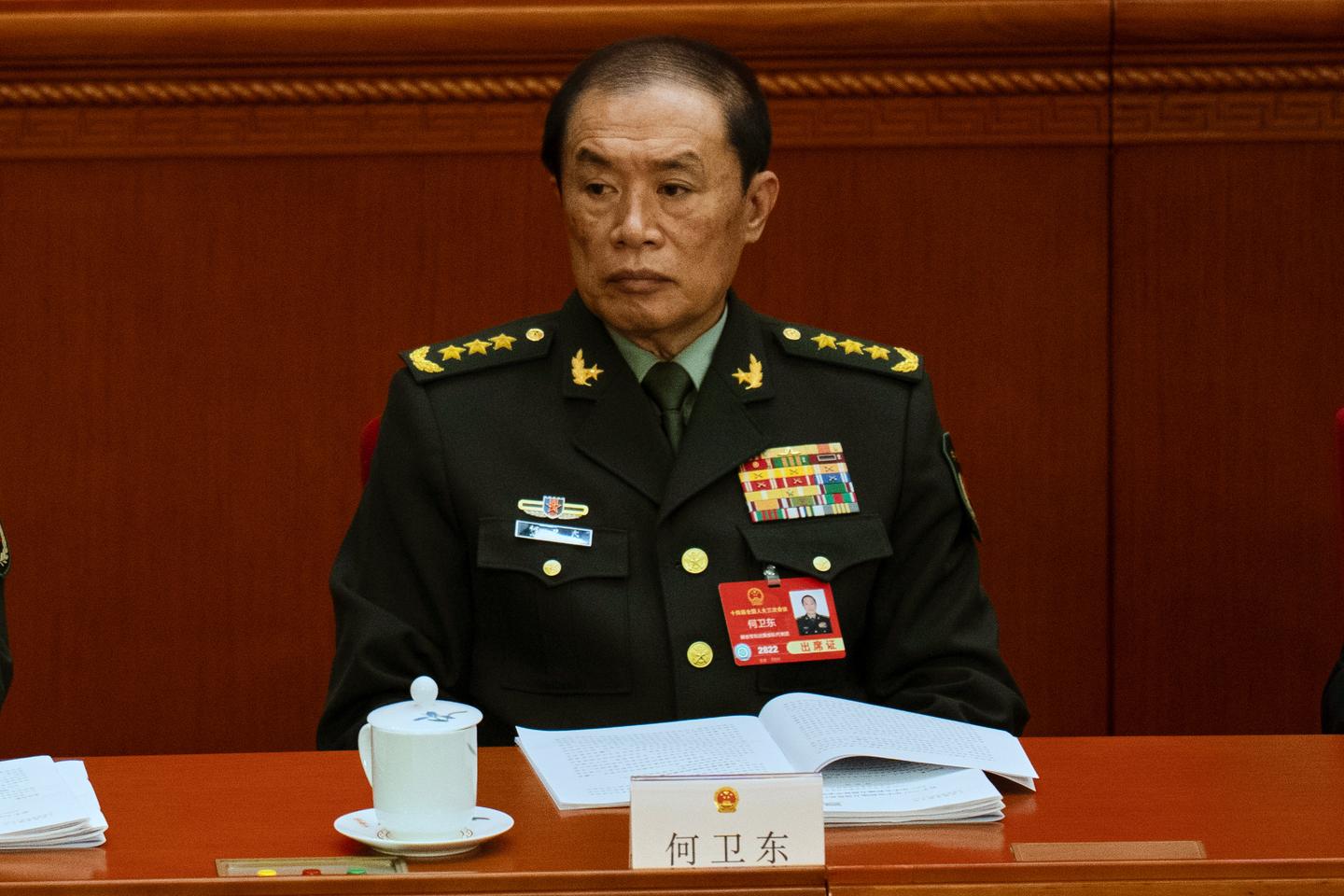
he purges have been brutal and spared no one. On the eve of the Chinese Communist Party's Central Committee plenary session, held from October 20 to 23, nine of the country's top generals fell, targeted by corruption investigations. Among them was the number two in the Chinese military – second only to its supreme leader, Xi Jinping. He Weidong, 68, owed part of his rise to having served in Fujian province, across from Taiwan, when Xi held senior roles there. He had been promoted to the 24-member Politburo as recently as 2022 and, of course, by Xi himself.
Also removed were Admiral Miao Hua, who until 2024 was in charge of all political work, meaning loyalty and recruitment within the world's largest army, and Lin Xiangyang, who was responsible, as commander of the Eastern Theater Command, for operations and preparations in case of war against Taiwan, the island that Beijing has declared an absolute priority.
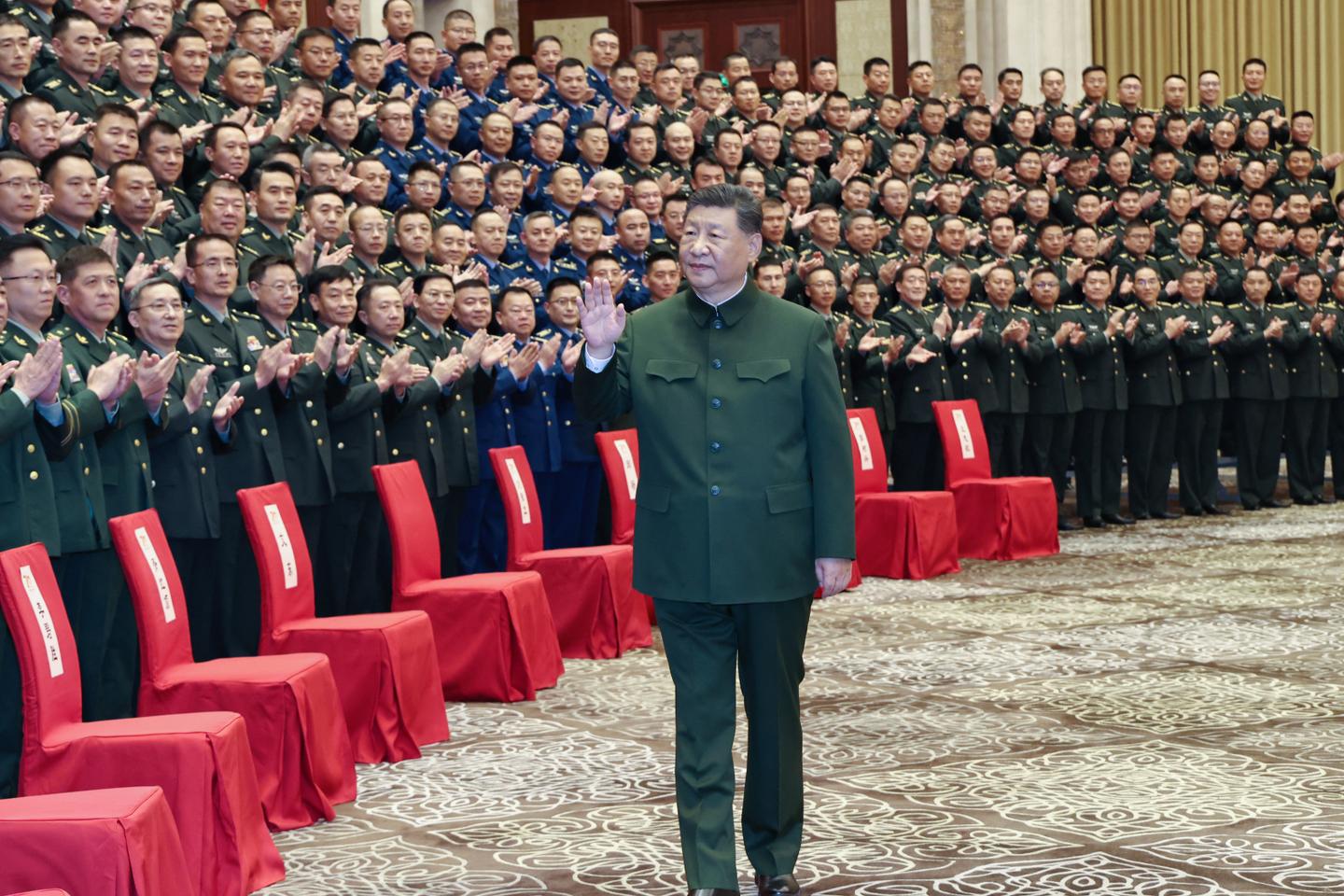
If the Chinese military appears so deeply compromised at the highest levels, it is Xi himself who has exposed these vulnerabilities to the world, less than two months after a parade meant to showcase the country's restored might. In 2024, China announced the arrest of two consecutive defense ministers, while in 2023, a sweeping campaign dismantled the missile force, which is also responsible for nuclear deterrence. To this list can be added a foreign affairs minister, Qin Gang, who disappeared from public view without explanation, and, more recently, an agriculture minister.