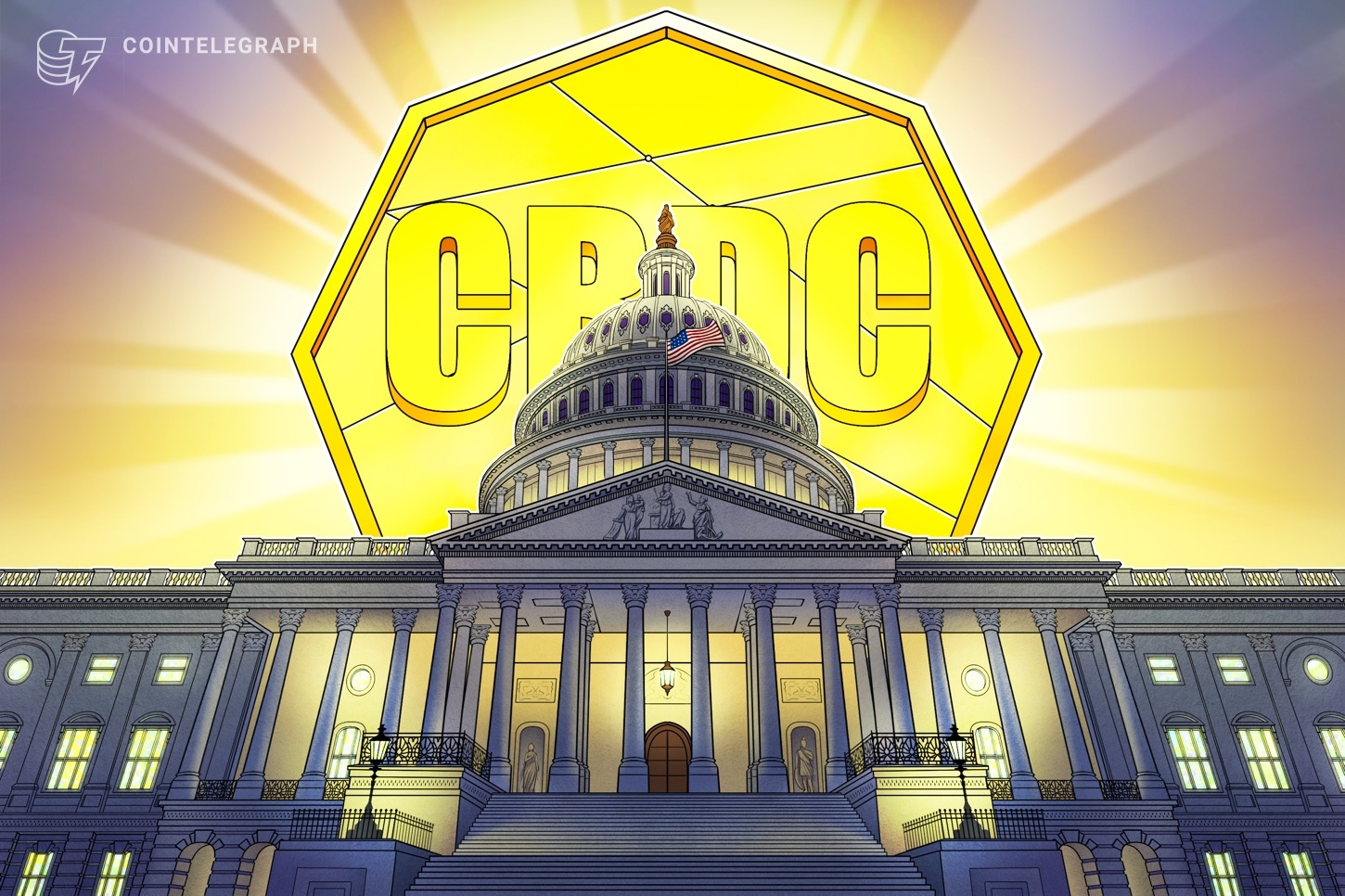
Congress just tucked one of the most consequential crypto-adjacent provisions of the year inside a housing bill. The 21st Century ROAD to Housing Act, a bipartisan effort to boost housing supply and affordability, now includes a temporary ban preventing the Federal Reserve from issuing or creating a central bank digital currency until December 31, 2030.
The bicameral agreement was reached on June 16, 2026, following months of legislative back-and-forth between the two chambers. The Senate had passed its amended version on March 12, 2026, with an overwhelming 89-10 vote, after the House approved its initial version in February.
How a housing bill became a CBDC battleground
The bill’s primary mission is straightforward: make it easier for regular people to buy homes. Among its key provisions is a measure designed to limit large institutional investors from scooping up single-family properties, a practice that has priced out first-time buyers in markets across the country.
The bill counts Senate Banking Chairman Tim Scott (R-SC) and Ranking Member Elizabeth Warren (D-MA) among its key sponsors. The CBDC provision reflects years of bipartisan anxiety over the surveillance implications of a Fed-issued digital currency. Critics have long argued that a retail CBDC would give the government unprecedented visibility into Americans’ financial transactions.