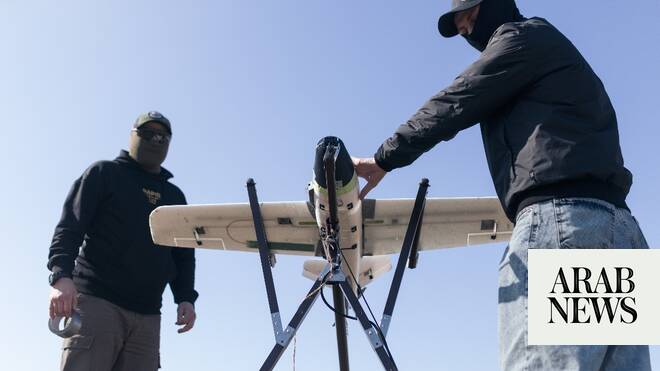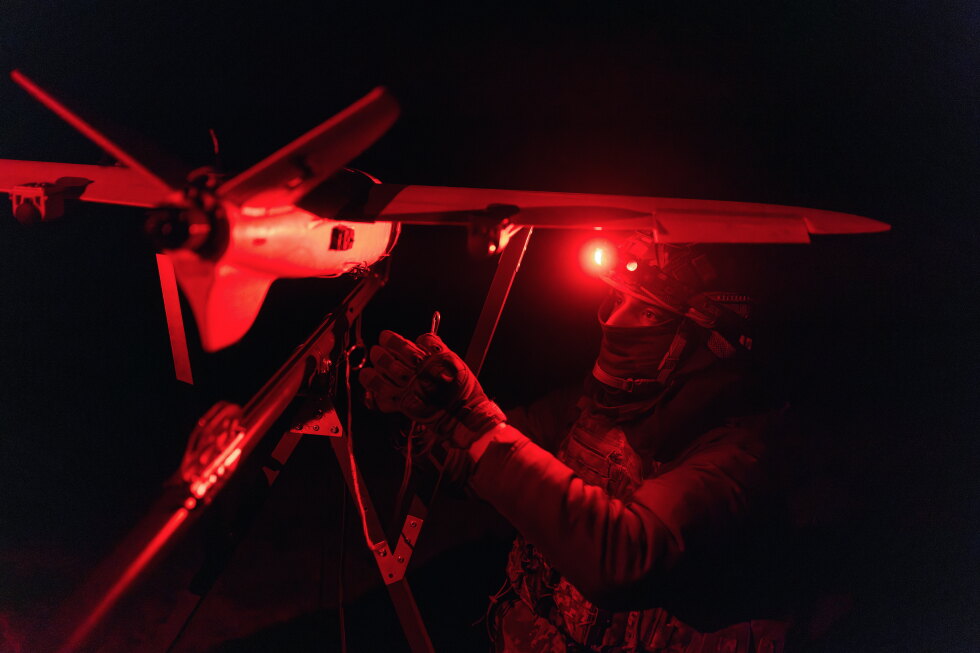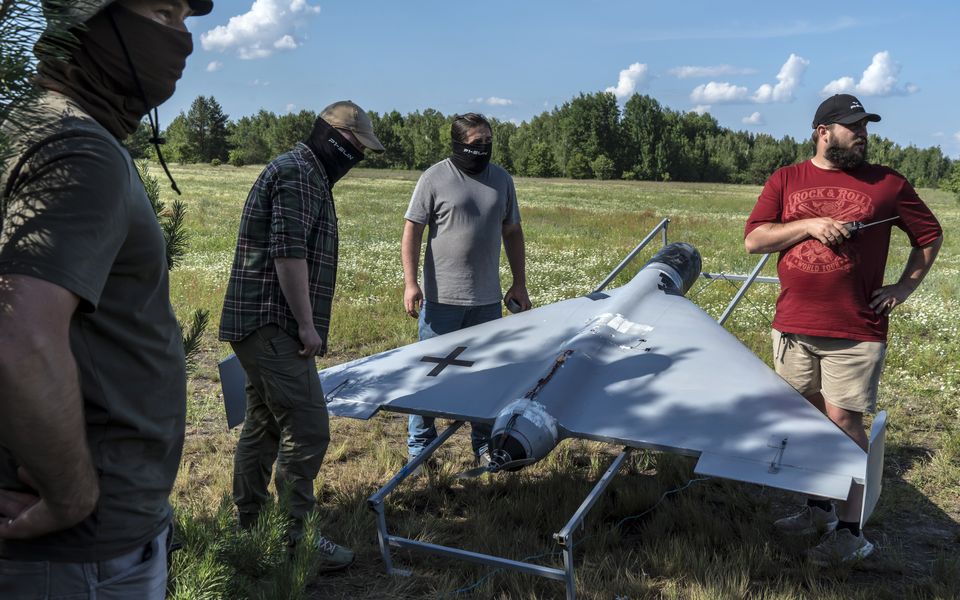
CENTRAL UKRAINE — At a launch site deep in a pine forest in central Ukraine, five men in balaclavas removed a camouflage cover from a lightweight replica of a Russian-made Shahed drone. “Pull!” one man shouted, and the winged, triangular drone flew up over the trees.
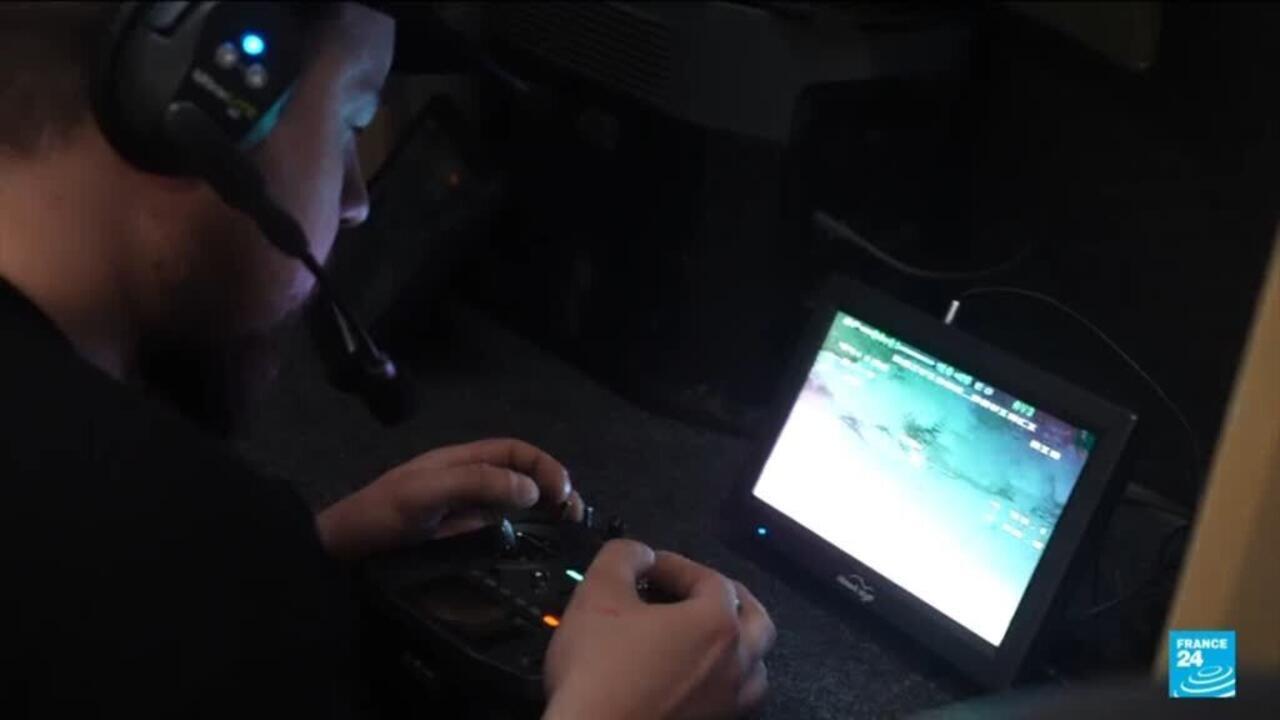
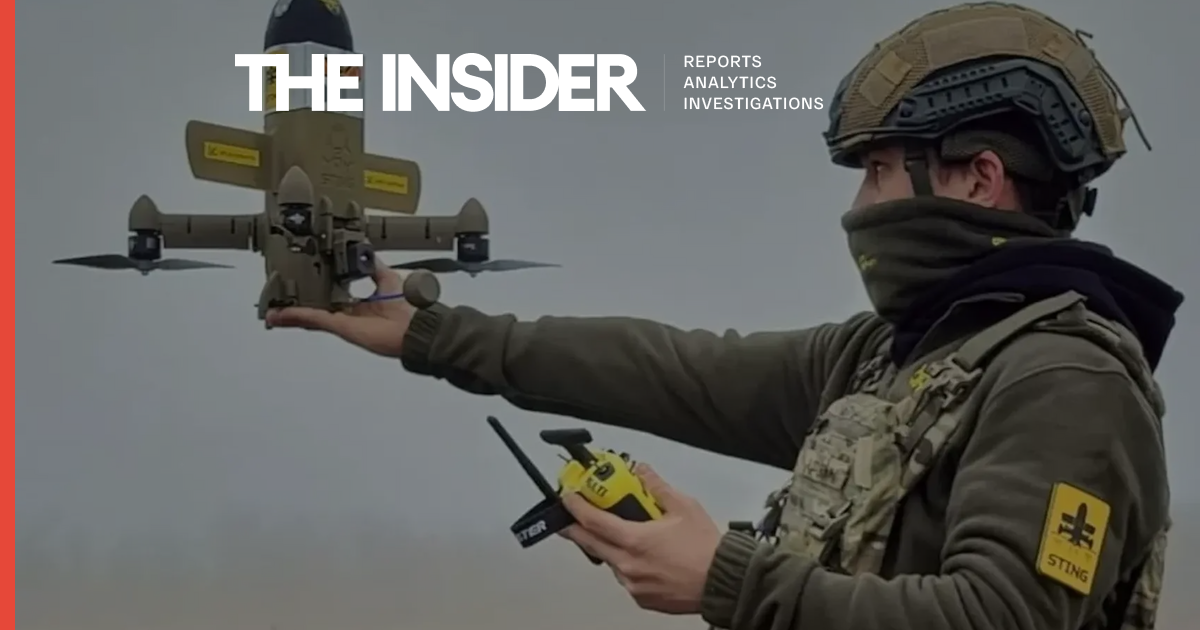
Standing nearby was a miniature black rocket with four propellers. This was the P1-Sun Long, one of Ukraine’s first interceptor drones powered by artificial intelligence. Trained to find and knock down Shahed-type aircraft, it, too, took off.
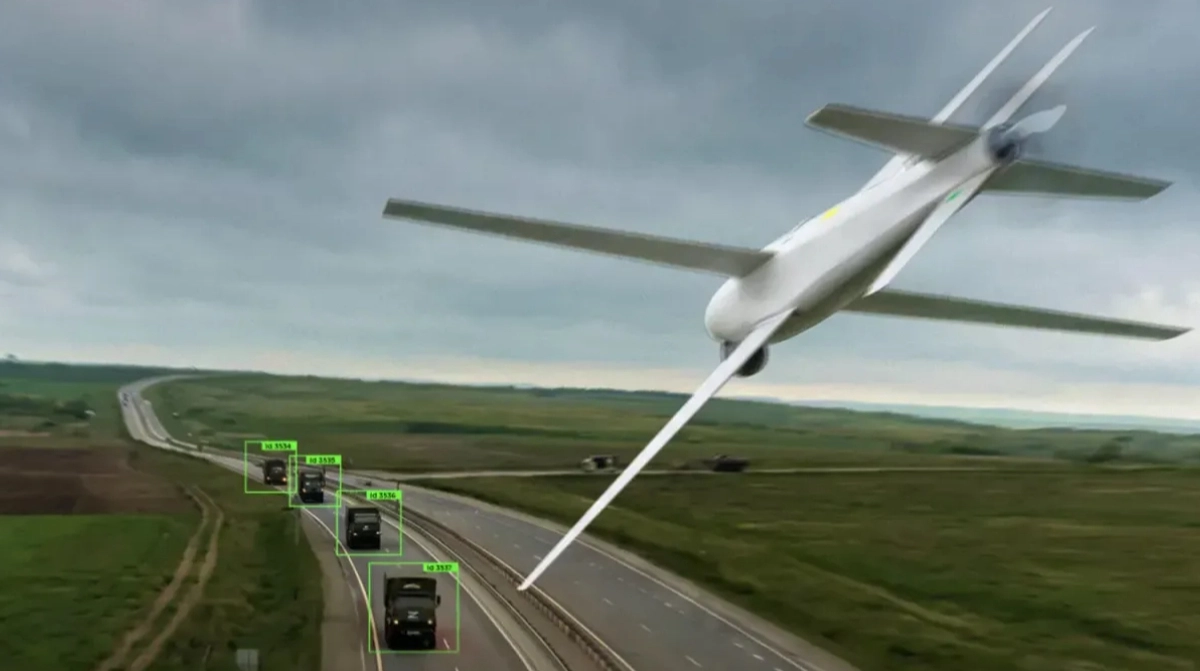
The P1-Sun reflects both the Ukrainian military’s embrace of AI and the rapid evolution of its defenses against Shaheds. Russia fires the drones — essentially flying bombs — into Ukrainian cities in relentless daily waves, destroying infrastructure, killing civilians and sowing terror.
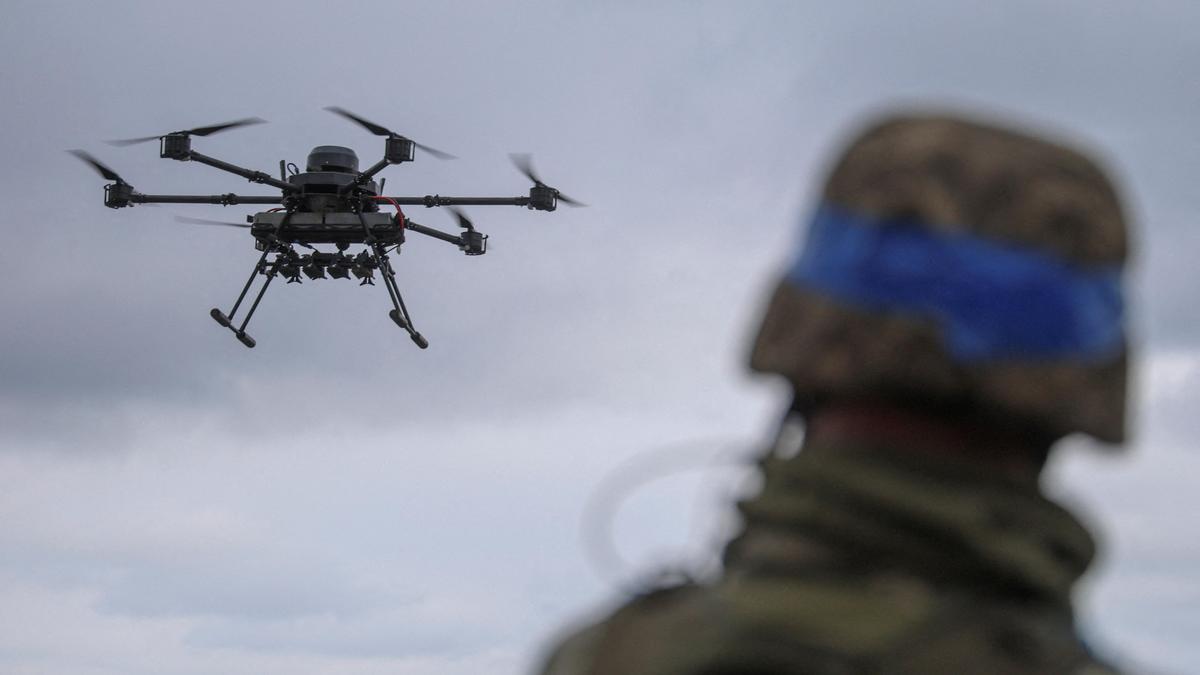
Earlier in the war, Ukraine relied mostly on heavy machine guns, electronic warfare and occasionally missiles to bring down Shaheds. Last August, the Ukrainian military began to widely deploy interceptor drones piloted by humans, without AI.
Now, a major Ukrainian drone manufacturer, SkyFall, which conducted the recent test in the forest, says its interceptors have made dozens of AI-assisted strikes on Shahed-type drones since November, among thousands of interceptions overall.