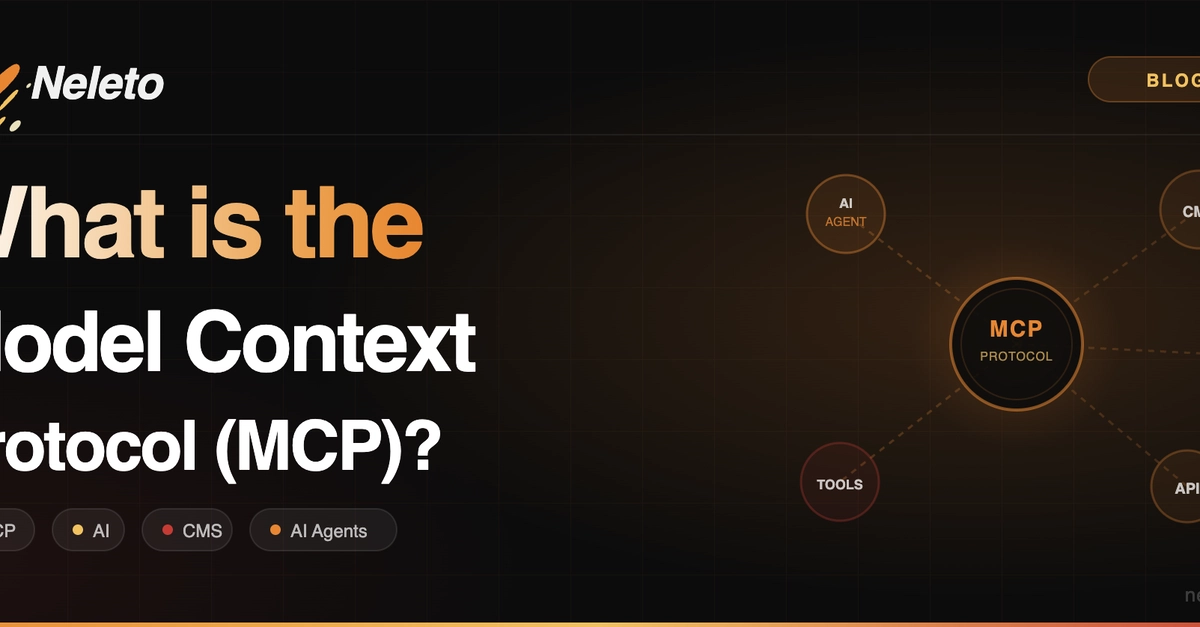
The AI ecosystem, especially in recent years, has been experiencing rapid growth and diversification; however, this growth has also brought significant incompatibility issues. Microservice Communication Protocol (MCP) steps in precisely at this point, becoming a fundamental protocol that enables different AI models and services to communicate with each other in a standardized way, and by 2026, it has become the most talked about and accepted standard in the industry. In my own AI-powered operations and my clients' complex AI projects, I have seen countless times how critical this standard is.
MCP fundamentally defines a set of rules necessary for various AI models and services (LLM, image processing, time series analysis, etc.) to exchange data over a common language and data format. This makes it much easier to combine, manage, and scale AI components from different providers or developed with different architectures under one roof. Last year, the difficulties I faced while integrating models from different AI providers in a client project once again proved the value of MCP to me.
What is MCP and What is Its Core Purpose?
Microservice Communication Protocol (MCP), as its name suggests, is a communication protocol that enables AI components operating in a microservice architecture to communicate with each other securely, efficiently, and in a standardized manner. This protocol covers not only data exchange formats but also critical operational requirements such as service discovery, error management, versioning, and security. Its purpose is to minimize the integration complexity encountered when developing AI applications and to offer developers more modular, flexible, and scalable solutions.