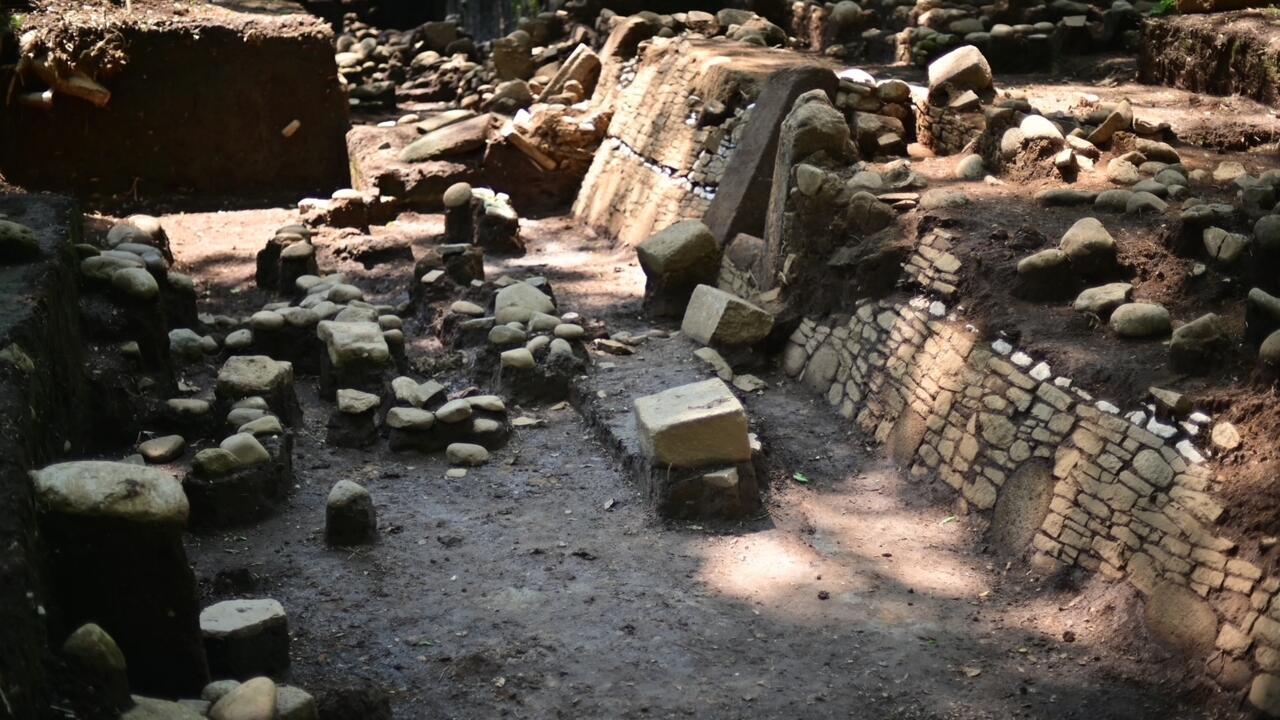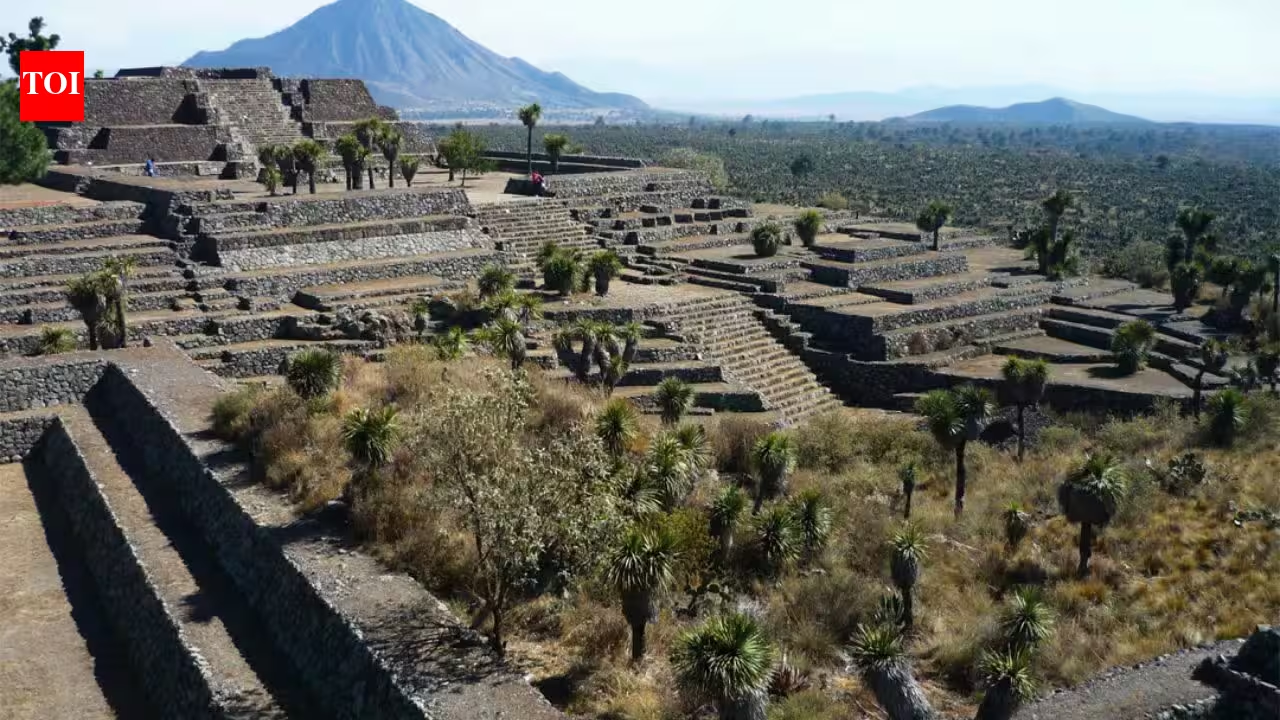
For more than a millennium, a stone pyramid stood watch over the ancient settlement of Ihuatzio in western Mexico.
Built by the Purépecha civilisation, one of the few Mesoamerican powers that successfully resisted Aztec expansion, the monument survived centuries of conflict, weather and human change.
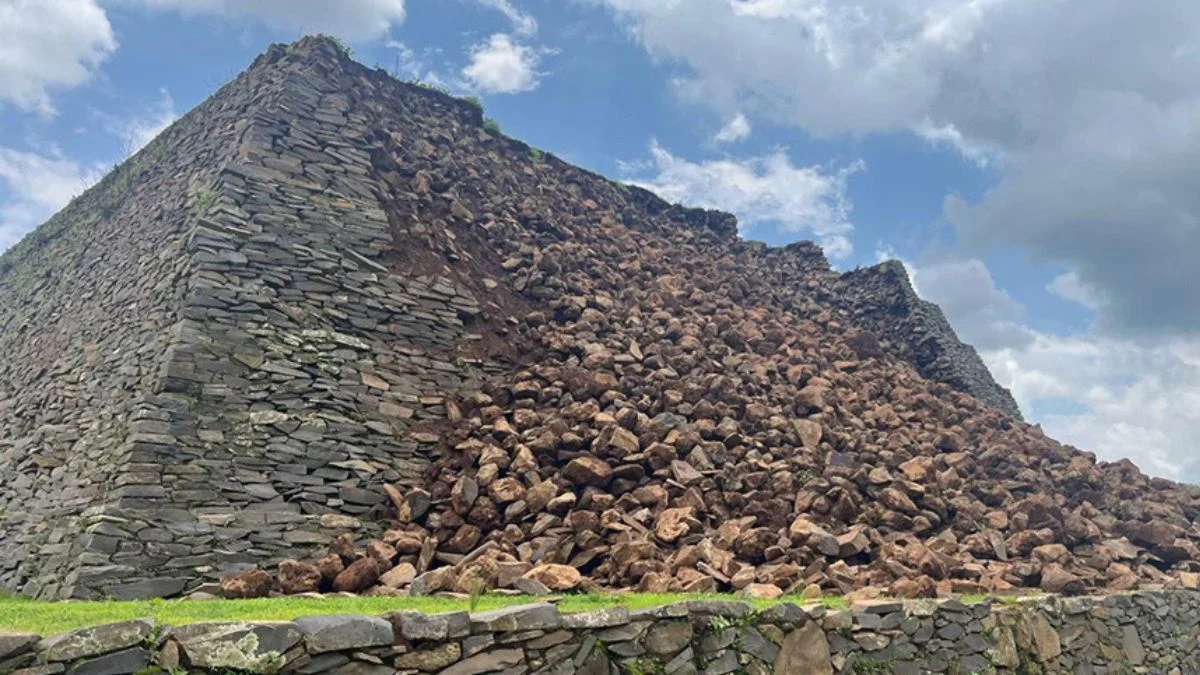
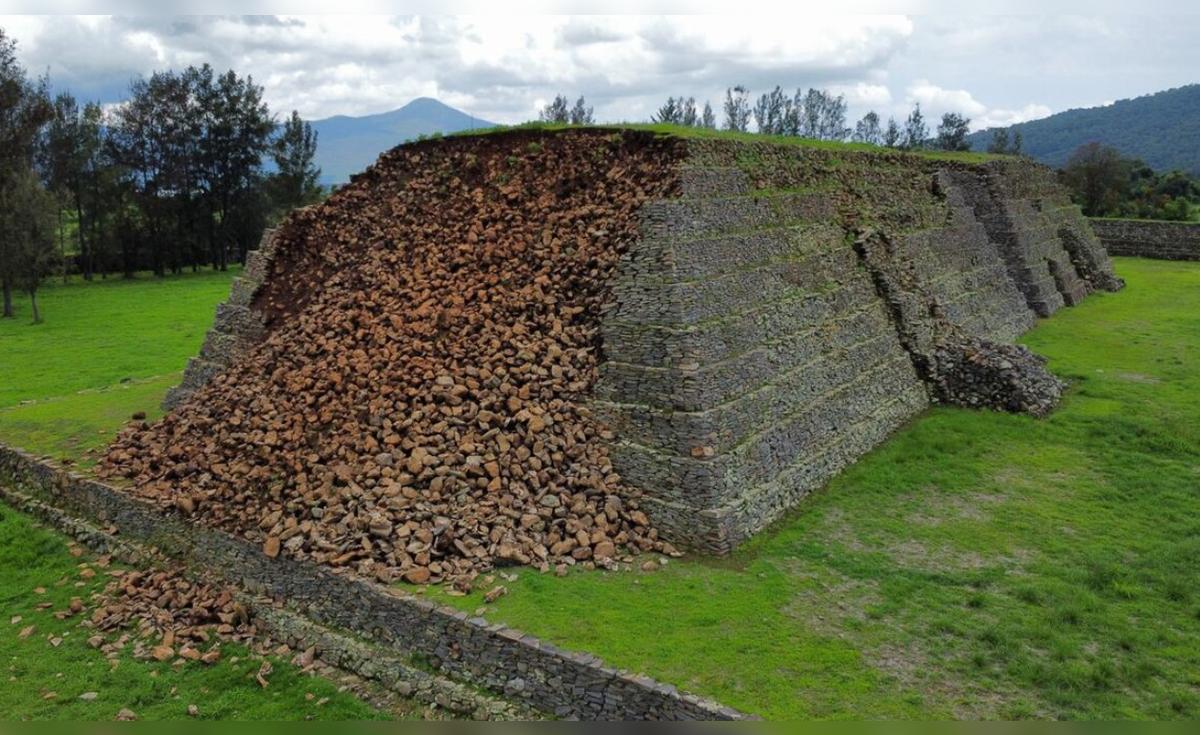
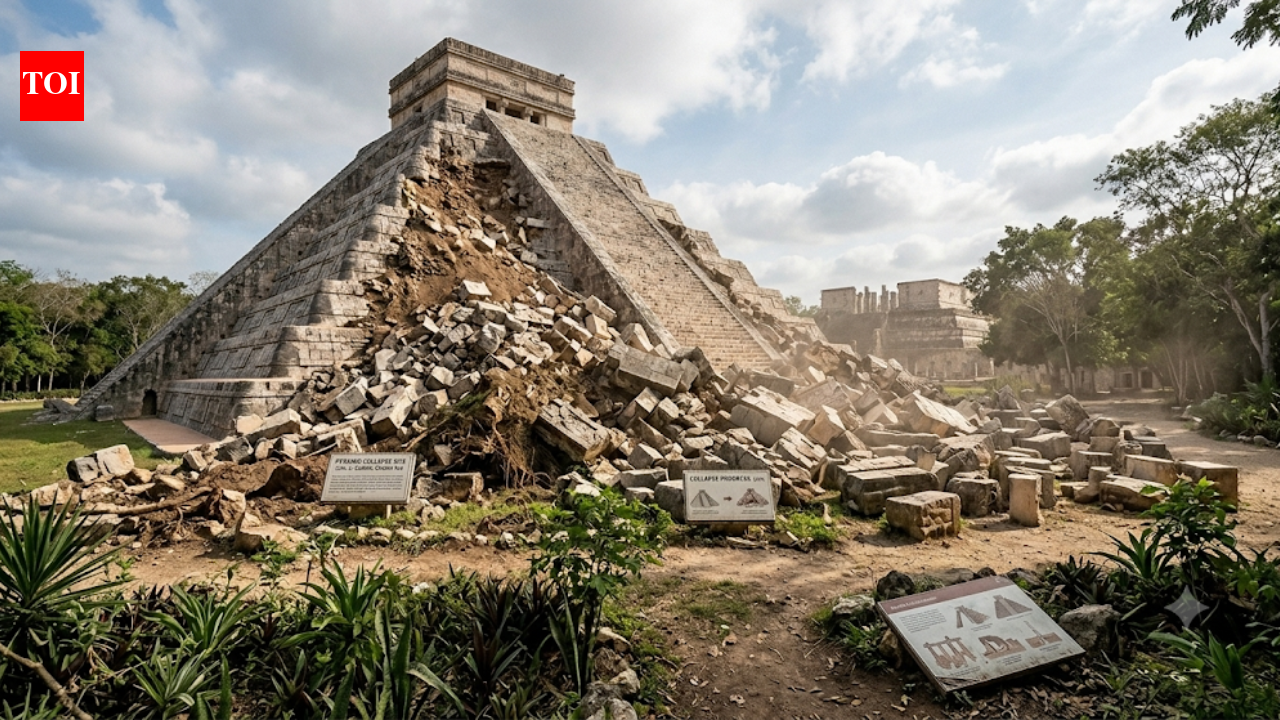
Yet in a matter of hours, part of this remarkable structure gave way.
Following a period of intense drought and unusually heavy rainfall, a section of the pyramid collapsed into a heap of rubble, alarming archaeologists and local communities alike.
While experts point to environmental stresses and structural deterioration, some descendants of the region’s Indigenous inhabitants view the event through a different lens, describing it as a troubling omen reminiscent of warnings recorded in ancestral traditions.