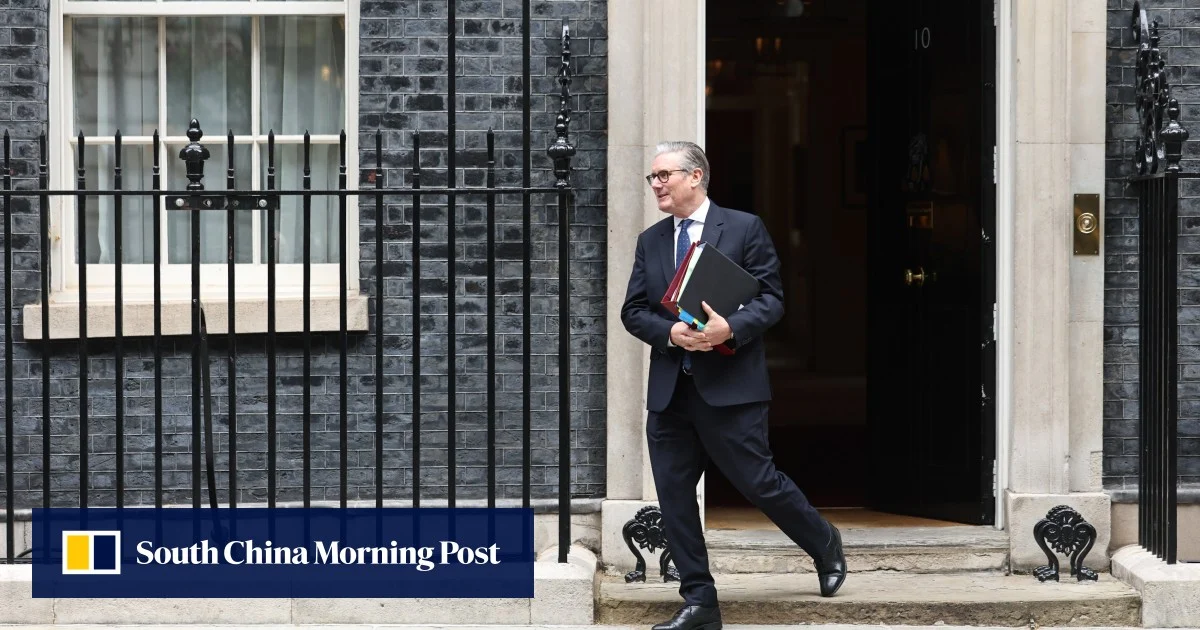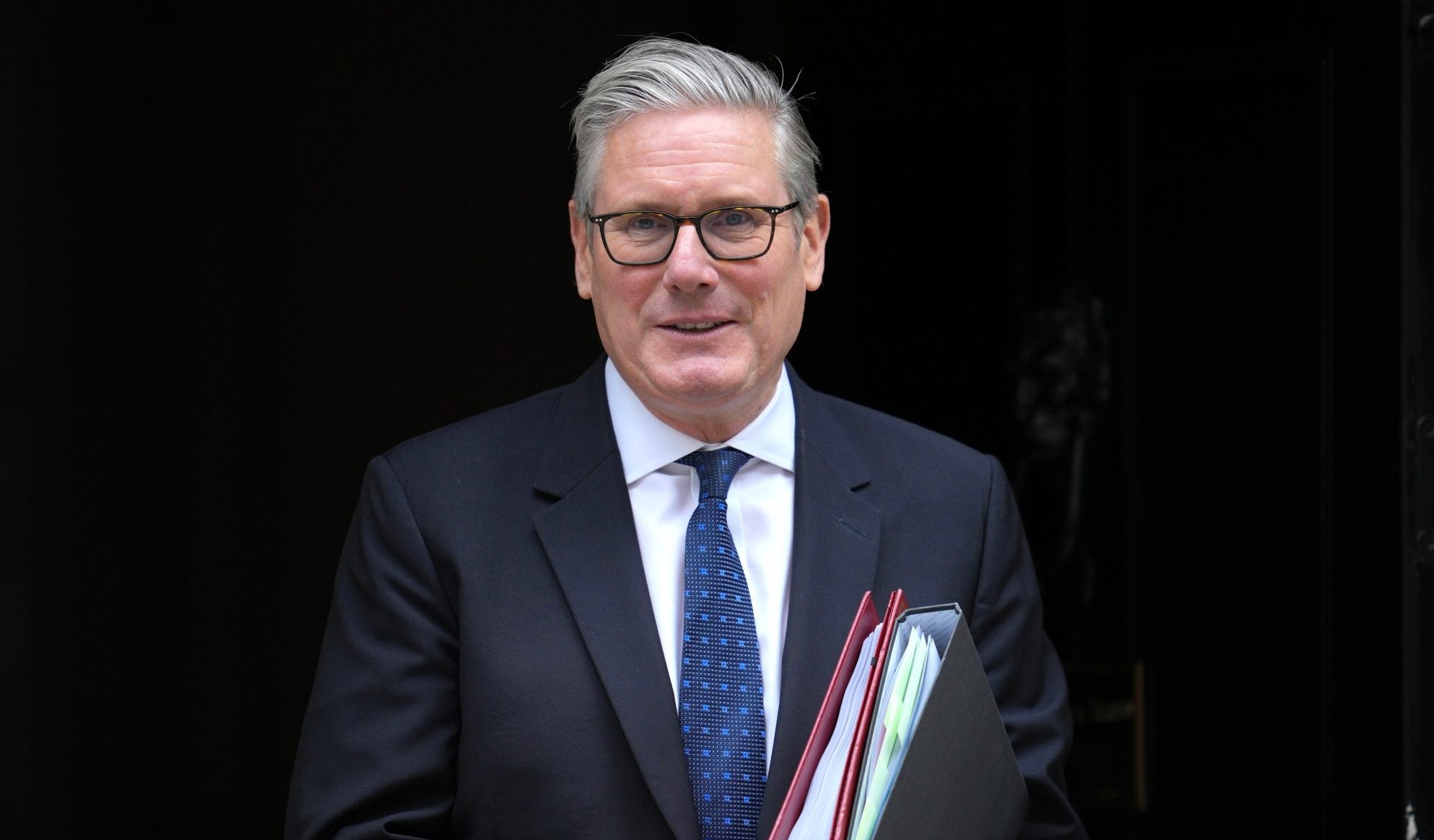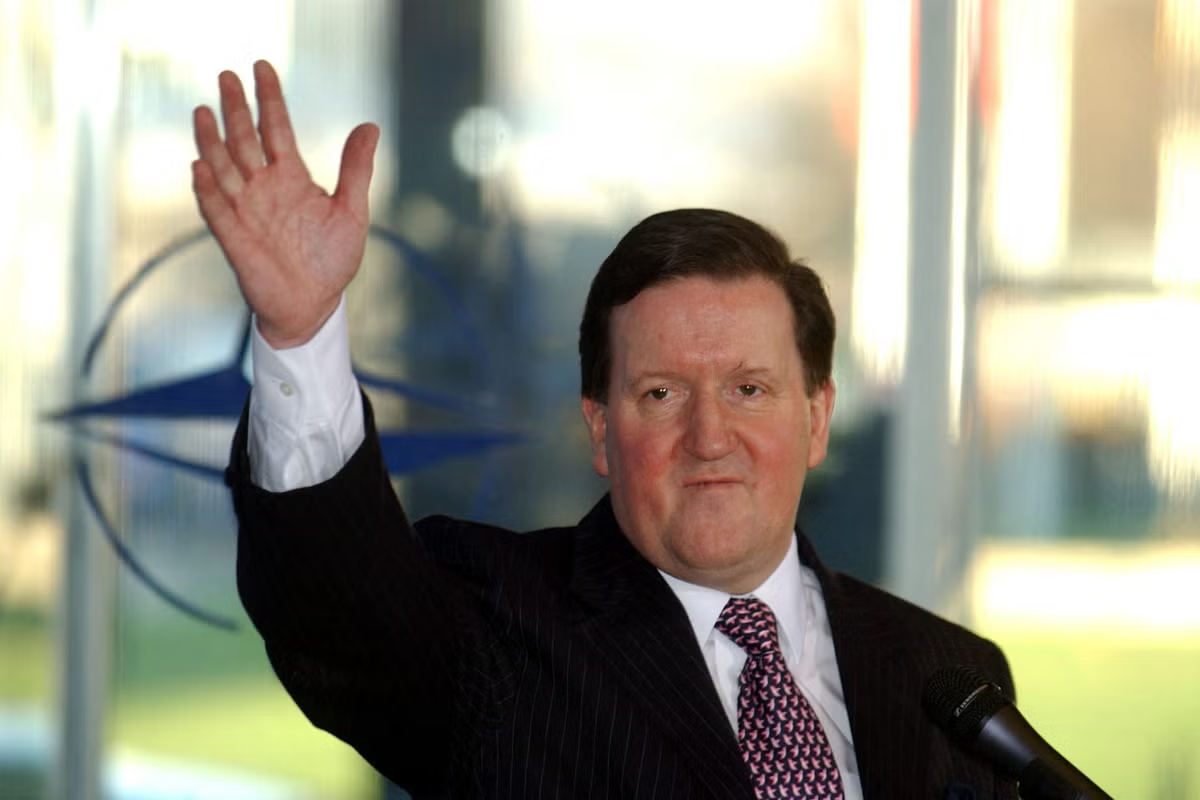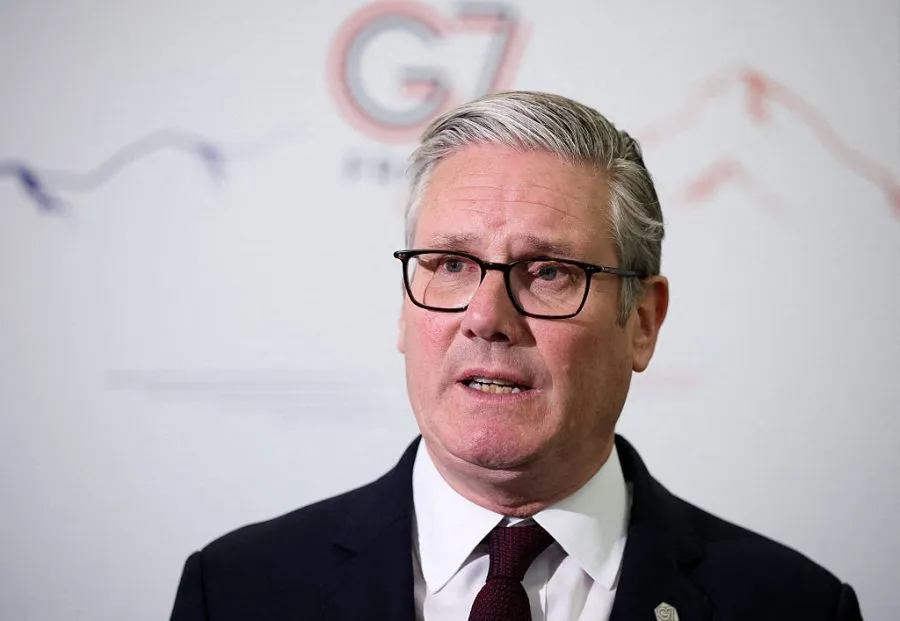
Sir Keir Starmer came to office in July 2024 on a manifesto which played heavily on defence. The Labour party, it proclaimed, had an absolute commitment to the UK’s independent nuclear deterrent and, ‘as the party that founded Nato… [would] maintain our unshakeable commitment to the alliance’. It would also ‘apply a Nato test to major defence programmes to ensure we meet our obligations in full’. The party would conduct a Strategic Defence Review (SDR) within its first year of office, ‘set out the path to spending’ 2.5 per cent of GDP on defence and publish a Defence Industrial Strategy.
It is hard to overstate the degree to which Starmer’s government has fallen short of its lavish and tough-talking promises. The resignations of former defence secretary John Healey and armed forces minister Al Carns last Thursday over the Defence Investment Plan (DIP) brought what had been an increasingly tense and indefensible situation to a head. Although the DIP still has not been made public, it is very clear that the resources HM Treasury was willing to offer for defence are hopelessly inadequate in scale.
Labour knows what resources our armed forces need to defend the United Kingdom
The Ministry of Defence (MoD) estimated that it would need an additional £28 billion over the next four years to meet its commitments, make good capability gaps and begin to implement the SDR. The DIP is believed to represent somewhere between £10 billion and £13.5 billion – it is half of what the MoD requested. Healey knew Labour’s defence policies simply could not be delivered with that amount and walked out. No matter how often ministers bleat that they are providing ‘the highest sustained increase in defence spending since the Cold War’, the armed forces now face a financial crisis and cuts.