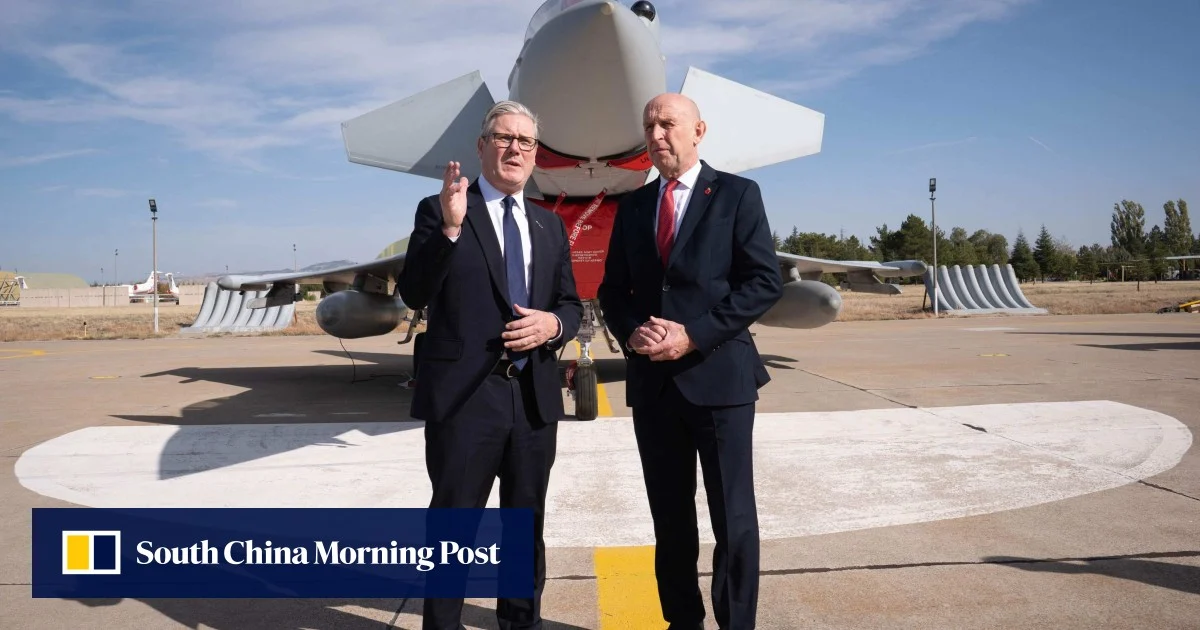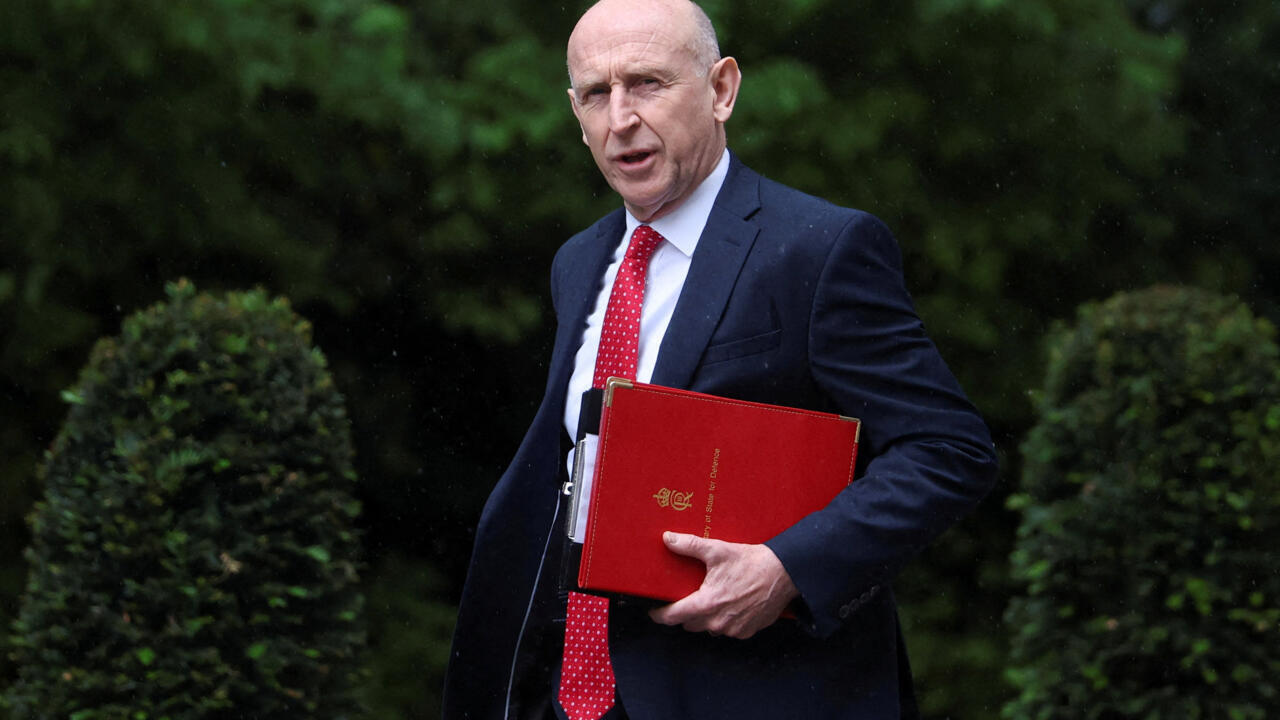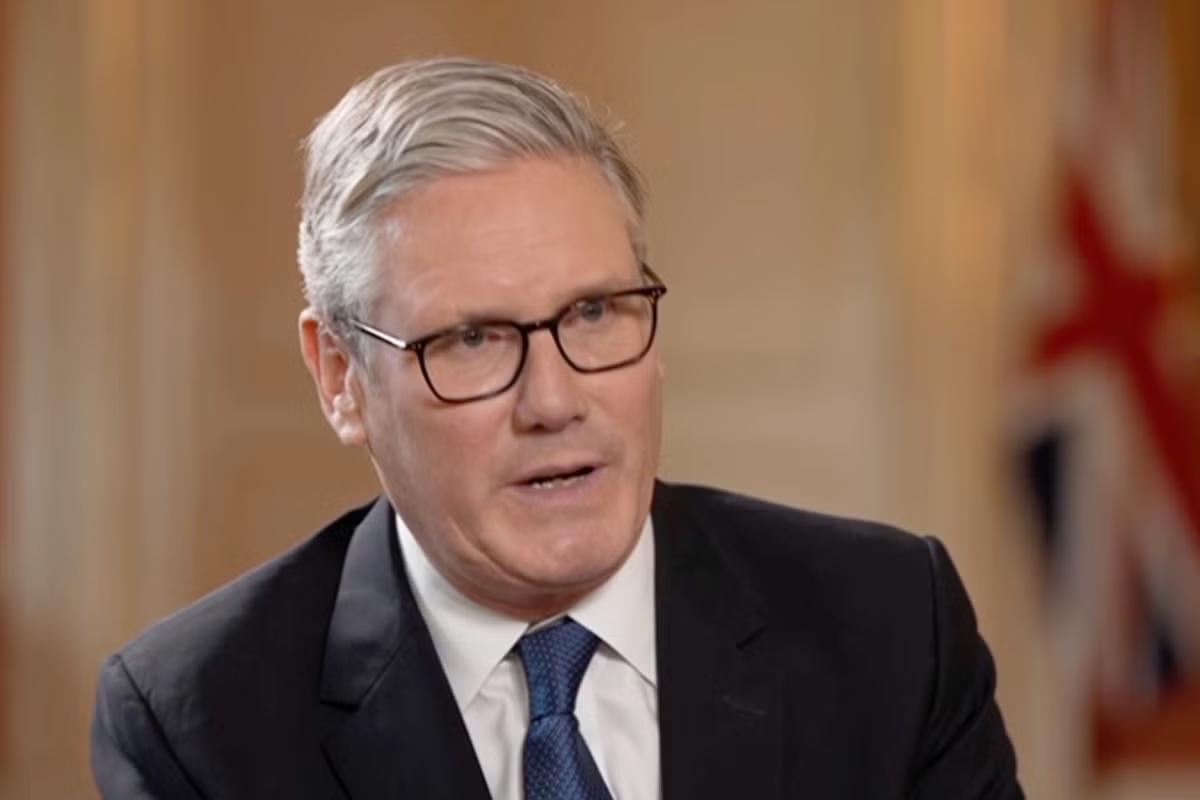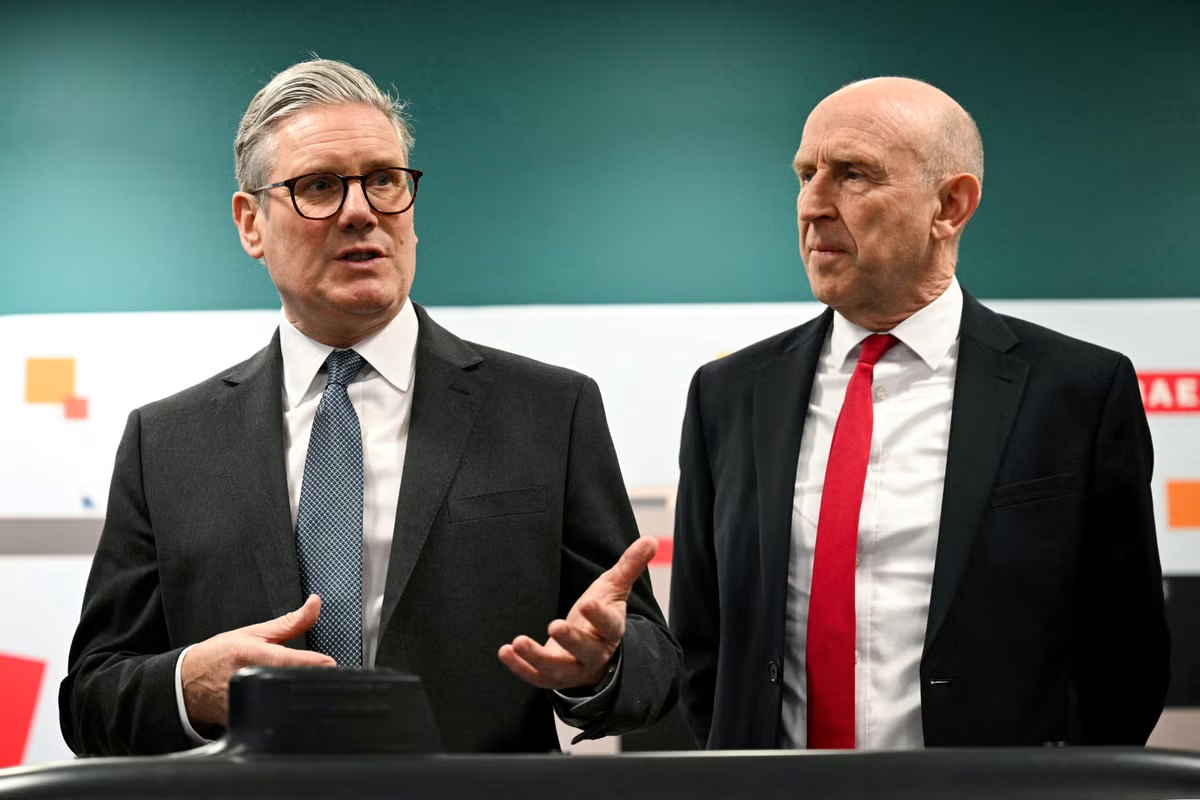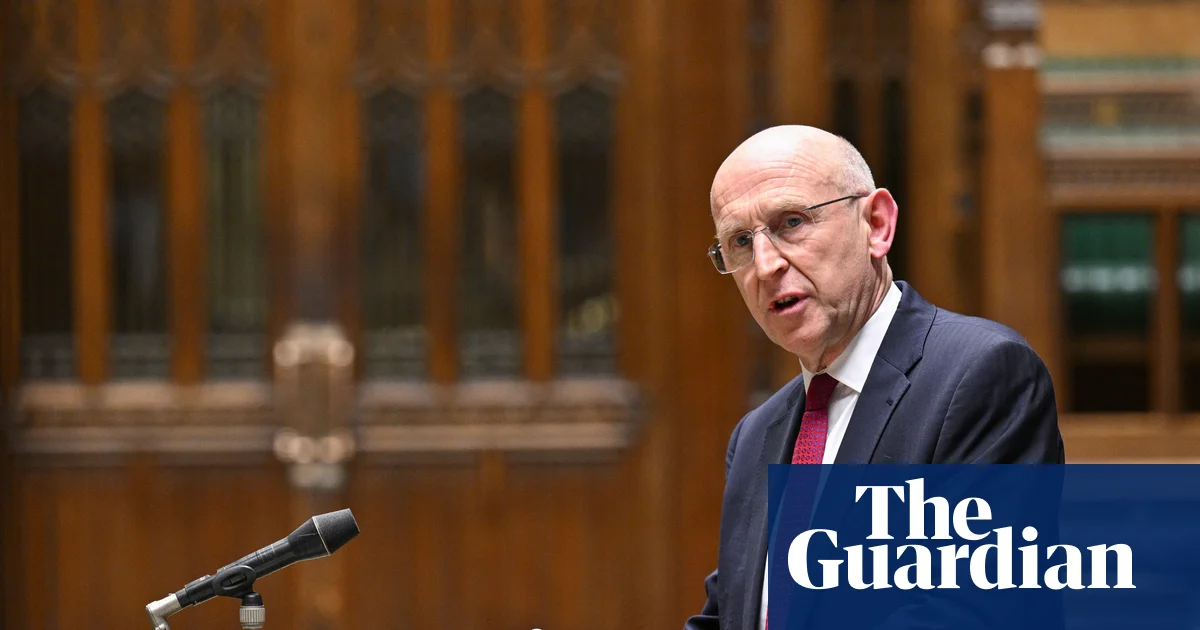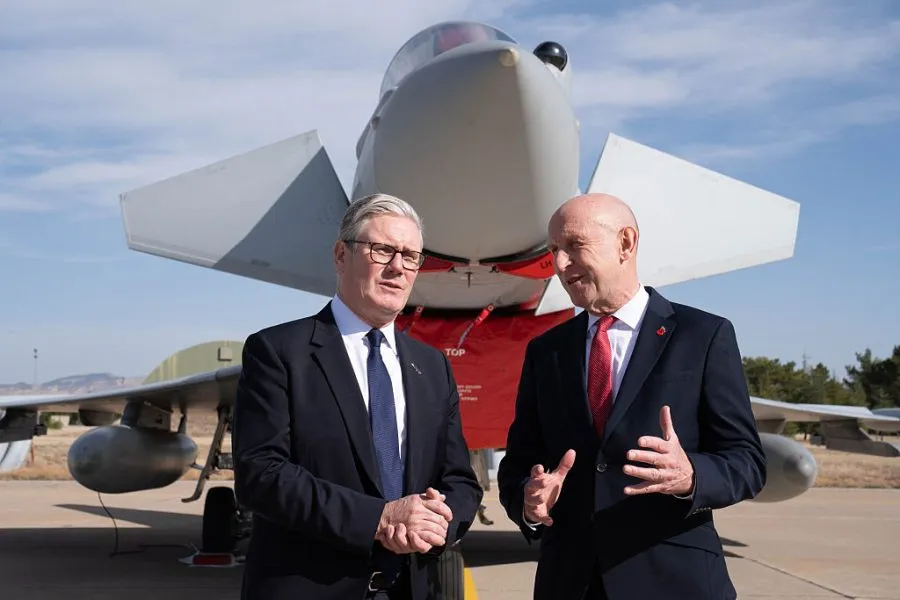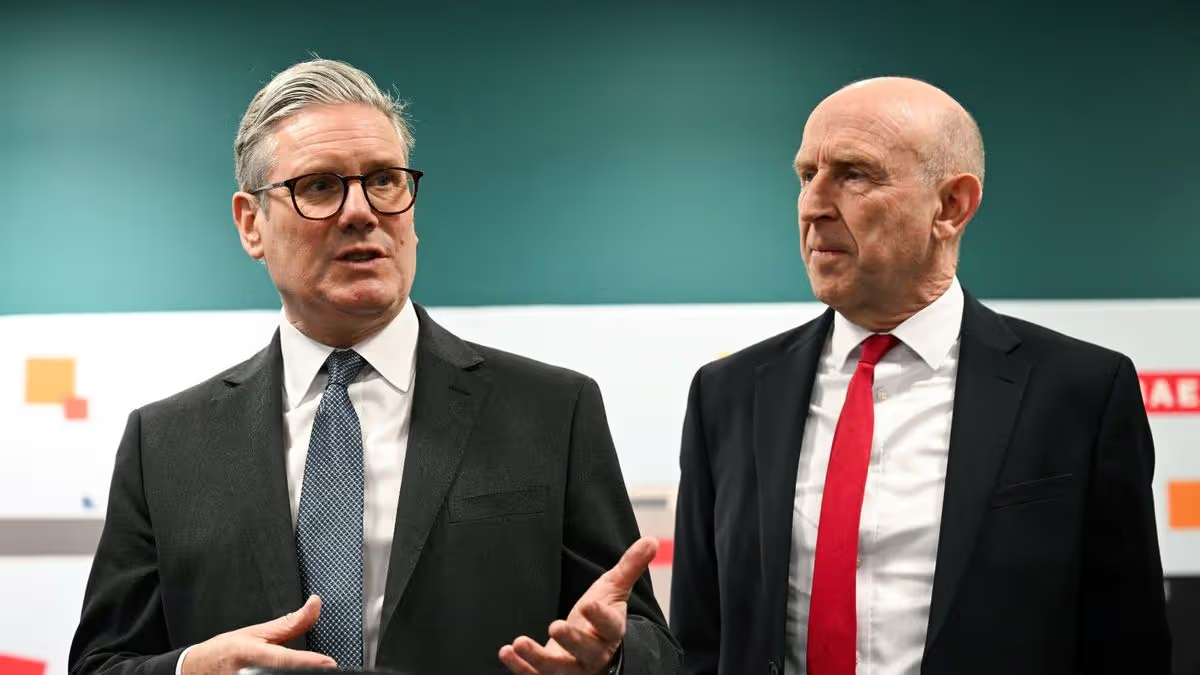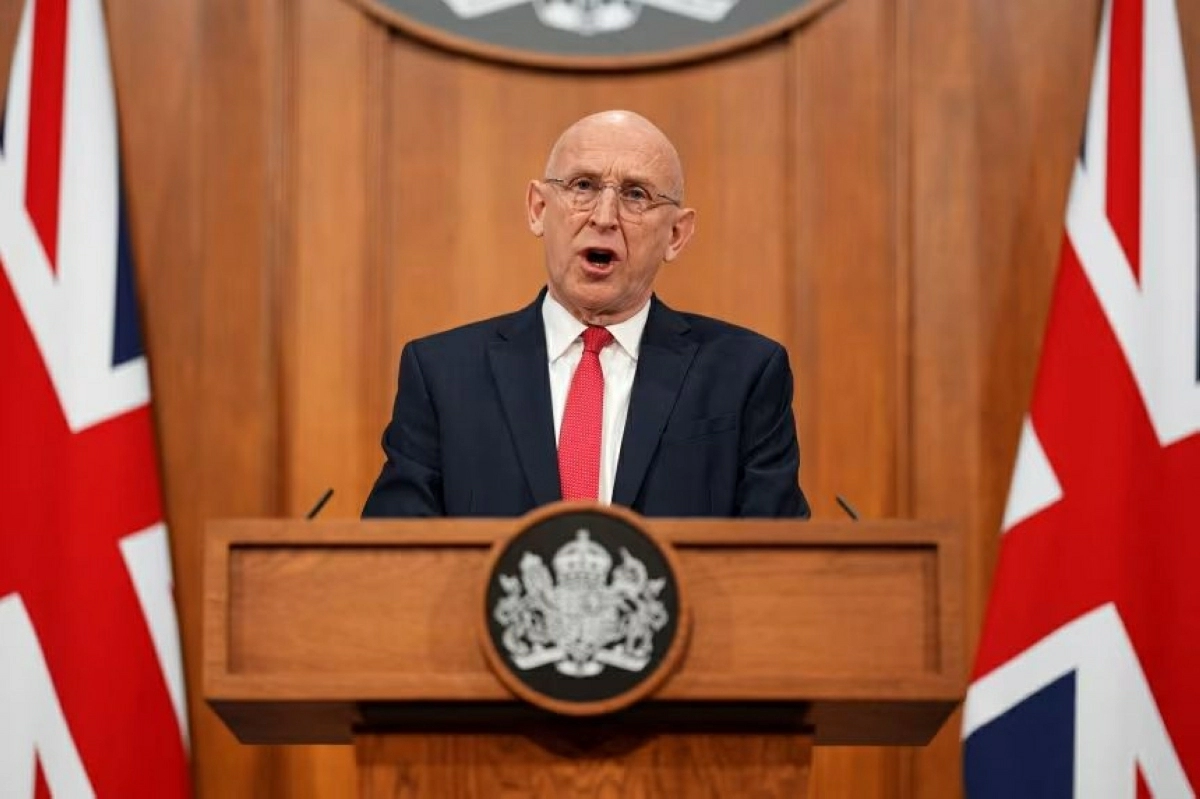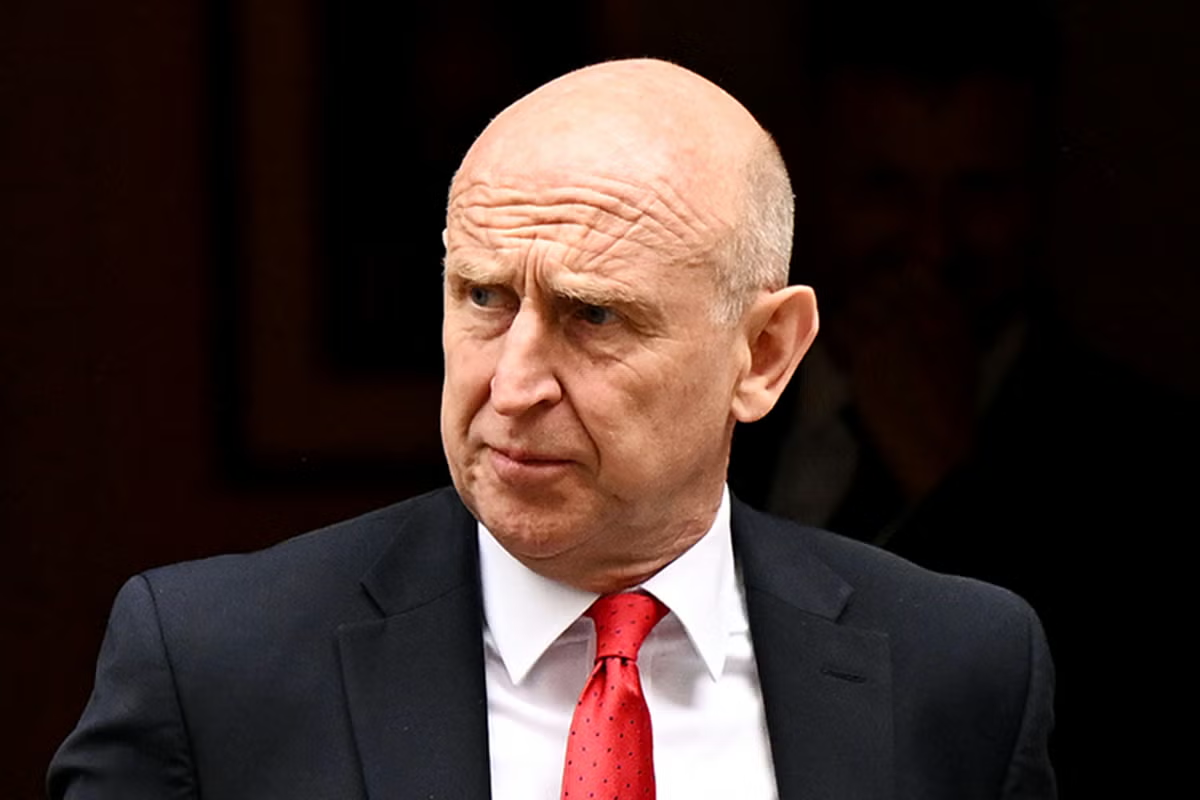
I was at a defence conference, having had the keynote from the chief of the defence staff, Air Chief Marshal Sir Rich Knighton, when the news broke that the defence secretary, John Healey, had resigned. There were loud gasps, and several people (myself included) raced from the room to hit the phone. Sure, there had been a lot of talk about the fact that the Defence Investment Plan (DIP) was caught in a bit of rough and tumble between the Ministry of Defence, Downing Street, and the Treasury – this is always the case with a spending round or a review period. But there had been absolutely zero talk of “resignation watch” in respect of John Healey. The broader view was that if there was such a thing as a “Starmerite”, then Healey was the epitome of that. But then came the utterly brutal resignation letter – and it is brutal. After what could be seen as a standard “I am honoured to have served in your government” opening section, the stiletto then went in – not once, but several times.“You have been unable, and the Treasury has been unwilling, to commit the resources that the nation needs to defend the country at this time,” wrote Healey.Ouch! “Unable” is far-from-coded language for “you have shown that you have no authority and no power inside government”. Healey is saying that Keir Starmer is prime minister in name only; that he is at the mercy of his cabinet.His letter continued: “However, your DIP financial settlement – which I was first given in full on Monday afternoon...”In other words, Healey had been isolated from the arbitration over the DIP, and as such, was not willing to be the poster child for a process in which he had not been involved. And the revelation that he had only been given sight of this two days before his letter also speaks to the notion that the deal was being imposed on him, against his best advice, as well as what he expected the PM to do.When armed forces minister Al Carns followed his boss Healey out of the door, he was equally blunt. "We are asking our Armed Forces to operate in a more dangerous world on a budget written for a calmer one,” he wrote.This double blow will no doubt be felt viscerally by the PM. But what next?The consensus was that defence secretary John Healey was firmly in Keir Starmer’s corner, but his resignation letter shows that’s not true in the slightest (PA)How can the government issue the DIP when one of its number has said it is not worth the paper it is written on? One of Healey’s junior ministers, the decorated former Royal Marine Al Carns, has been quoted as saying that the DIP is “not fit for purpose”. Despite politicians’ ability to accept opprobrium on many levels as long as they get promoted, it’d be a really brave individual who accepted the defence portfolio at this point.There is to be a scheduled meeting of Nato defence ministers next week in Brussels. Had Healey attended that with either no DIP or an unsatisfactory one, he would have been given a public kicking by his fellow ministers – the same is true for whoever steps up, either temporarily or permanently, to the role. Other Nato countries can point to the fact that they have frozen or cut education, health, welfare budgets – they will have little sympathy with the UK for saying that these budgets are off limits. And then there is the big one: the Nato summit in Ankara at the start of July. If, by that point, the prime minister has either no defence plan or a fudged one, he will discover that he has no friends at all – none. And no one will accept feeble excuses about why the UK cannot meet the Nato commitments it has made on defence spending. The UK is already ranked 31 out of 32 in Nato for defence modernisation – the only country below it is Iceland, which has no armed forces. Yes, things have fallen that far.Does this matter? Well, a UK nosediving down the defence league table will find that its influence in other areas will equally decline. You want to negotiate better deals with the European Union? A weaker UK in defence terms will find this far more difficult. But there are also concerns that the UK armed forces will not cope well with the uncertainty over the defence budget. Things had been appalling with the several-month delay in publishing the DIP – and there are likely, now, to be further delays in its seeing the light of day. All of which means continued uncertainties... How can service chiefs bring together coherent plans for the modernisation of Britain’s defences when they don’t really know what their budgets are? How will the prime minister manage to change the dynamic and find extra money for defence? He has failed to so far, as brutally highlighted by Healey and Carns – the Treasury and his chancellor have dug their heels in, and within the broader Labour Party, despite polls to the contrary, there appears to be little appetite for defence spending. But de-prioritising defence will inevitably see the UK’s position and influence in the world decline. It’s possible that this will be imperceptible at first, but it’ll become drastically apparent after a short while. It will be interesting to see if the favourite to succeed Starmer, Andy Burnham, has any answers on the matter of defence. One thing is for sure – he’ll need some.
Starmer’s defence failure will leave the UK friendless on the world stage
The resignations of defence secretary John Healey and armed forces minister Al Carns have thrown the prime minister into a fresh political crisis at home – but even worse, writes Francis Tusa, Starmer’s failure to keep his promises to Nato makes the UK look feeble in the eyes of its closest allies
TL;DRAI
Defence Secretary Healey resigns over inadequate defence funding under PM Starmer; UK ranks 31st of 32 NATO members for modernization. The spending shortfall threatens UK diplomatic leverage heading into July's NATO summit.
933 words~4 min read