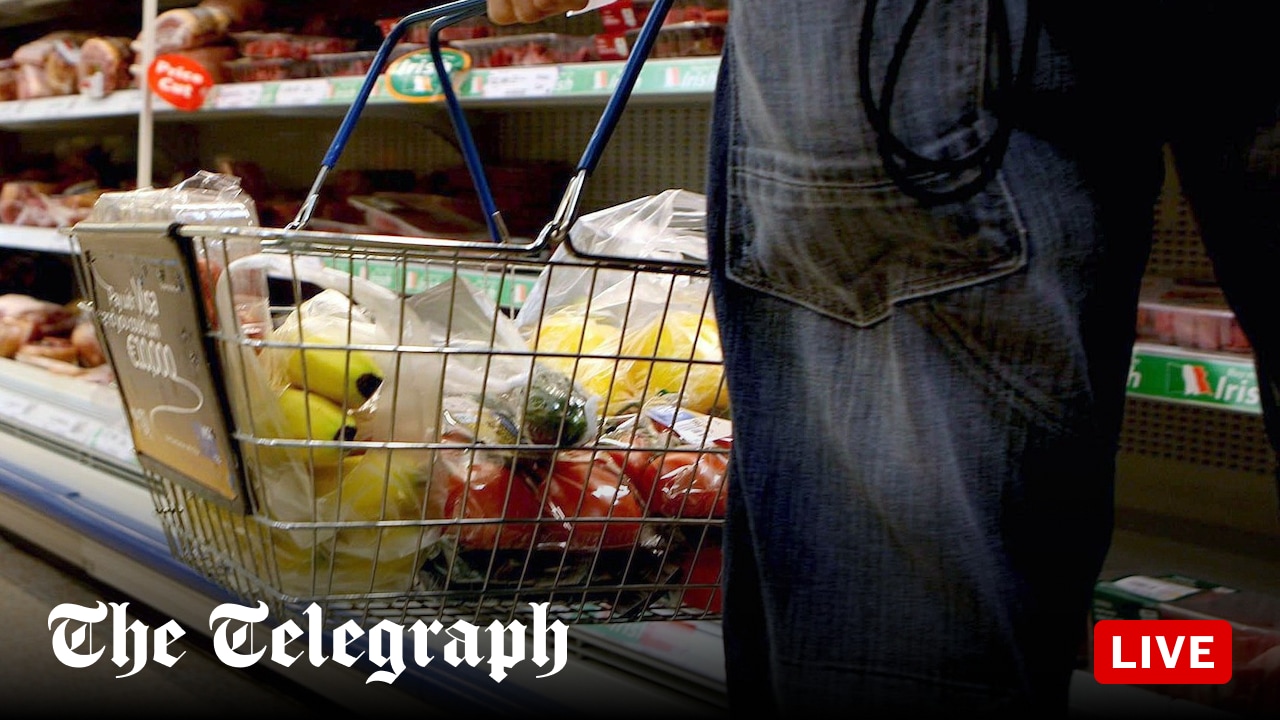
MoneyInflation shows the rate at which the price of goods and services rises over time based on a regularly updated 'basket of goods'07:02, 17 Jun 2026Updated 07:35, 17 Jun 2026UK inflation remained unchanged at 2.8% in May despite expectations that it was set to rise.The majority of economists had predicted that inflation would rise to 3% last month. The Office for National Statistics (ONS) said inflation held steady as higher transport costs were offset by a fall in food prices.Airfares, vehicle taxes and petrol prices all increased, but food price rises eased across a range of meat, dairy and vegetable items.Inflation shows the rate at which the price of goods and services rises over time. When inflation falls or remains unchanged, it does not mean that prices have stopped rising - they are still going up, but just more slowly than before.Content cannot be displayed without consentGrant Fitzner, Chief Economist, ONS, said: “After last month’s slowdown, inflation held steady in May as various price movements offset each other. The main upward movement came from transport with airfares, vehicle taxes and petrol prices all pushing up inflation.“These were offset by lower food prices, with decreases in inflation seen across a range of meat, dairy and vegetable items compared to last month, as well as the cost of domestic heating oil, which fell back after climbing in recent months.”The annual cost of raw materials continued to increase, led by rises in the cost of chemicals, while the increase in the costs of goods leaving factories slowed, partly due to a drop in the cost of domestically produced cars.”Chancellor Rachel Reeves said: “While the war in the Middle East pushes prices up globally, we have got the right economic plan and inflation has held steady.“We’re protecting families and businesses from rising costs, with cuts in energy bills and freezes in fuel duty and rail fares. This is the right economic plan to build a stronger more secure Britain.”The latest update comes just one day before the Bank of England is set to announce its next interest rates decision, with the majority of economists still expecting the base rate to be held at 3.75%.The Bank of England has a target of 2% inflation and uses interest rates as a way of keeping price rises under control.Article continues belowThe idea is that, when interest rates are higher, borrowing becomes more expensive and this means people have less money to spend elsewhere.When people spend less money, this brings down demand and lower prices, which lowers inflation. But a higher base rate pushed up mortgage payments for millions of homeowners, leaving households financially stretched.Choose Daily Mirror as a 'Preferred Source' on Google News for quick access to the news you value.Inflation
UK inflation rate confirmed ahead of Bank of England interest rates decision
Inflation shows the rate at which the price of goods and services rises over time based on a regularly updated 'basket of goods'
454 words~2 min read