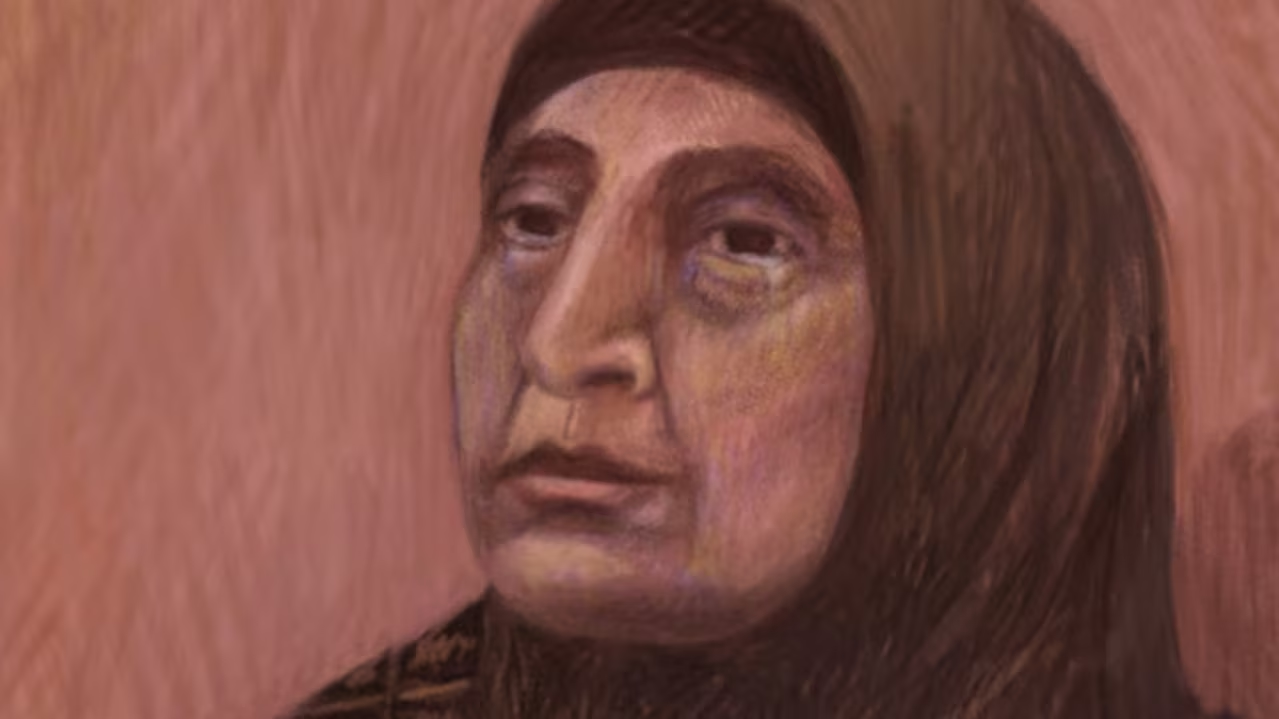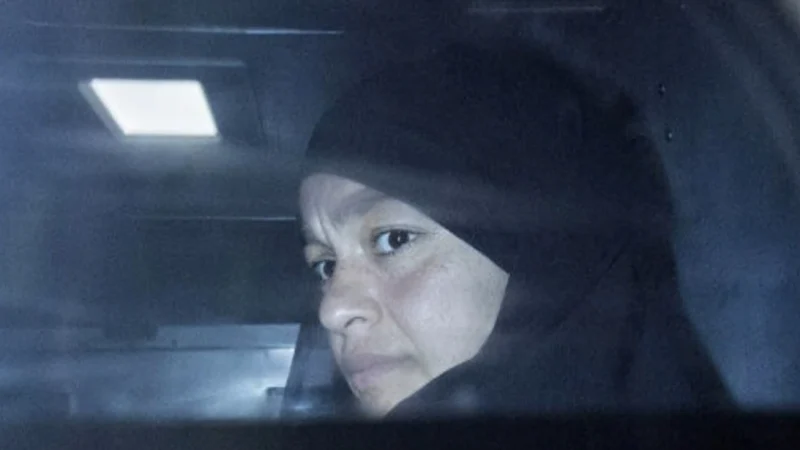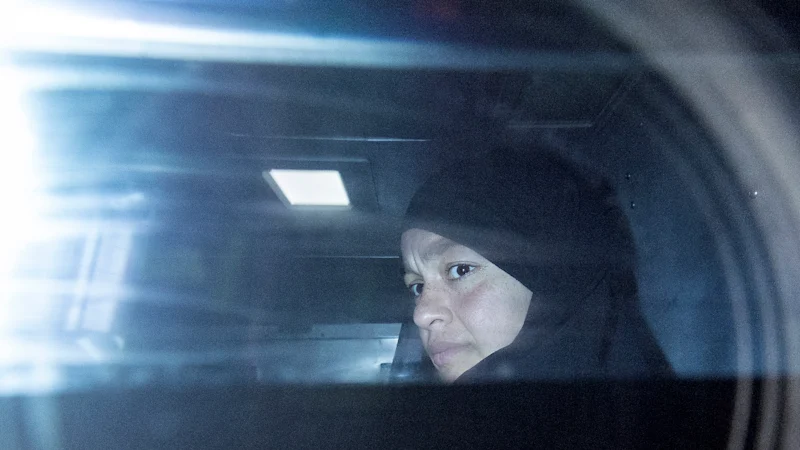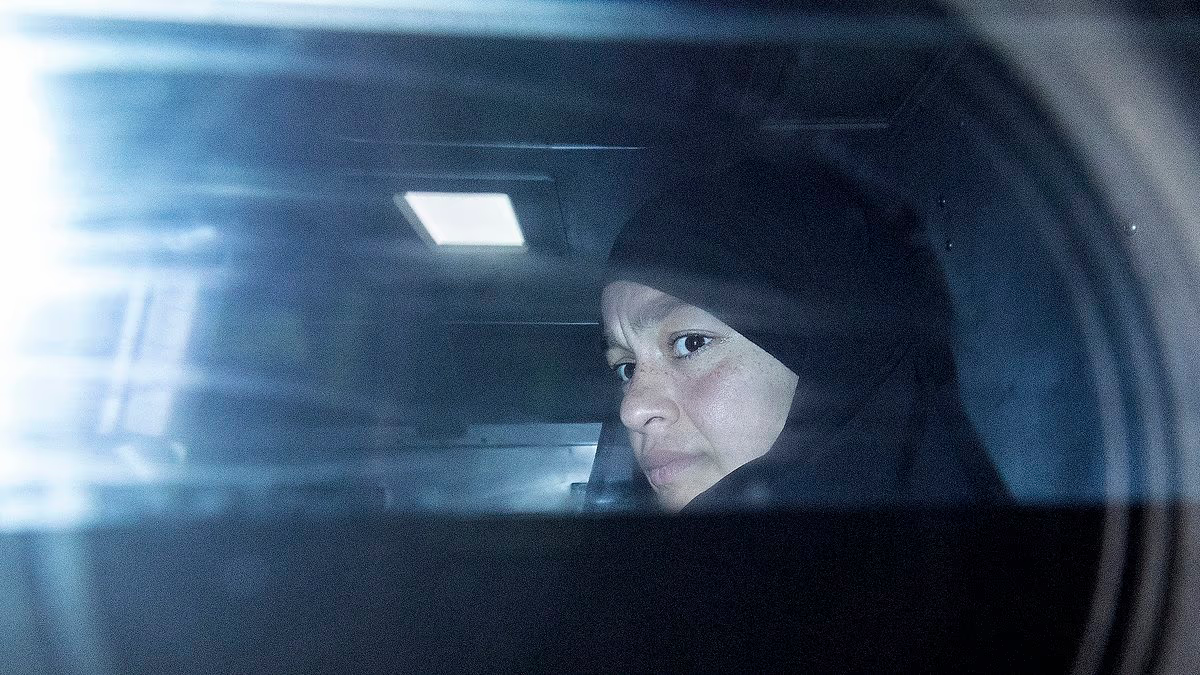
June 17, 2026 — 4:10pmAn ISIS bride accused of harbouring a slave will remain behind bars after a magistrate found even the smallest risk of terrorism was unacceptable.Chief Magistrate Lisa Hannan found there was no clear and compelling evidence that Zeinab Ahmad had renounced her extremist views.“Beliefs can be enduring and hard to shift,” Hannan said.A court sketch of Zeinab Ahmad.Anita Lester/Nine News“There are simply no conditions that can make that risk acceptable. Accordingly, bail is refused.”Ahmad, 31, had sought to be released into the community after being arrested at Melbourne Airport last month on allegations she and her family committed crimes against humanity while living in Syria.Police had opposed bail, telling a court there was no proof that Ahmad had renounced her extremist beliefs and alleging she had posted numerous messages on social media supporting terrorism and the killing of non-believers during her time in Syria.In refusing bail, Hannan said there was no clear or compelling evidence of the accused woman’s renunciation of these extremist views or an explanation as to how she became radicalised.Hannan said even the smallest risk of terrorism was unacceptable.Ahmad is accused of travelling to Syria with family and keeping a young Yazidi woman slave, whom they bought for $US10,000 ($14,000) and abused.Ahmad’s mother, Kawsar Abbas, 54, has also been charged and is set to apply for bail later this week on charges of knowingly using a slave from June 2017 to November 2018.The court has heard the complainant was bought by the Ahmad family, with the accused woman’s father saying he had bought the woman for “the purpose of raping” and housework.In opposing bail, prosecutor Andrew Sprague said the allegations were serious, involved the enslavement of a person and depravation of their liberty and religious freedoms, and carried maximum penalties of 25 years in jail.Sprague said there was evidence of Ahmad expressing support online for terrorist acts and organisations and submitted the safety of the community must prevail over the presumption of innocence.“She travelled to and lived in Syria under Islamic State [rule]. She was involved with Islamic State over a sustained period,” Sprague said.She supported husbands alleged to be fighters for Islamic State and expressed support for Islamic State ideology involving hostility to non-believers and the freedoms and rights of others.“Without any compelling evidence of any renunciation of those beliefs, the court should conclude that the risk to the community remains unacceptable.”The court heard there was no evidence about how Ahmad became radicalised.Earlier, the court heard Ahmad wanted to be freed on bail, citing the prospects of a delayed trial and the need to be reunited with her daughter, aged seven, who she was separated from at Melbourne Airport on their return home from the Middle East on May 7.Defence lawyer Grace Morgan said the child was born in a Syrian detention camp and exposed to traumatic stressors including violence, poverty and extreme living conditions.Morgan said a child psychologist had since diagnosed the young girl with PTSD and said being separated from her mother was a significant issue. She was known to exhibit clingy behaviour and outbursts, which would compromise her developing a sense of safety, making it more difficult for her to settle into a new life.Morgan also said her client now rejected Islamic State and instead carried deep anger towards it and the men who forced its ideals on her.The matter will return to court later this month.Get a note directly from our foreign correspondents on what’s making headlines around the world. Sign up for our weekly What in the World newsletter.From our partners
ISIS bride denied bail over ‘unacceptable risk’ to community
A Melbourne court has denied Zeinab Ahmad bail, saying there was no compelling evidence to show she had renounced her extremist views.
593 words~3 min read