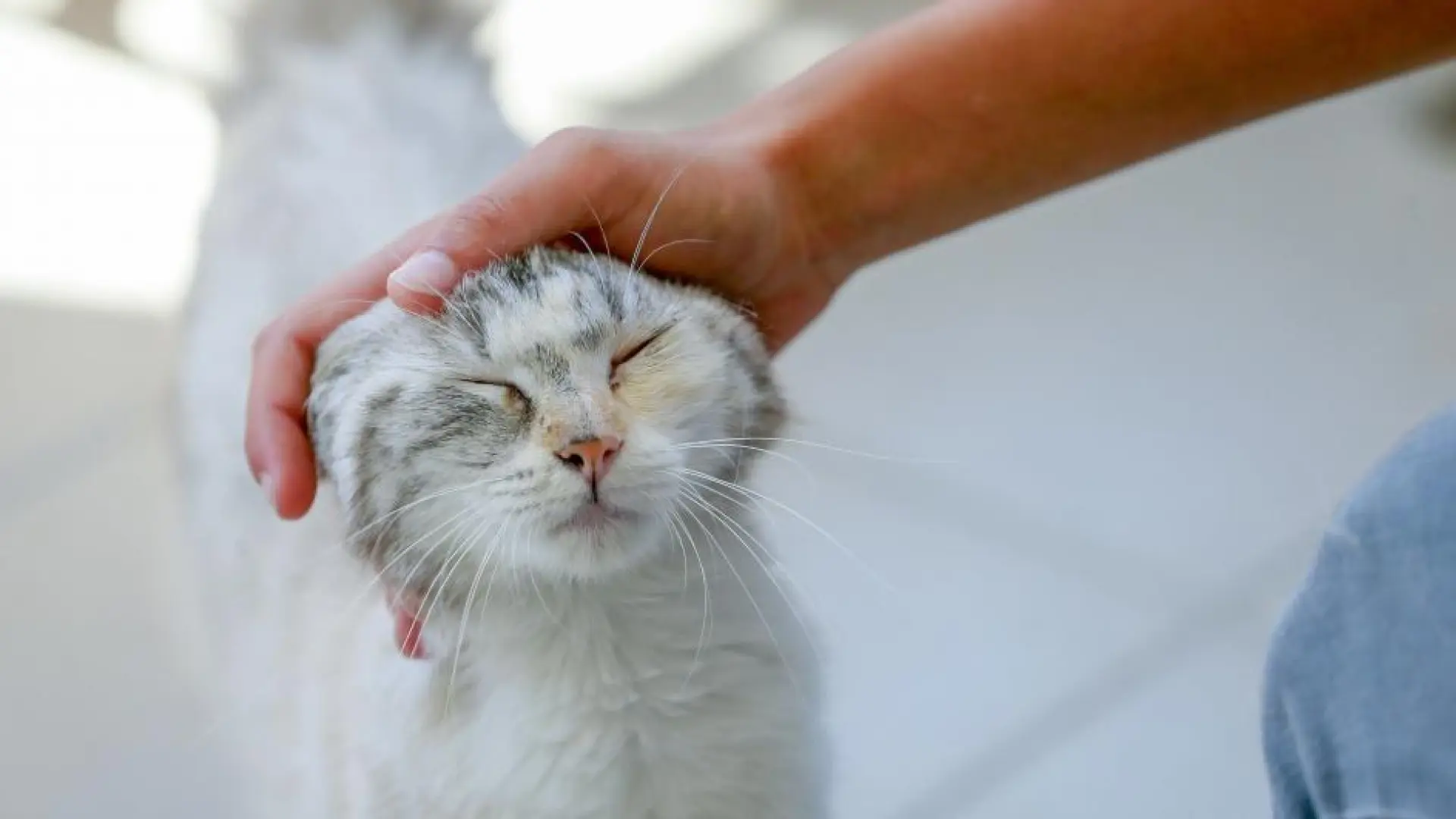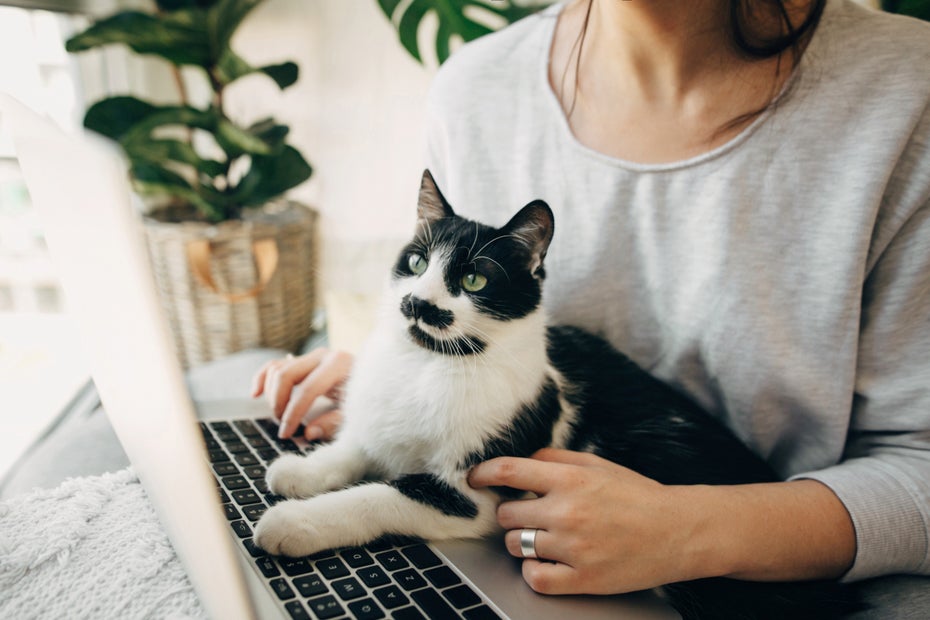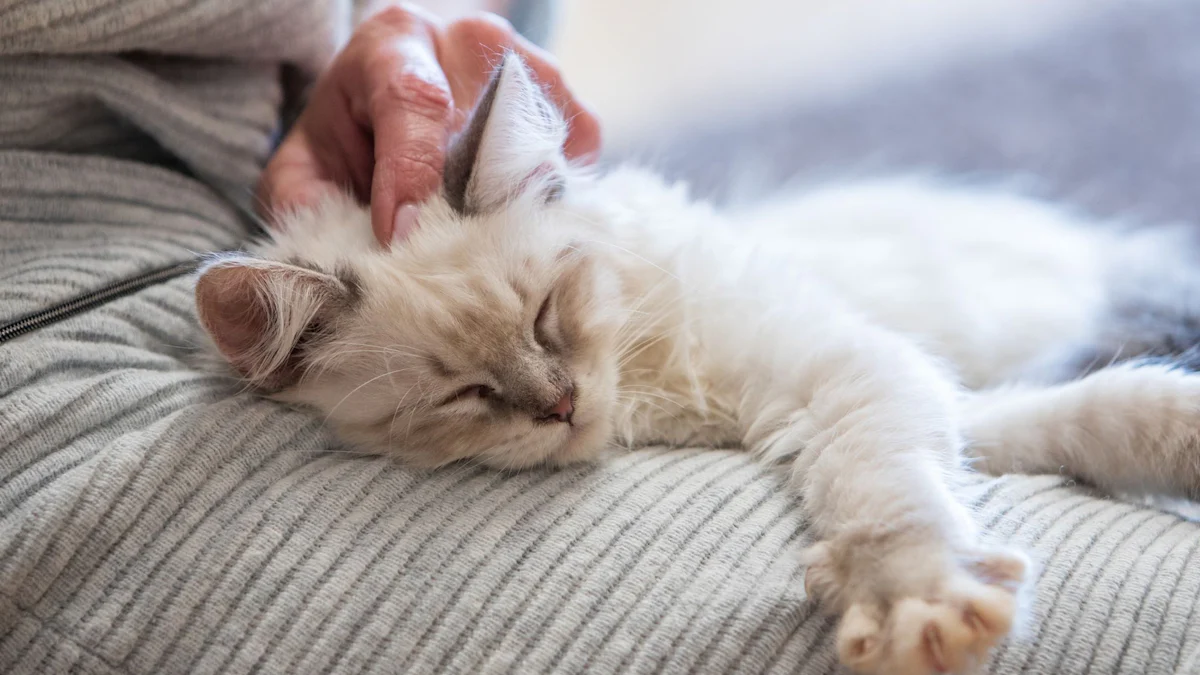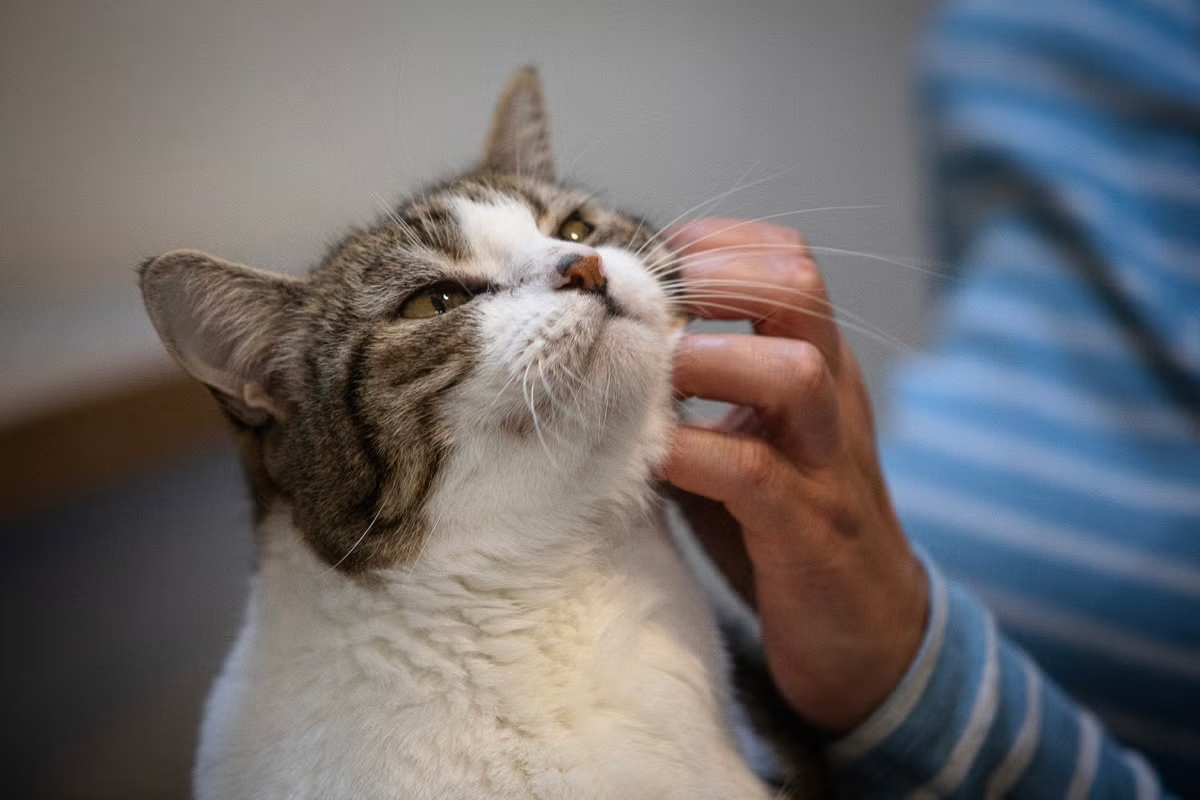
Interacting more with a pet dog or cat during stressful moments may not help calm nerves and could, in some cases, even intensify negative feelings, psychologists claim in a new study.While a pet dog or cat can generally make their human companions feel good, whether they reduce stress is a subject of continuous scrutiny.Now, a new study finds that interacting with a cat or dog may have nothing to do with the way a pet owner handles stress.While these interactions in general may lead to happier moments, they did not, however, lower stress when they occurred, researchers found in the study published in the journal Frontiers in Psychology.Meaning, owners could enjoy time with their pets, while still being affected at the same level by whatever had upset them.In some cases, interacting more with pet cats may even cause already stressed owners to experience negative feelings more intensely, researchers say.“Our findings indicate that stress-buffering is not the mechanism causing momentary emotional well-being when interacting with a pet,” says psychologist and study author Mayke Janssens.A cat in Paris in France (Hans Lucas/AFP via Getty Images)In the study, researchers looked at data from 188 dog and cat owners who reported their moods, stress and interactions with their pets up to 10 times per day over five days through an app.In general, interacting with pets was found to be linked to more positive emotions.But when one was stressed, more interaction did not equal more stress relief, according to the study.“The positive effects of pet interaction on well-being appear to be genuine, but they don’t seem to happen because pets help people handle stress better at the exact moment the stress occurs,” explained Dr Janssens.This observation was similar for both cats and dogs. This could be because people tend to choose pets that fit their personalities, researchers say.“Dog owners were probably more likely to identify as ‘dog people,’ whereas cat owners were more likely to identify as ‘cat people. It’s possible that this owner-pet ‘match’ partly explains why the findings were so similar for dogs and cats,” explained Sanne Peeters, another author of the study.But there appeared to be a peculiar effect of interactions with cats. In the case of cats, researchers observed that stressed owners were more likely to feel stronger negative emotions as they interacted more with their felines.This seems counter to the popular expectation that playing with one’s cat could be a relaxing, stress-buster activity.“In cats, we even observed that a higher level of interaction was associated with a stronger link between stress and negative emotions in owners,” Dr Janssens said.“One speculative explanation is that because interactions with cats are often more passive and less demanding in nature, a higher level of interaction might be more emotionally evocative. This might not match the need for support in stressful moments,” Dr Peeters said, adding, however, that this interpretation should be treated with caution.Researchers assessed almost 8,000 real-time data reports provided by pet owners, including information on their stress, and interactions with their cats and dogs.They also probed whether interacting with a pet decreased the negative impact of stress more than simply being in the presence of one.“Interacting more intensively with the companion animal did not provide additional emotional benefits beyond those that may arise from the animal simply being present,” she said.This suggests that some yet-unknown mechanism is responsible for the beneficial effect of pet interaction, researchers say.“It could be that interacting with a pet provides a sense of companionship and that pets help people feel more connected and less alone, which in turn could contribute to improved emotional well-being,” said Dr Janssens.In future studies, the data may provide a more fine-grained understanding of how companion animals influence people emotionally.“I wouldn’t say that one species makes a ‘better’ pet than the other. Instead, it’s more likely about owner personality and preference,” Dr Peeters concluded.“The main conclusion is that interacting with dogs and cats appears to provide similar emotional benefits,” she said.
New study challenges view that pets help us deal with stress
Interacting more intensely does not provide more stress relief, researchers say
658 words~3 min read